BAKU, Azerbaijan, June 12. Malaysian Prime
Minister Anwar Ibrahim is set to visit Turkmenistan in mid-June.
Announcing the upcoming trip during a public speech on June 7, he
said that one of its key objectives would be the signing of a
production sharing agreement (PSA) that would pave the way for the
participation of Malaysia’s state-owned energy company PETRONAS in
the development of the giant Galkynysh gas field.
For his part, Chairman of the Halk Maslahaty (Parlieament) of
Turkmenistan Gurbanguly Berdimuhamedov described the planned
agreement between Turkmennebit and PETRONAS in May as
“strategically important for expanding long-term energy cooperation
between the two countries.”
Against this backdrop, the very fact that the negotiations have
been elevated to the highest political level highlights their
strategic importance for both sides. According to statements from
the Malaysian side, the primary purpose of the visit is to advance
energy cooperation, while a number of arrangements between PETRONAS
and Turkmen entities have already been worked out at the technical
level. Discussions on the parameters of cooperation in gas projects
have previously taken place through contacts between the relevant
companies, including Turkmennebit and PETRONAS, indicating a
gradual transition from technical negotiations to the political and
diplomatic formalization of the deal.
Additional political momentum has also come from the Turkmen
side. In his public statements, former President and Chairman of
the Halk Maslahaty Gurbanguly Berdimuhamedov has repeatedly
emphasized the country’s interest in expanding international energy
cooperation and attracting major foreign partners to the
development of strategic deposits, including Galkynysh.
Meanwhile, Galkynysh itself remains one of the largest gas
fields in the world. According to an assessment by British
consultancy Gaffney, Cline & Associates, the field’s reserves,
together with the adjacent Yashlar and Garakel deposits, amount to
approximately 27.4 trillion cubic meters of natural gas, making it
one of the world's largest gas accumulations. At the same time, it
is also among the most technically challenging fields to develop.
The project's high capital requirements and technological
complexity effectively necessitate the involvement of external
financing and expertise, making the PSA model one of the most
suitable mechanisms for its development.
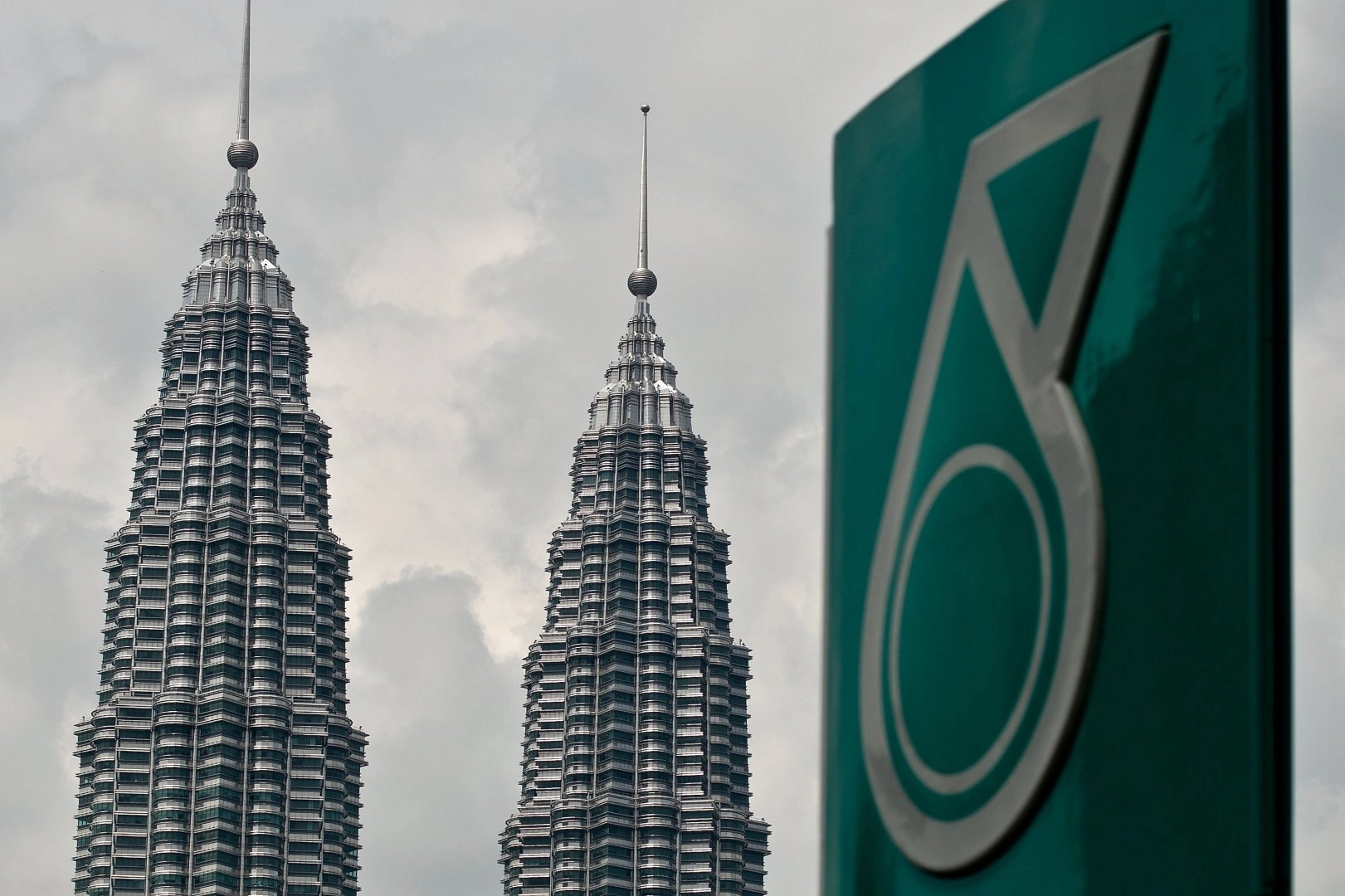
For PETRONAS, potential participation in the Galkynysh project
would represent a significant expansion of its international
upstream portfolio and strengthen the company’s position in one of
the largest gas clusters outside Southeast Asia. The Malaysian
energy giant already has a long-standing operational presence in
Turkmenistan, where its offshore production-sharing agreement was
previously extended until 2050.
For Turkmenistan, the prospective deal reflects a broader trend
toward increasing the role of foreign investment in the national
economy. According to Turkmenistan’s Minister of Finance and
Economy Mammetguly Astanagulov, the share of foreign investment in
the country exceeds 10%, pointing to growing participation of
external capital in the investment structure of the economy and the
emergence of a more diversified model for financing large-scale
projects.
In this context, a potential PSA with PETRONAS can be viewed as
part of Ashgabat’s broader strategy to attract long-term partners
to technically complex energy projects without altering the state’s
ownership model over natural resources.
From Malaysia’s perspective, participation in the Galkynysh
negotiations also carries broader macroeconomic significance.
PETRONAS serves not only as a commercial operator but also as a key
instrument of the country's international economic presence.
Expanding the company’s involvement in major overseas projects
strengthens Malaysia’s resource base and enhances its standing in
global energy markets, particularly amid growing competition for
long-term gas assets.
At this stage, negotiations surrounding Galkynysh demonstrate
the parties’ efforts to find a framework that would allow
Turkmenistan to attract additional investment and technology for
the development of a strategic field, while enabling PETRONAS to
strengthen its position in one of the world’s most significant gas
projects. The outcome of the visit could serve as an indicator of
whether energy cooperation between the two countries is entering a
new phase, where economic considerations are increasingly
complemented by broader strategic interests.