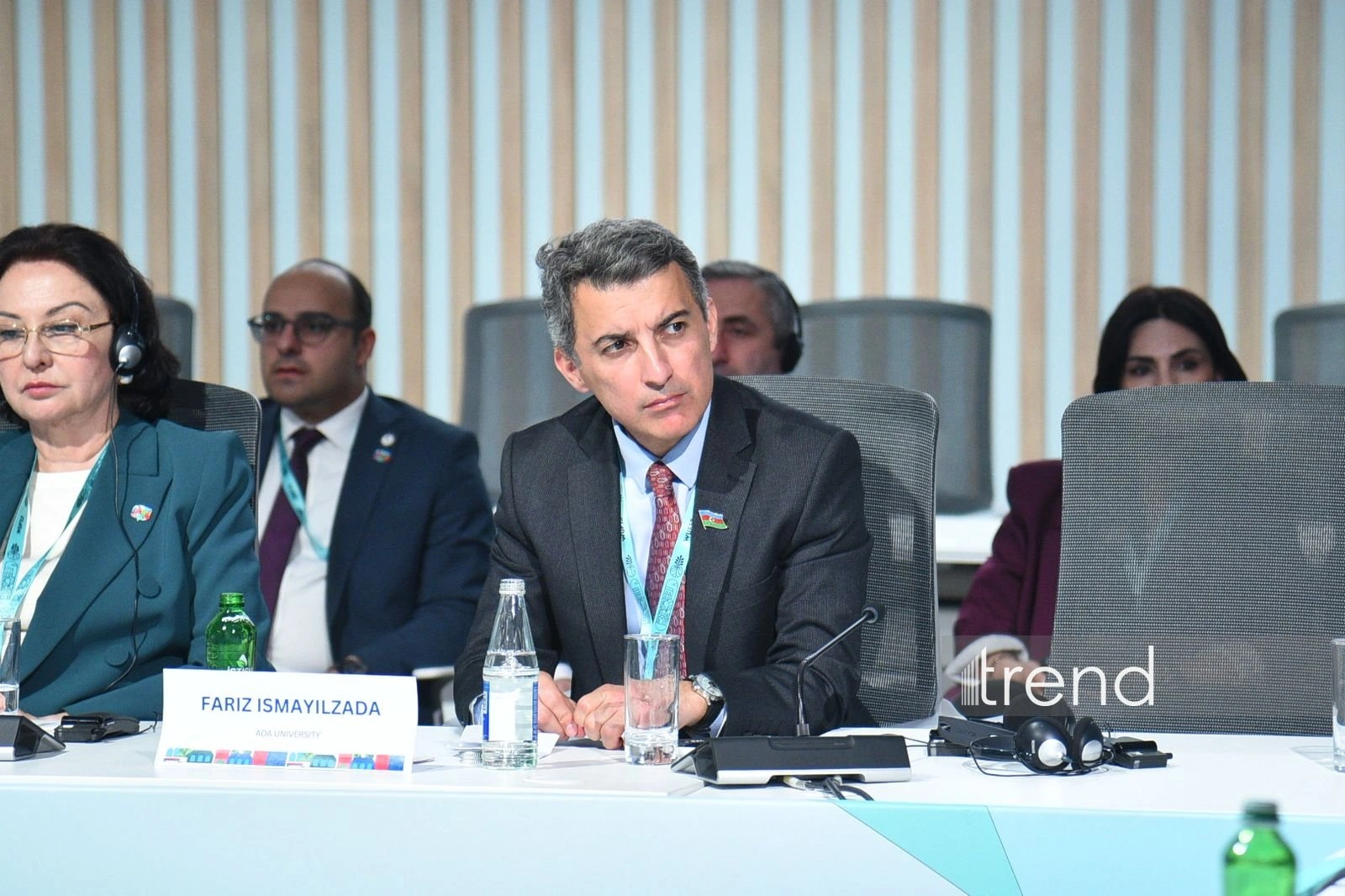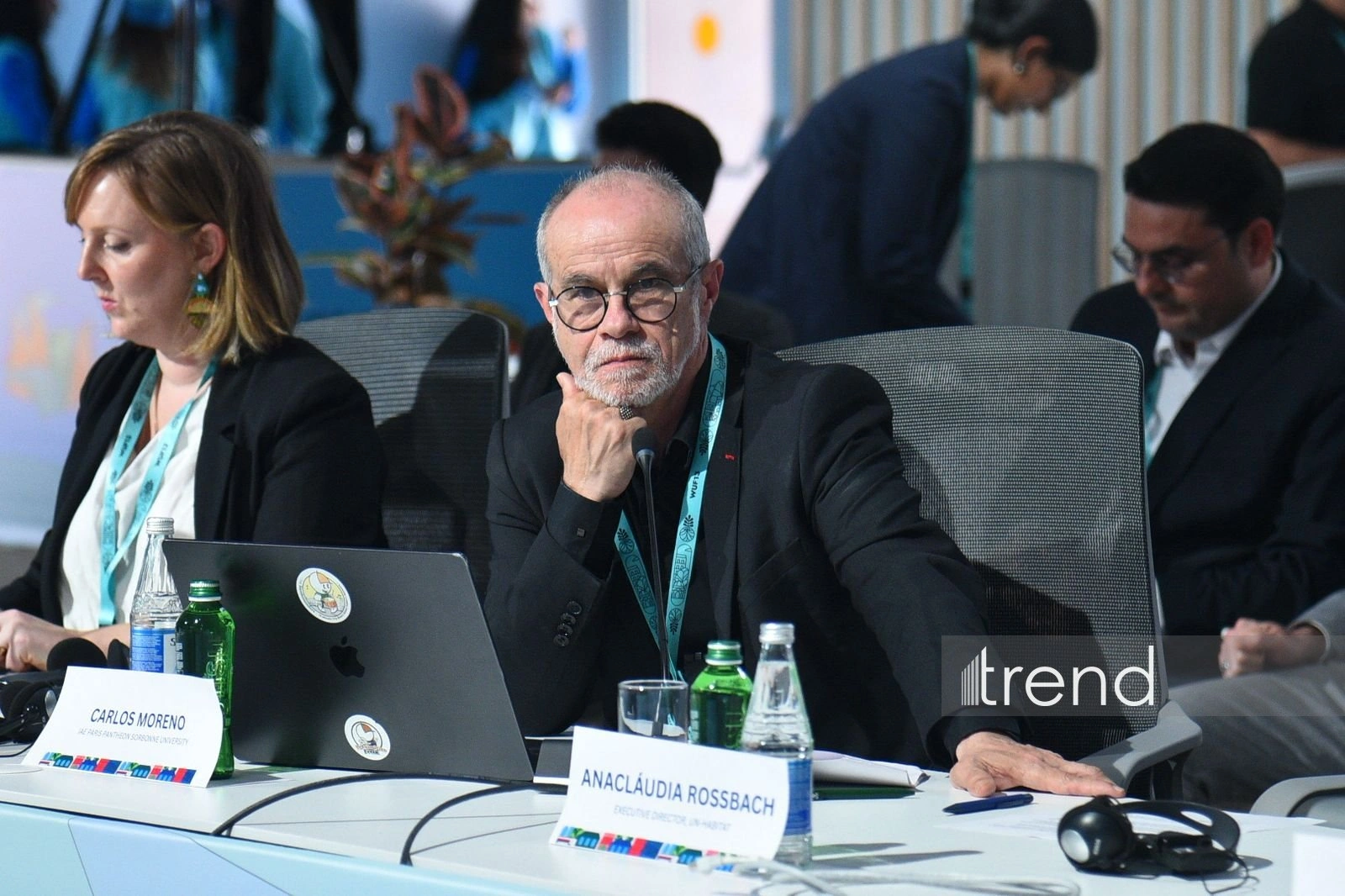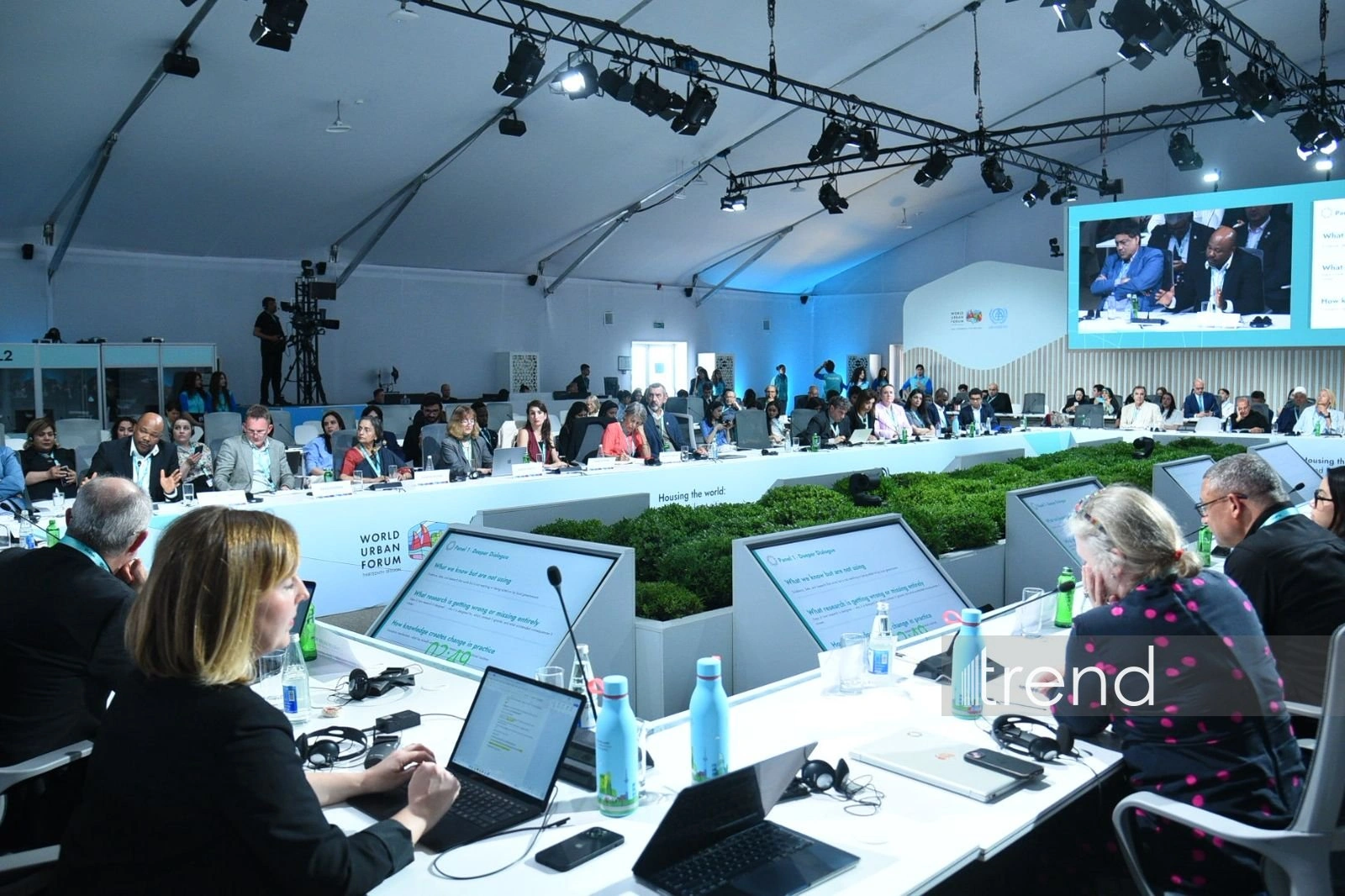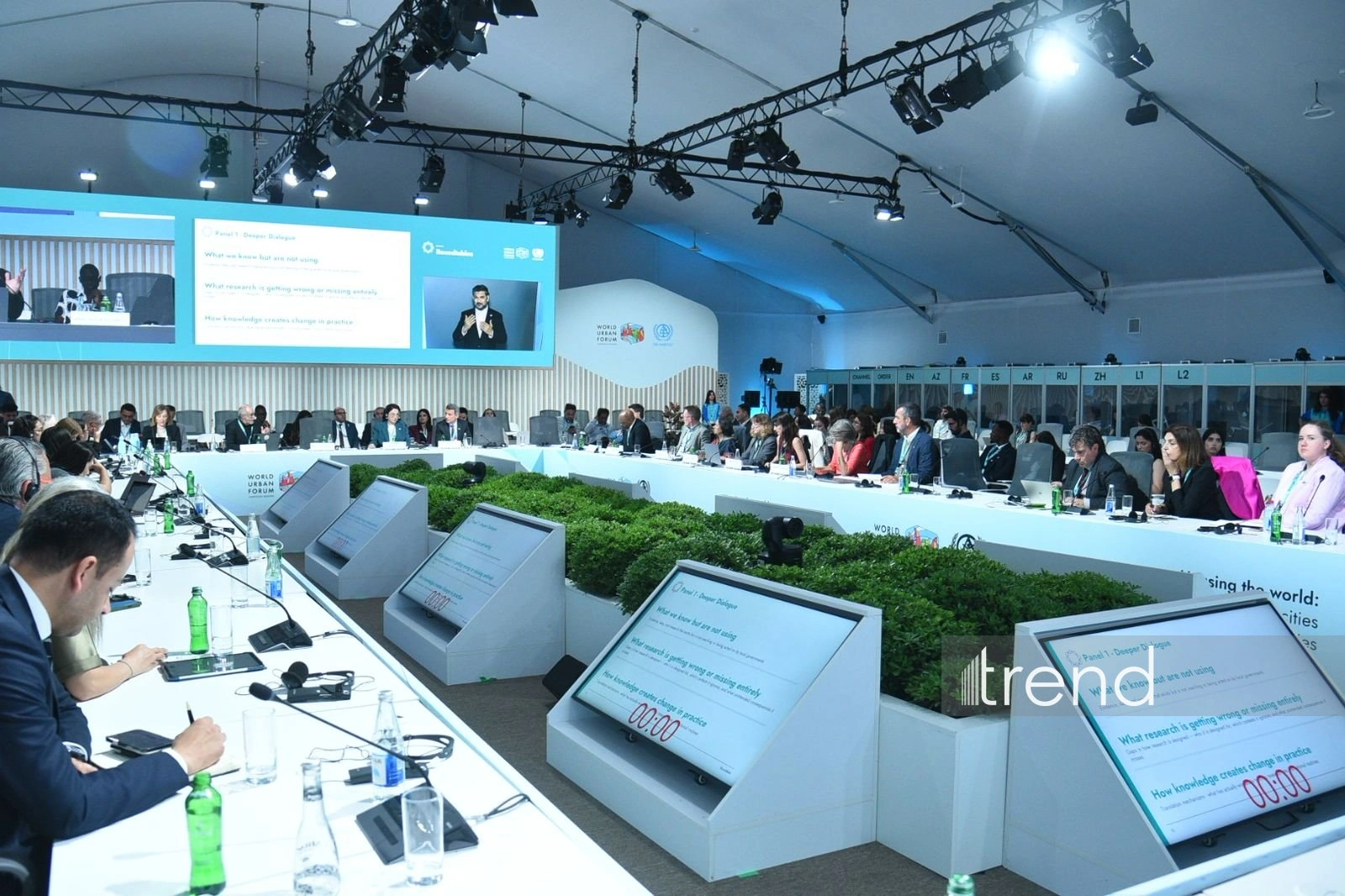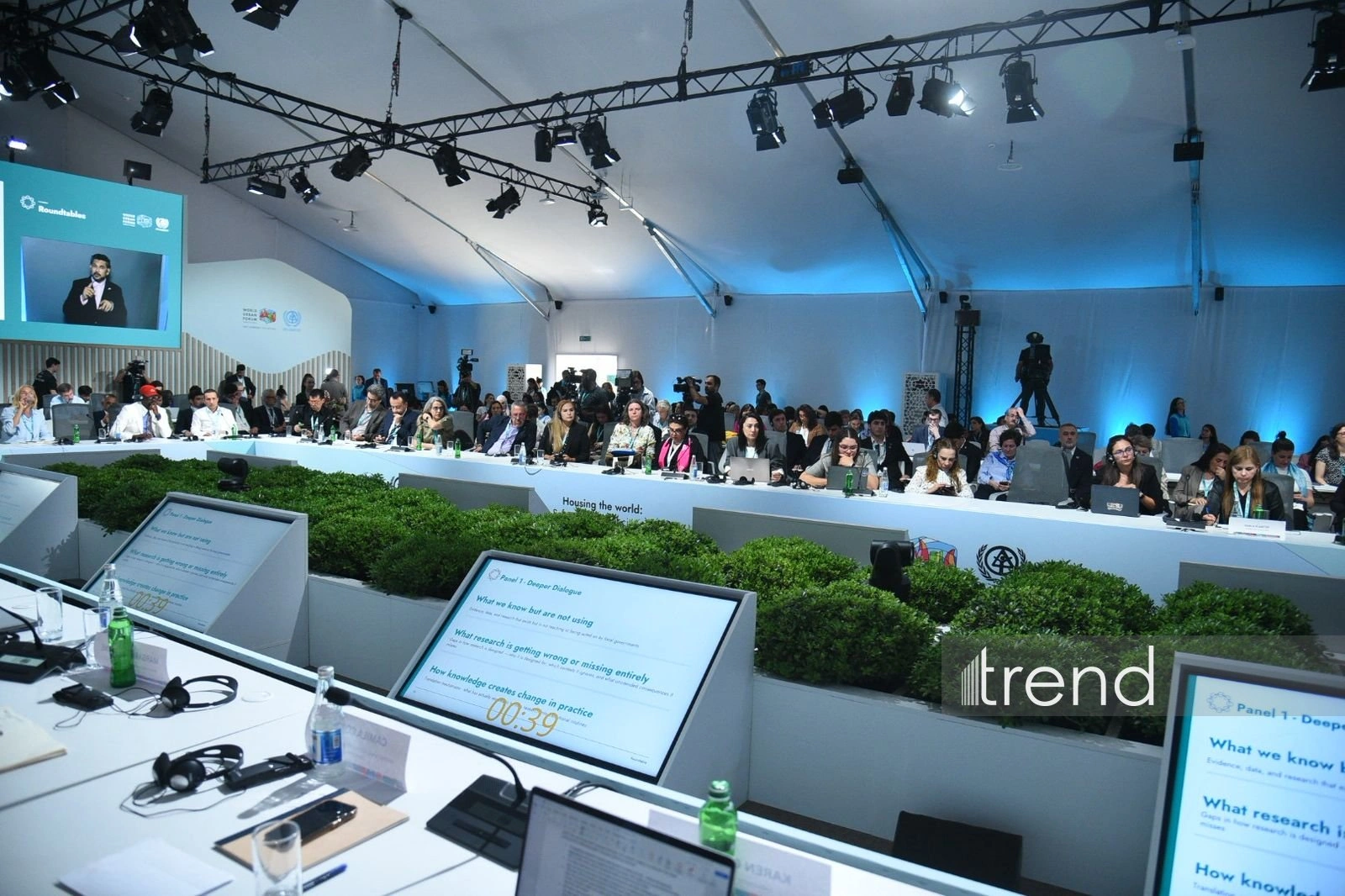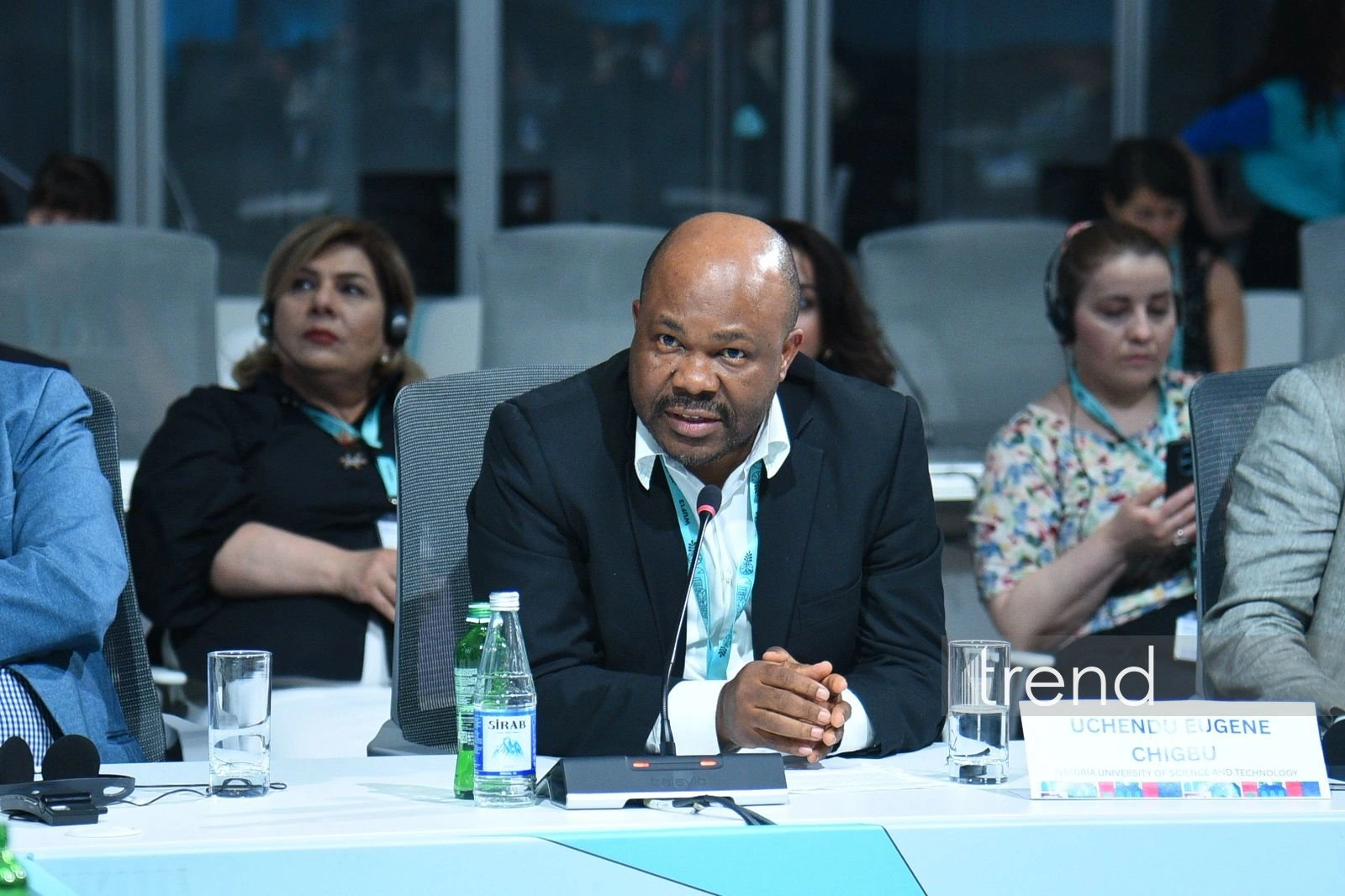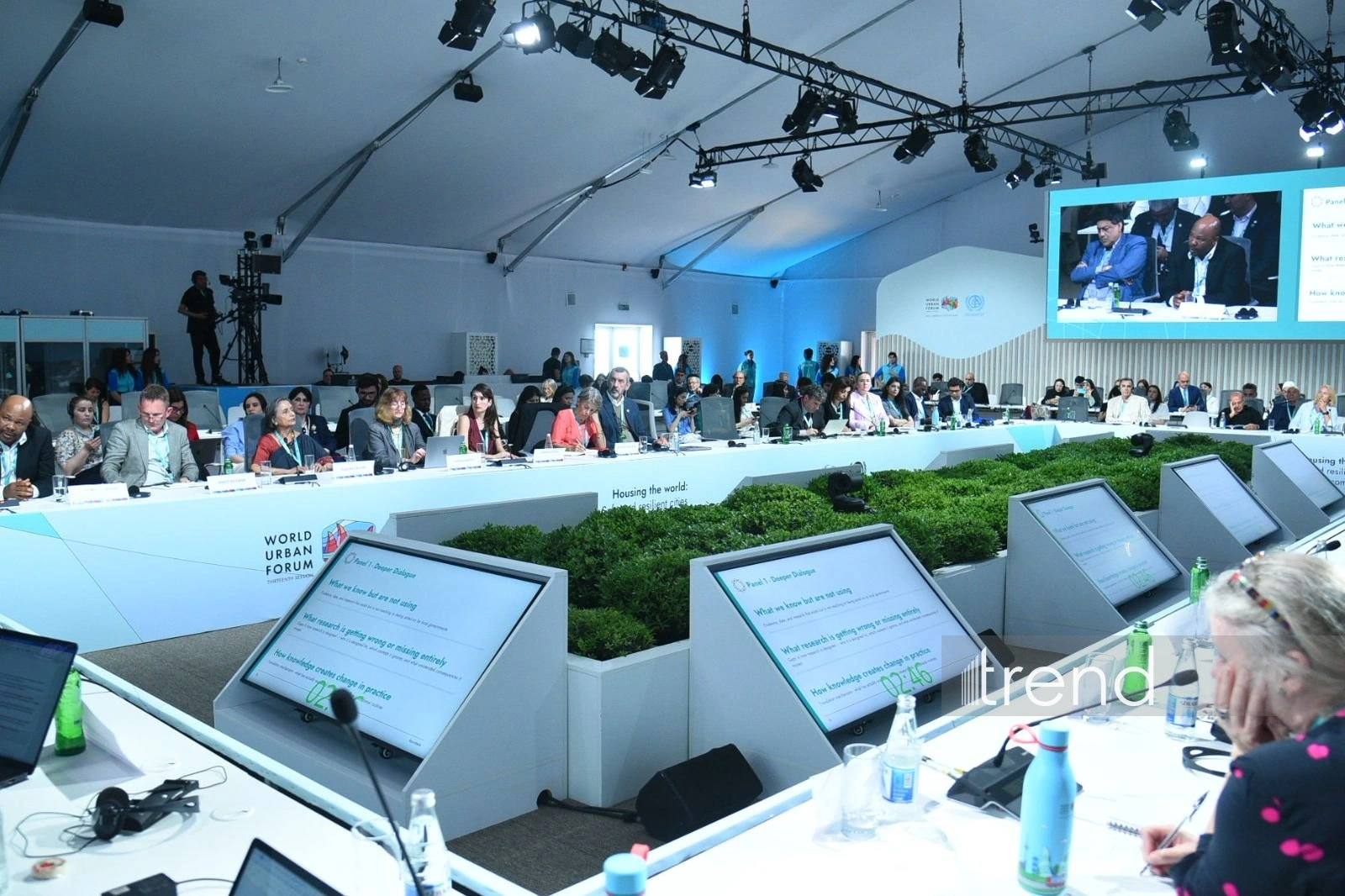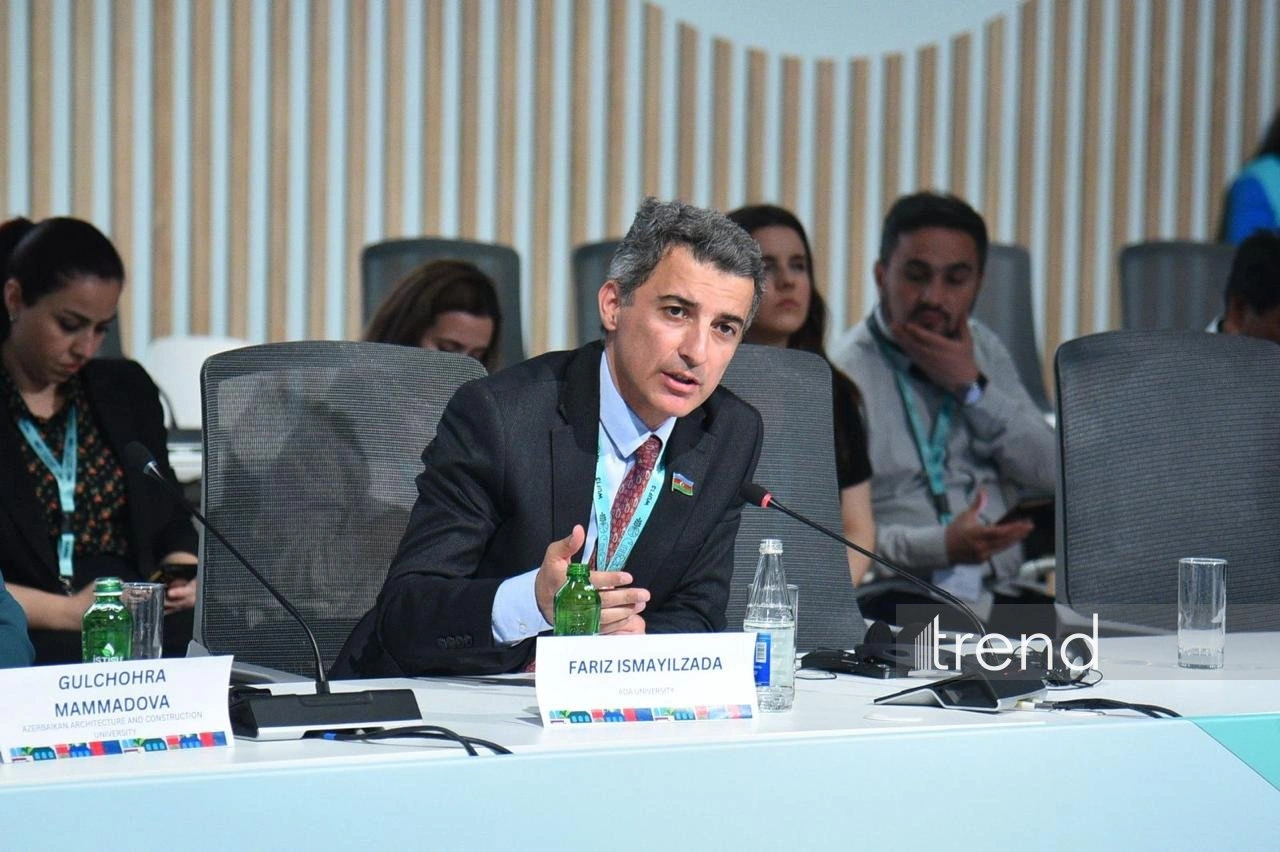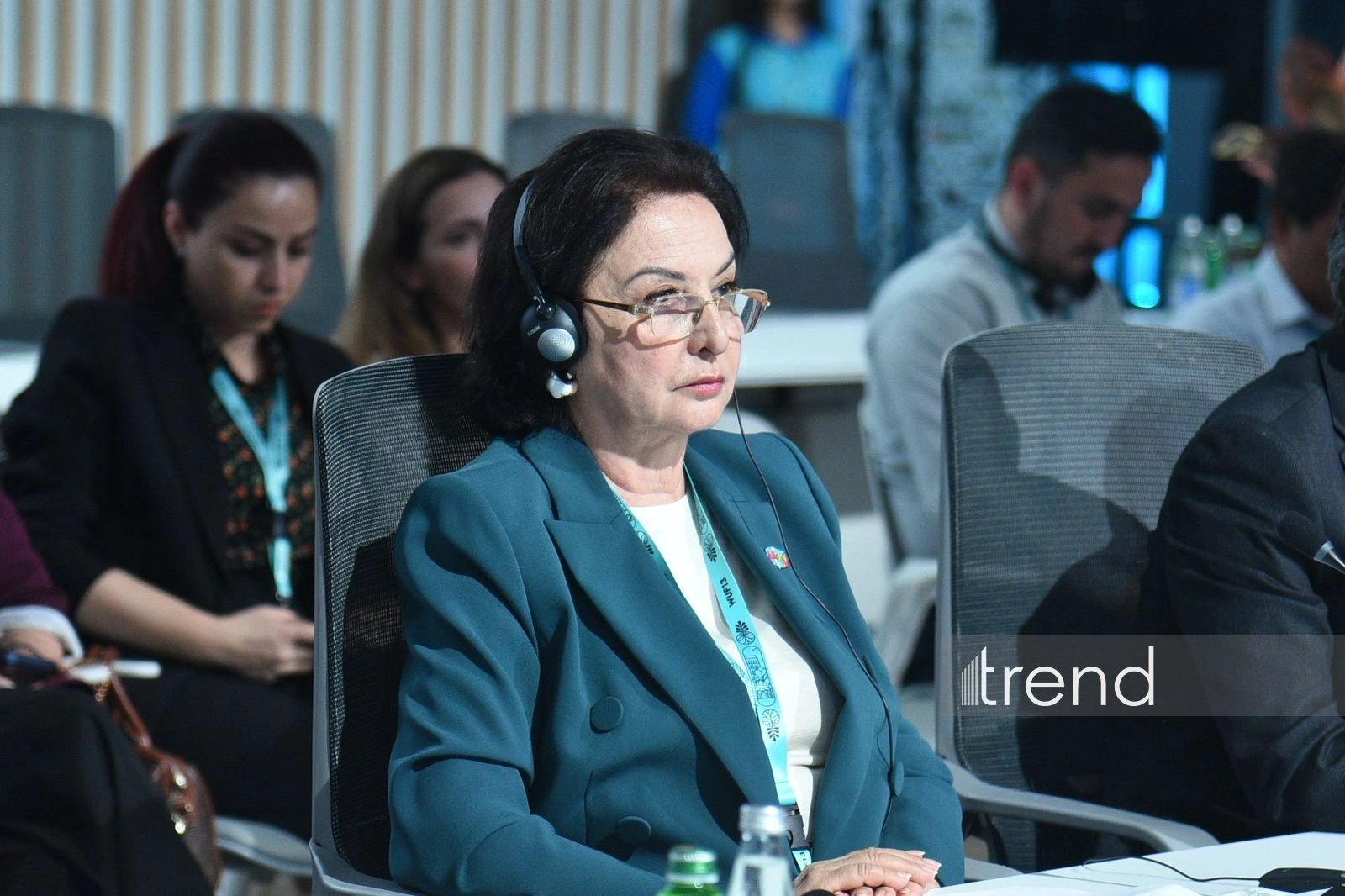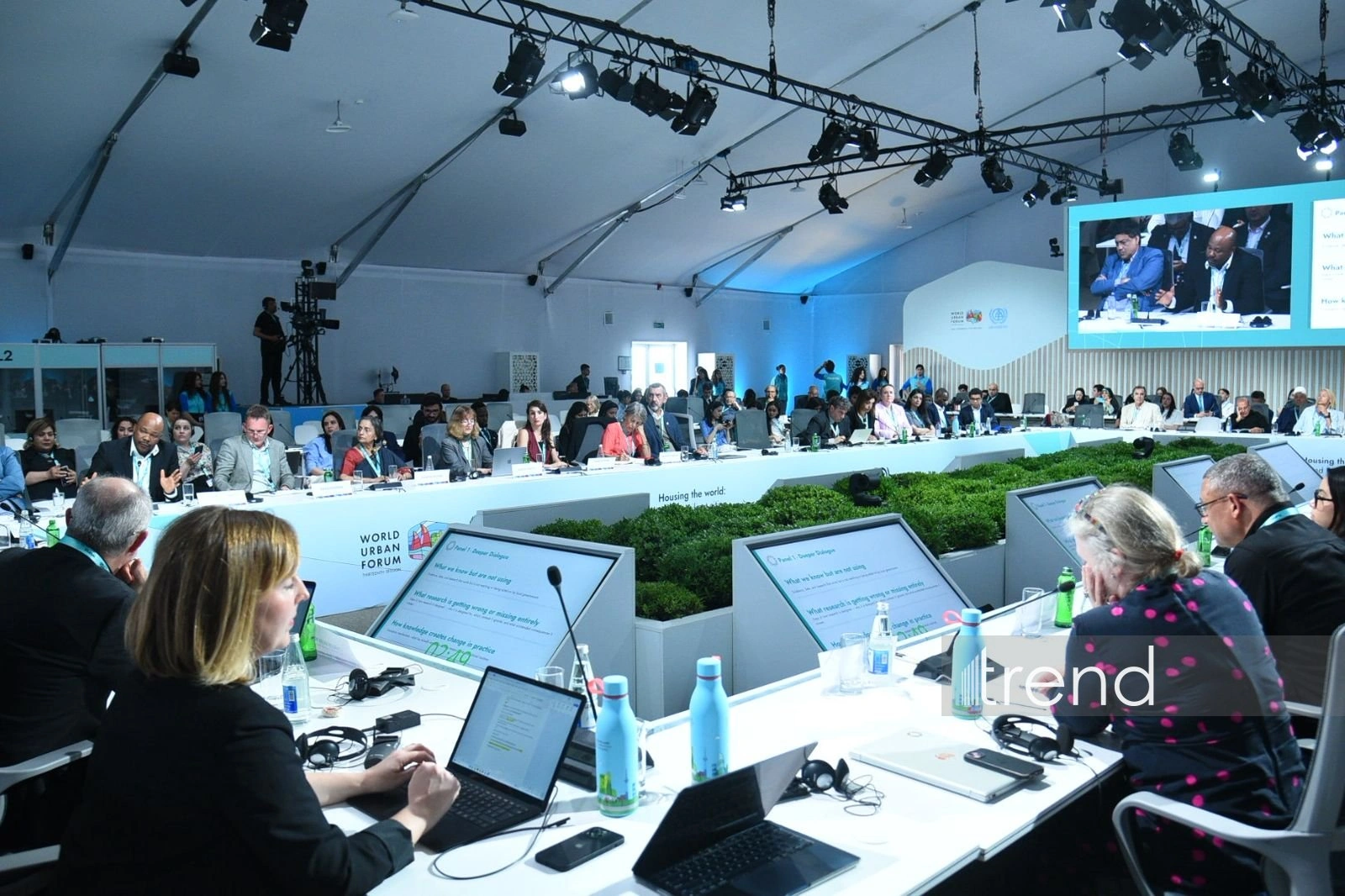
BAKU, Azerbaijan, May 21. An international
roundtable discussion on the topic of “Education and Professional
Training” was held as part of the 13th session of the United
Nations World Urban Forum (WUF13), Trend reports.
The event brought together scholars, urban planning experts,
researchers, and representatives of higher education institutions
from various countries to discuss modern education models,
interdisciplinary approaches, and professional training for
sustainable urban development.
During the discussions, it was emphasized that rapid
urbanization, climate change, technological transformation, and
social challenges require the training of specialists with new
knowledge and skills in the field of urban studies. In this regard,
the expansion of interdisciplinary programs at universities, the
integration of theoretical knowledge with practical experience, and
the strengthening of international cooperation were identified as
key priorities.
Participants in the discussion noted that the development of
modern cities is not limited to architectural and engineering
solutions. It is important to take social, economic, environmental,
and technological factors into account in the urban planning
process. Therefore, future professionals must be able to
collaborate with representatives from various fields and apply
comprehensive approaches to solving complex problems.
Experts addressing the event emphasized the importance of
integrating research findings into public policy and strengthening
cooperation between universities, government agencies, and local
communities. It was noted that scientific research should not be
limited to academic publications but should also contribute to the
development of practical solutions and the decision-making
process.
The discussions also addressed the use of digital technologies,
artificial intelligence, big data analysis, and data visualization
tools in urban planning education. It was noted that these
technologies create new opportunities for more effective urban
planning and management.
The roundtable featured presentations on the experiences of
various countries, as well as an exchange of views on the
importance of people-centered approaches in urban planning and
housing policy, sustainable transportation systems, environmental
issues, and the shaping of cities of the future.
Participants unanimously declared that expanding cooperation
among educational institutions, government agencies, the private
sector, and civil society, as well as strengthening the training of
professionals who meet modern requirements, is of particular
importance for building sustainable and inclusive cities.
Today marks the fifth day of WUF13 in Baku.
The first day included a ministerial meeting dedicated to the
New Urban Agenda, a ministerial roundtable, assemblies for women
and civil society, business sessions, and discussions on urban
prosperity. An official ceremony marking the raising of the UN and
Azerbaijani flags also took place.
The second day stood out for the inaugural Leaders' Summit,
featuring high-level discussions on the global housing crisis,
urbanization policy, and urban resilience. Concurrently, the
opening of the Mexico City pavilion took place, serving as a
significant platform for expanding cooperation with the Latin
American region and preparing for WUF14.
The third day of WUF13 featured a comprehensive program of
events covering the global housing crisis, the formation of safe
and inclusive cities, climate resilience, artificial intelligence
and urban governance, green urbanization, social equity, and
sustainable transport.
One of the highlights of the third day was the signing of a
sister-city memorandum between the Azerbaijani city of Shusha and
the Turkish city of Trabzon.
The fourth day of WUF13 featured a broad program of events
dedicated to urbanization, climate change, inclusive urban
development, housing policy, and sustainable governance.
One of the important events of the UN Special Program for the
Economies of Central Asia (SPECA) Cities Forum, held on the fourth
day, was the announcement of Almaty’s official accession to the
“Declaration of Intent on the Establishment of the SPECA Smart
Climate-Resilient Cities Forum.”
Also, for the first time in WUF history and at Azerbaijan’s
initiative, the “WUF13 NGO Forum: Global Partnership and
Decision-Making” was held.
WUF13, which has attracted more than 40,000 registered
participants from 182 countries, will continue until May 22. Held
under the theme “Housing the world: Safe and resilient cities and
communities,” the forum brings together governments, international
organizations, experts, and representatives of civil society to
strengthen global cooperation in the field of sustainable urban
development.