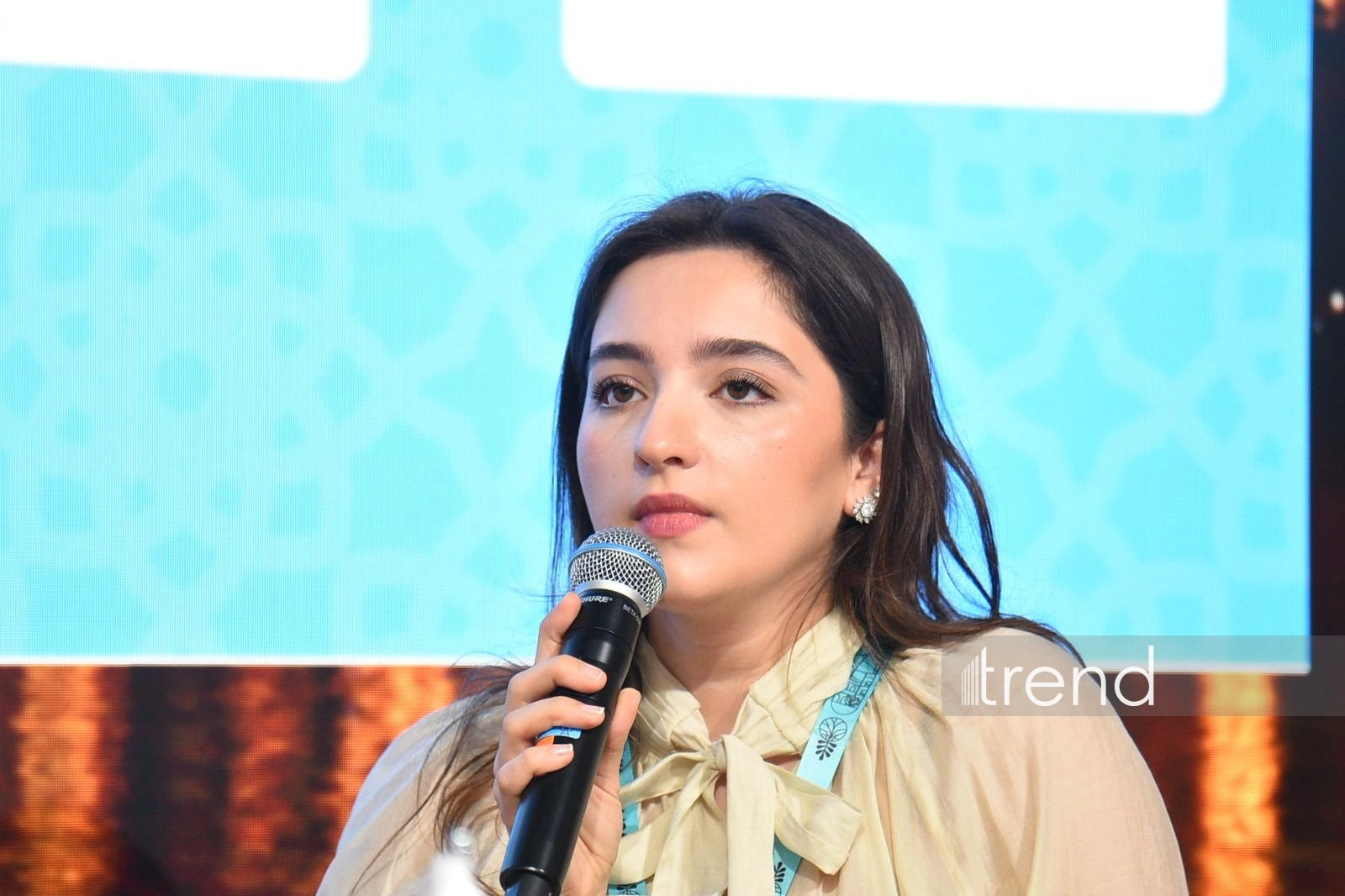
BAKU, Azerbaijan, May 21. The younger
generation must transcend basic symbolic representation at
negotiations to hold active decision-making authority in executive
pipelines, Leyla Hasanova, Chairperson of the Non-Aligned Movement
(NAM) Youth Organization and COP29 Youth Climate Champion, said,
Trend reports.
Hasanova made the remark during an event titled "Youth and Civil
Society Leadership in Advancing Sustainable and Inclusive Cities"
held within the framework of the 13th session of the World Urban
Forum (WUF13) in Baku.
"Young people, not only from the Global South but from across
the planet—operate primarily as essential bridge builders. They
consistently build structural connections between distinct
communities, broader societies, diverse cultures, and other vital
aspects of civic life. Consequently, institutional architects must
ensure that engagement with youth initiates at the earliest
possible phase of development. Once final executive decisions
undergo official approval and regulatory policies enter into force,
the window for meaningful integration closes," Hasanova pointed
out.
She underscored that inviting youth to participate in governance
models requires moving past a passive framework where young
delegates function merely as silent listeners at the negotiating
table. True inclusion demands that institutional planners
systematically evaluate youth perspectives, consult with youth
networks during design phases, and build future urban frameworks
alongside them rather than abstractly for them.
Hasanova concluded by reiterating that during the drafting of
large-scale international strategies and the formulation of
macro-level municipal policies, the structural integration of the
youth community operates as a non-negotiable component of
successful governance.
Today marks the fifth day of WUF13 in Baku.
The first day included a ministerial meeting dedicated to the
New Urban Agenda, a ministerial roundtable, assemblies for women
and civil society, business sessions, and discussions on urban
prosperity. An official ceremony marking the raising of the UN and
Azerbaijani flags also took place.
The second day stood out for the inaugural Leaders' Summit,
featuring high-level discussions on the global housing crisis,
urbanization policy, and urban resilience. Concurrently, the
opening of the Mexico City pavilion took place, serving as a
significant platform for expanding cooperation with the Latin
American region and preparing for WUF14.
The third day of WUF13 featured a comprehensive program of
events covering the global housing crisis, the formation of safe
and inclusive cities, climate resilience, artificial intelligence
and urban governance, green urbanization, social equity, and
sustainable transport.
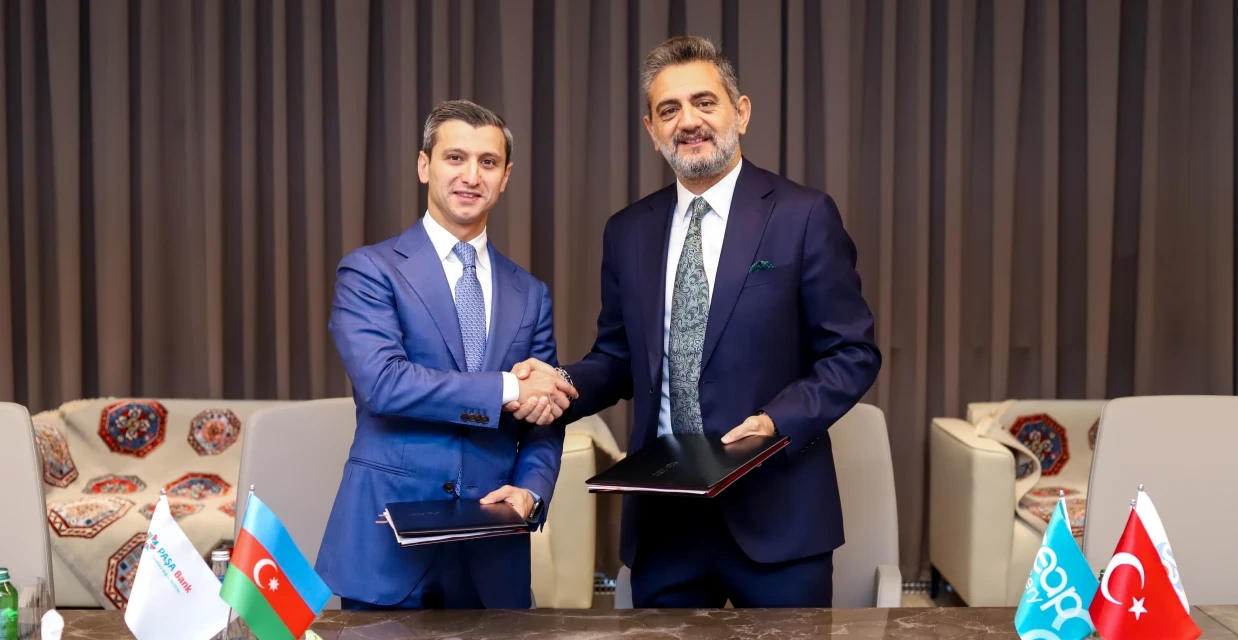
One of the highlights of the third day was the signing of a
sister-city memorandum between the Azerbaijani city of Shusha and
the Turkish city of Trabzon.
The fourth day of WUF13 featured a broad program of events
dedicated to urbanization, climate change, inclusive urban
development, housing policy, and sustainable governance.
One of the important events of the UN Special Program for the
Economies of Central Asia (SPECA) Cities Forum, held on the fourth
day, was the announcement of Almaty’s official accession to the
“Declaration of Intent on the Establishment of the SPECA Smart
Climate-Resilient Cities Forum.”
Also, for the first time in WUF history and at Azerbaijan’s
initiative, the “WUF13 NGO Forum: Global Partnership and
Decision-Making” was held.
WUF13, which has attracted more than 40,000 registered
participants from 182 countries, will continue until May 22. Held
under the theme “Housing the world: Safe and resilient cities and
communities,” the forum brings together governments, international
organizations, experts, and representatives of civil society to
strengthen global cooperation in the field of sustainable urban
development.