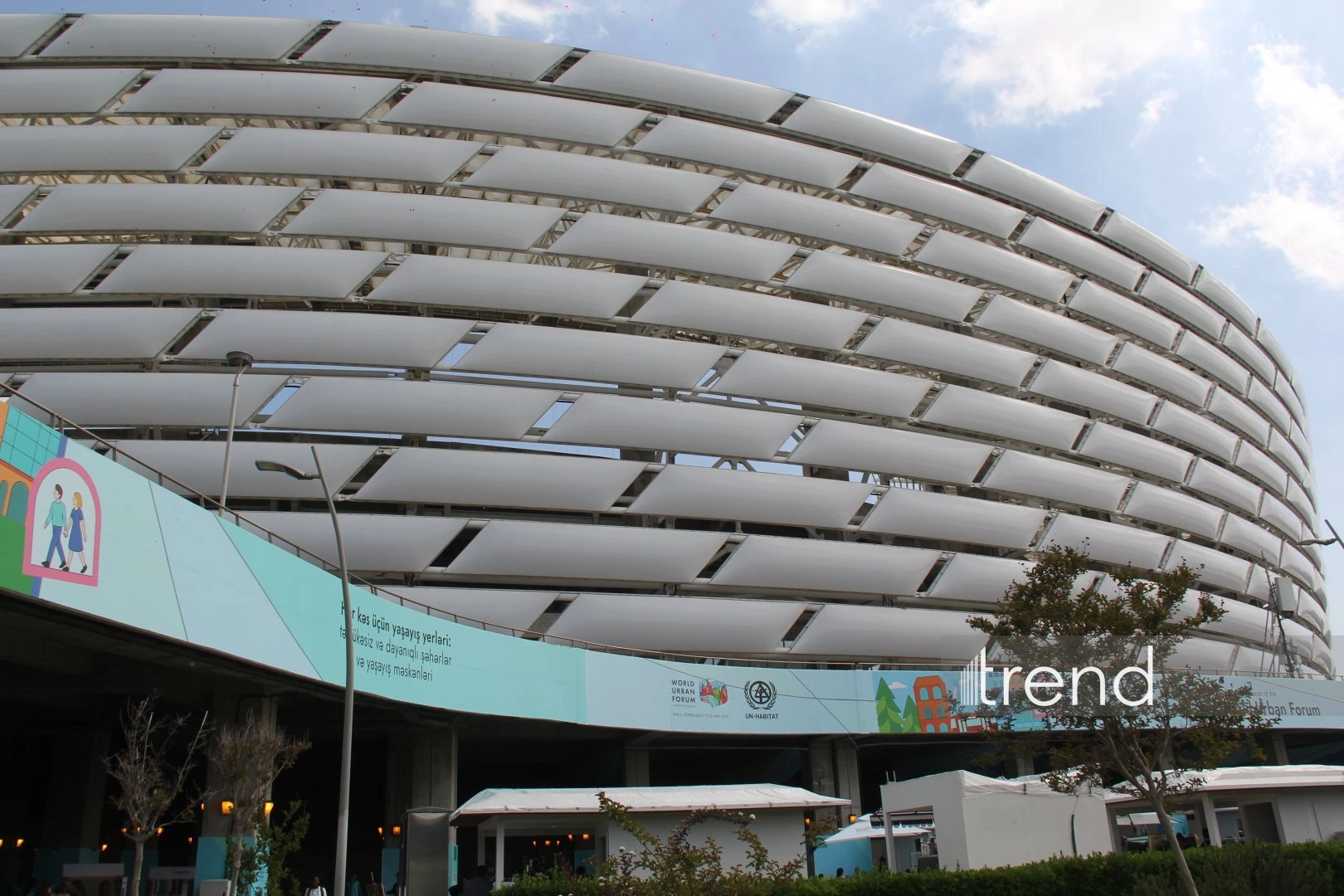
BAKU, Azerbaijan, May 21. The World Cities
Forum in Baku is not only a venue for discussions on urban
planning, architecture, and the cities of the future; it has also
created a vast cultural space where modern technology coexists with
art, music, and the national traditions of Azerbaijan and peoples
from around the world, Trend reports.
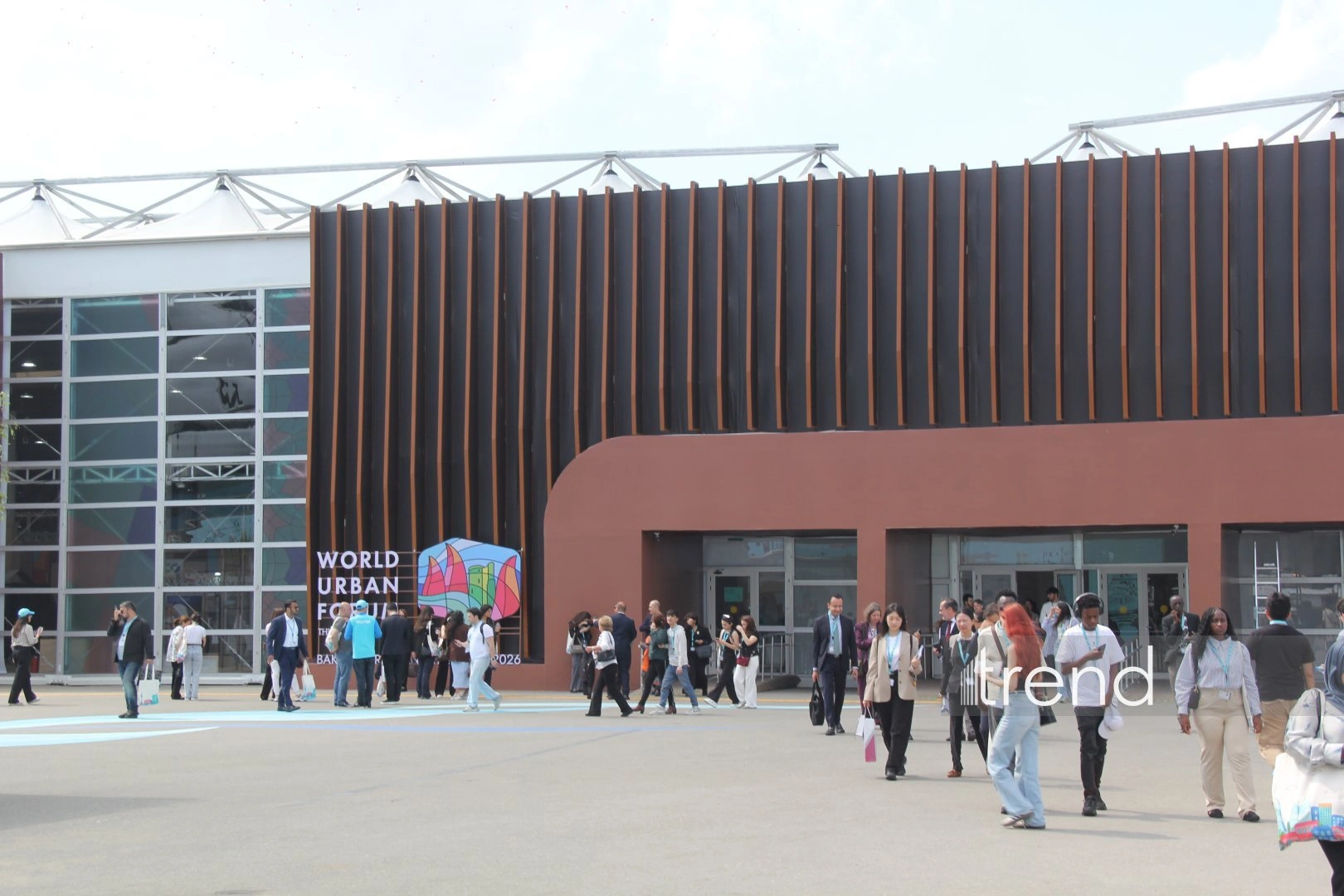
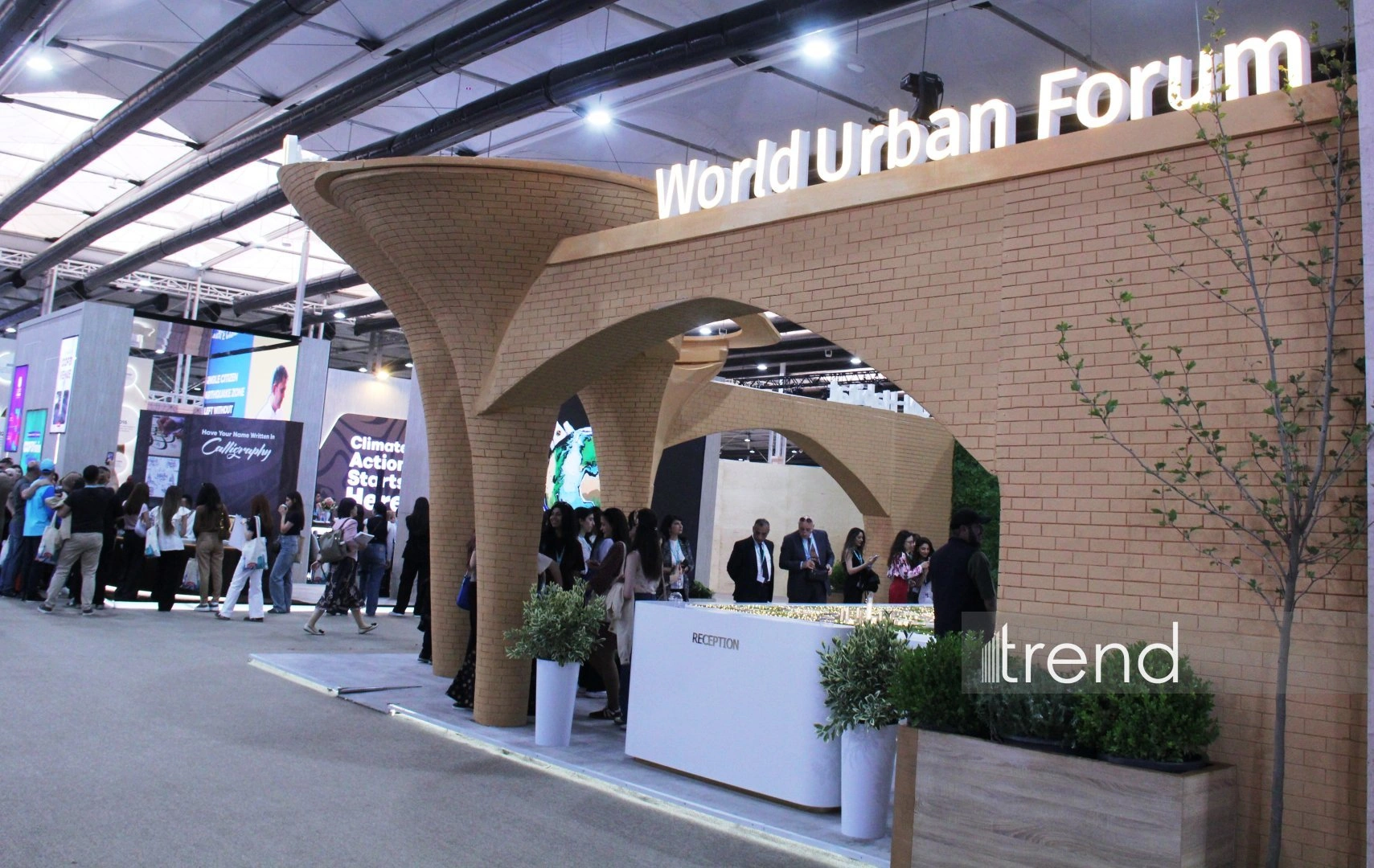
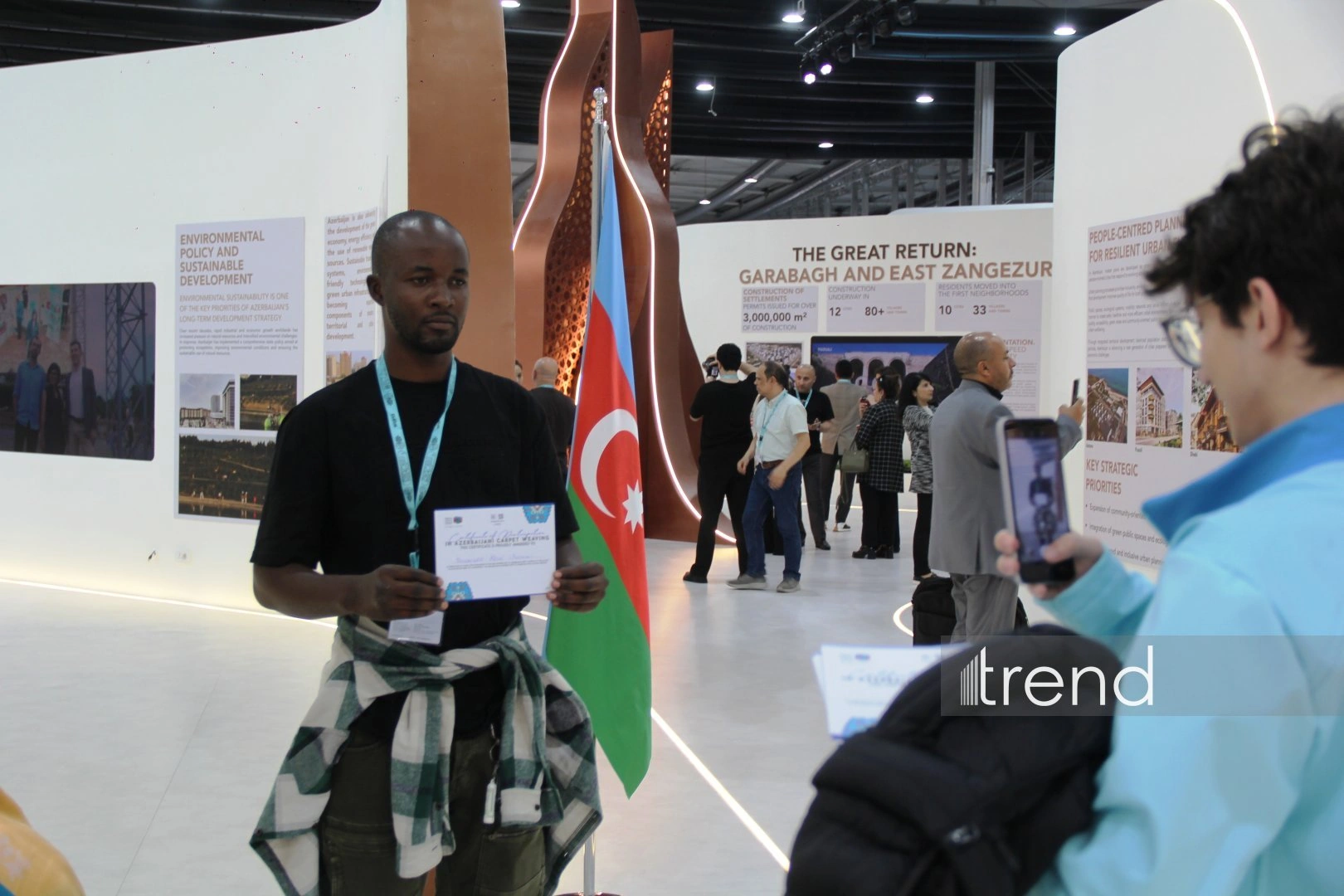
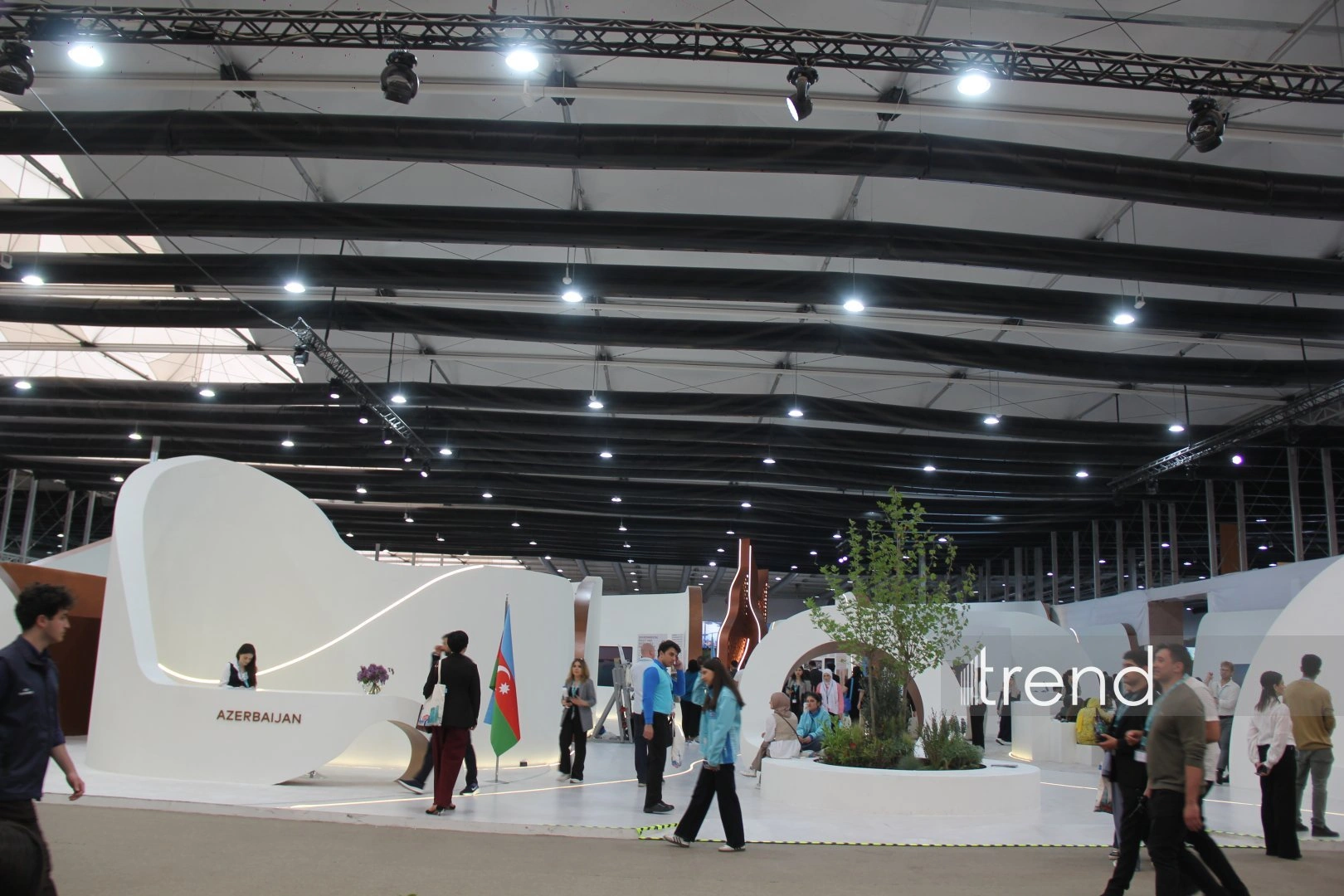
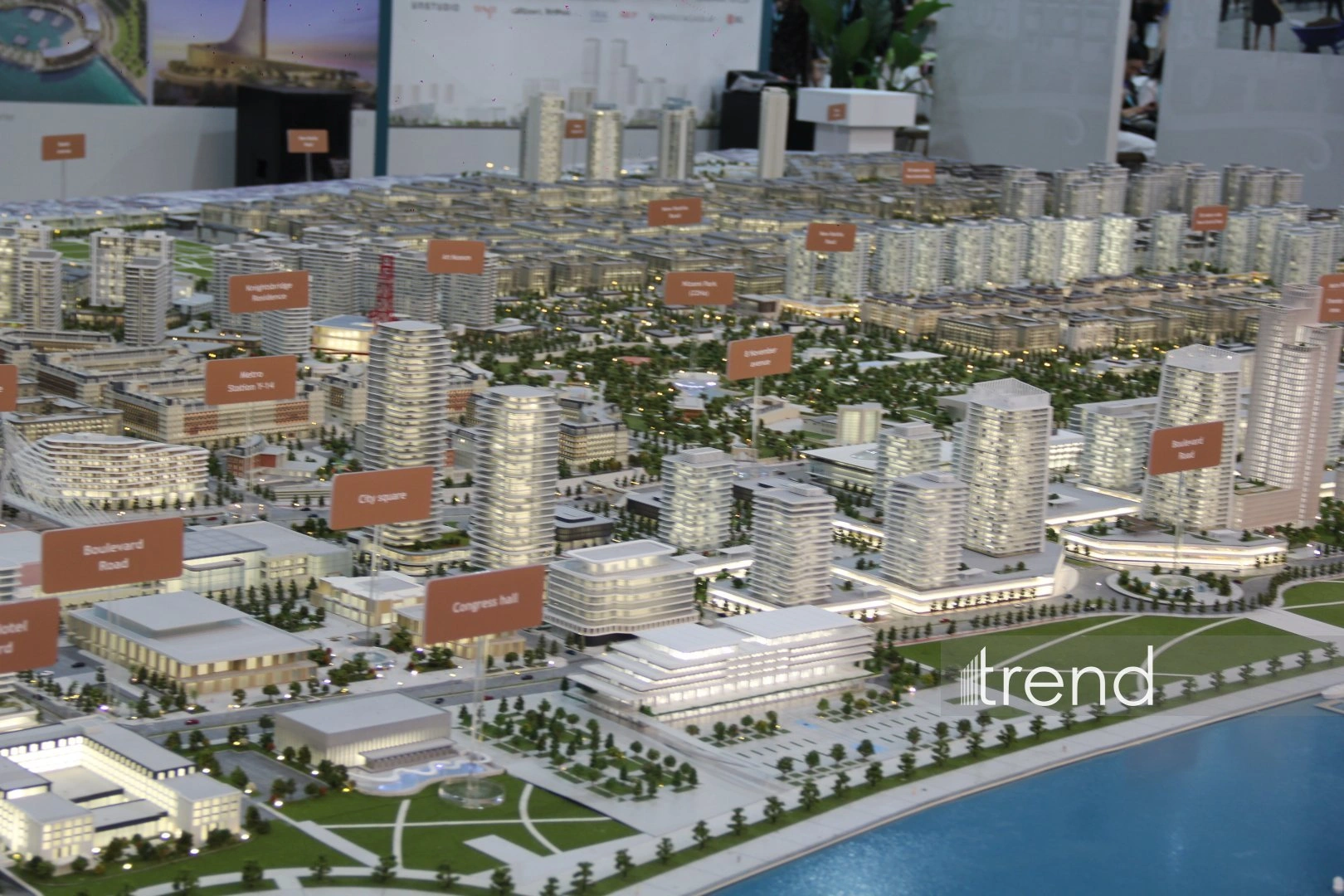
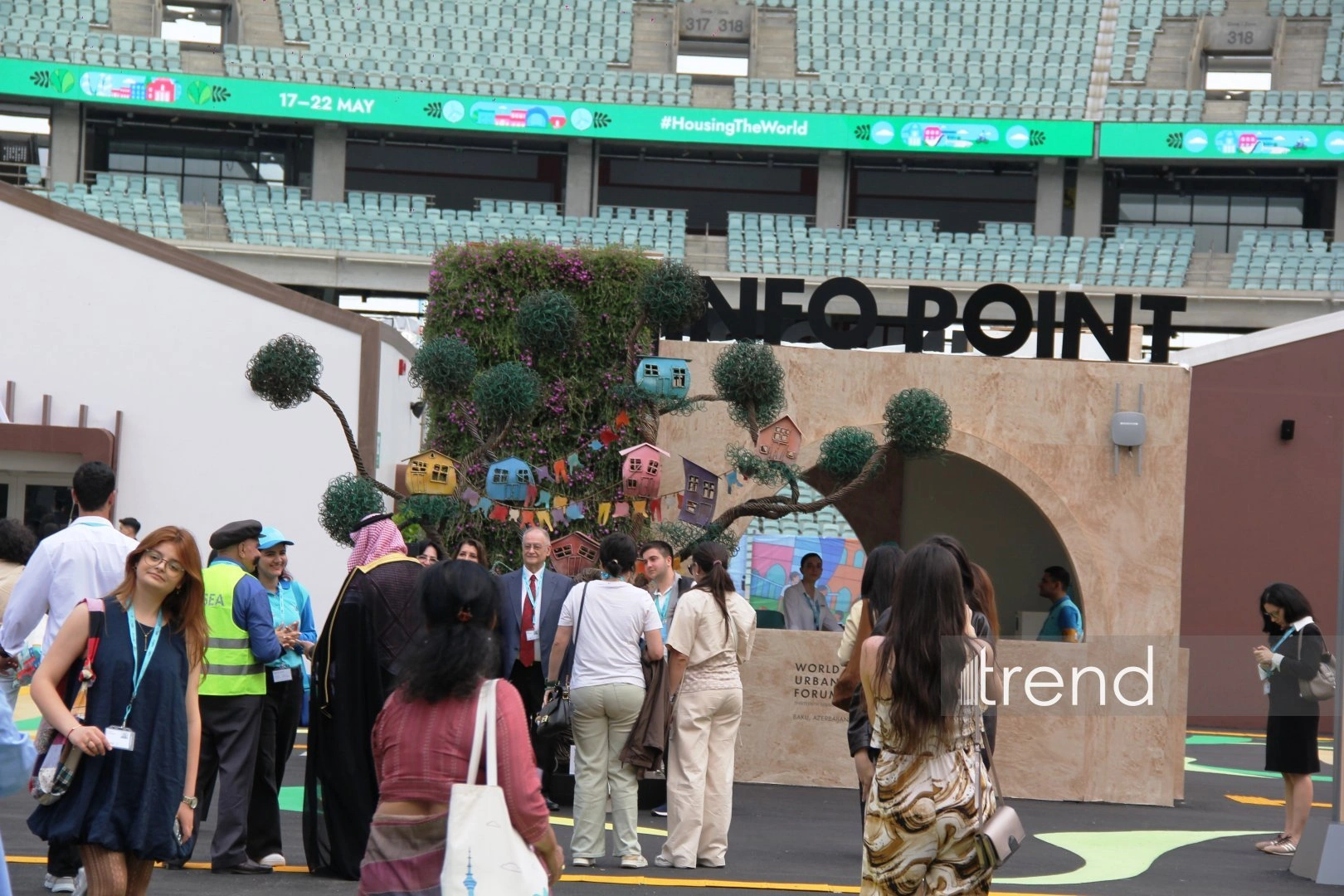
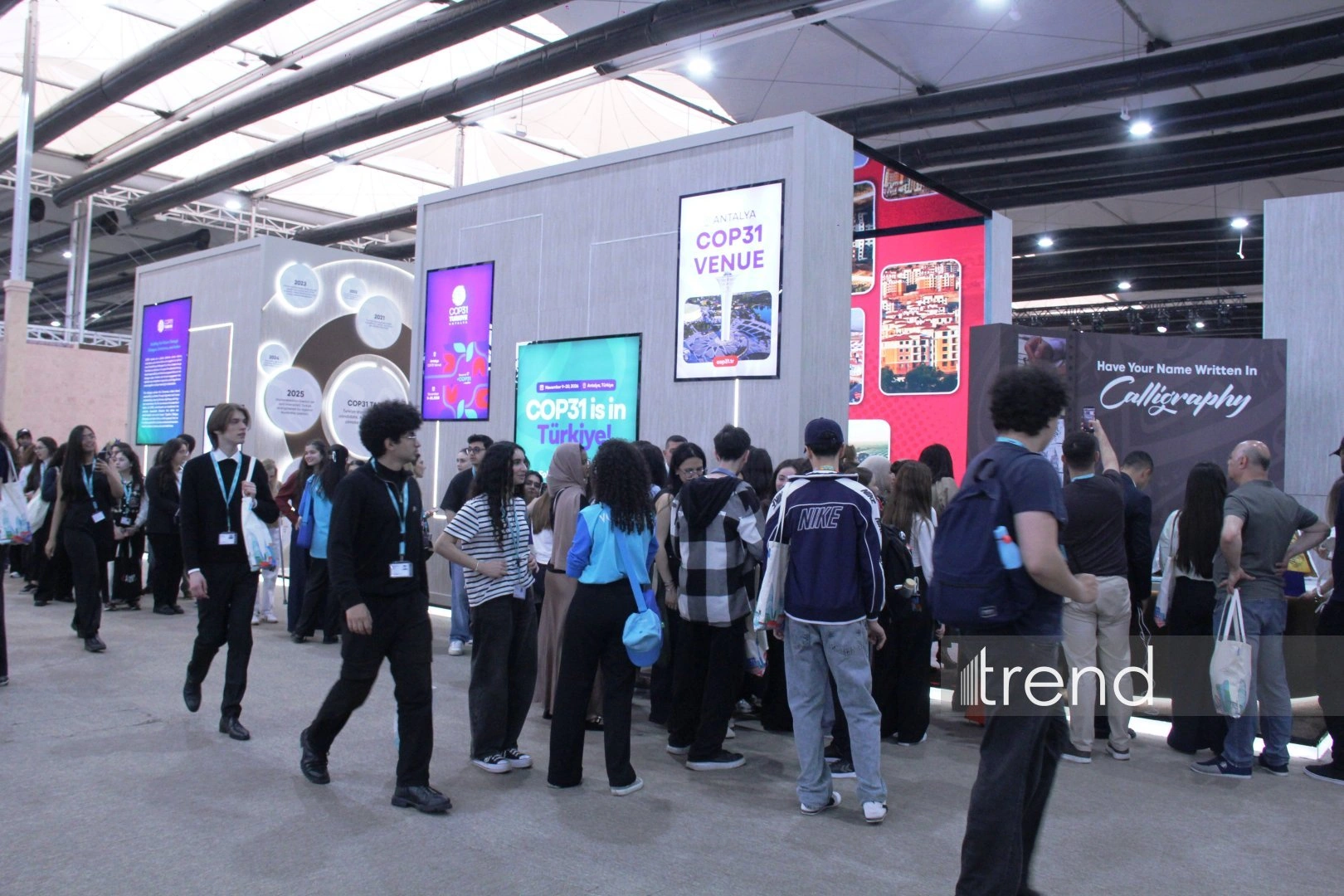
From the very first moments at Urban Expo, guests are drawn not
only to the futuristic pavilions but also to the rich artistic
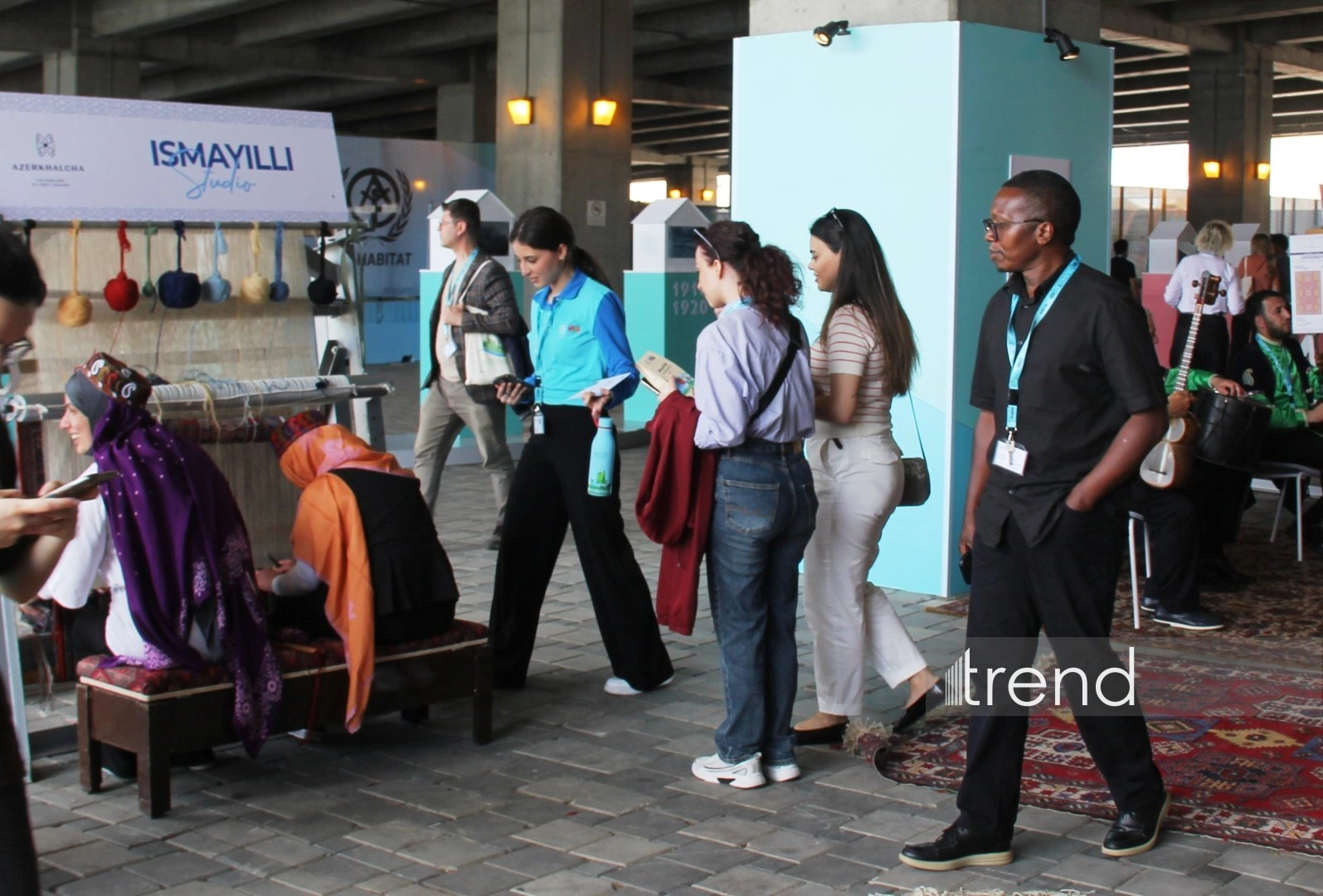
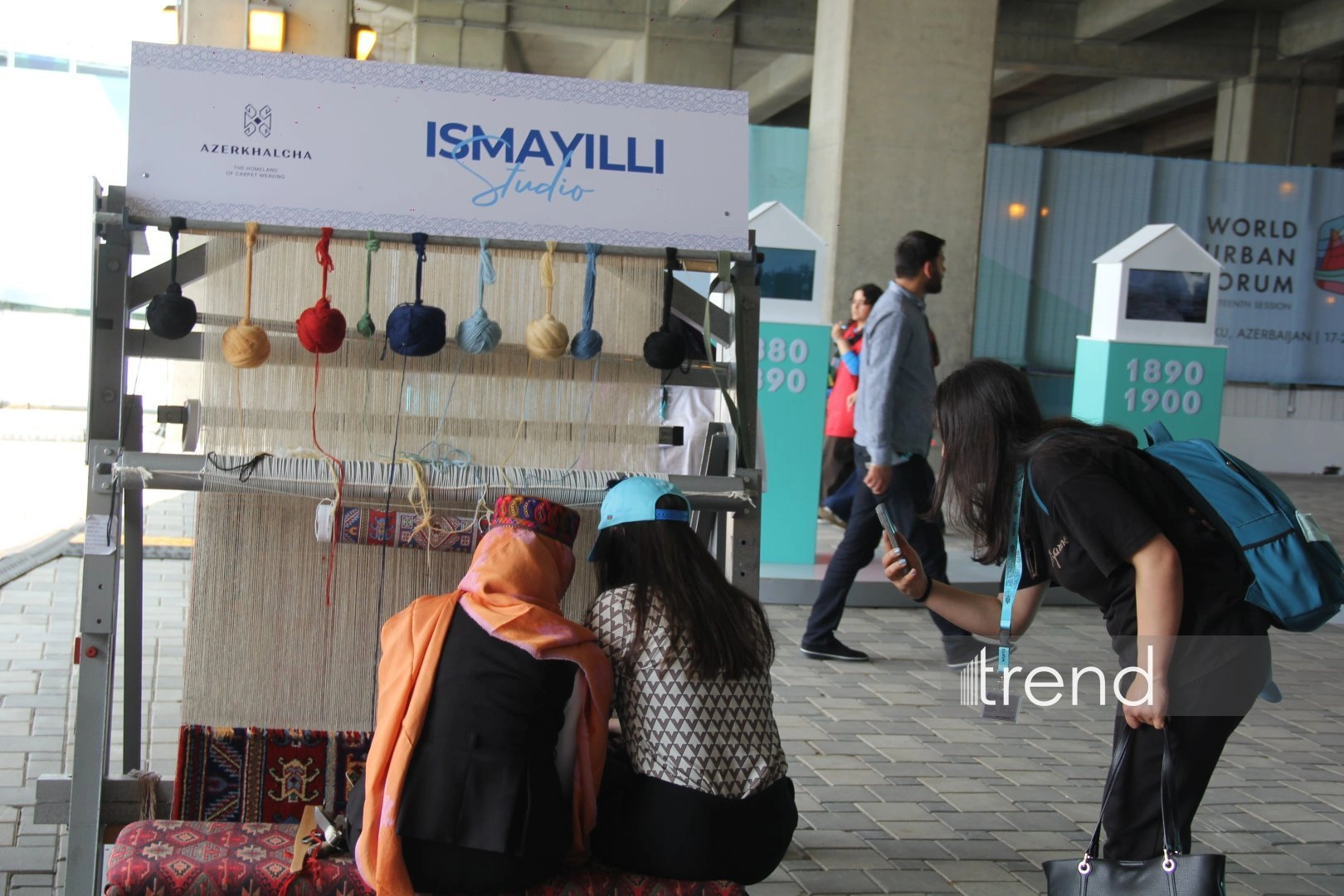
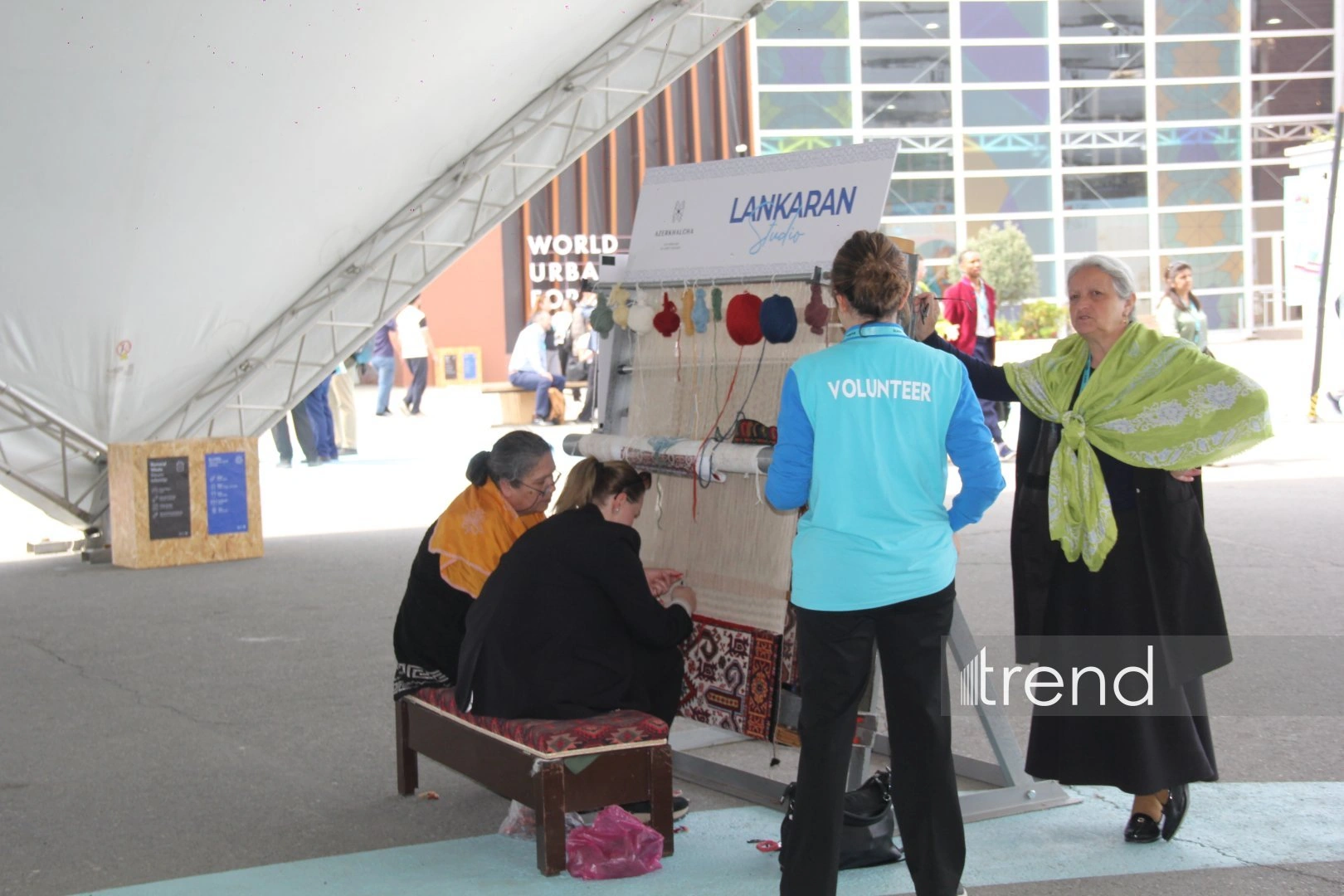
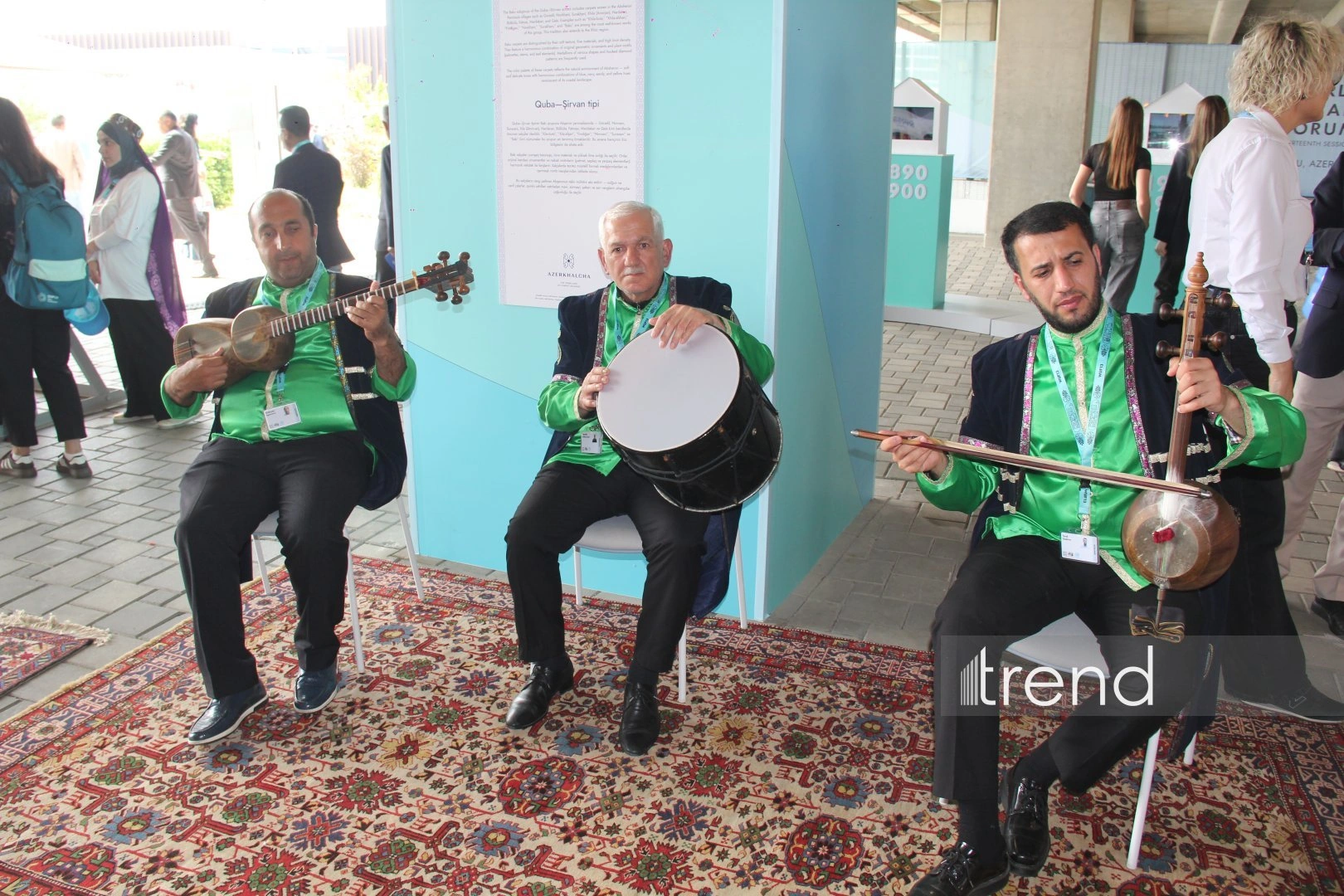
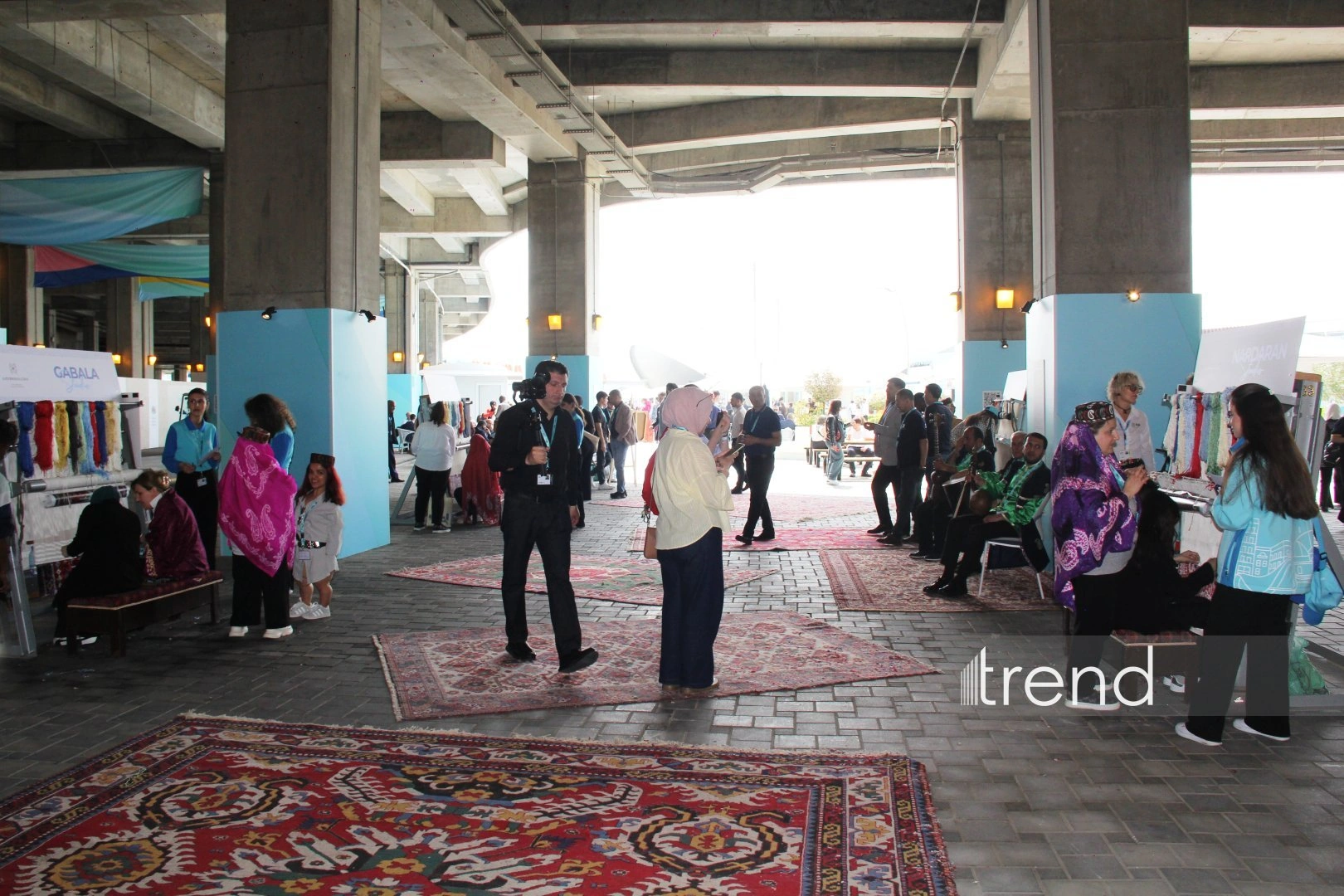
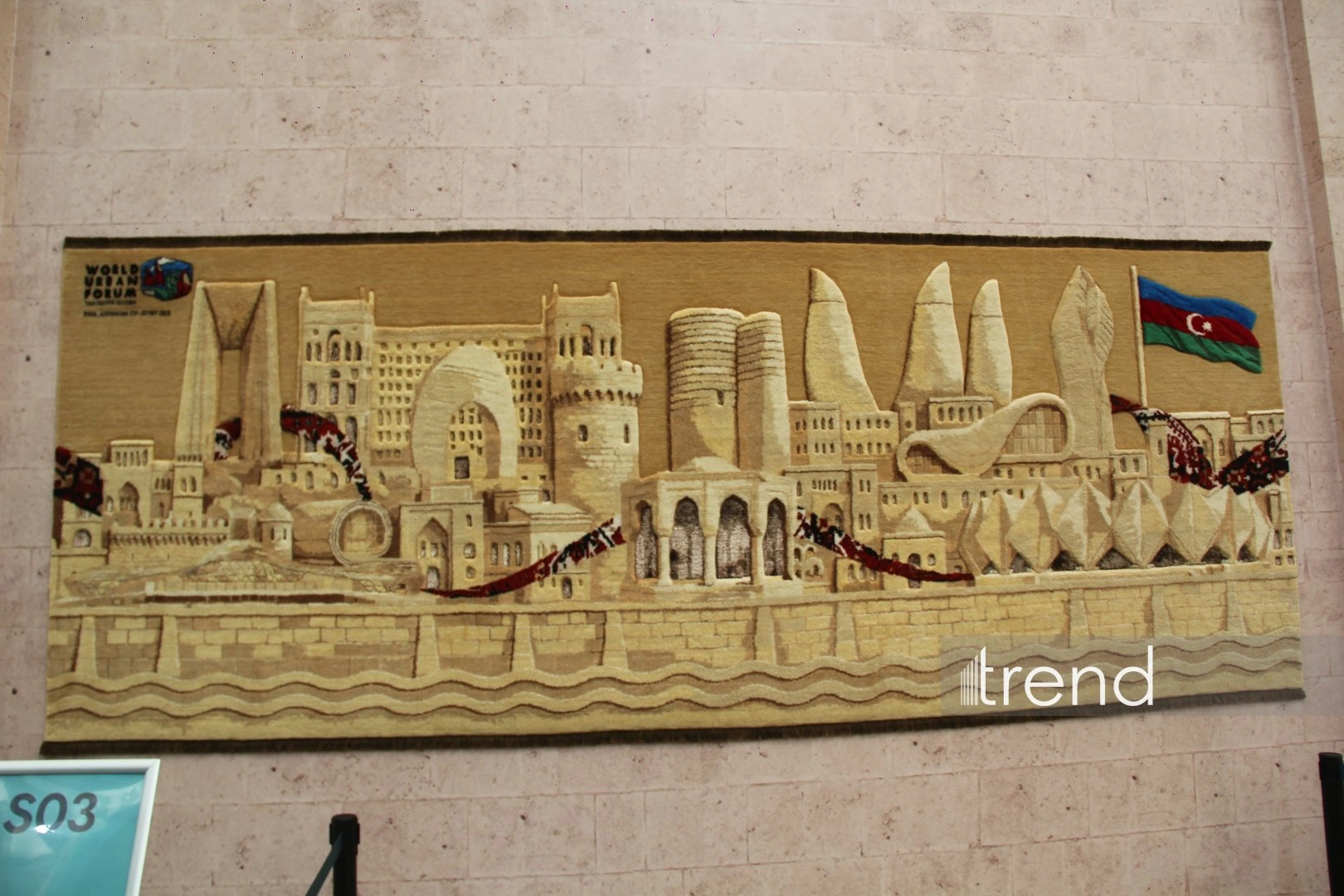
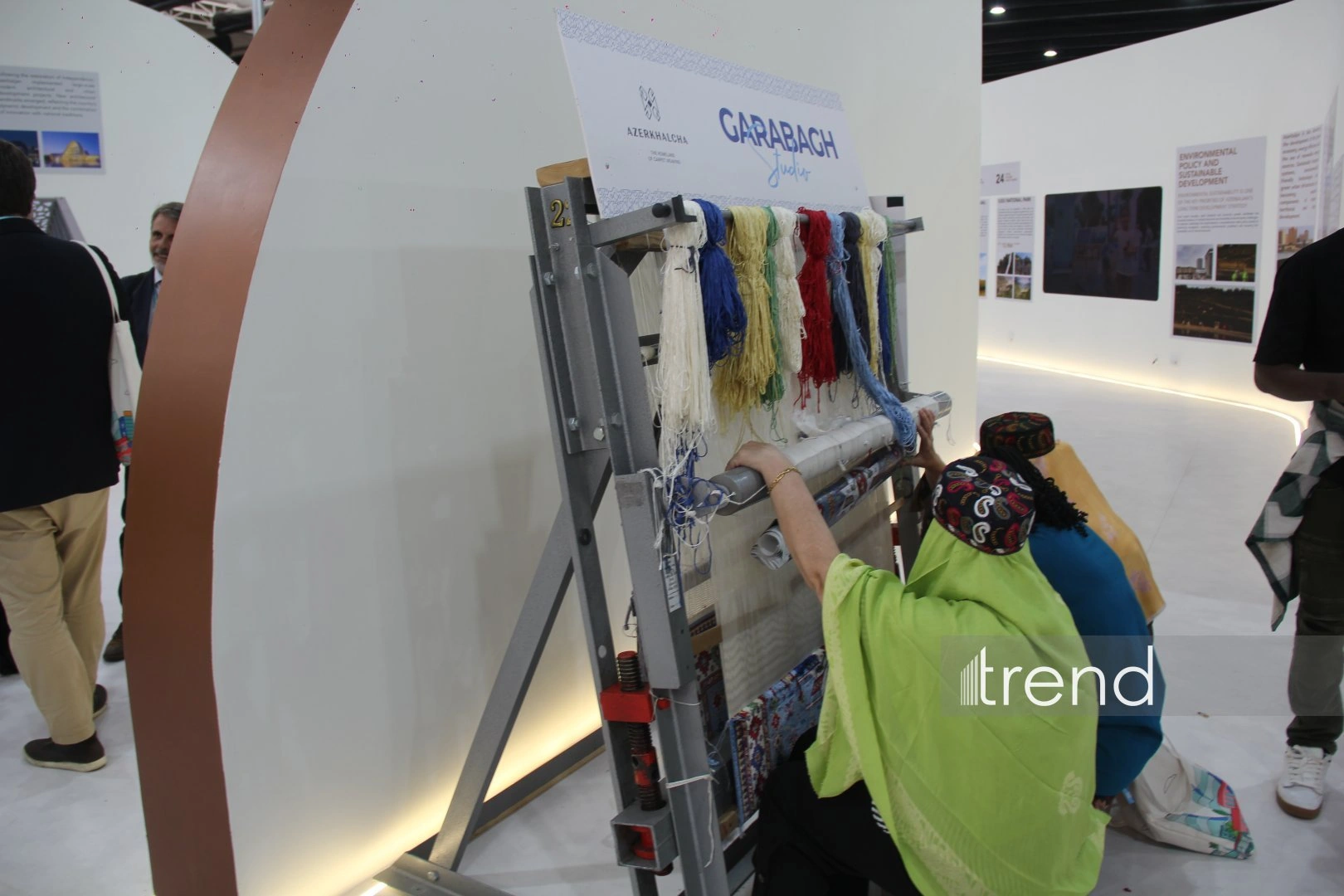
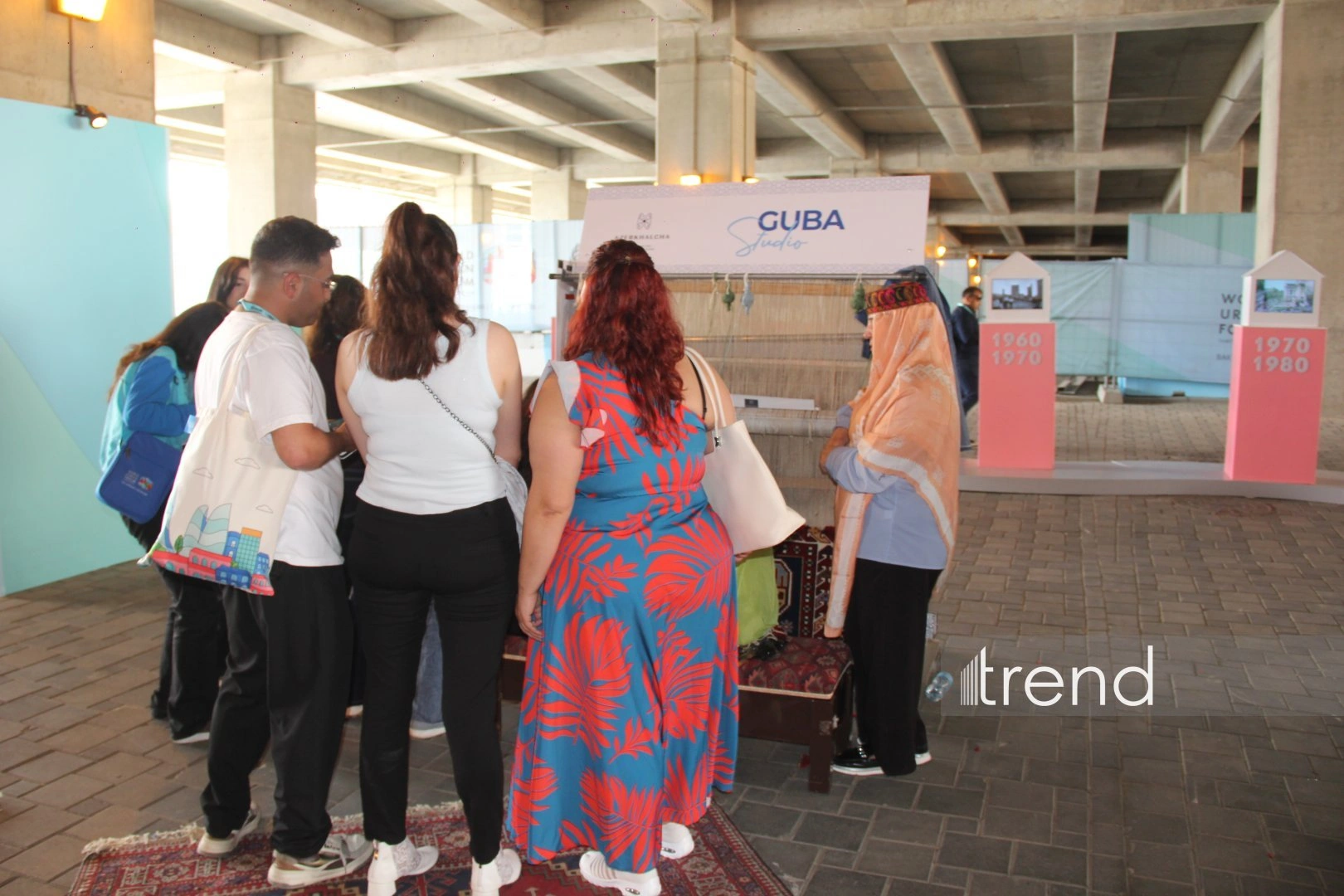
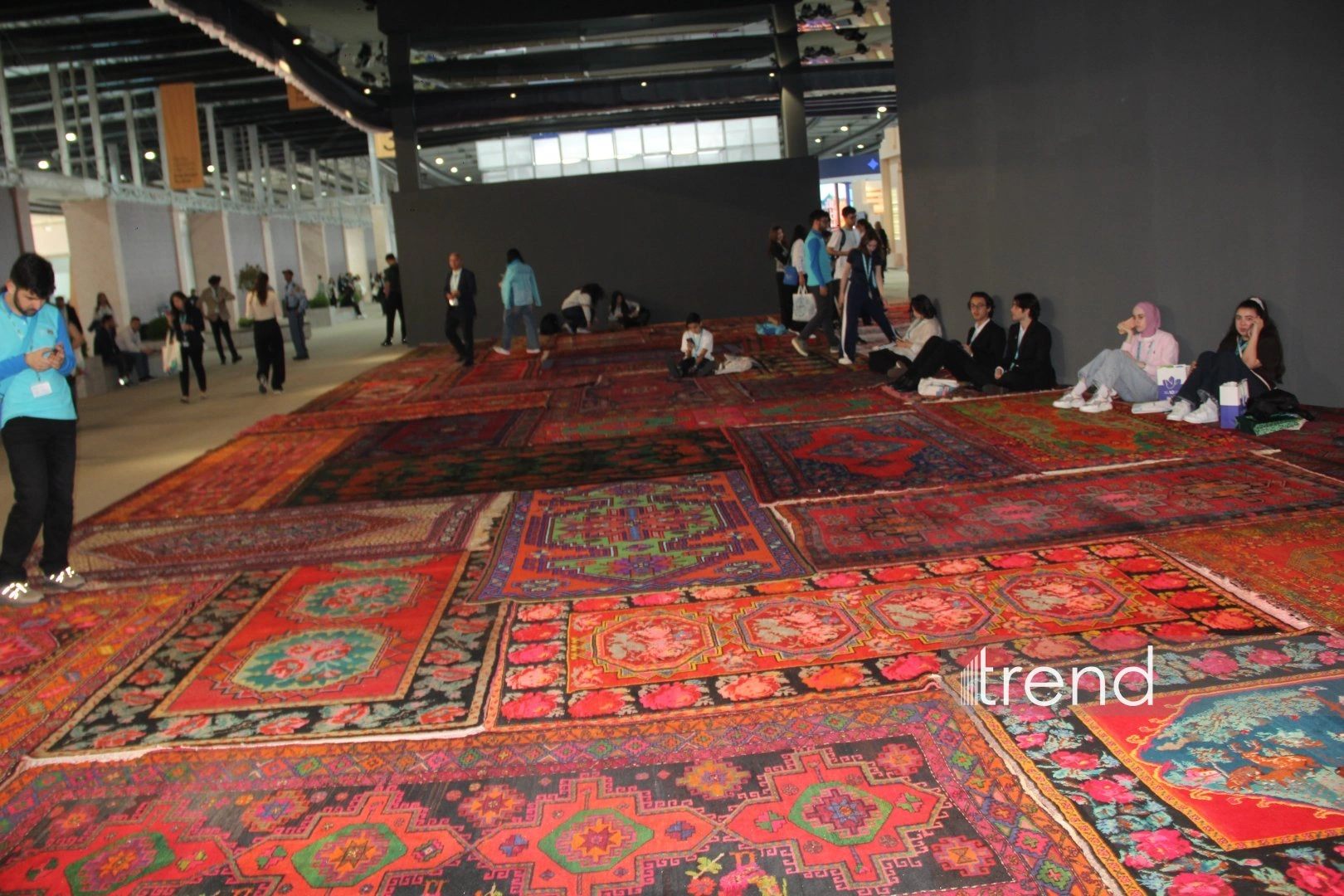
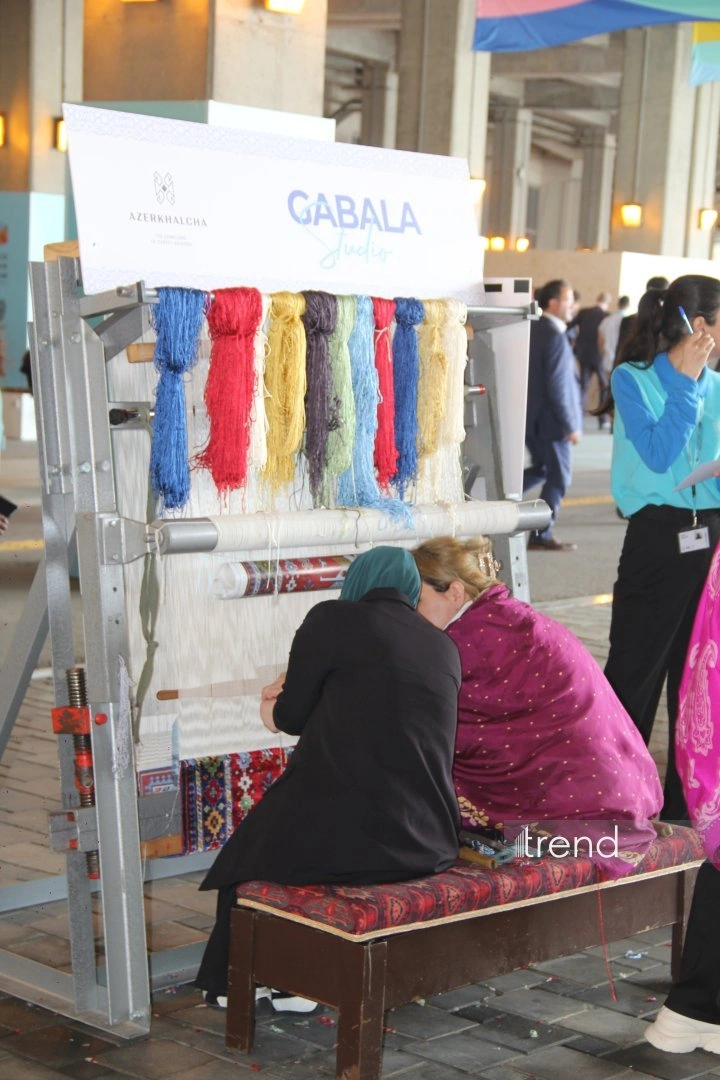
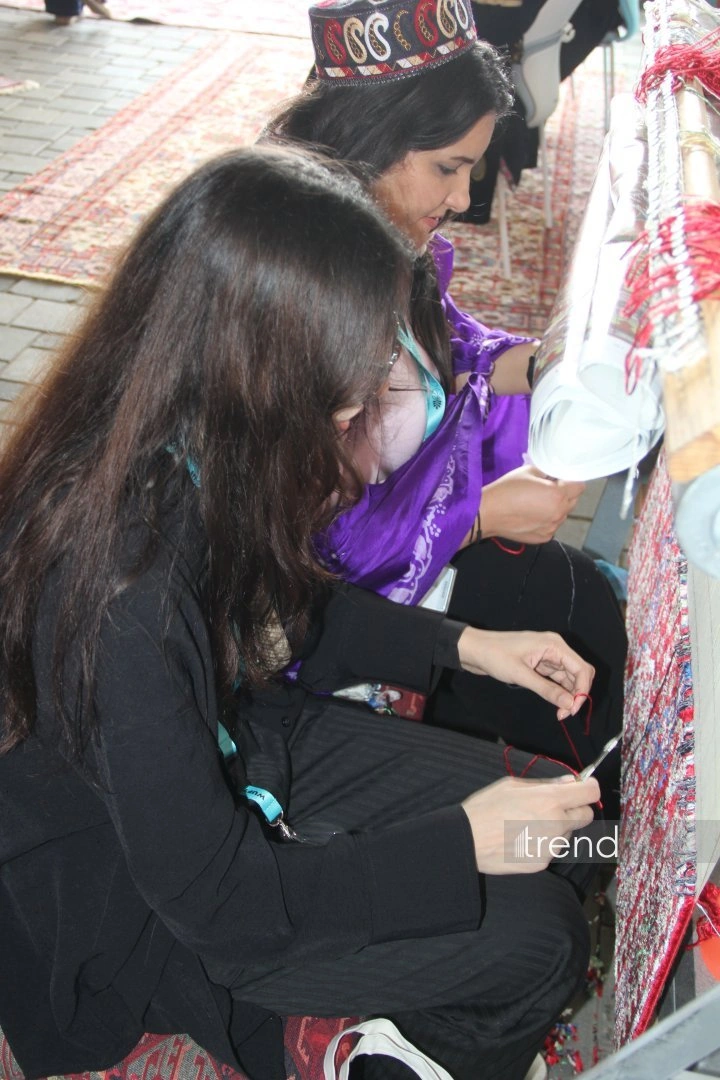
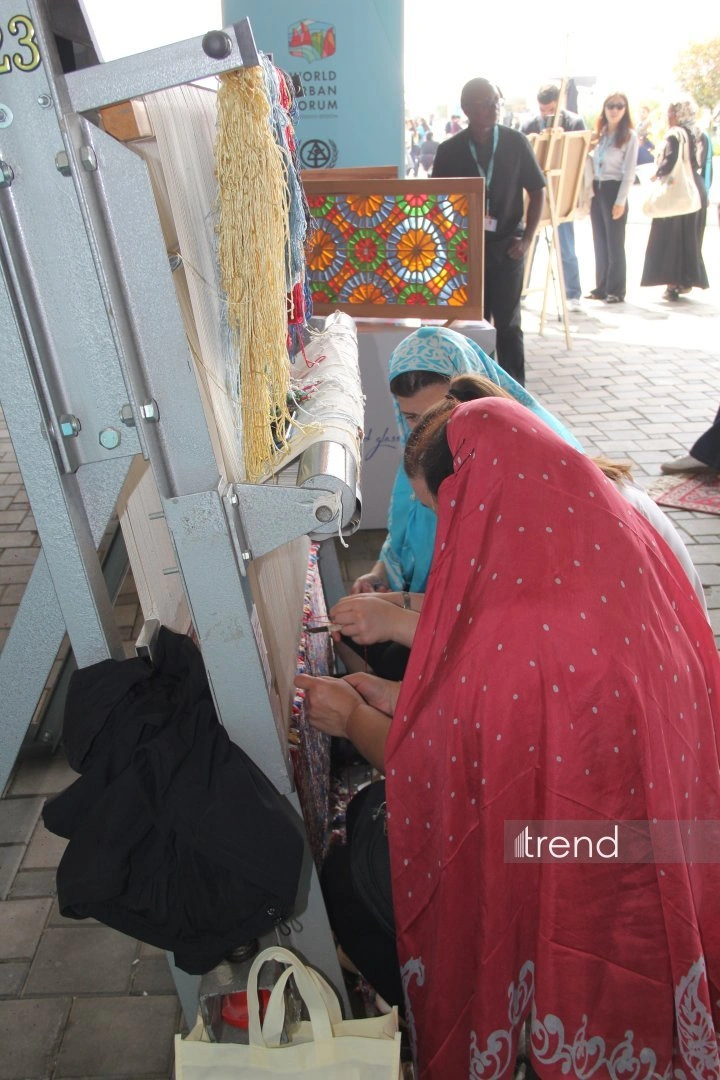
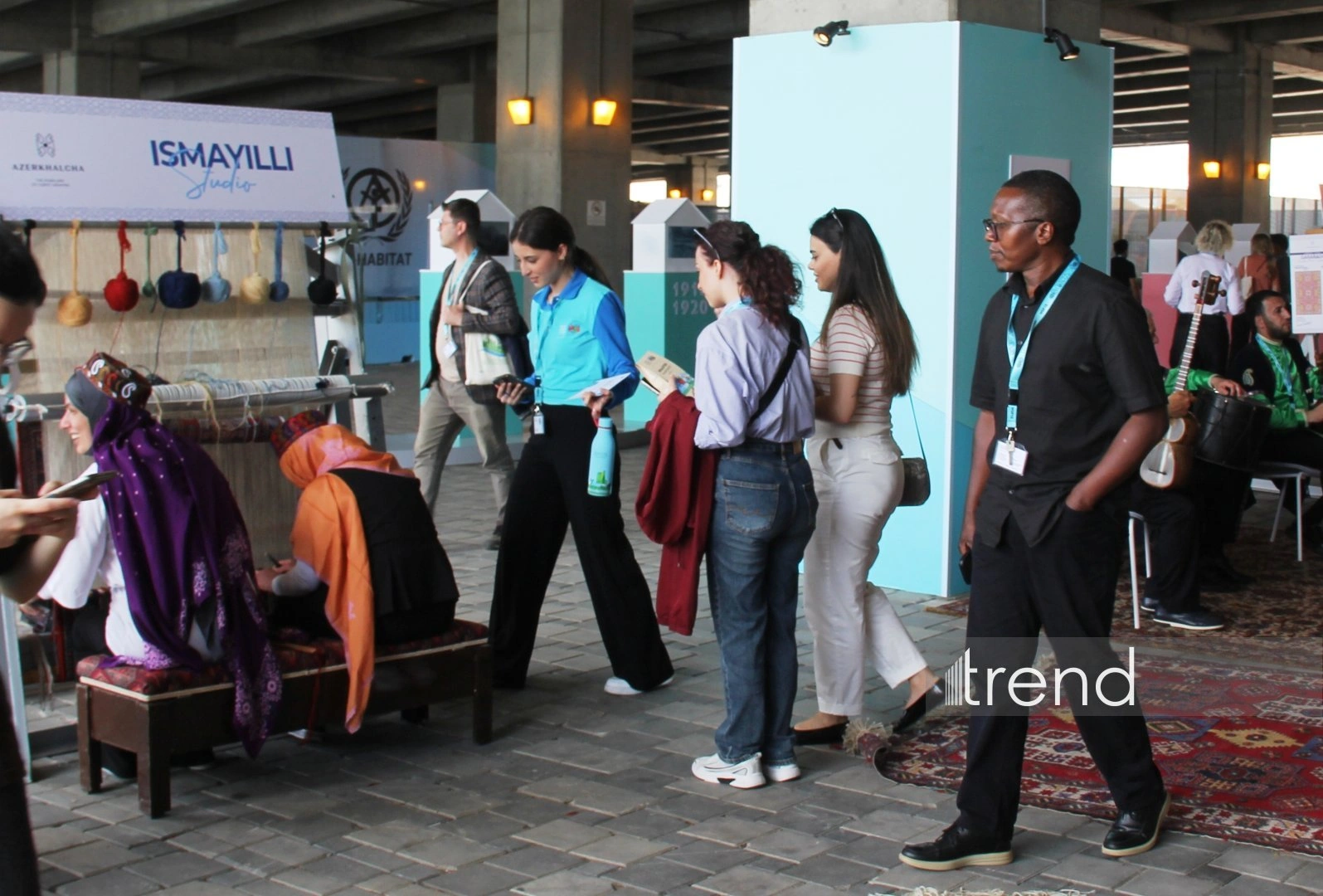
atmosphere. At various venues, “Azerkhalcha” craftswomen create
traditional Azerbaijani carpets right before visitors’ eyes, while
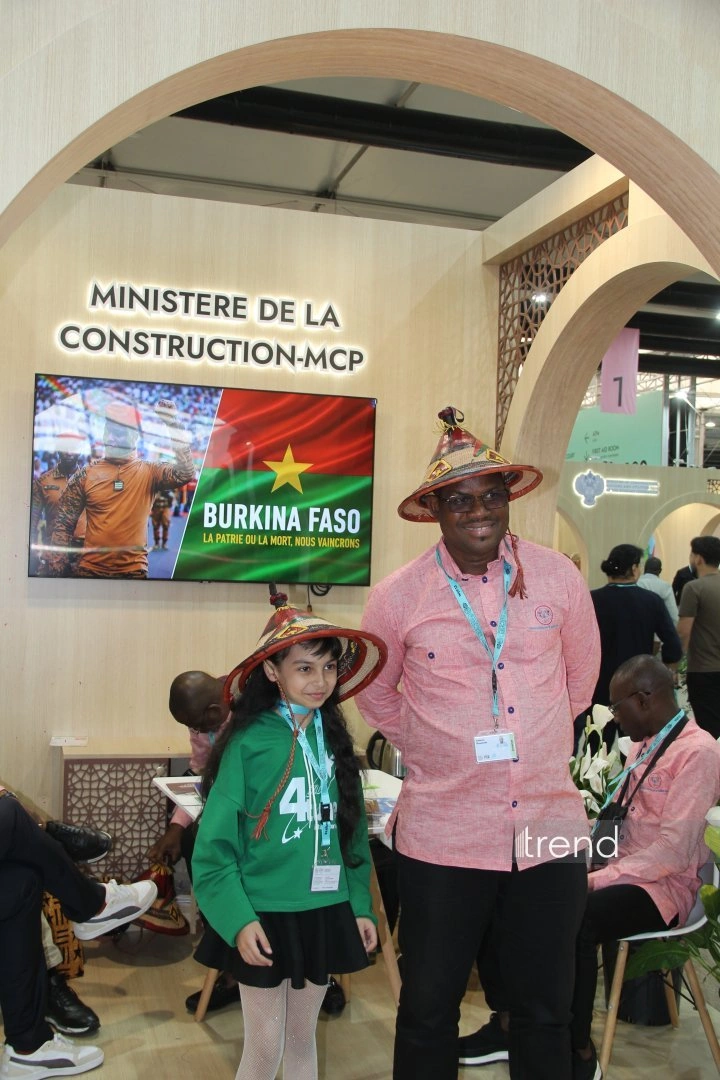
national music plays nearby. Foreign delegations and tourists spend
a long time observing the hand-weaving process, learning about the
ancient traditions of carpet art, and even participating in the
creation of carpets themselves.
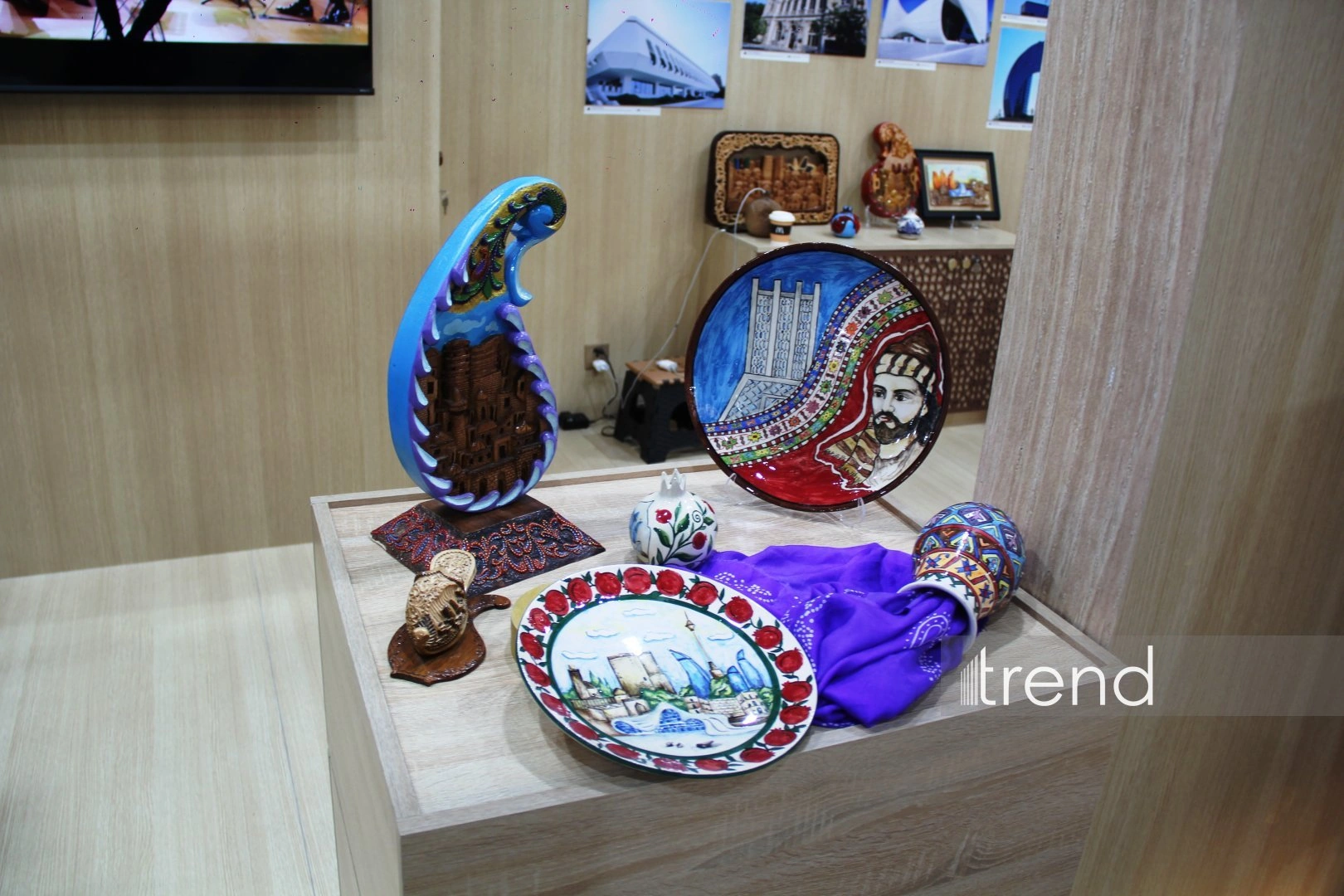
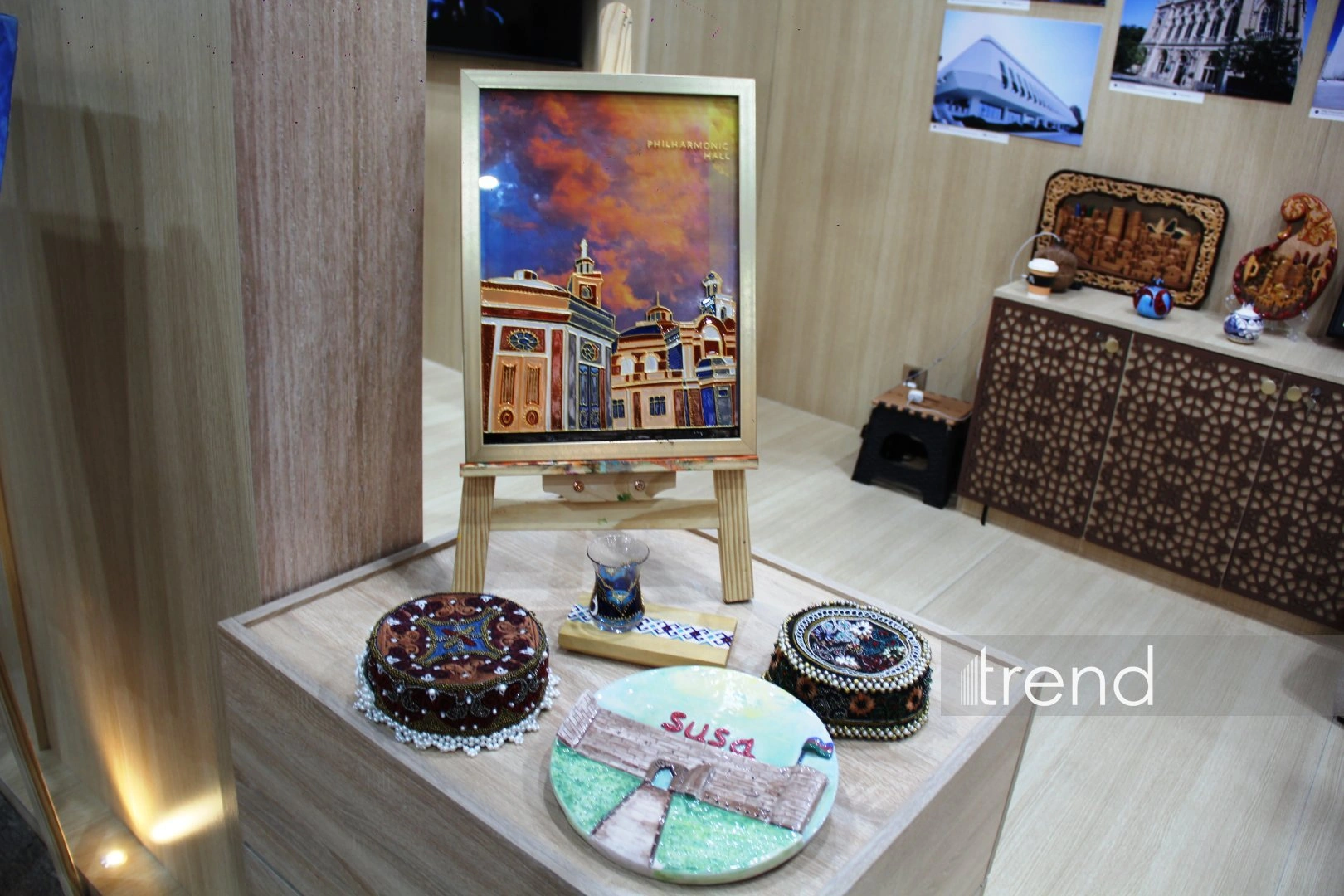
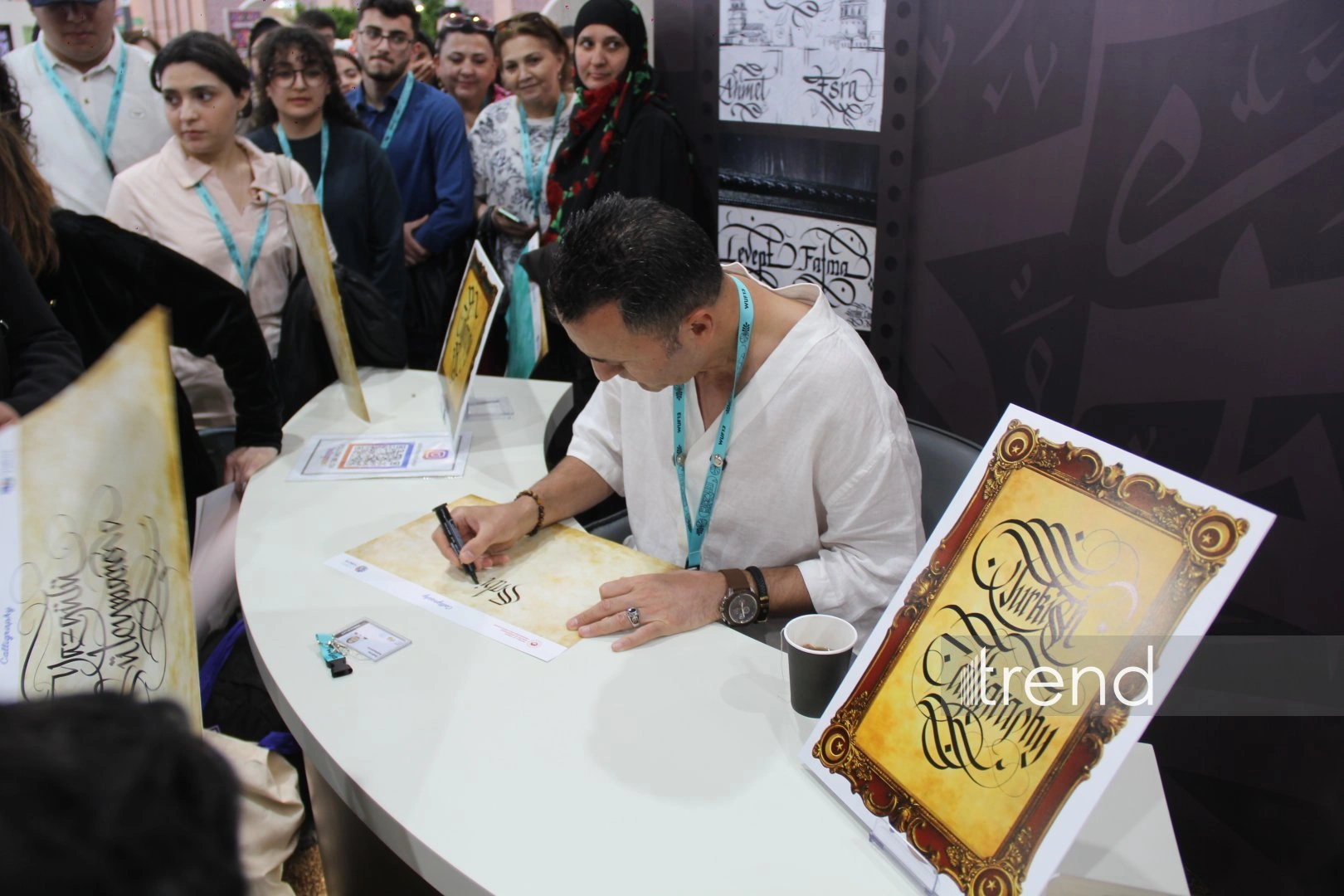
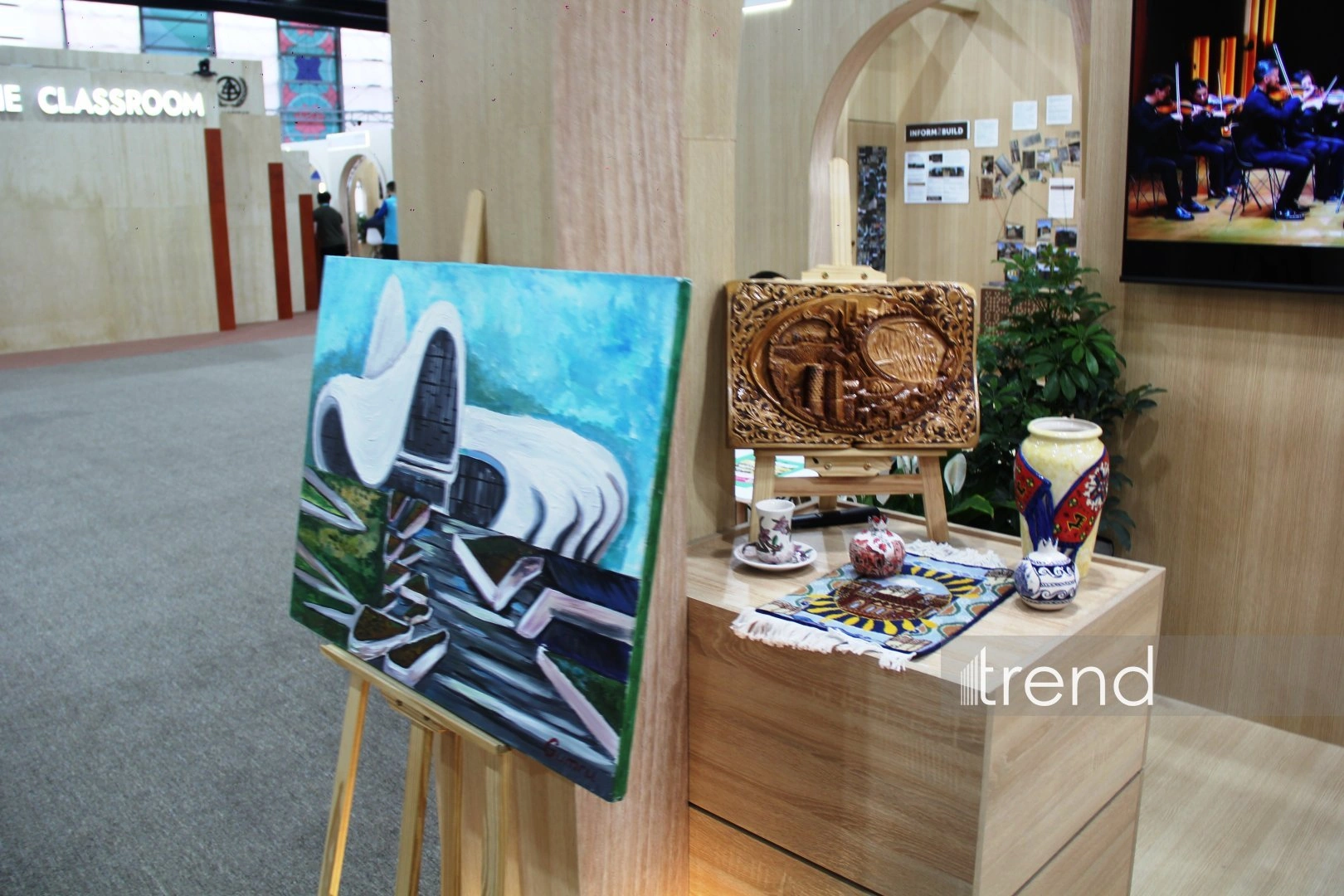
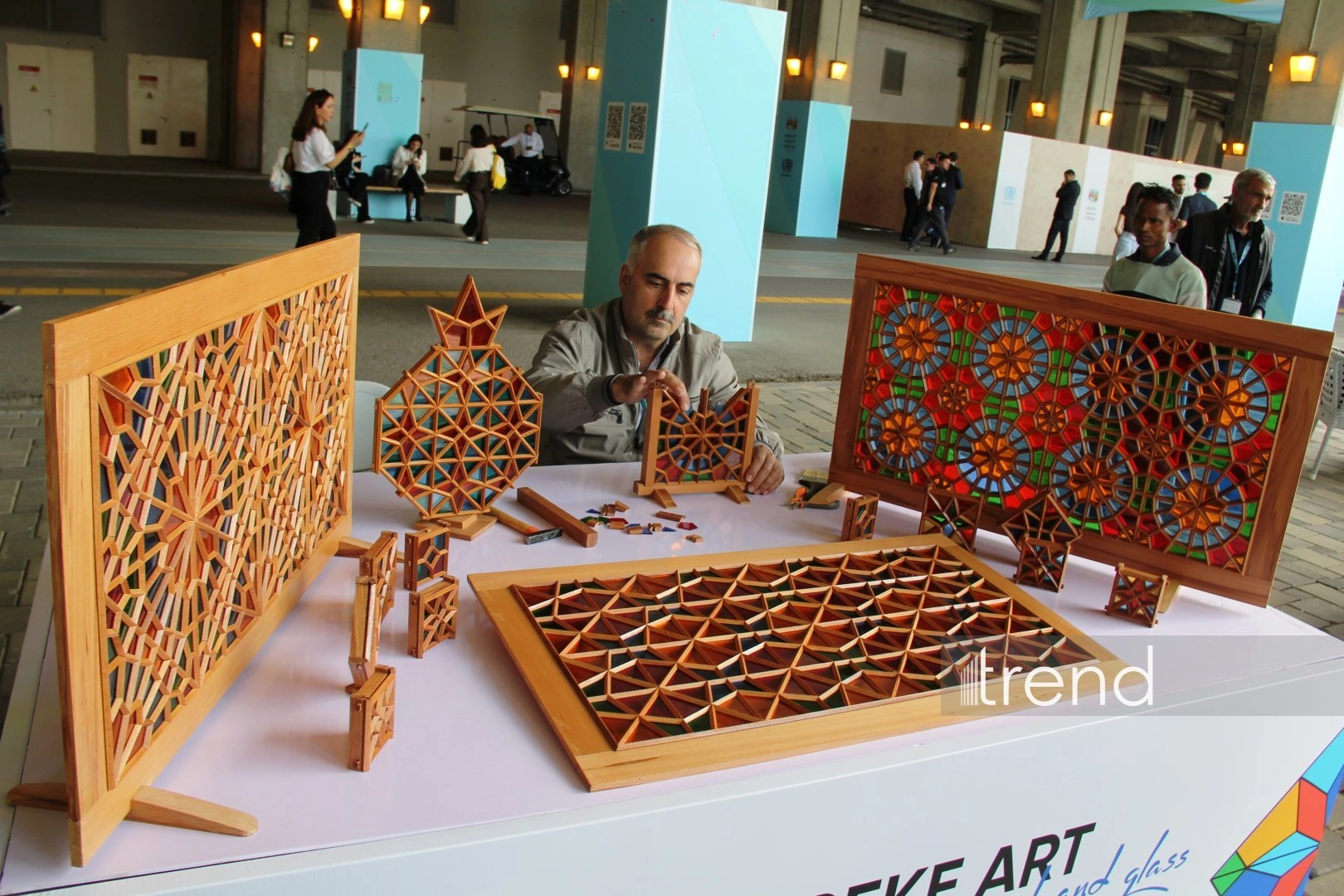
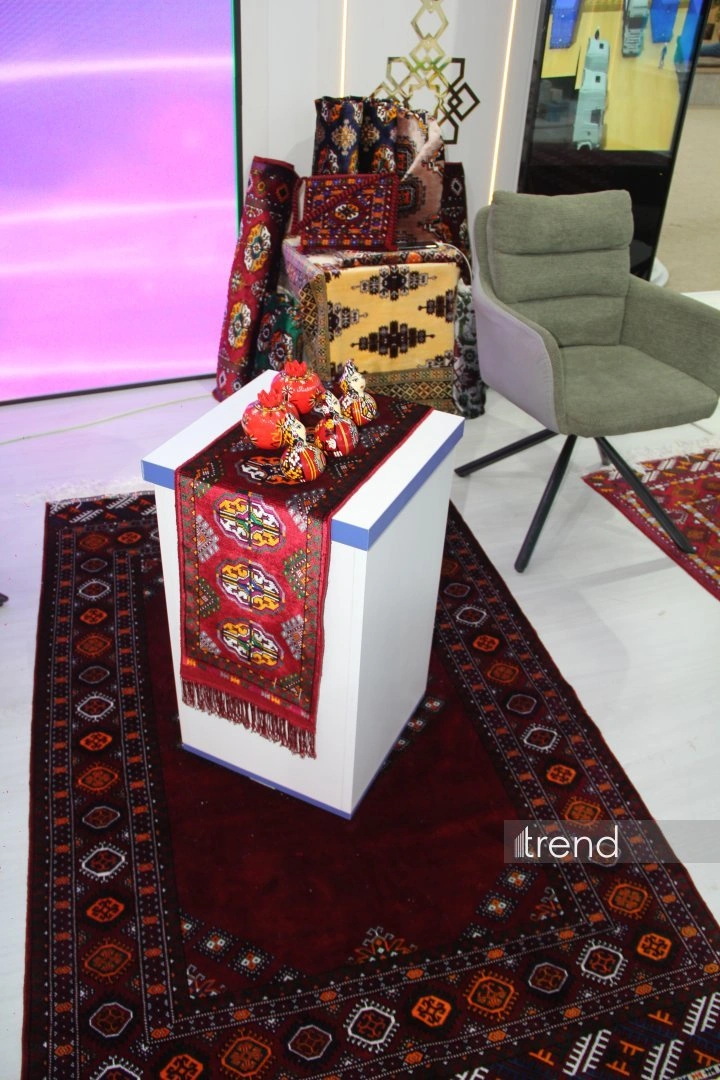
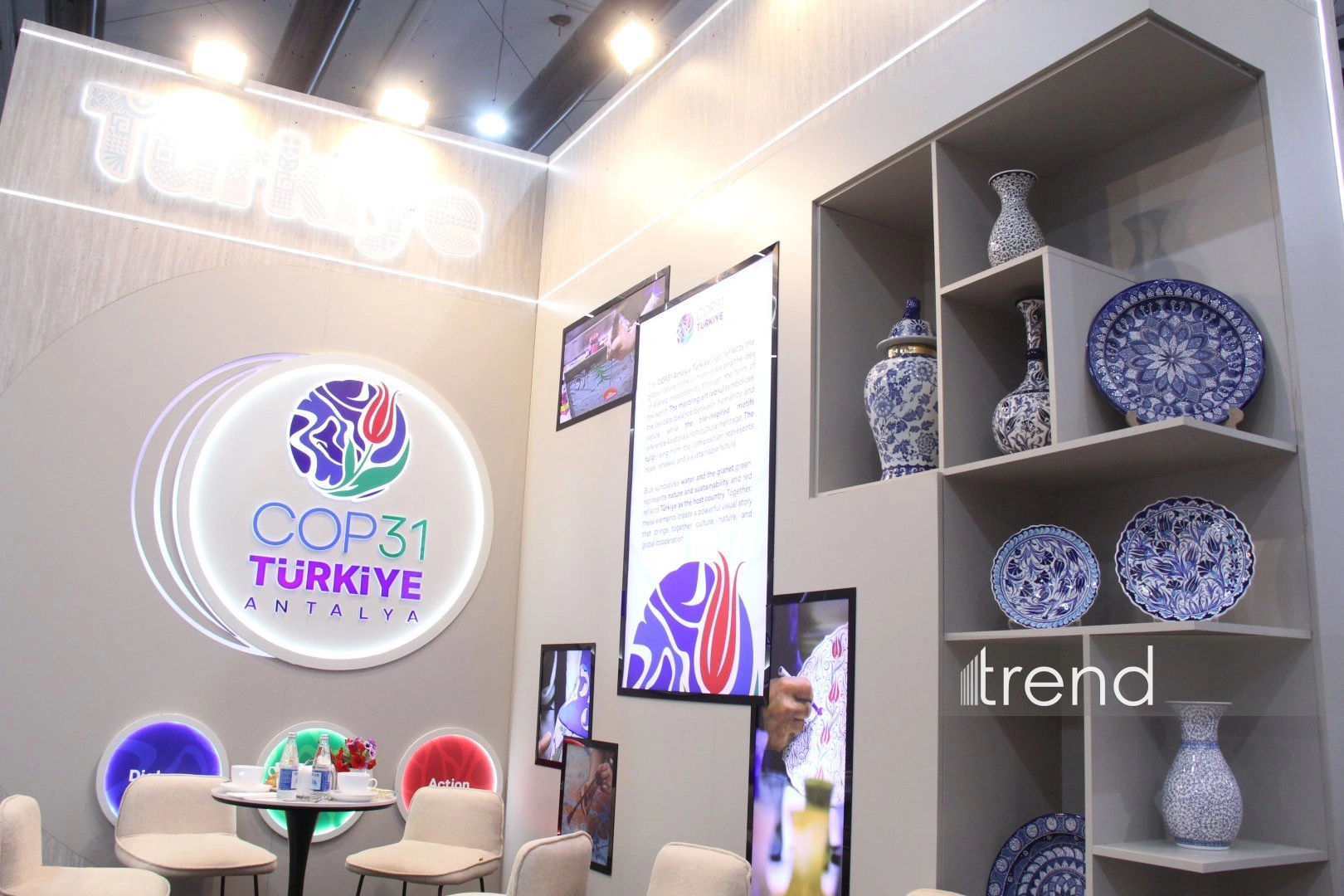
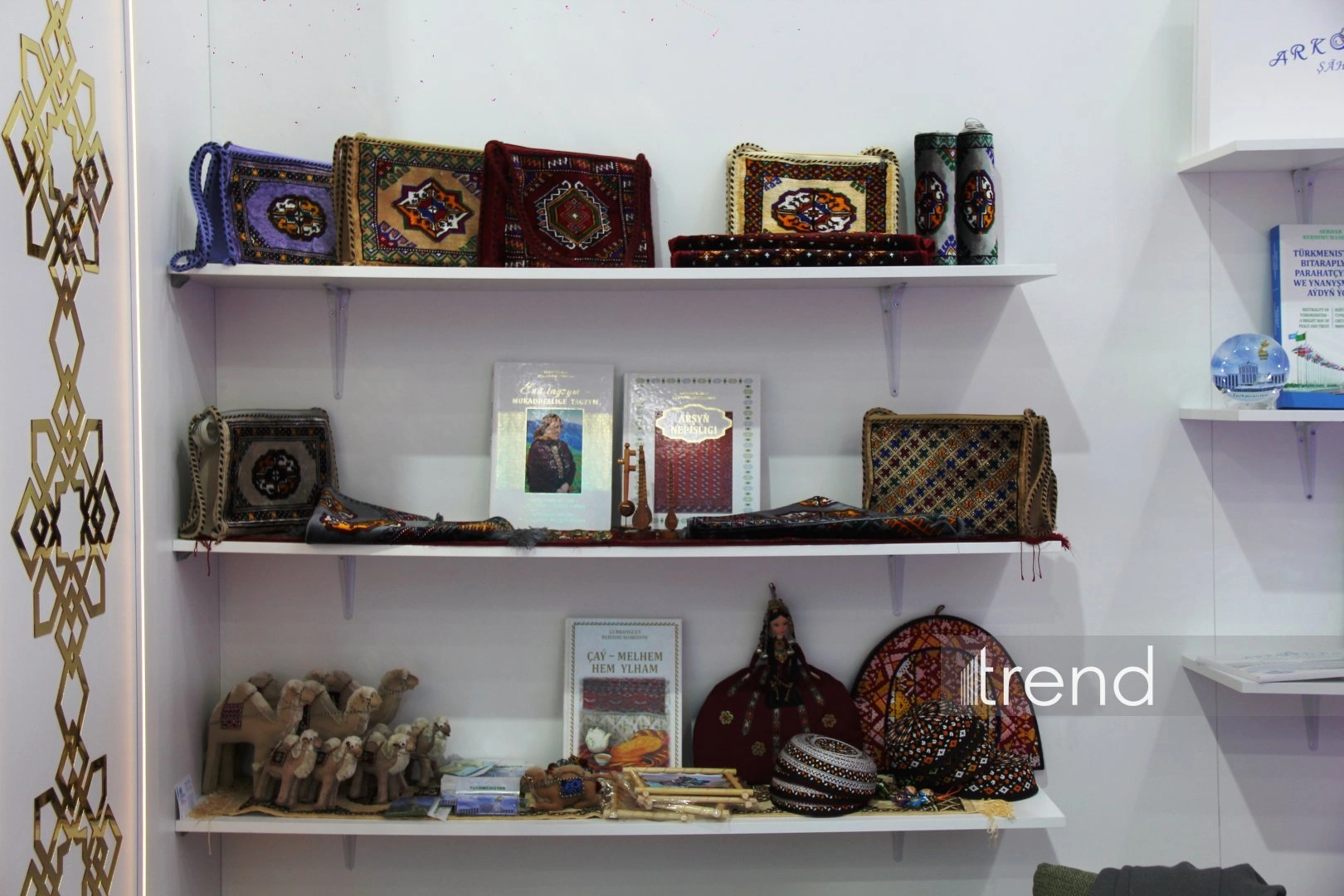
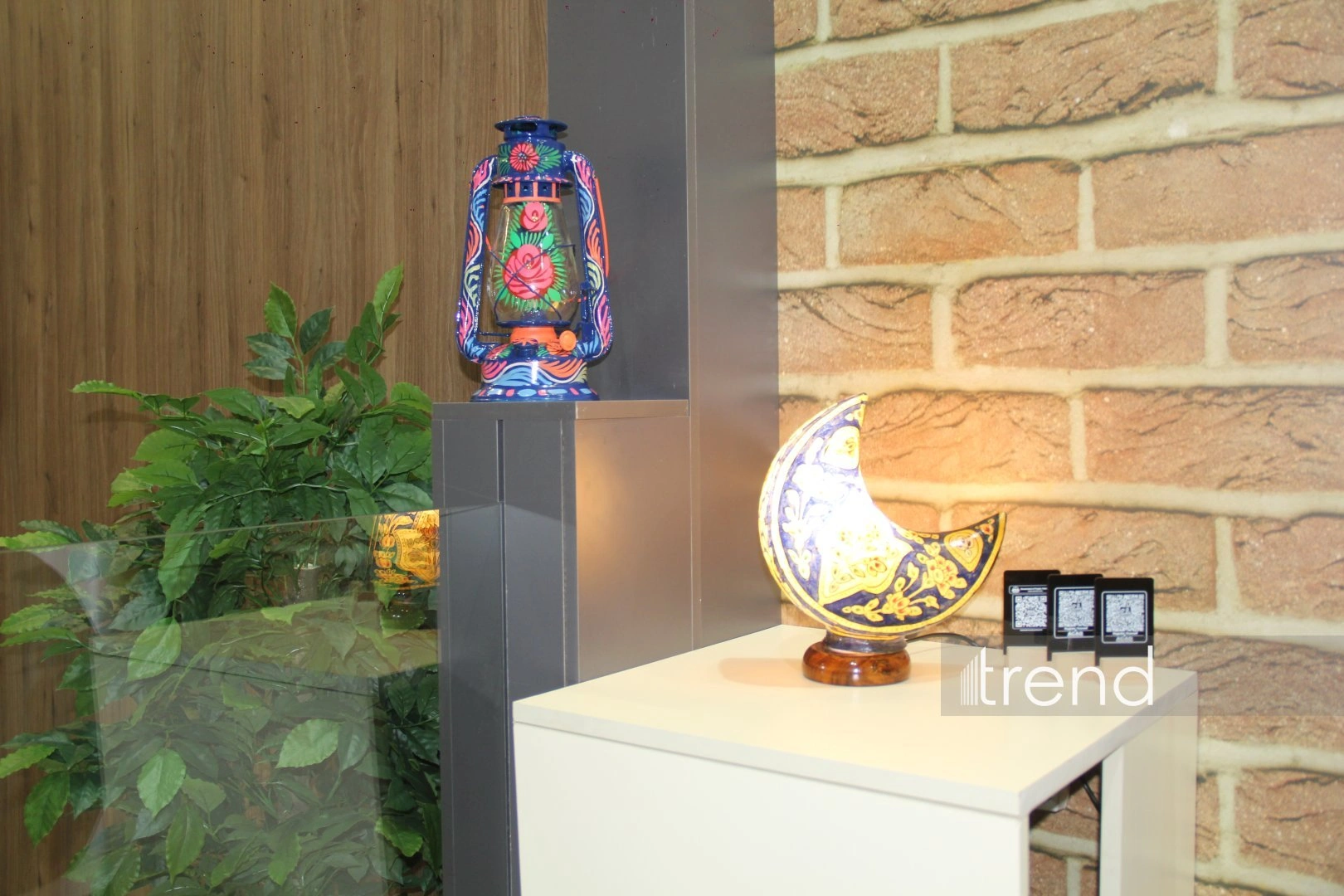
The works of folk and applied art master's also attract great
interest. The exhibition venues feature handmade items, national
ceramics, metalwork, decorative embroidery, woodcarving, and
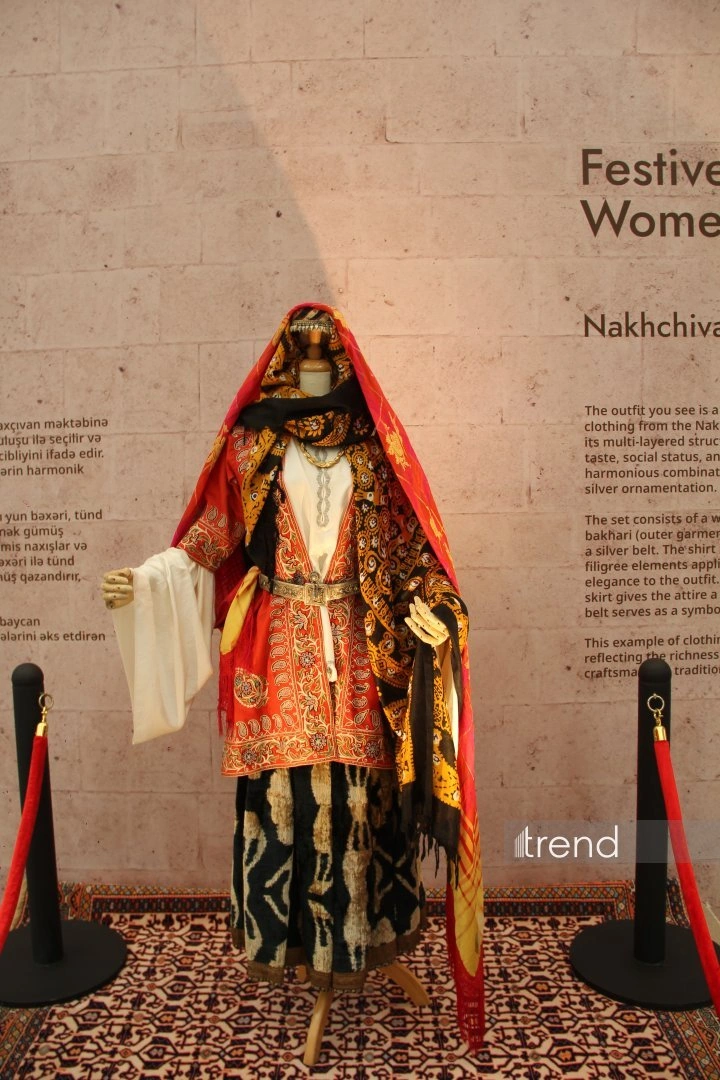
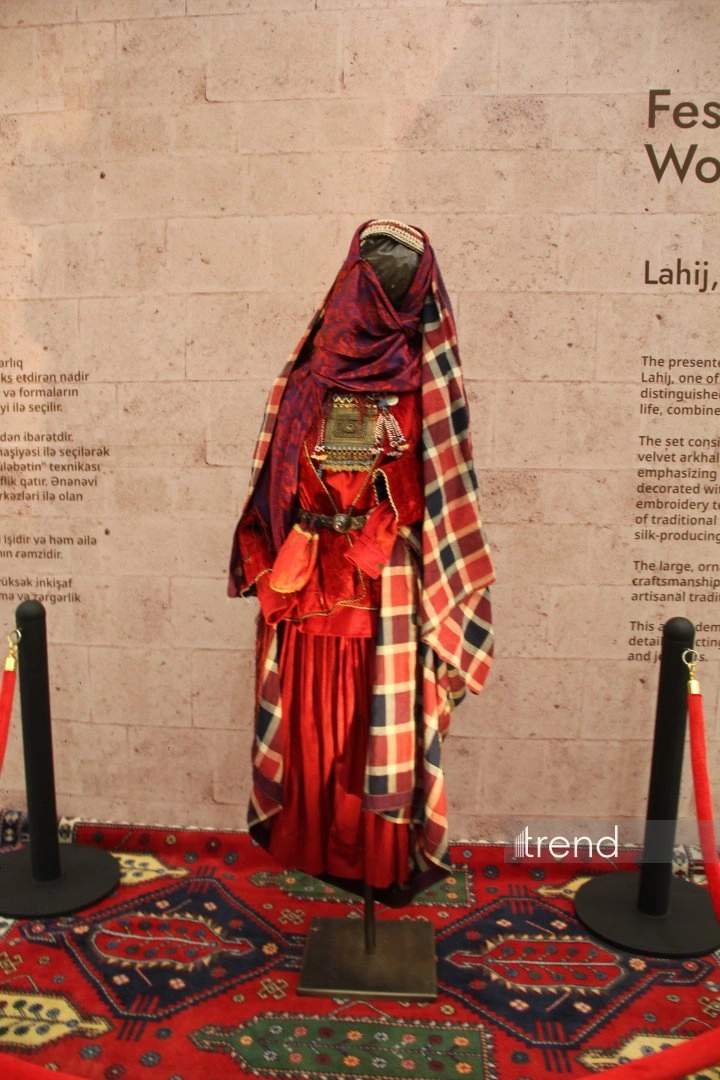
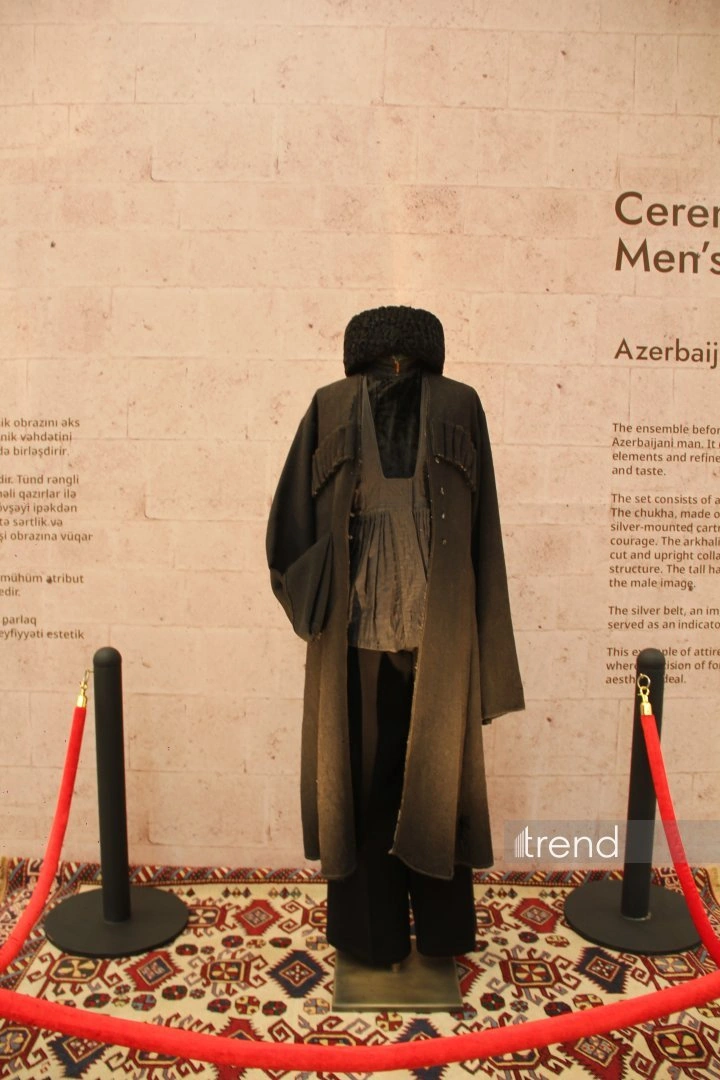
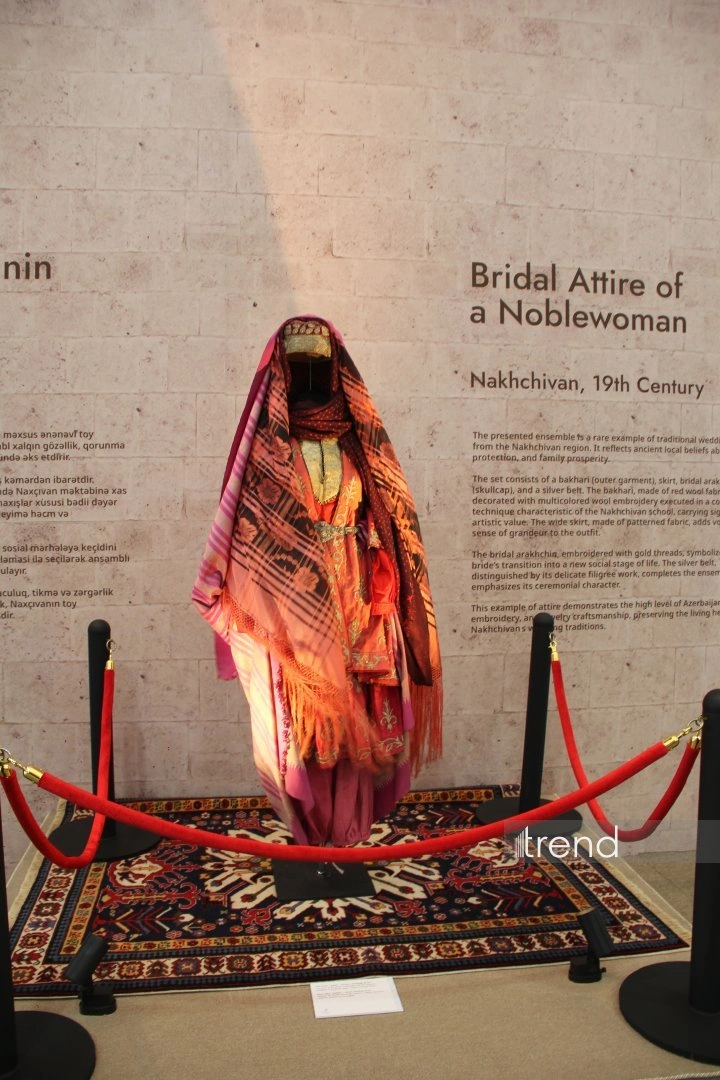
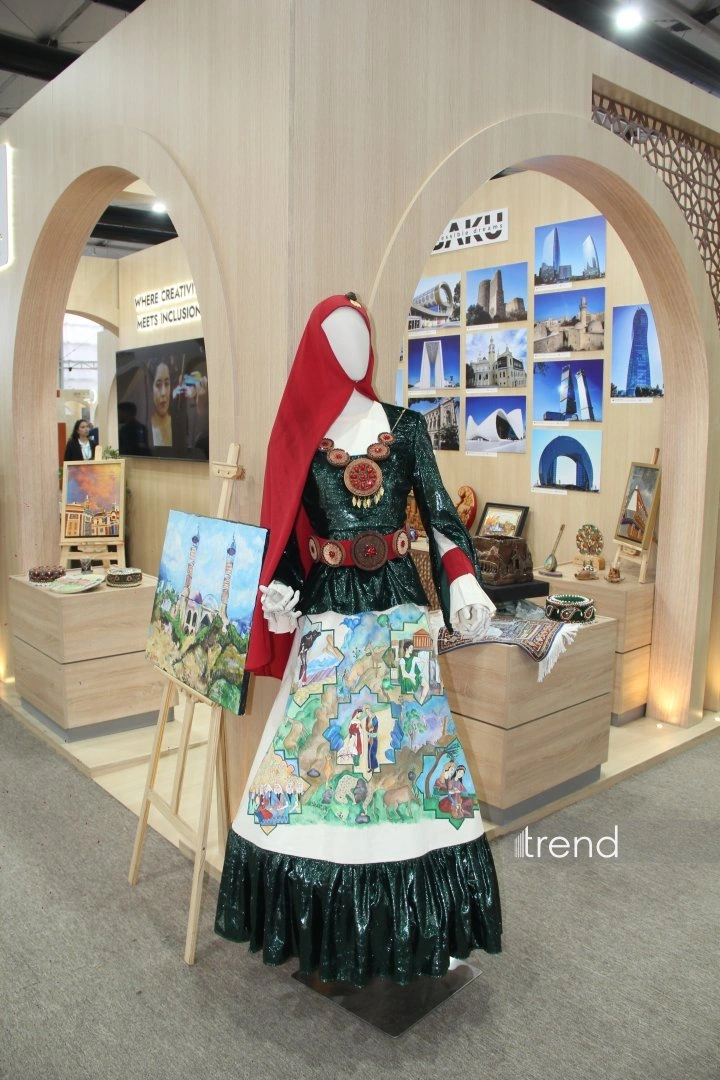
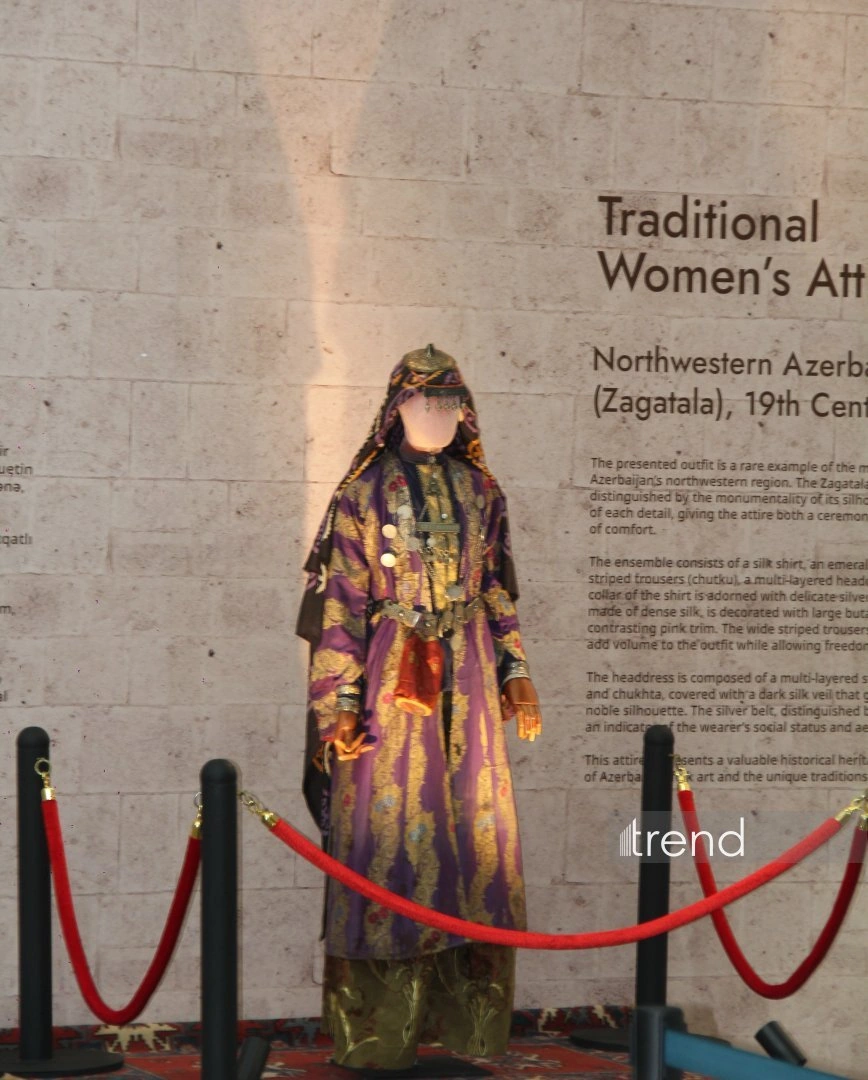
traditional craft compositions. The displays of national clothing
create a special atmosphere. Visitors can see traditional costumes
from Karabakh, Sheki, Nakhchivan, Guba, and other regions of
Azerbaijan. The vibrant patterns, antique decorative elements, and
distinctive regional styles attract great interest from
international guests at the forum.
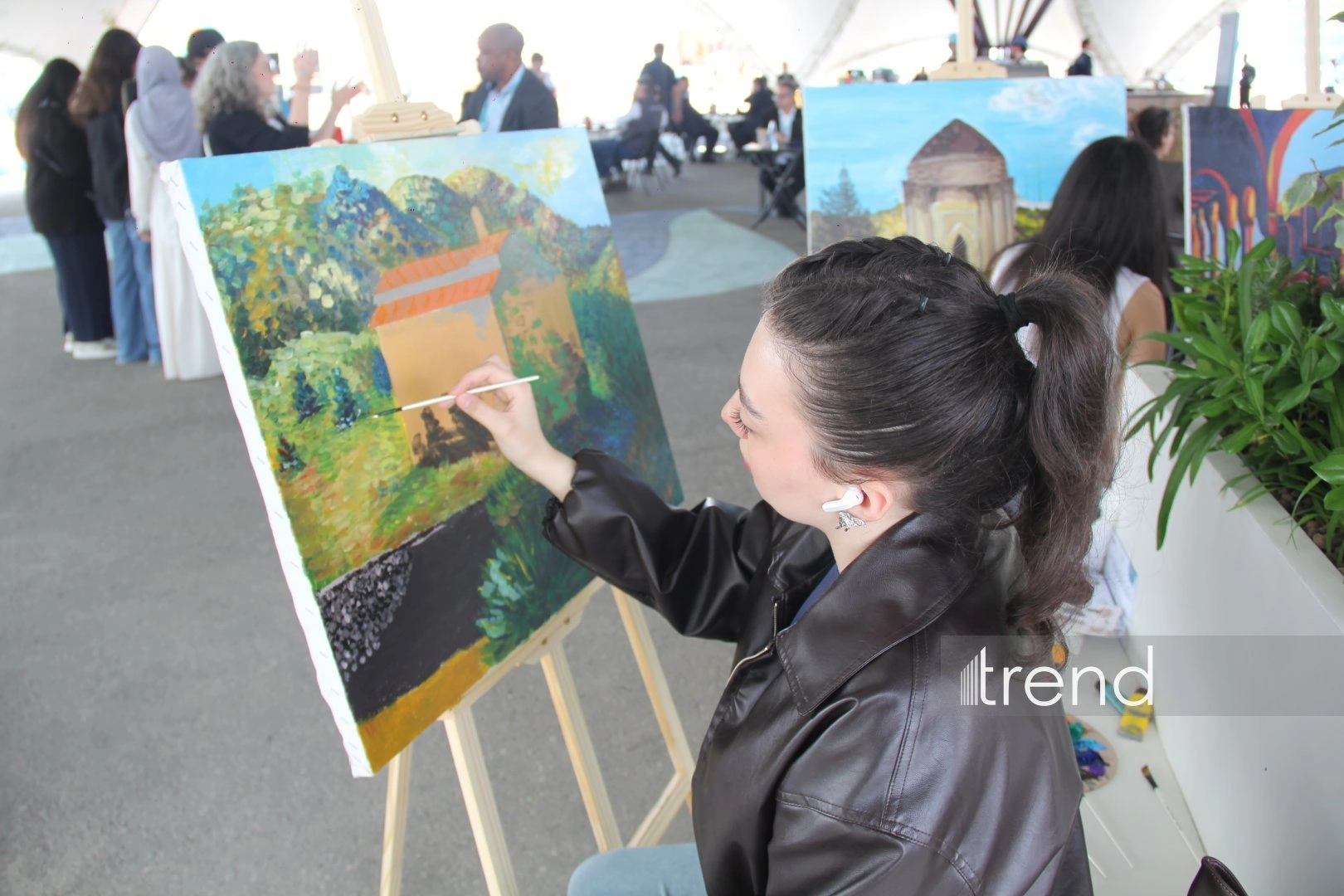
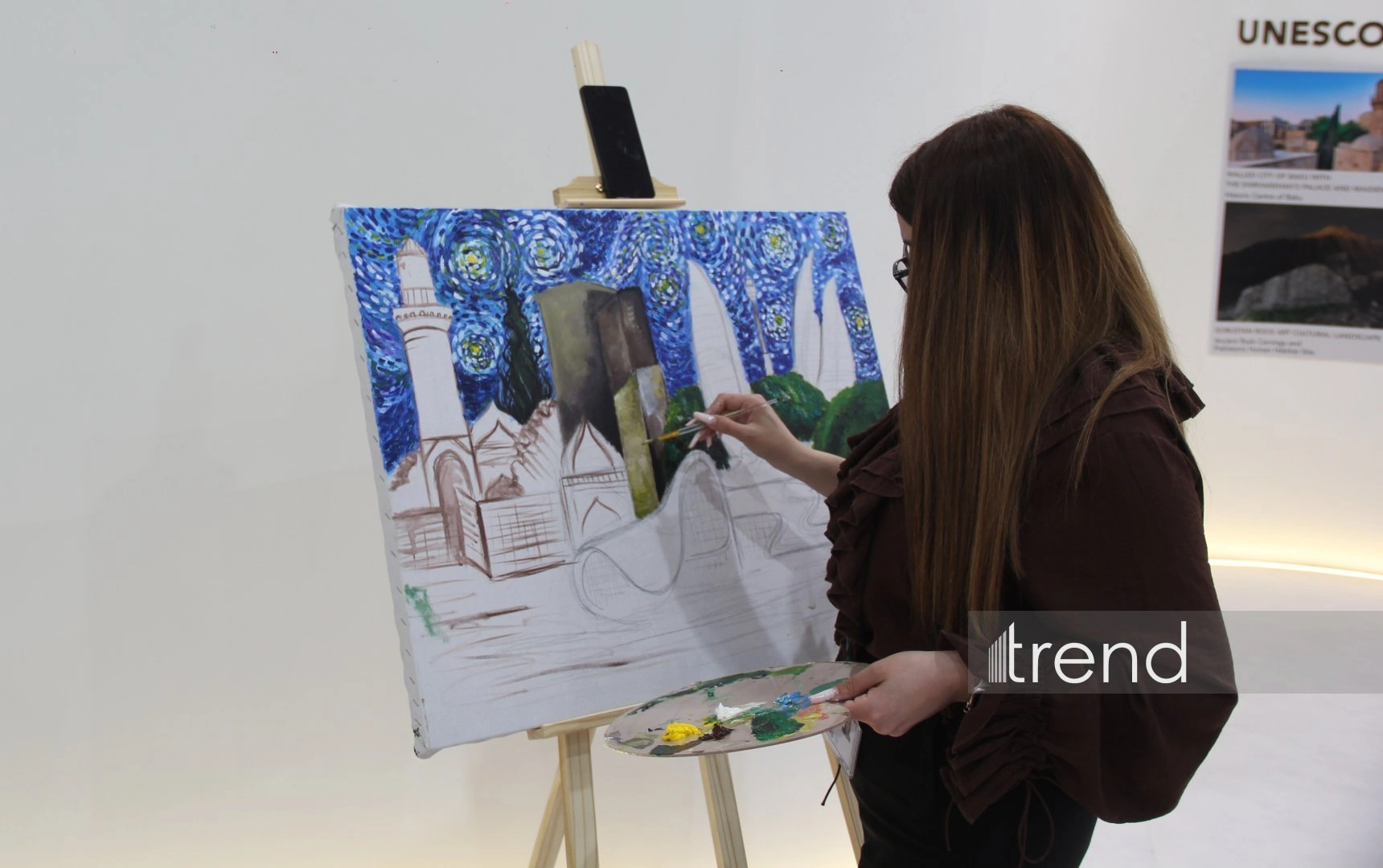
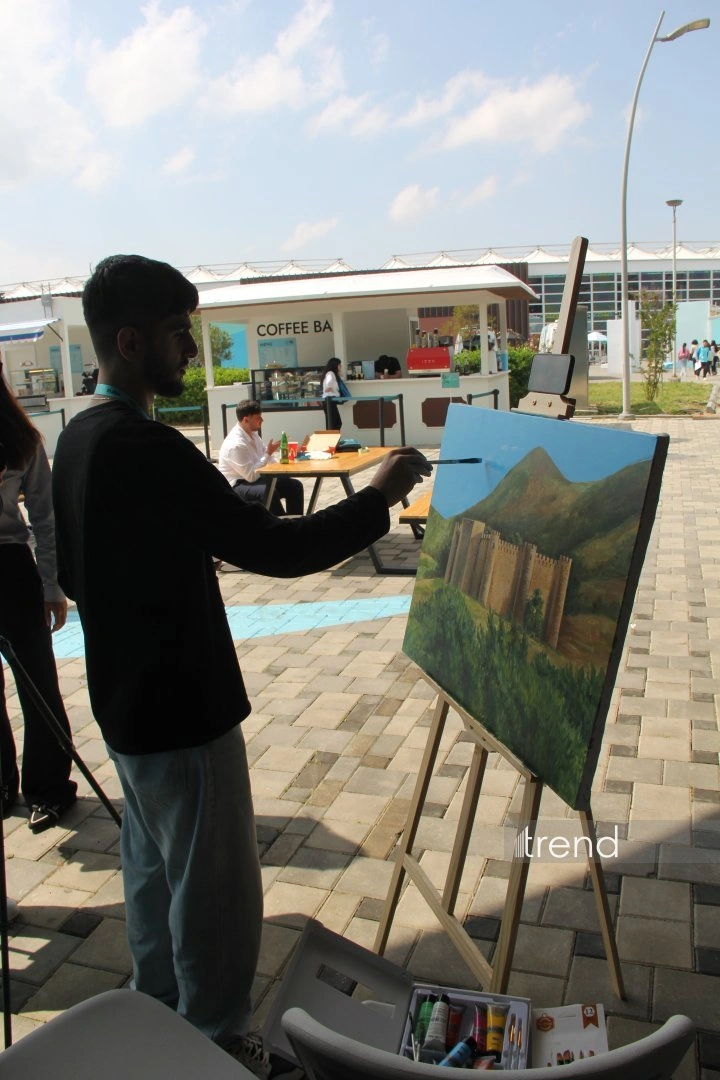
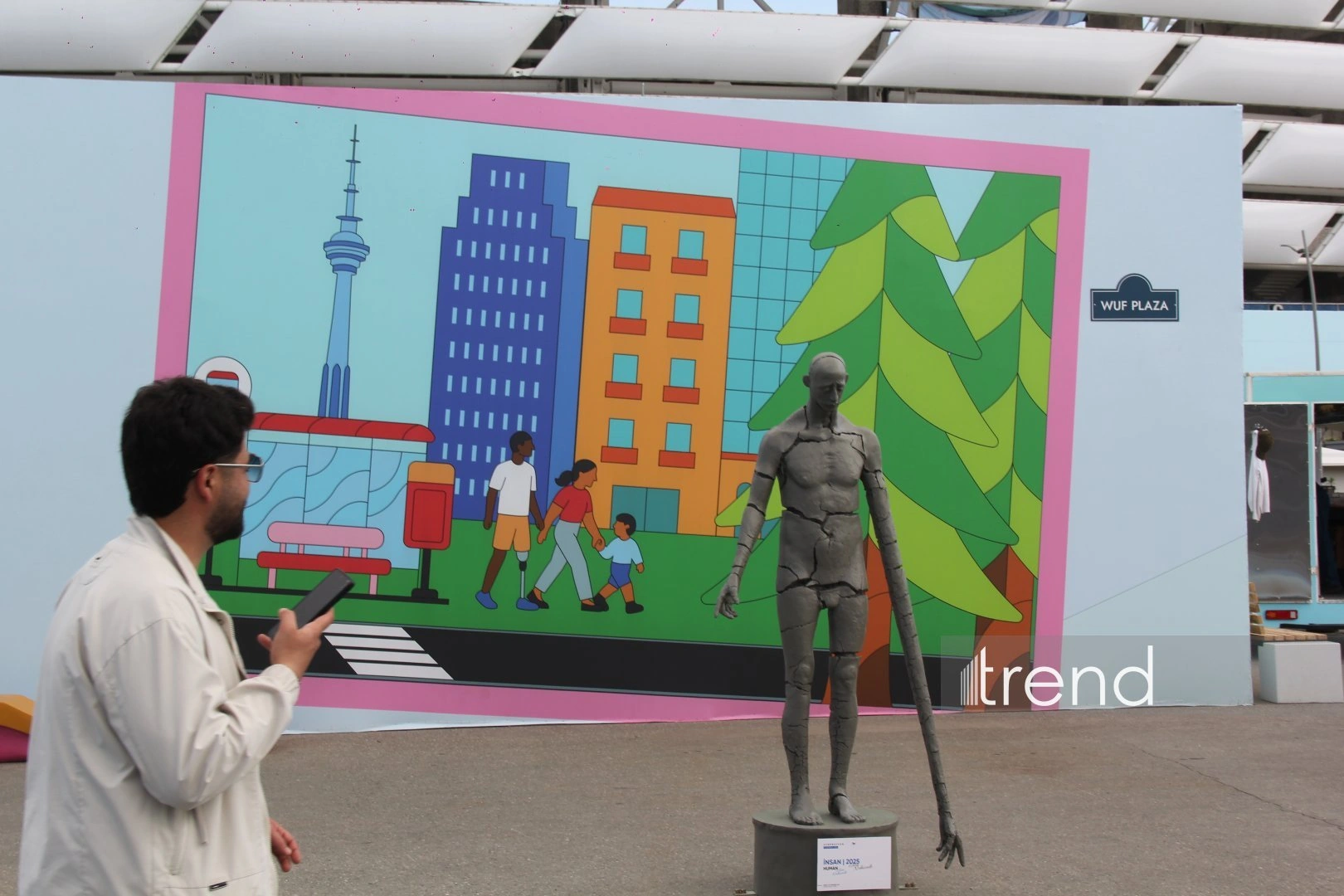
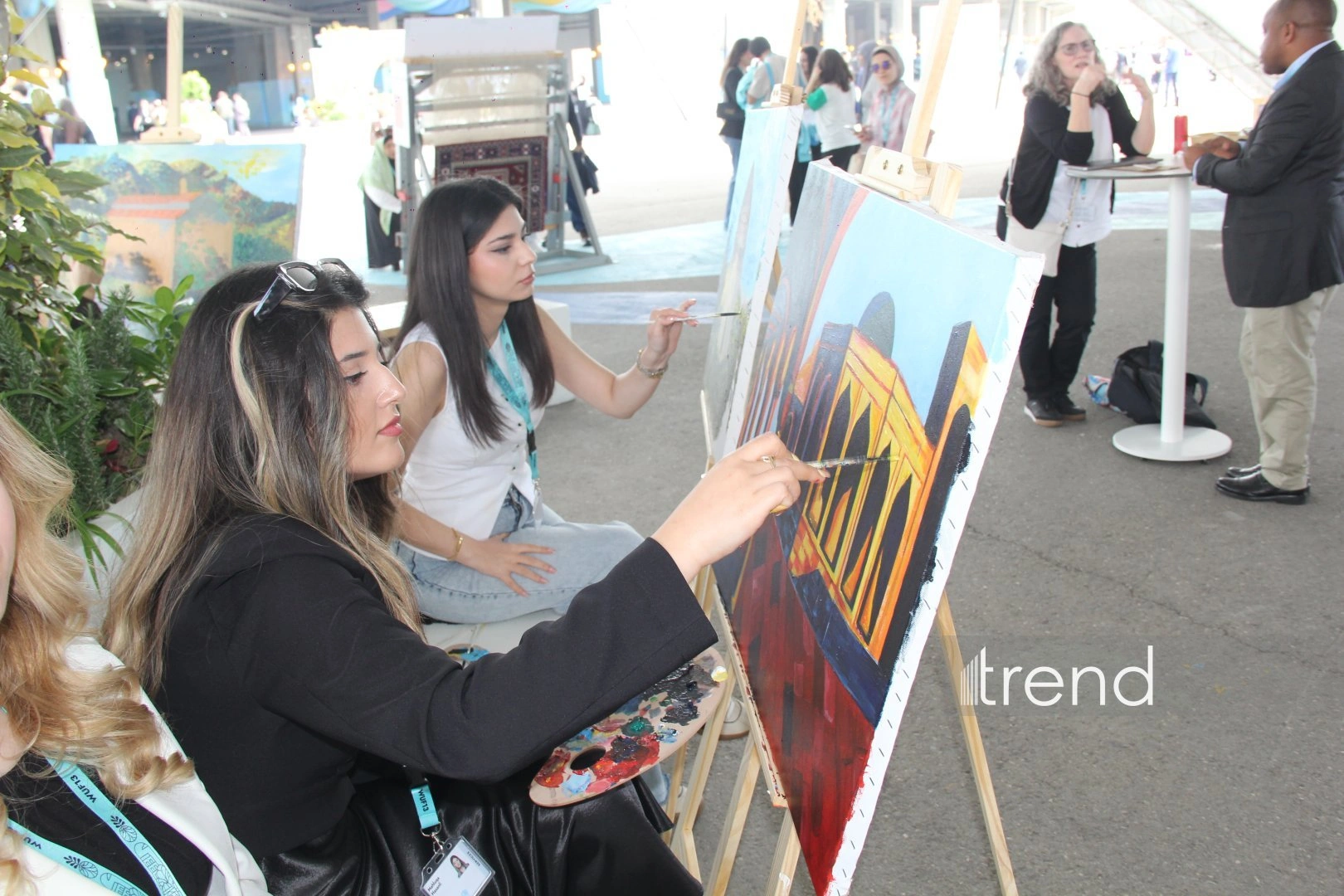
Nearby are contemporary art exhibits and youth art spaces. Young
artists are creating paintings dedicated to Baku, the environment,
sustainable development, and the cities of the future. Some areas
have been designed to be interactive: visitors are invited to
participate in the creation of artworks and installations.
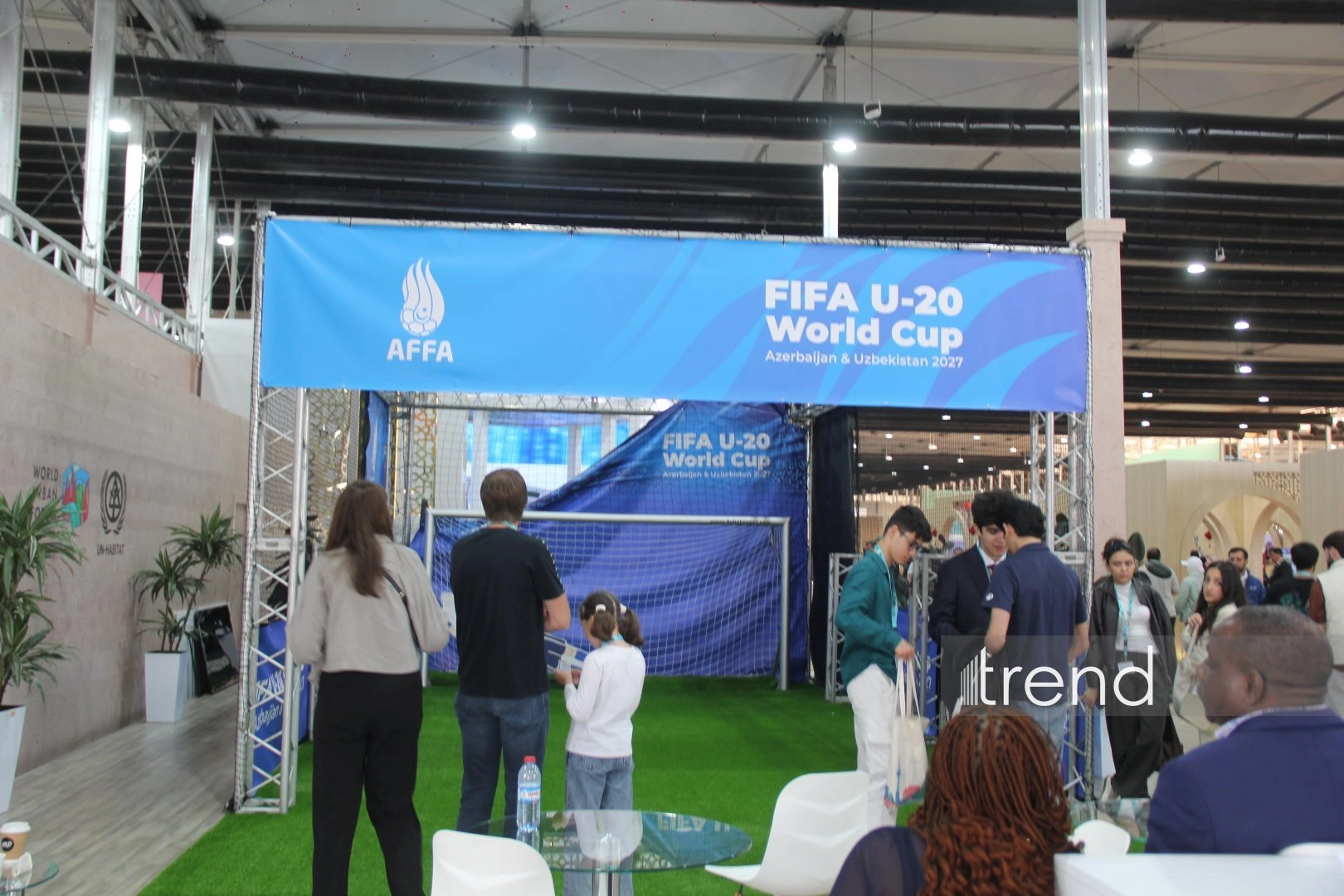
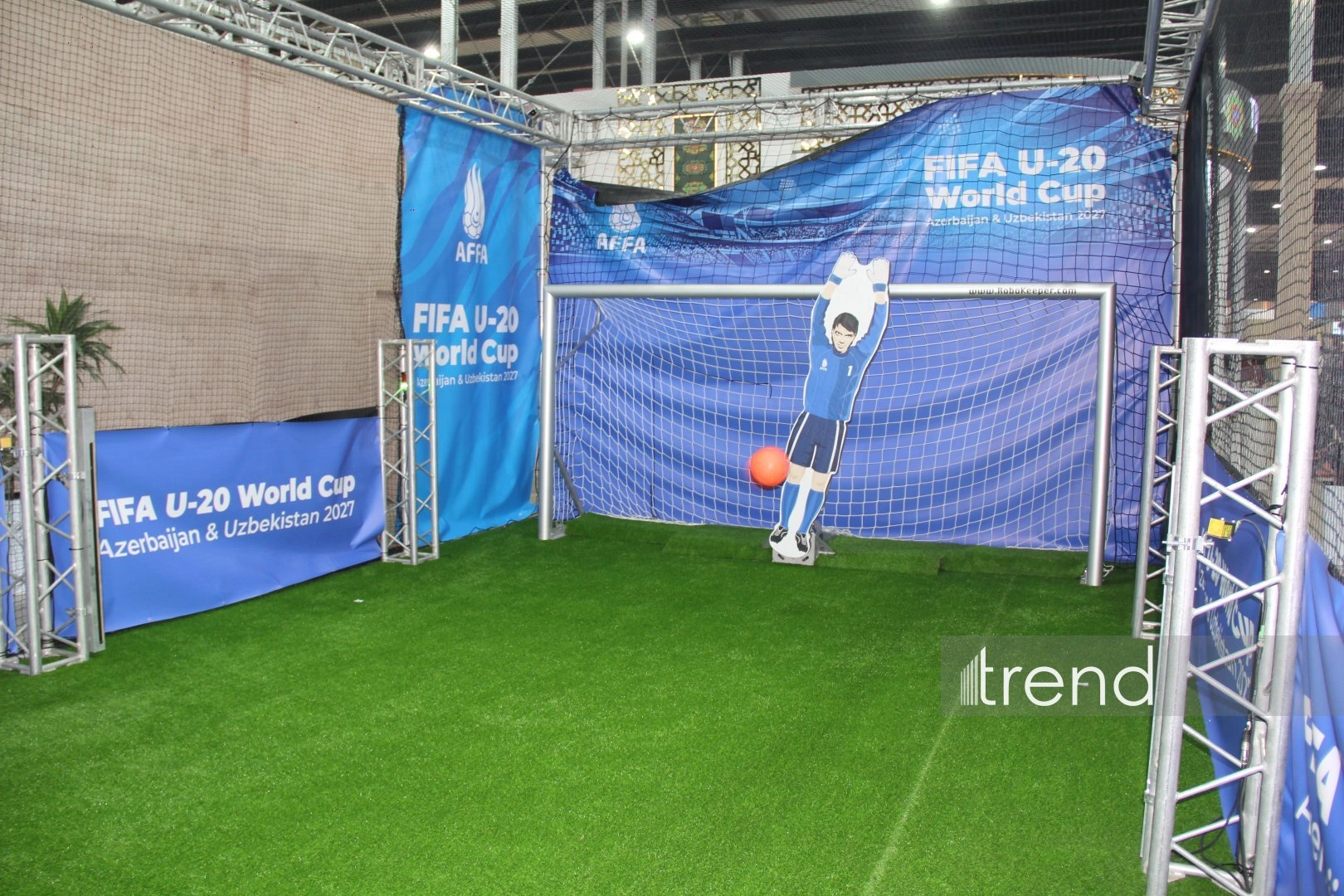
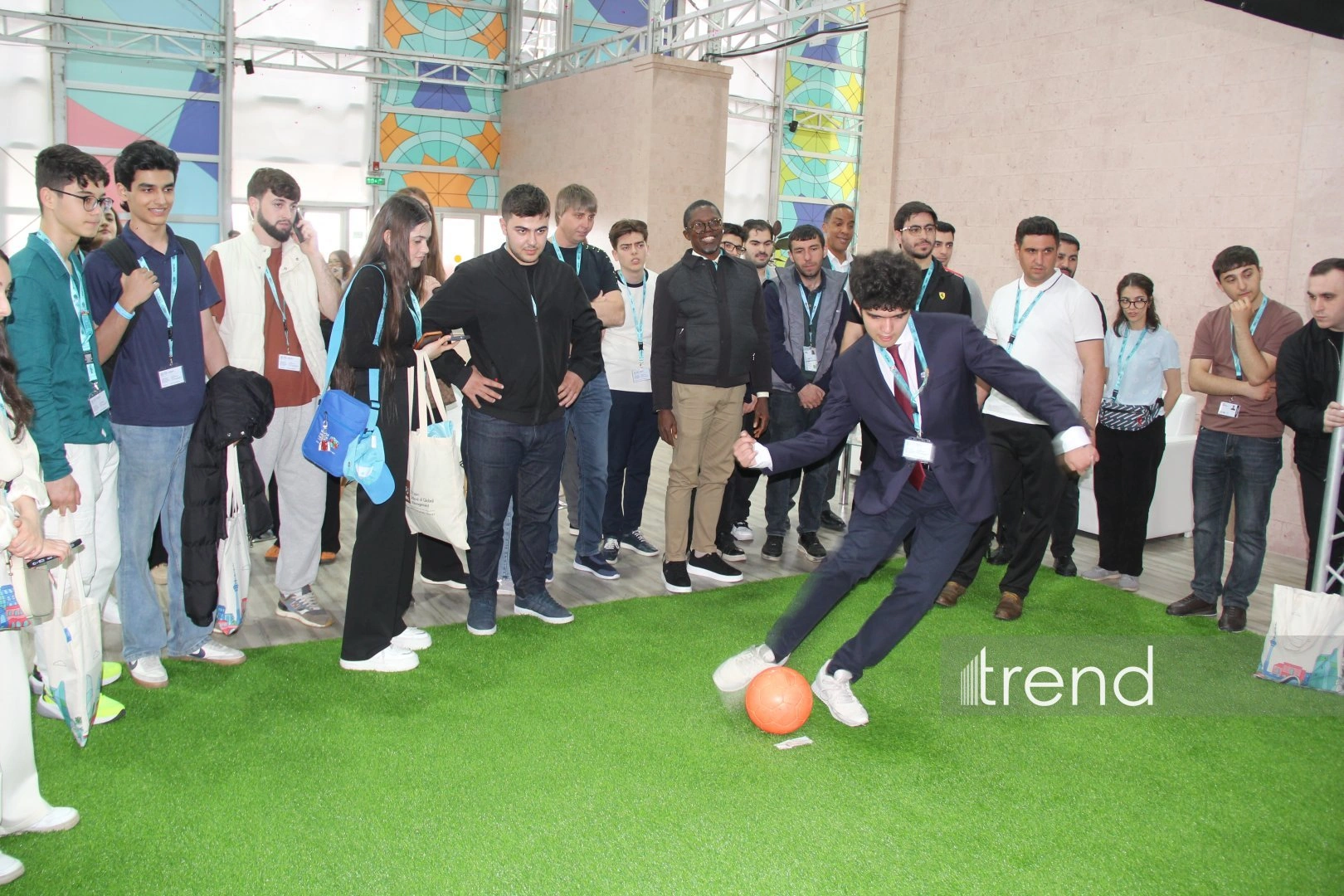
Particular attention is drawn to the special interactive booth
of the Azerbaijan Football Federations Association (AFFA),
dedicated to the FIFA U-20 World Cup, which will be held in 2027 in
Azerbaijan and Uzbekistan. In line with the principles of
sustainable development, the stand highlights the ideas of sports
development, healthy youth, and inclusivity.
It also features multimedia panels, game activities, and
interactive soccer zones for youth and children.
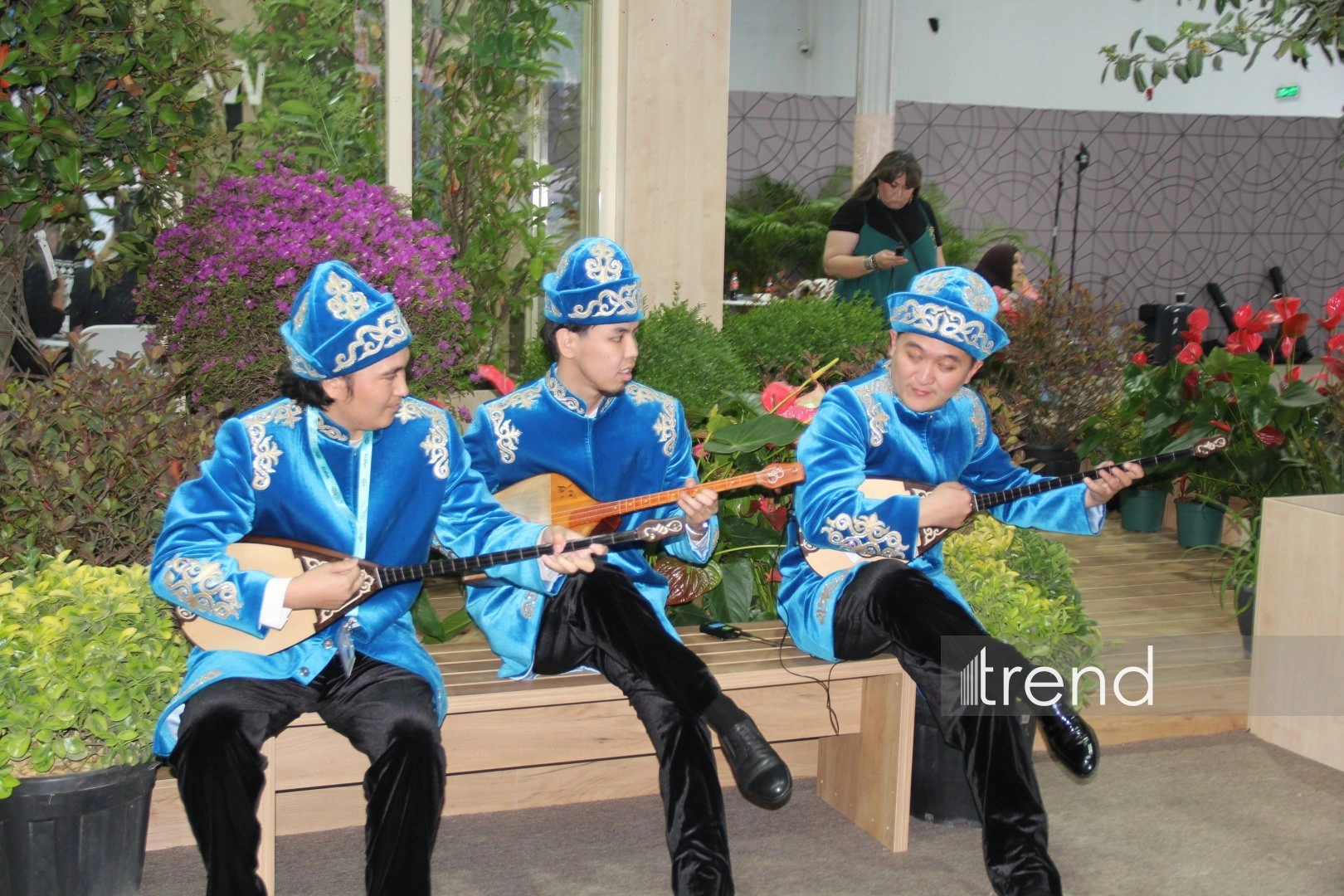
The musical program in various pavilions creates the atmosphere
of a major cultural festival, where the business atmosphere of the
forum blends seamlessly with art.
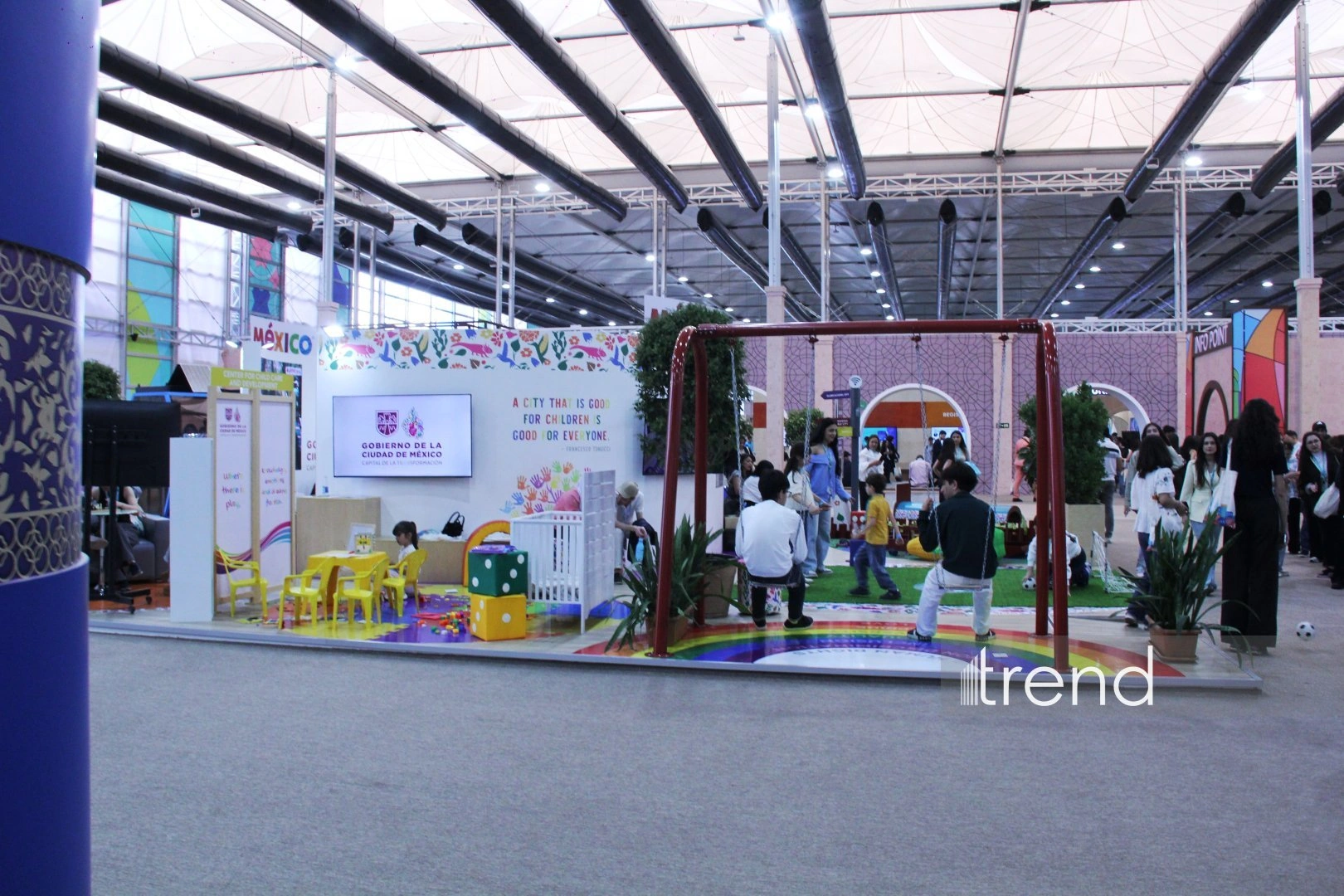
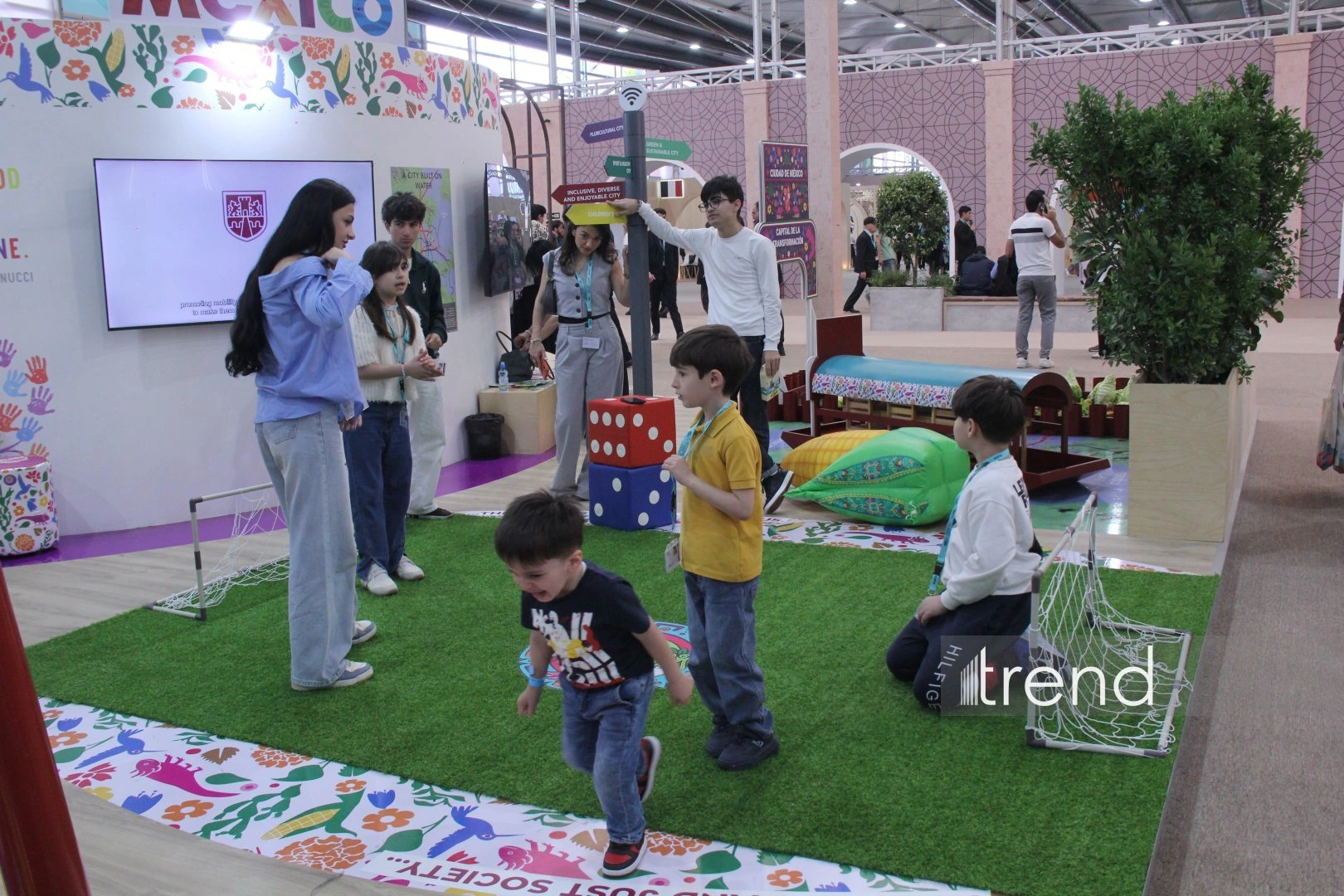
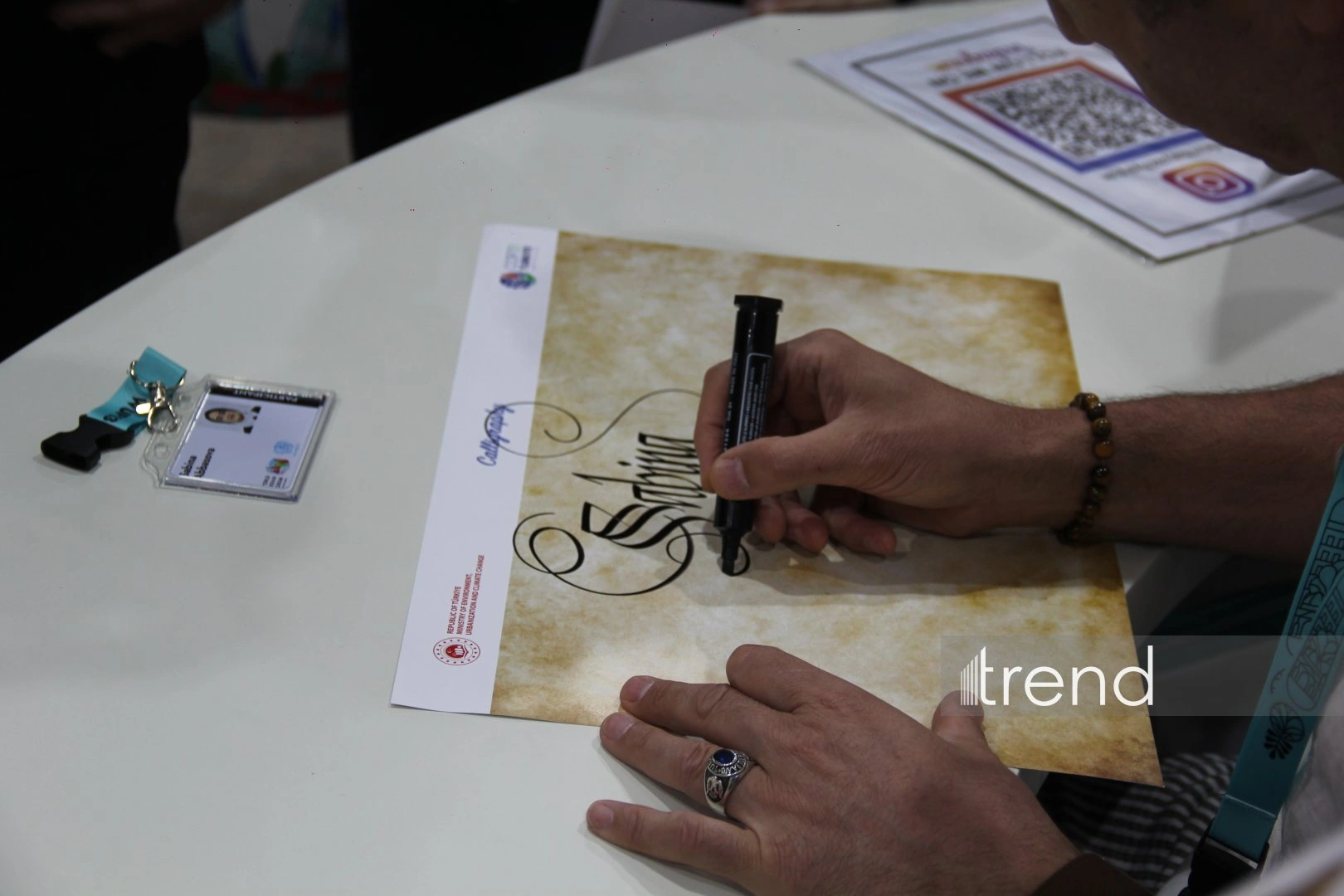
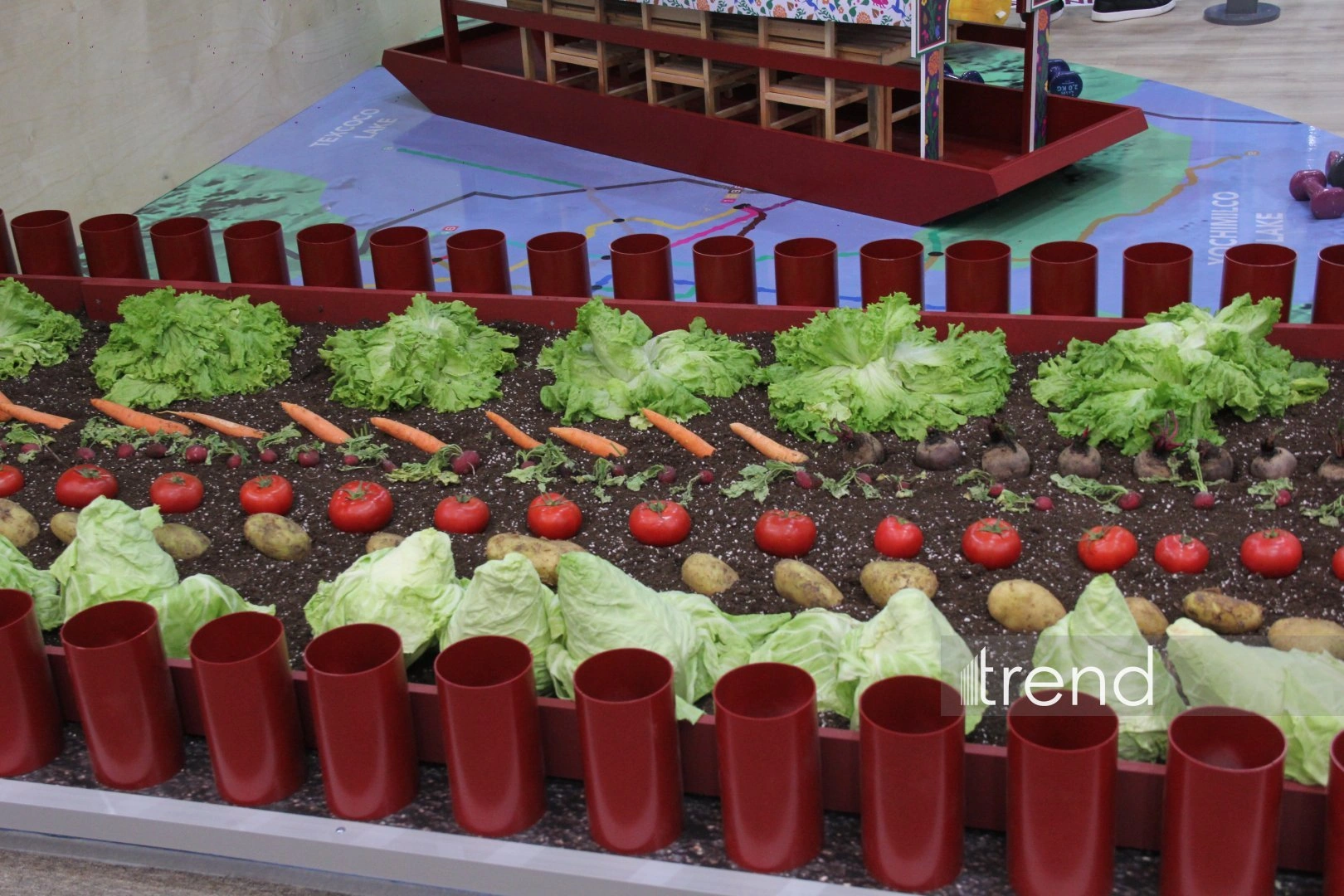
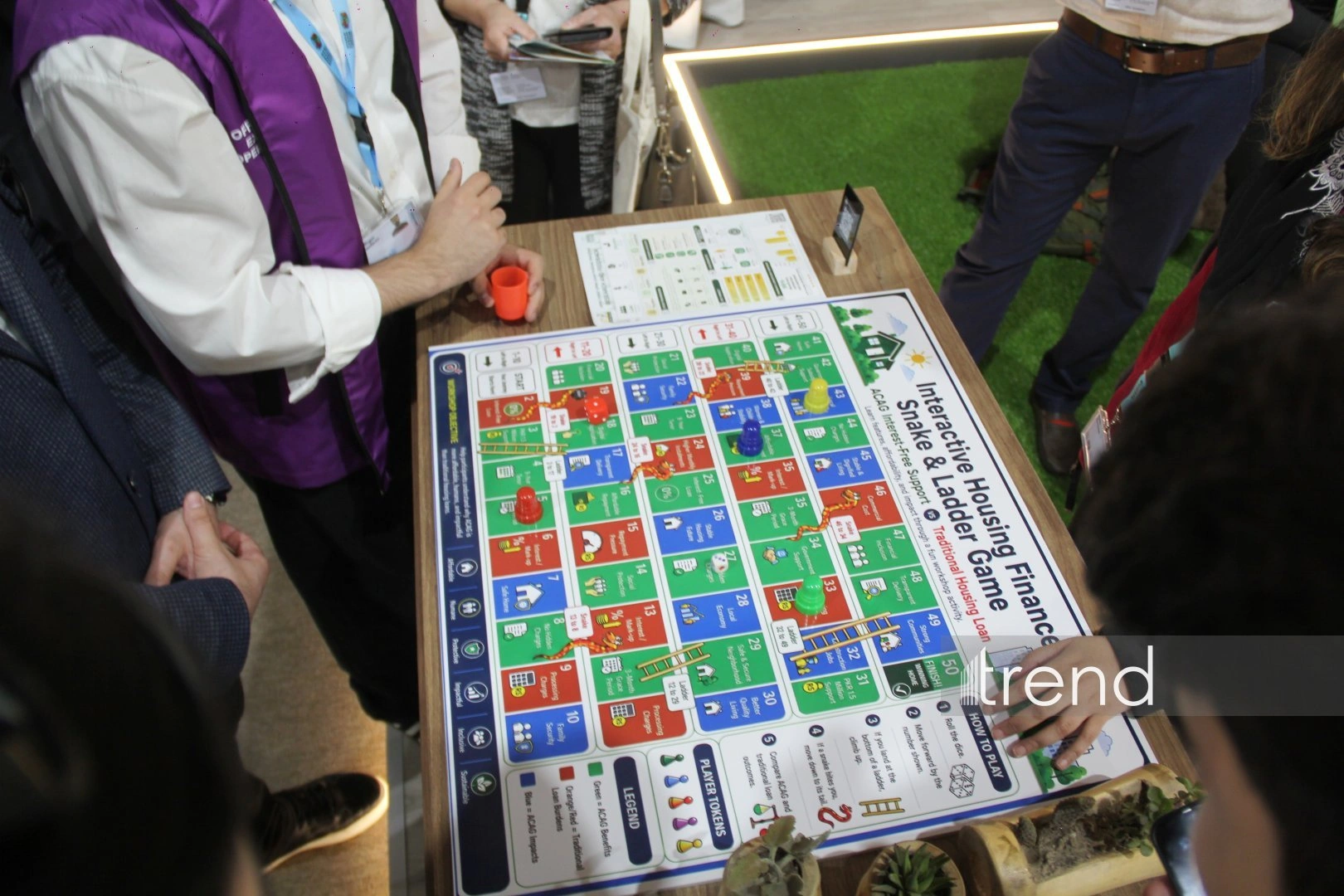
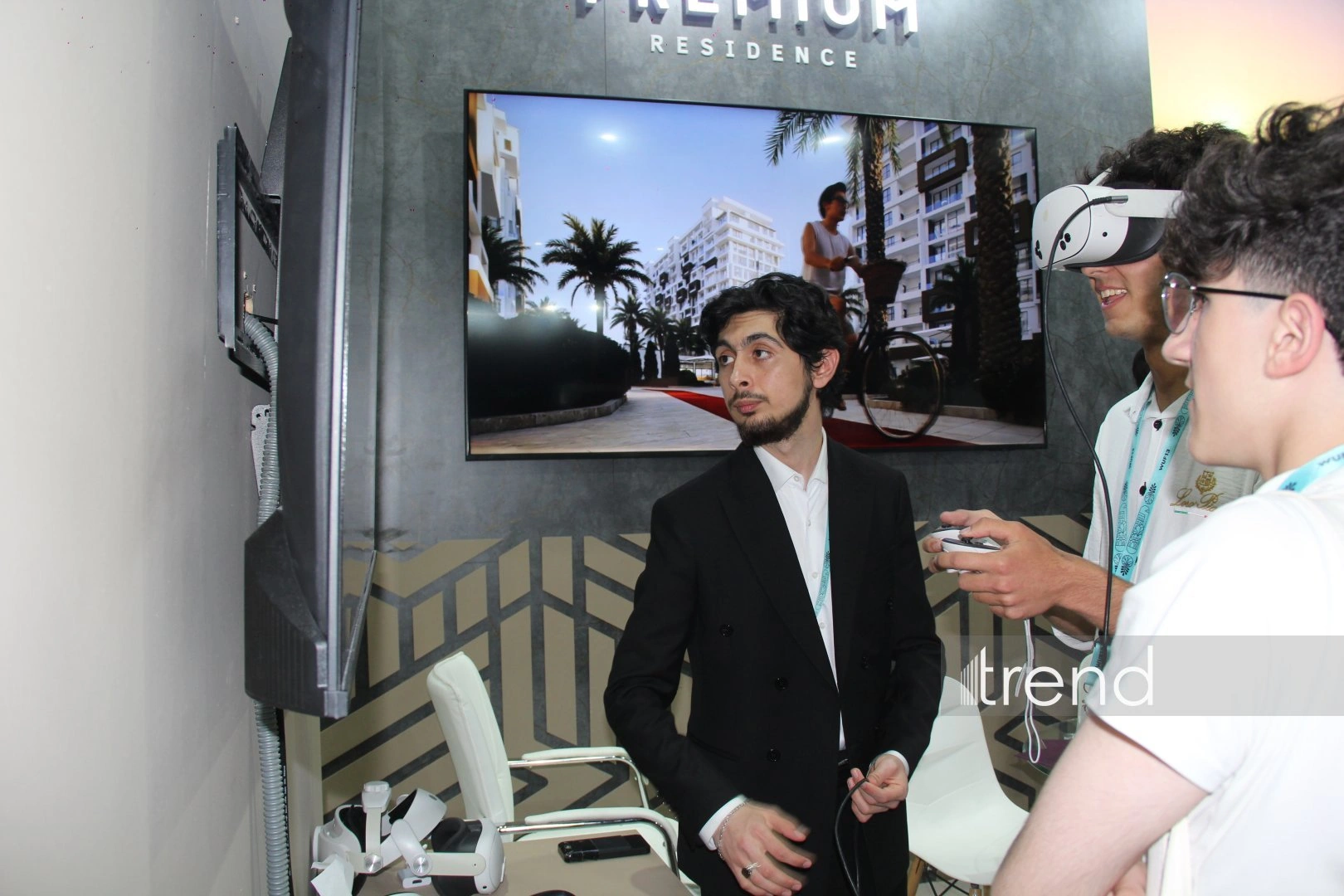
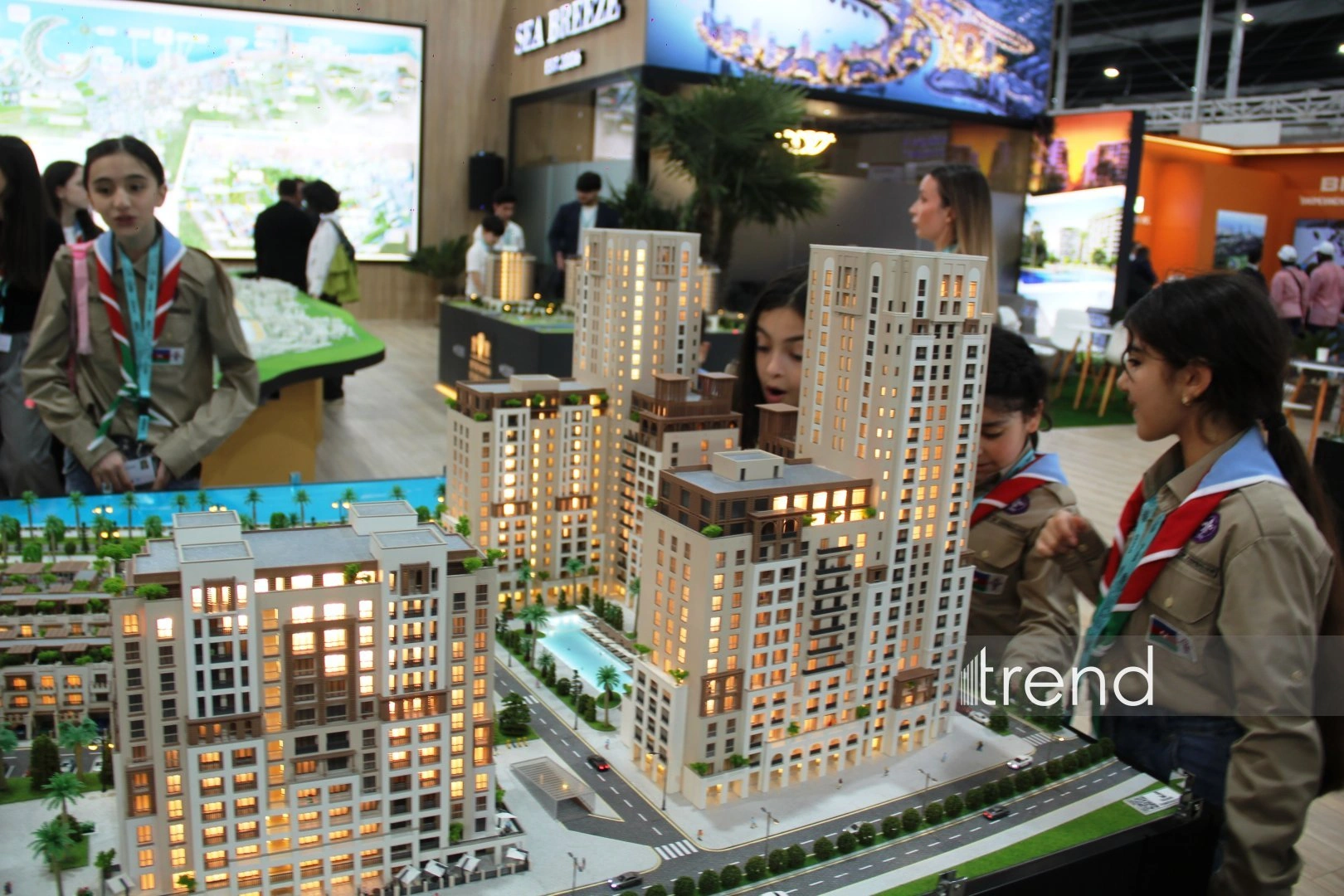
Special play areas, workshops, and educational urban zones have
been organized for families with children. Young visitors are
introduced to virtual reality technologies, participate in creative
activities, and explore the concepts of “smart cities” through
game-based formats.
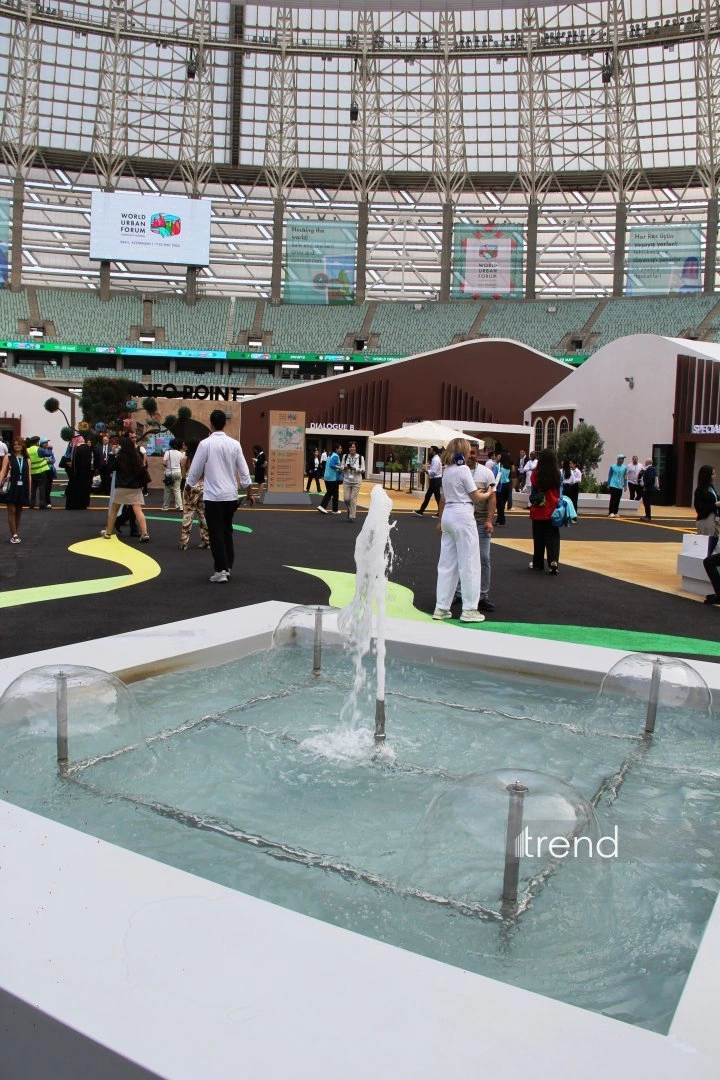
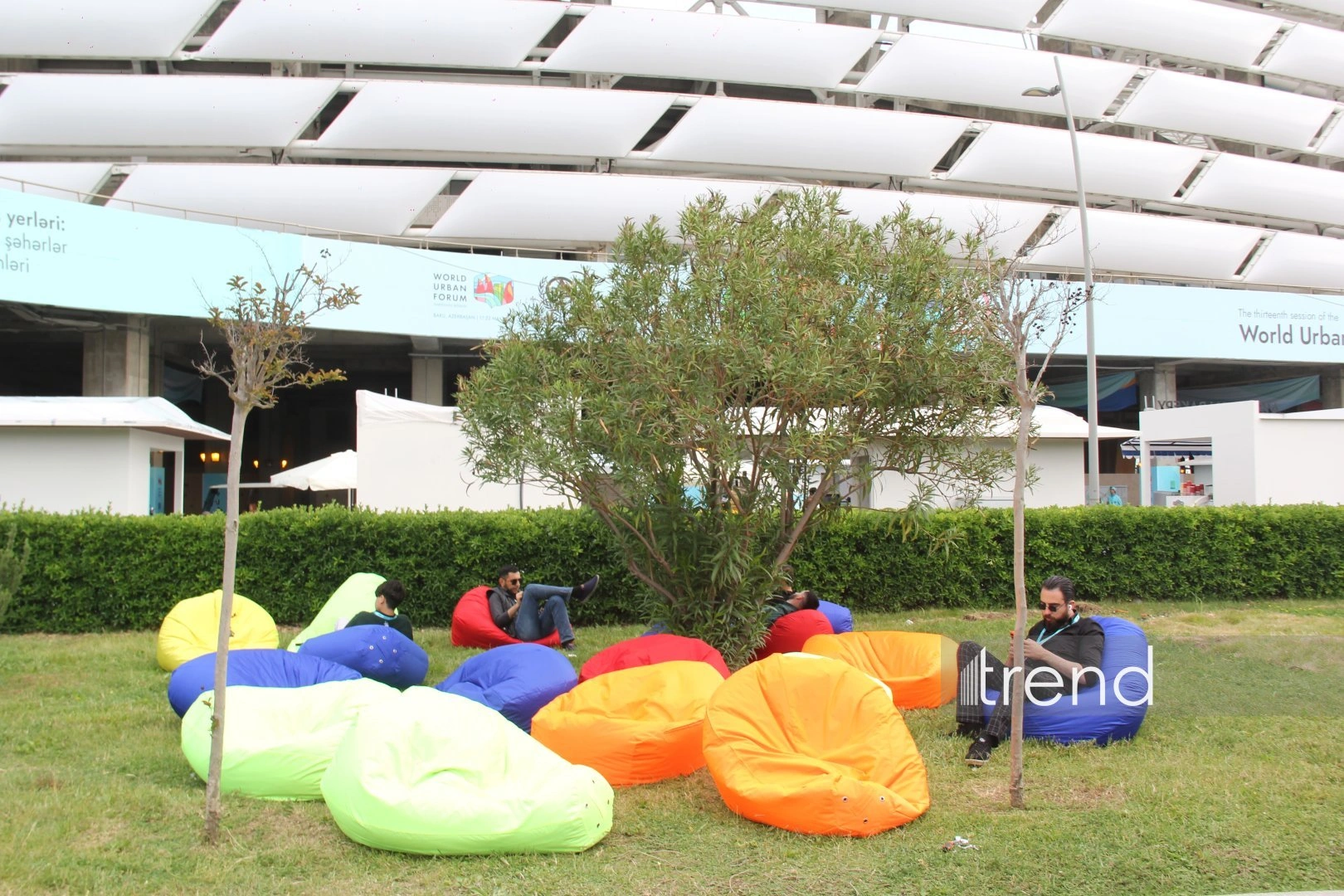
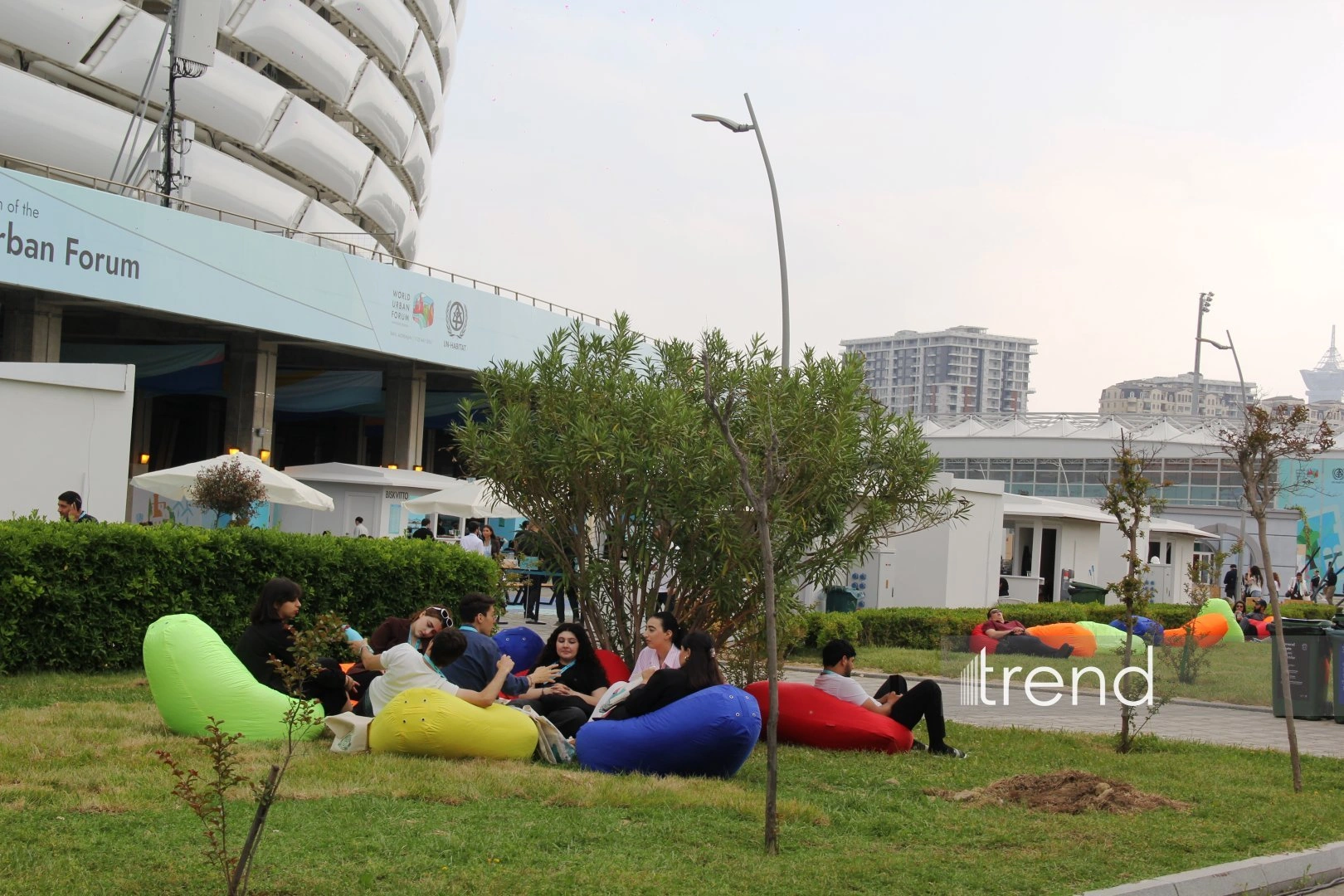
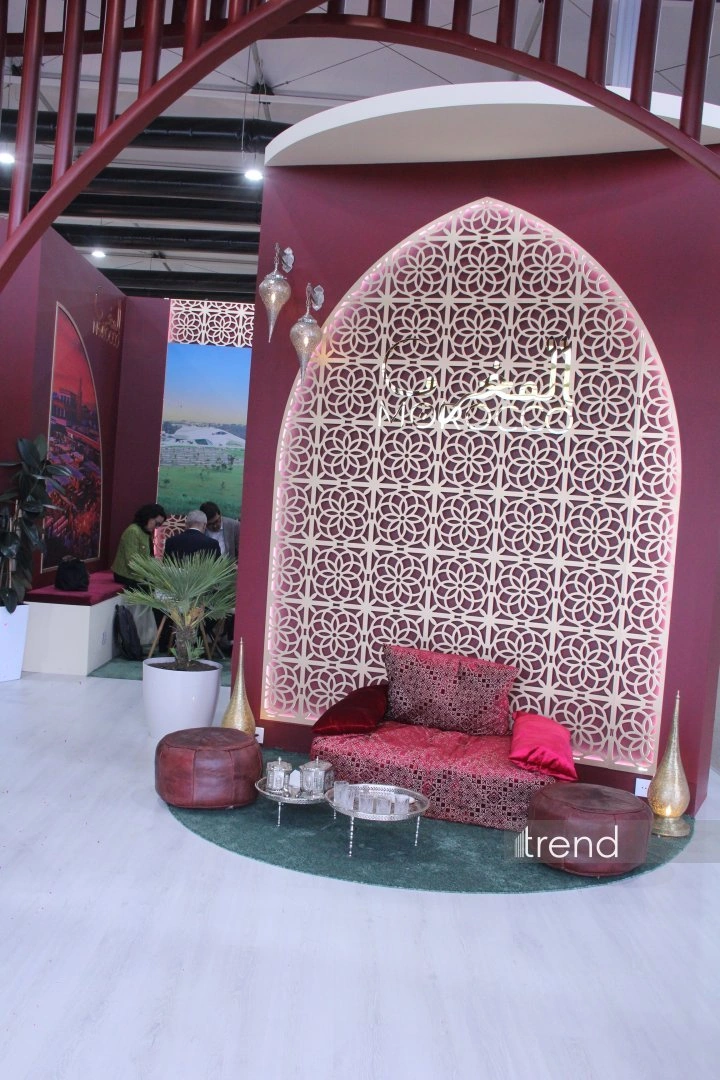
Comfortable relaxation areas for visitors have also been created
on the forum grounds. Between the pavilions are lounge spaces,
green corners, and social areas where guests can relax, watch the
cultural program, or simply enjoy the atmosphere of a major
international festival.
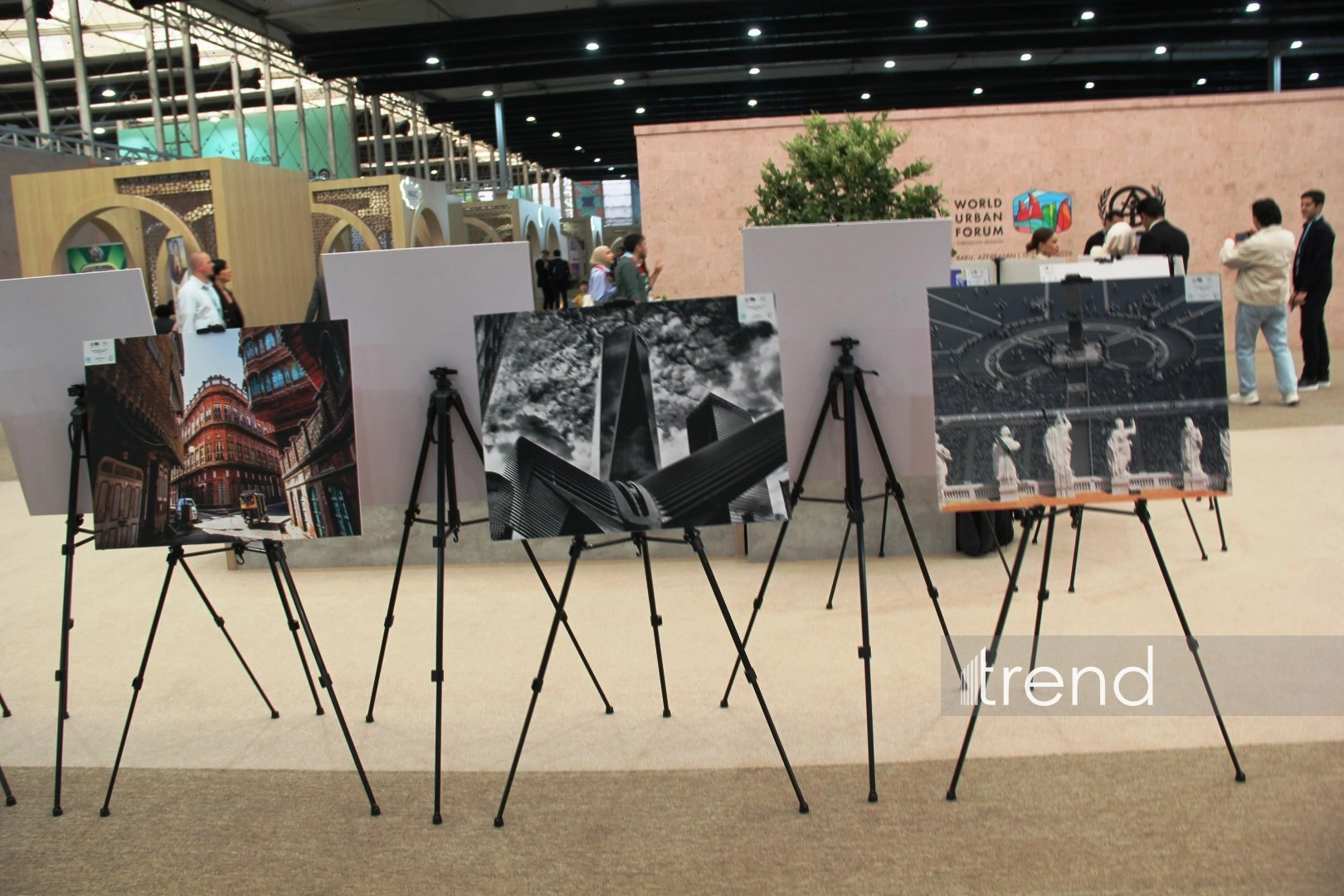
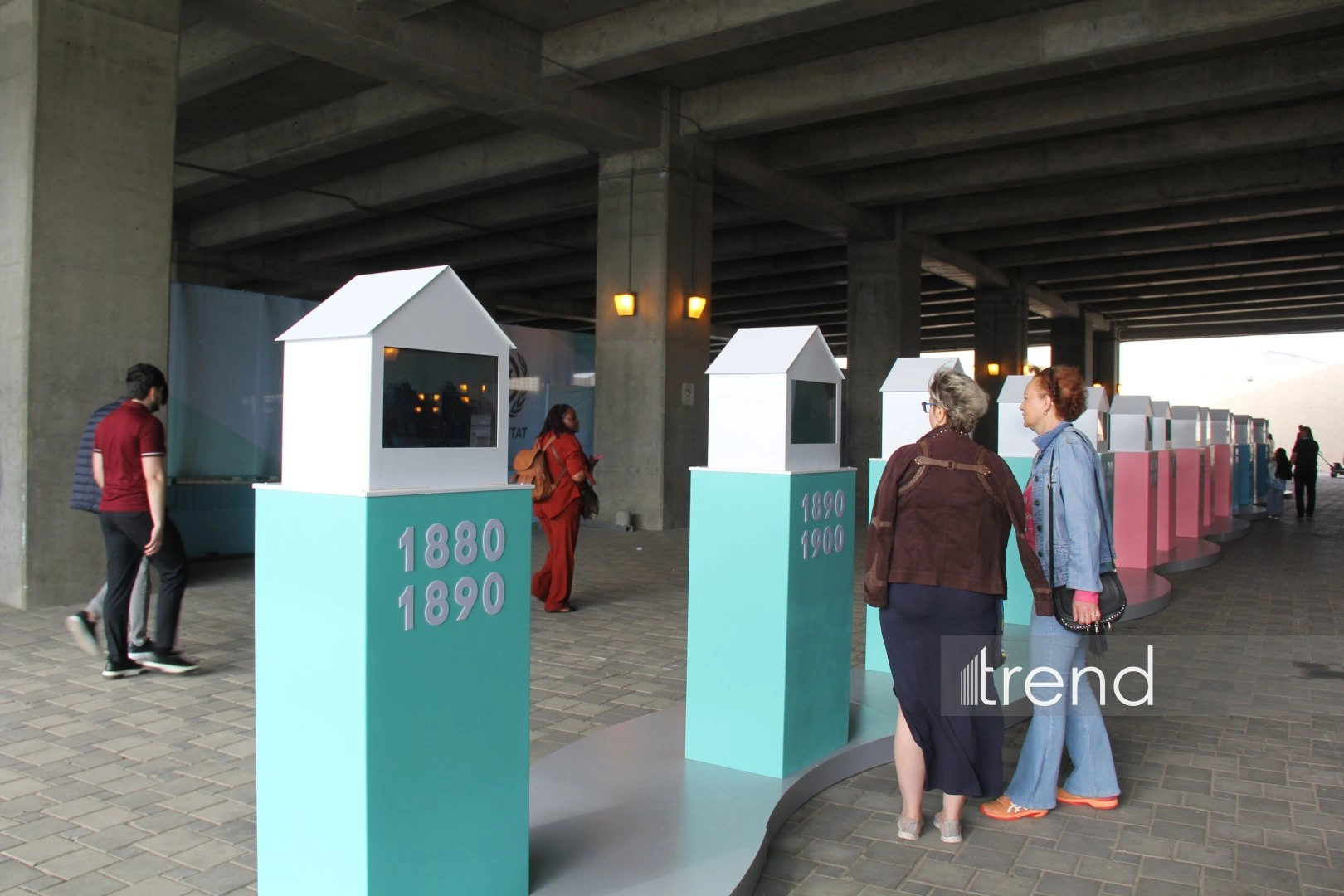
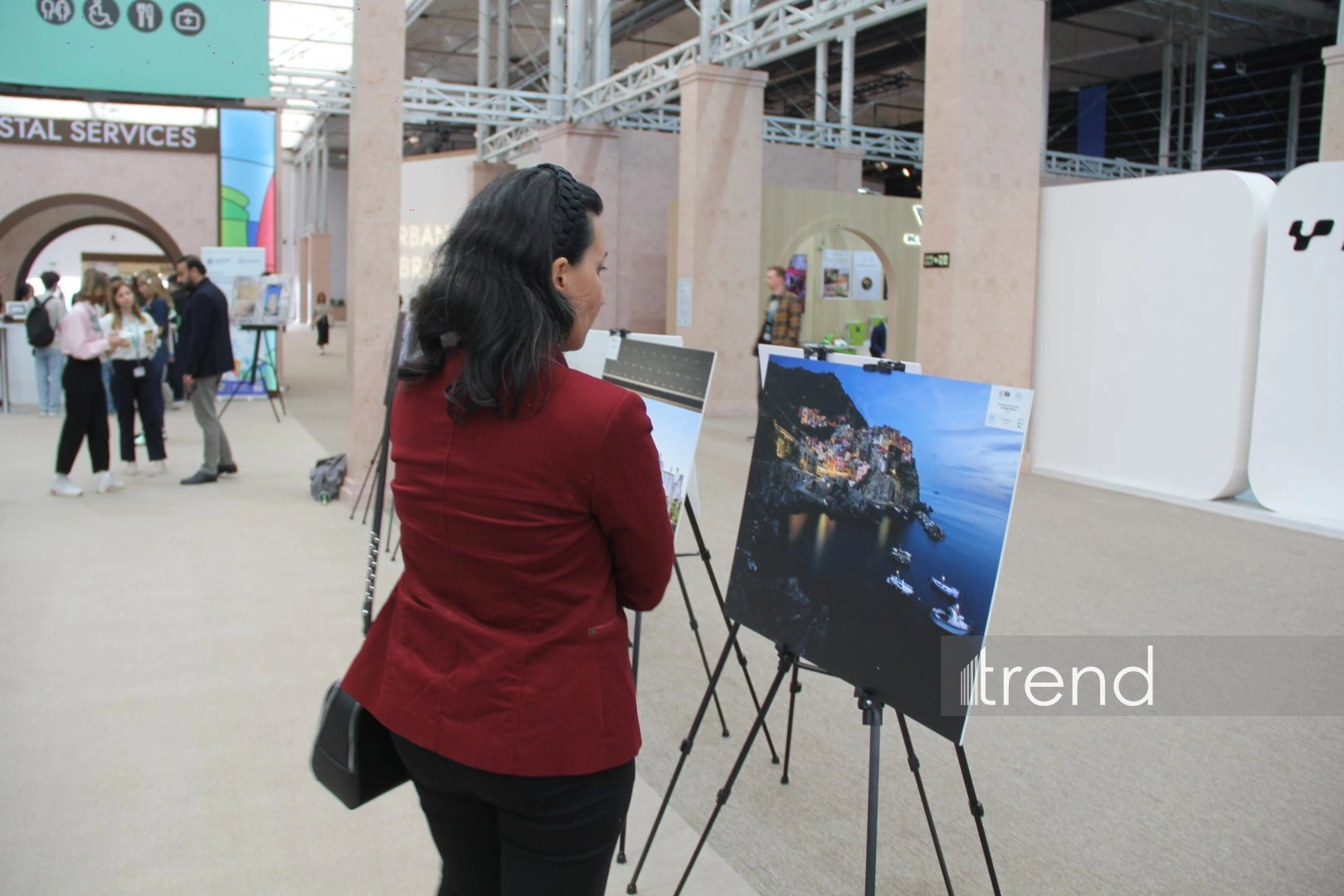
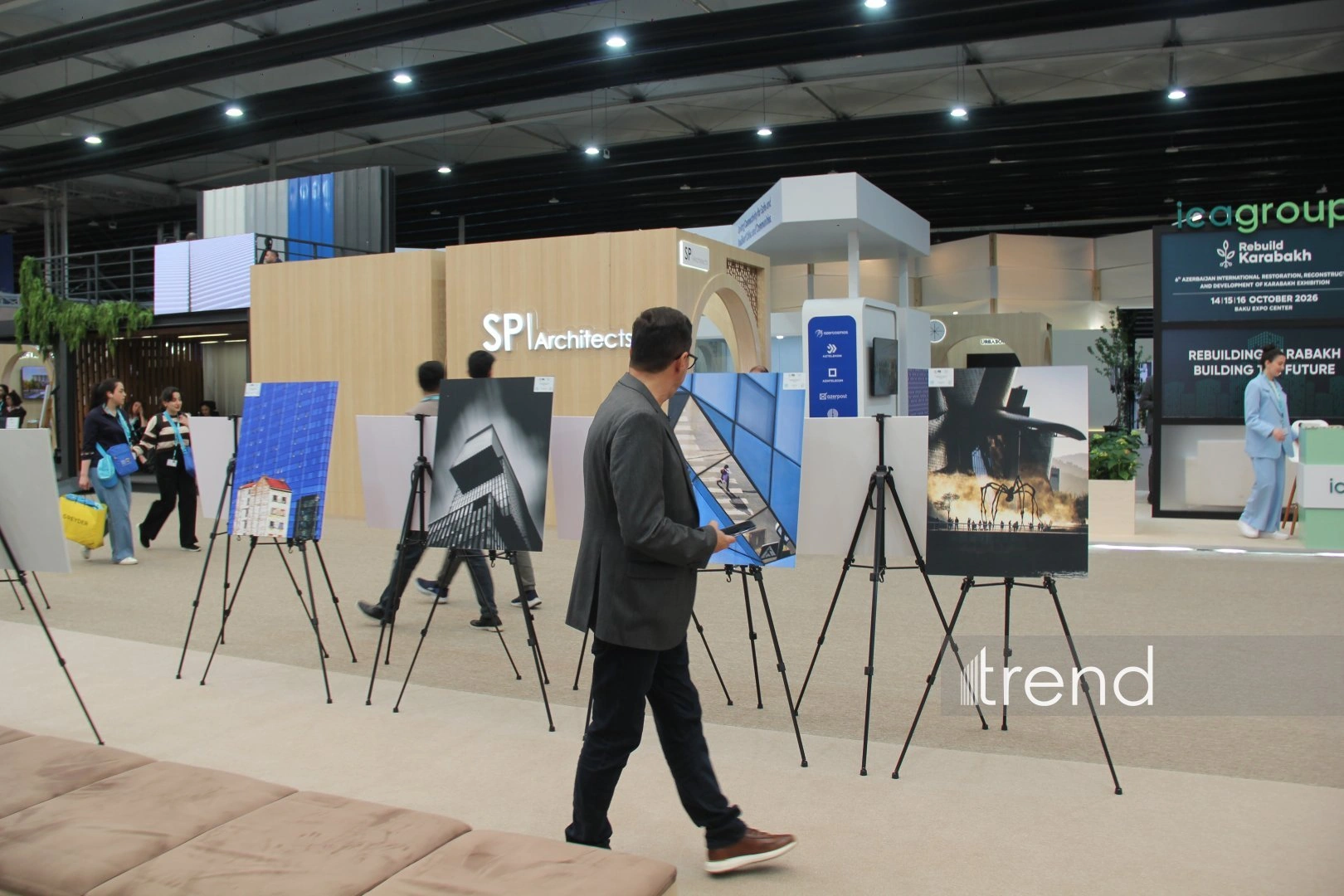
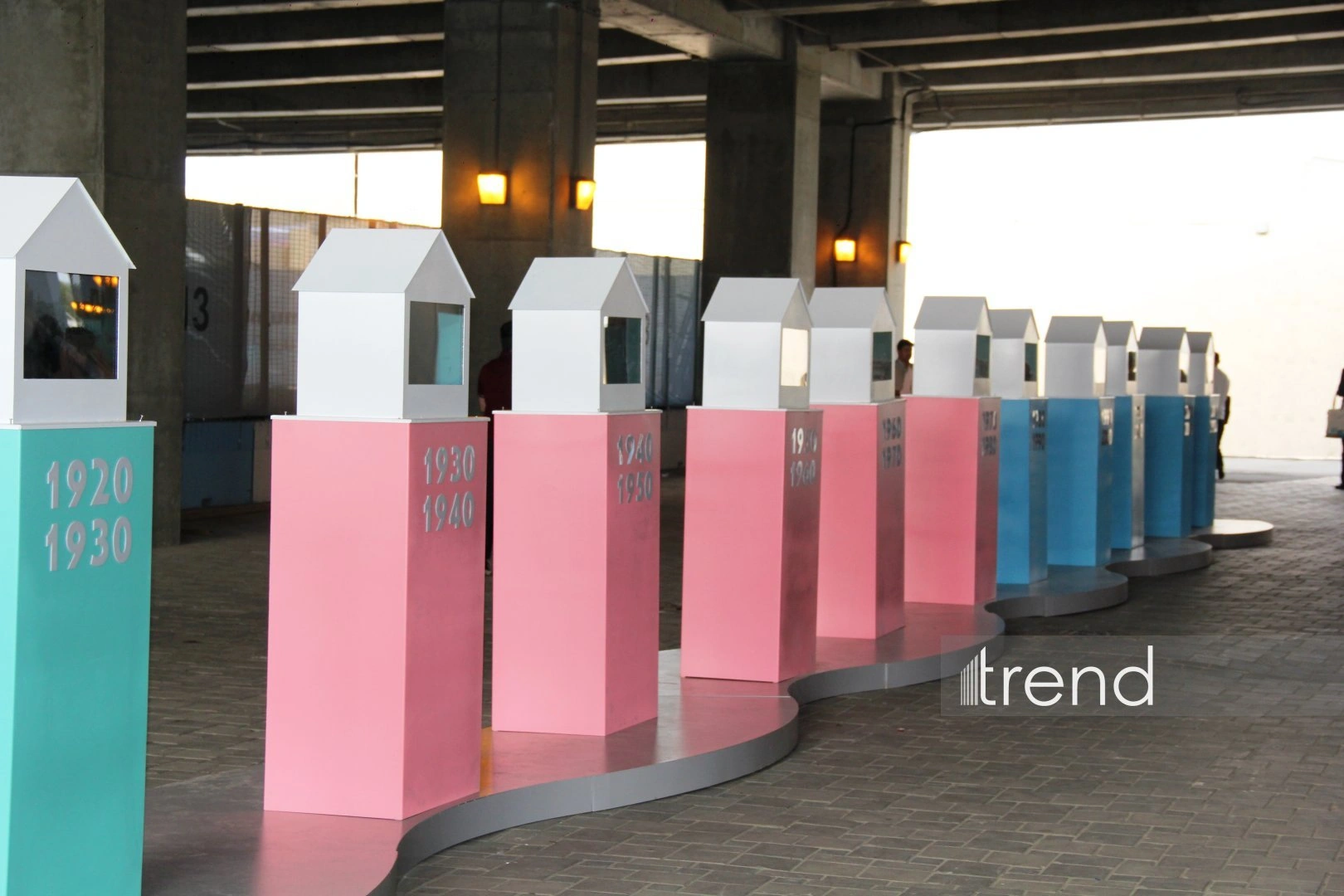
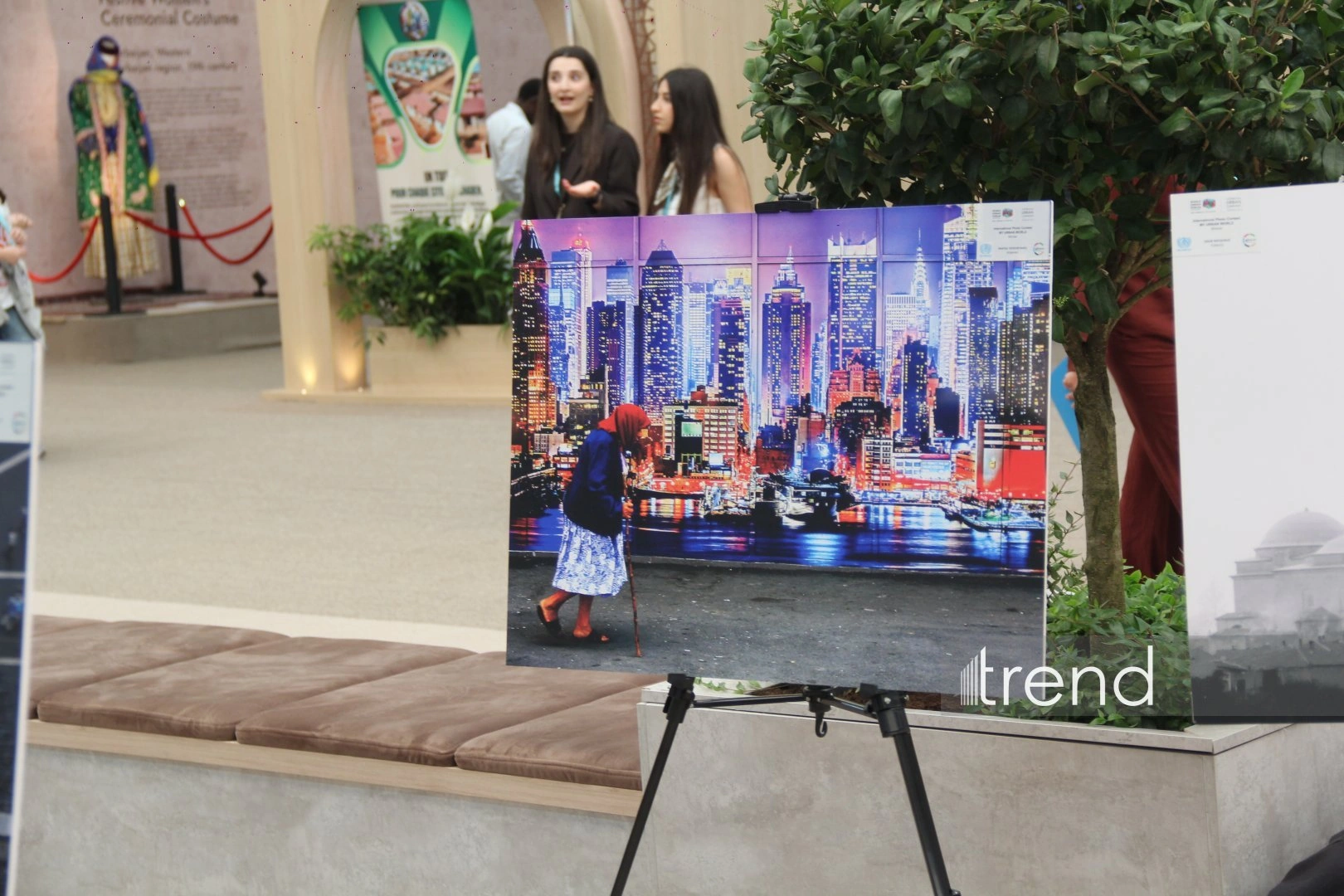
Of particular interest is a photo exhibition dedicated to Baku,
the country’s historic districts, and Azerbaijan’s contemporary
urban projects. The exhibition showcases how history, culture, and
modern architecture blend harmoniously in the country.
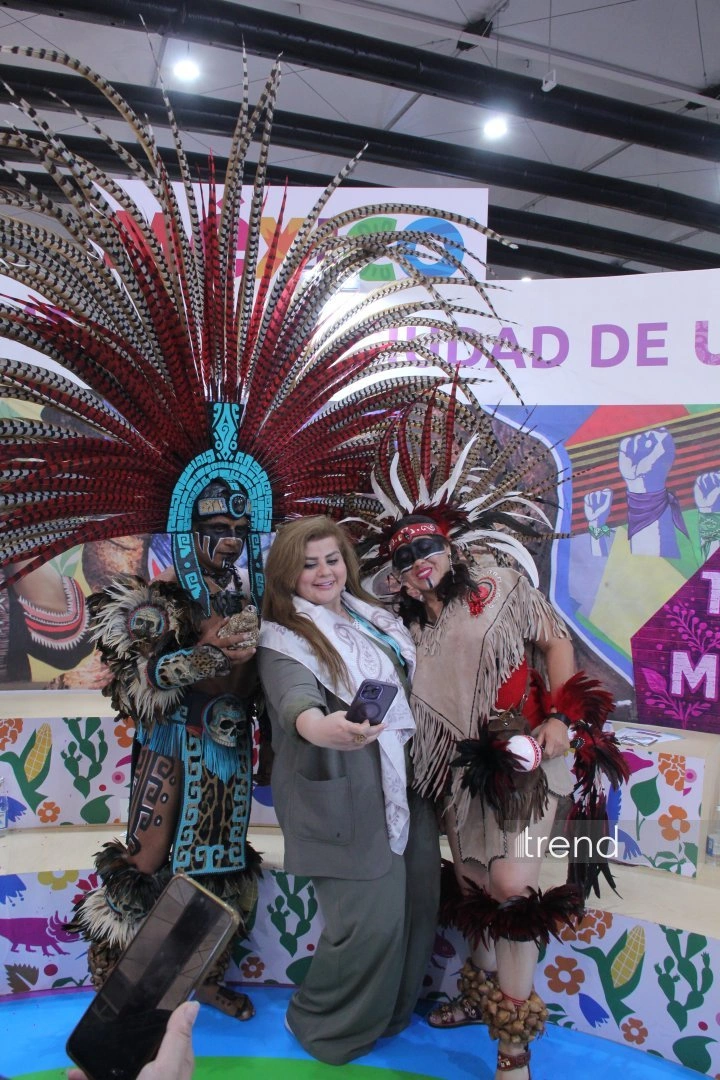
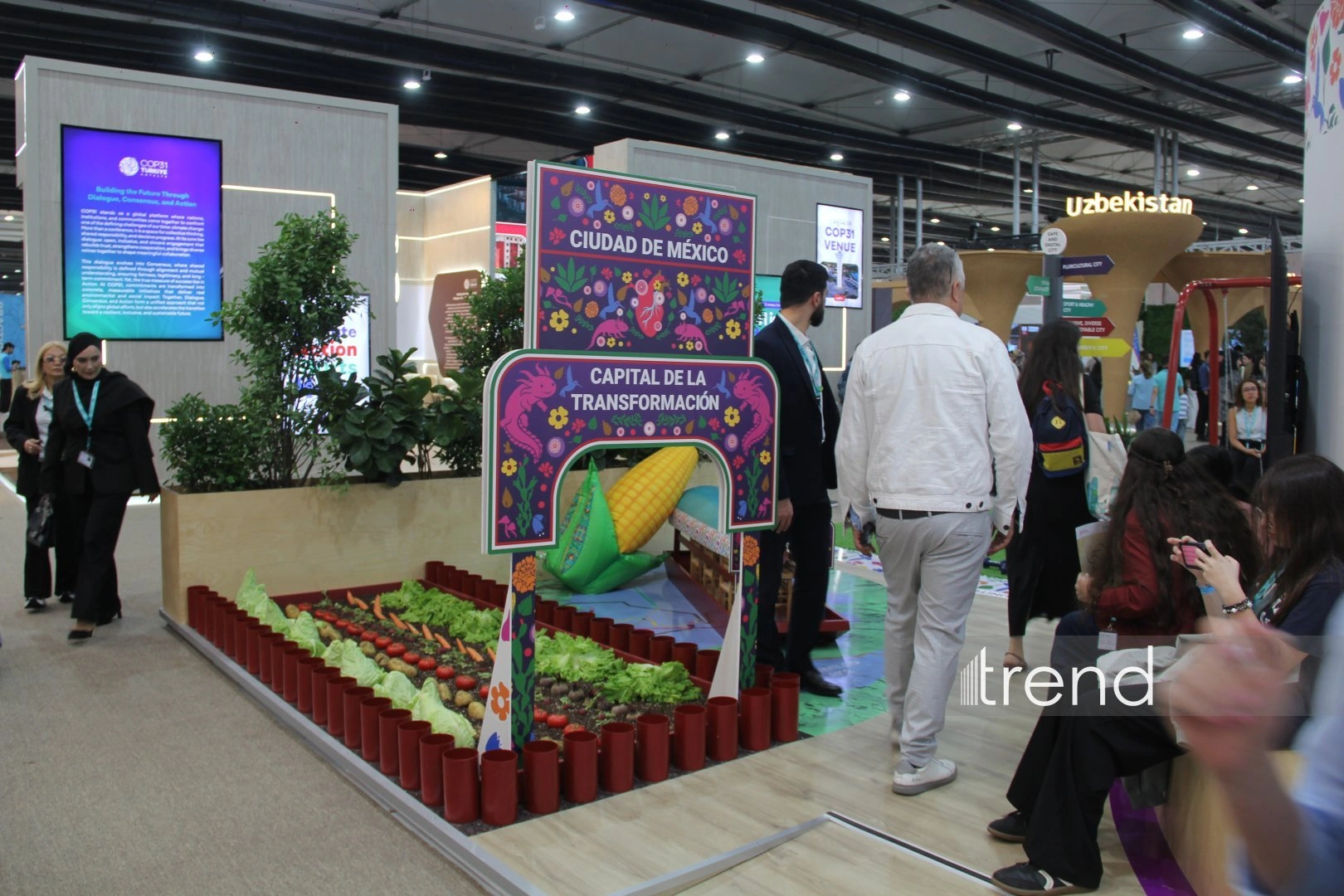
WUF13 in Baku is no longer just an international forum on urban
development. It is a large-scale cultural platform where art,
traditions, technology, and national identity become part of a
unified vision of the city of the future.
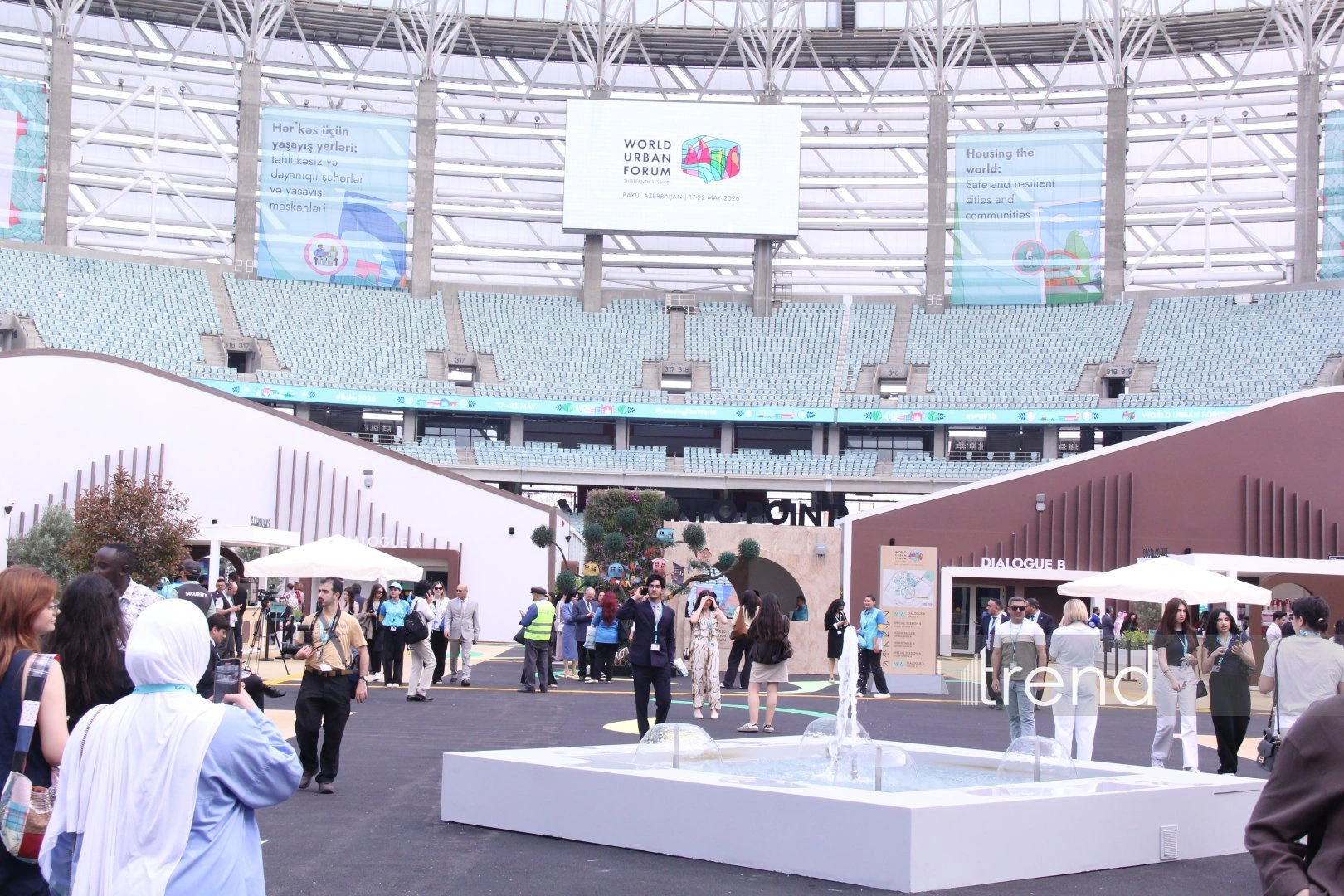
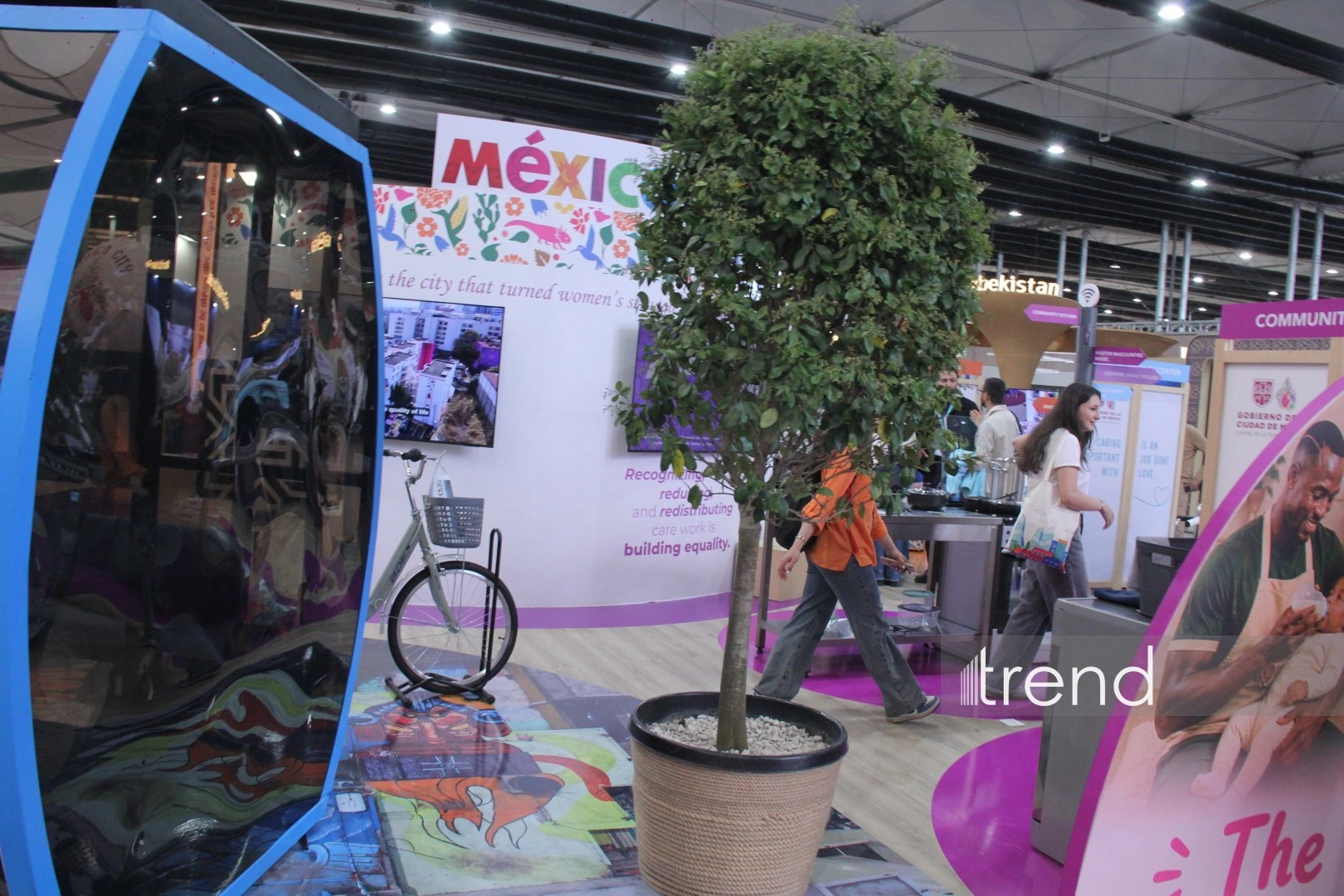
WUF13 is taking place in Baku from May 17 through 22 as part of
a collaboration between the United Nations Human Settlements
Program (UN-Habitat) and the Azerbaijan government. WUF13 features
121 pavilions, including 41 national pavilions, with over 40,000
participants registered from 182 countries. The forum is dedicated
to the theme “Housing the world: Safe and resilient cities and
communities,” and addresses such important issues as the global
housing crisis, sustainable urbanization, urban resilience, the
impact of climate change on cities, and modern urban
governance.