BAKU, Azerbaijan, May 20. The role of the media
is coming to the fore in matters of housing and social development,
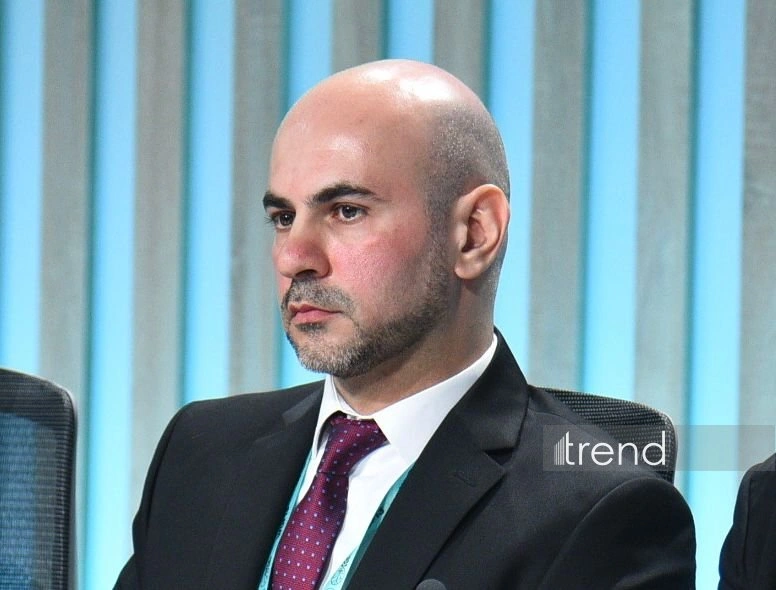
Rasim Baghirov, Director of the Department of International
Relations and Documentation at the Media Development Agency, said,
Trend reports.
He made the statement at the event “Media as a Driver of Public
Discourse on Housing and Urban Resilience,” held as part of
WUF13.
''Today, the media is not merely a platform for conveying
information, but an important tool that shapes public
consciousness, promotes citizen participation, and builds a bridge
of communication between government institutions and society,‘’ he
emphasized.
Baghirov noted that professional and responsible media make a
significant contribution to fostering more substantive and informed
discussions on sustainable urban development, housing
affordability, environmental responsibility, and social
integration:
“Accurate, balanced, and fact-based communication allows
citizens to better understand the processes of urban transformation
and participate more actively in discussions about the future of
cities,” he added.
He emphasized that the media is an important platform for
dialogue:
“Constructive communication between government agencies, civil
society, local communities, and other stakeholders is one of the
key prerequisites for creating a sustainable and inclusive urban
environment. Inclusive dialogue strengthens public trust and allows
urban planning processes to be adapted to the real needs of
society,” he stressed.
The department head added that the role of the media is becoming
increasingly prominent, especially in matters of housing
construction and social development. The media also play an
important role in strengthening transparency and accountability in
urban governance. Objective coverage of initiatives in urban
planning, infrastructure projects, environmental policy, and public
services enhances institutional accountability and strengthens
public trust.
“Furthermore, data-driven journalism and analytical approaches
can transform complex urban challenges into knowledge that is more
accessible to the public and foster more meaningful public
engagement in urban policy.
However, in today’s information environment, these opportunities
are also accompanied by serious challenges. Disinformation,
manipulative narratives, and the rapid spread of unverified
information can undermine public trust, weaken social cohesion, and
complicate decision-making, especially during periods of urban
transformation,” Baghirov stated.
“That is precisely why reliable information, ethical journalism,
media literacy, and professional standards are the cornerstones of
a sustainable society. When citizens have access to reliable
information and can critically assess the information landscape,
societies become stronger and more resilient,” he concluded.
Today, the fourth day of the WUF13 conference is taking place in
Baku.
The first day included a ministerial meeting dedicated to the
New Urban Agenda, a ministerial roundtable, assemblies for women
and civil society, business sessions, and discussions on urban
prosperity. An official ceremony marking the raising of the UN and
Azerbaijani flags also took place.
The second day stood out for the inaugural Leaders' Summit,
featuring high-level discussions on the global housing crisis,
urbanization policy, and urban resilience. Concurrently, the
opening of the Mexico City pavilion took place, serving as a
significant platform for expanding cooperation with the Latin
American region and preparing for WUF14.
The third day of WUF13 featured a comprehensive program of
events covering the global housing crisis, the formation of safe
and inclusive cities, climate resilience, artificial intelligence
and urban governance, green urbanization, social equity, and
sustainable transport.
WUF13, which has attracted more than 40,000 registered
participants from 182 countries, will continue until May 22. Held
under the theme “Housing the world: Safe and resilient cities and
communities,” the forum brings together governments, international
organizations, experts, and representatives of civil society to
strengthen global cooperation in the field of sustainable urban
development.