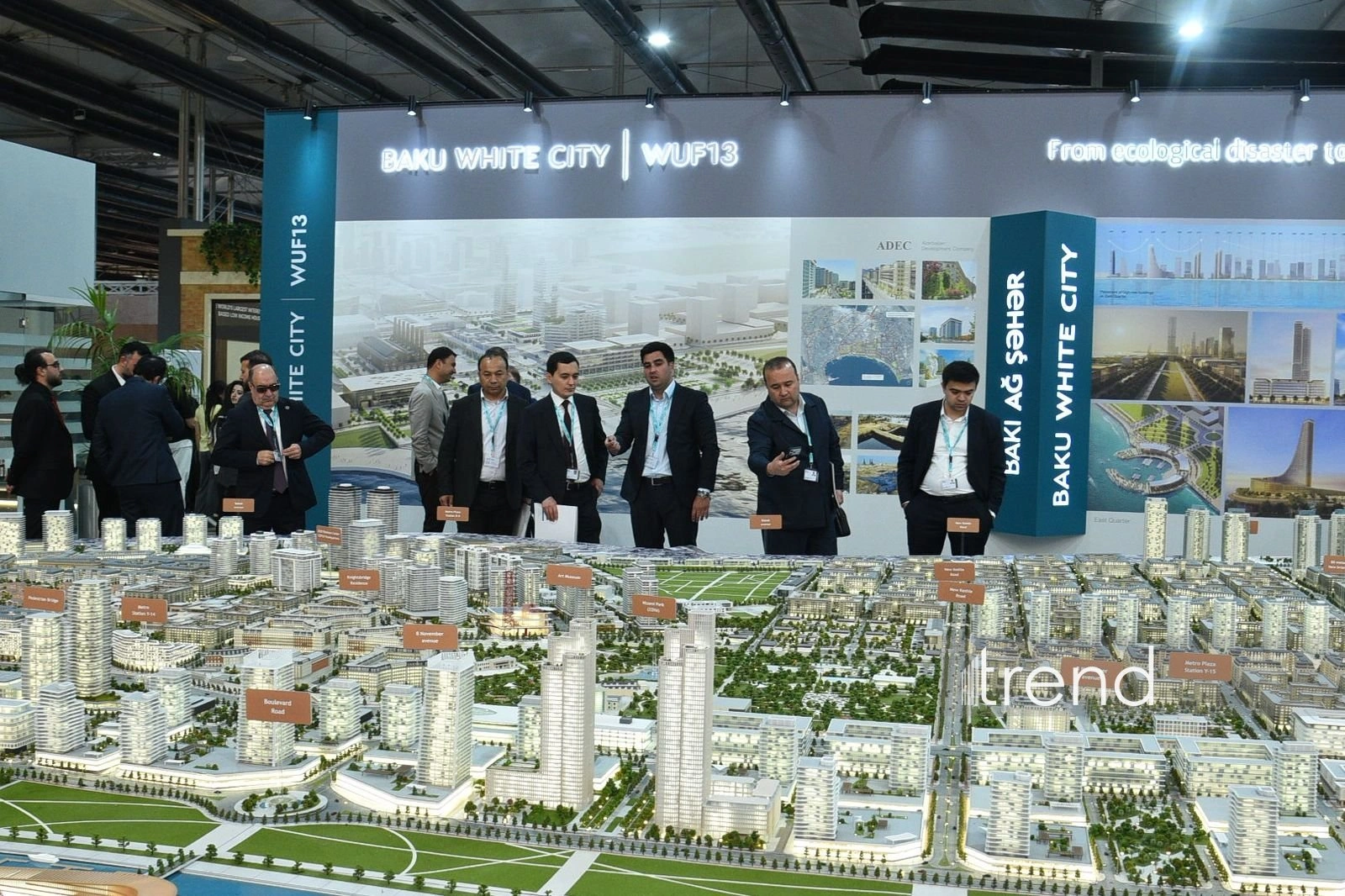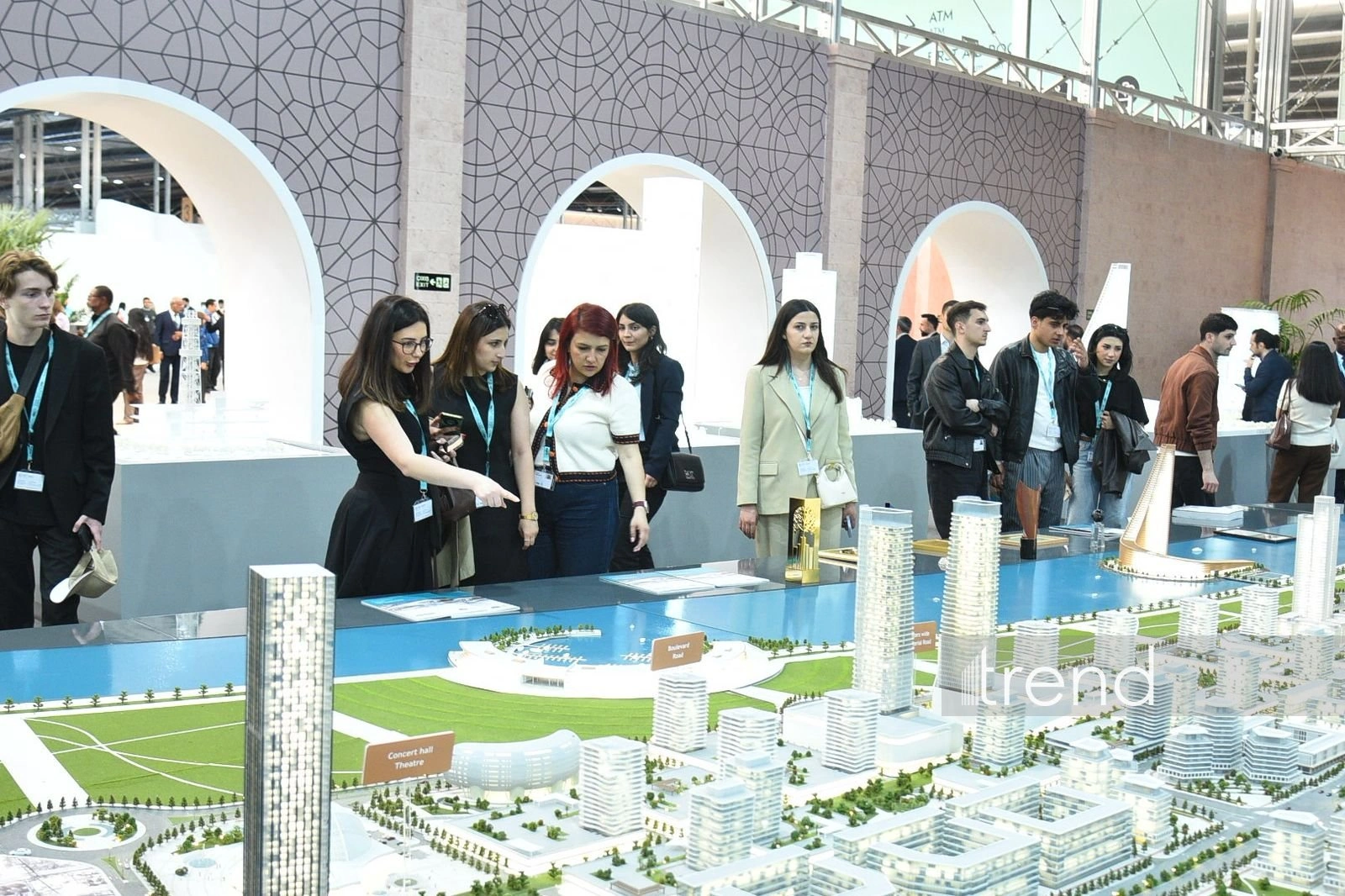
BAKU, Azerbaijan, May 20. The Baku White City
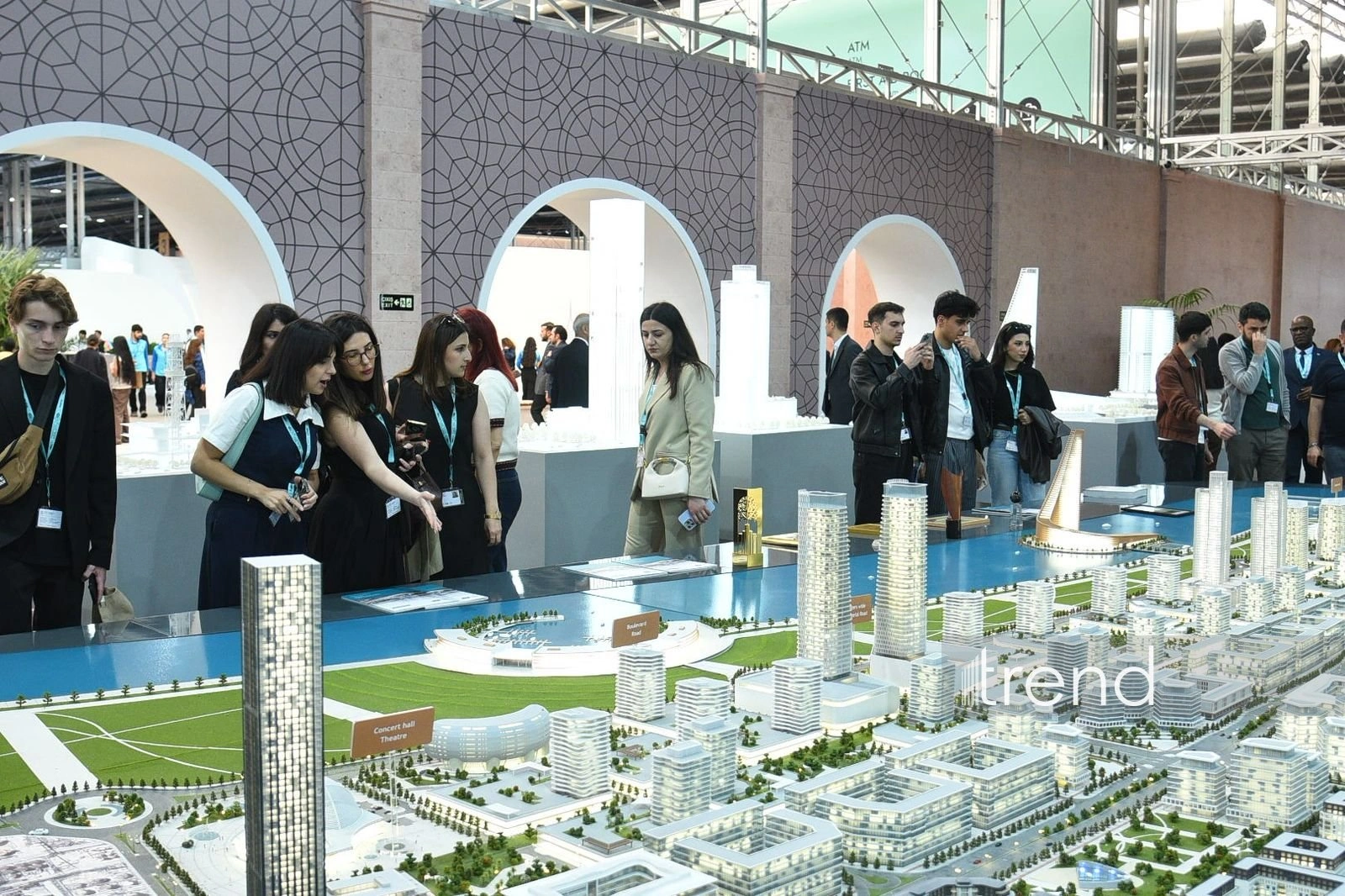
pavilion, organized within the Urban Expo exhibition area at the
13th session of the World Urban Forum (WUF13), has generated
significant interest among foreign guests, Trend reports.
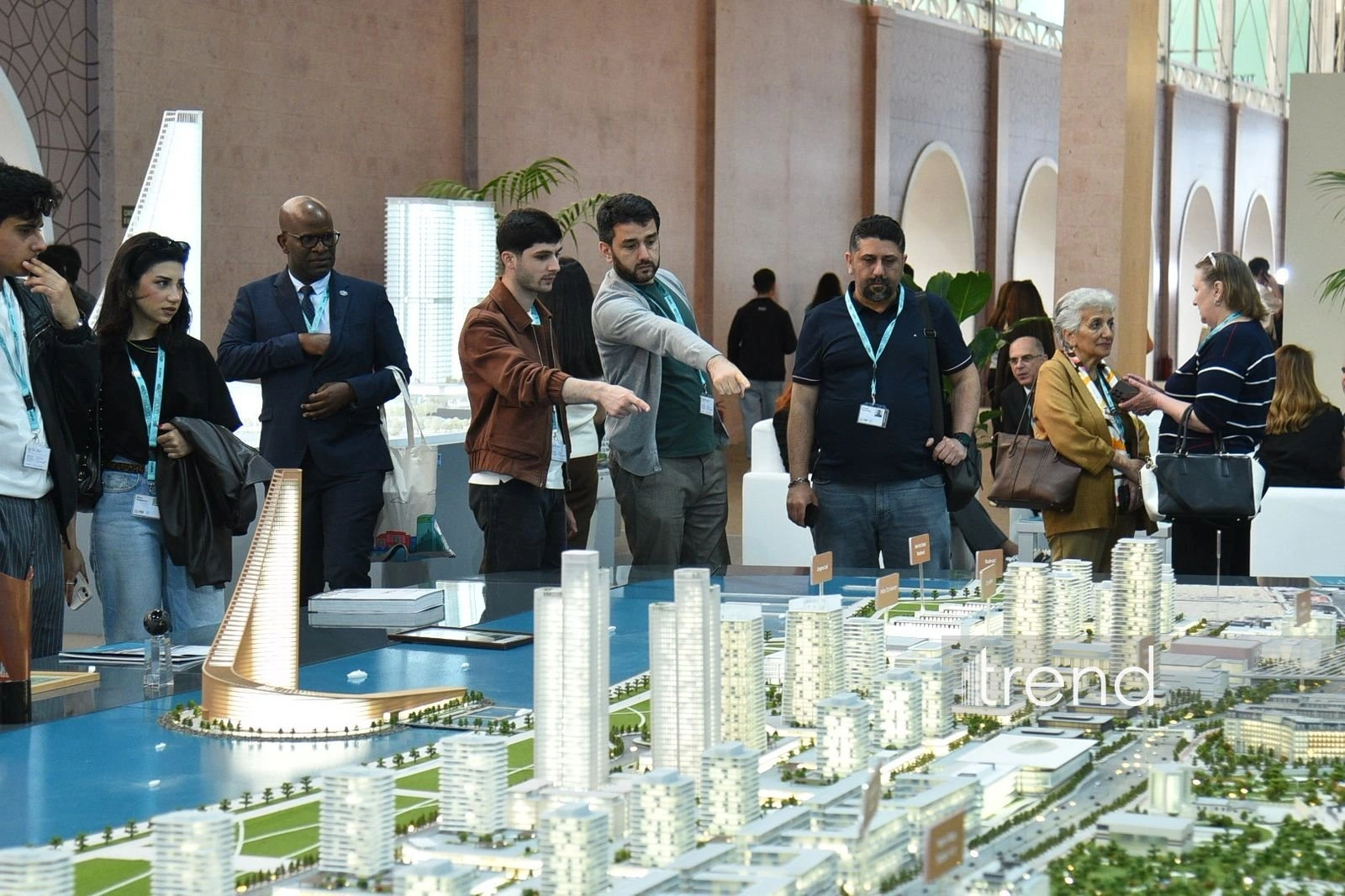
Delegates from various nations highly praised the Baku White
City project's modern urban planning concepts, its integration of
green spaces into municipal solutions, and its broader urban
transformation model.
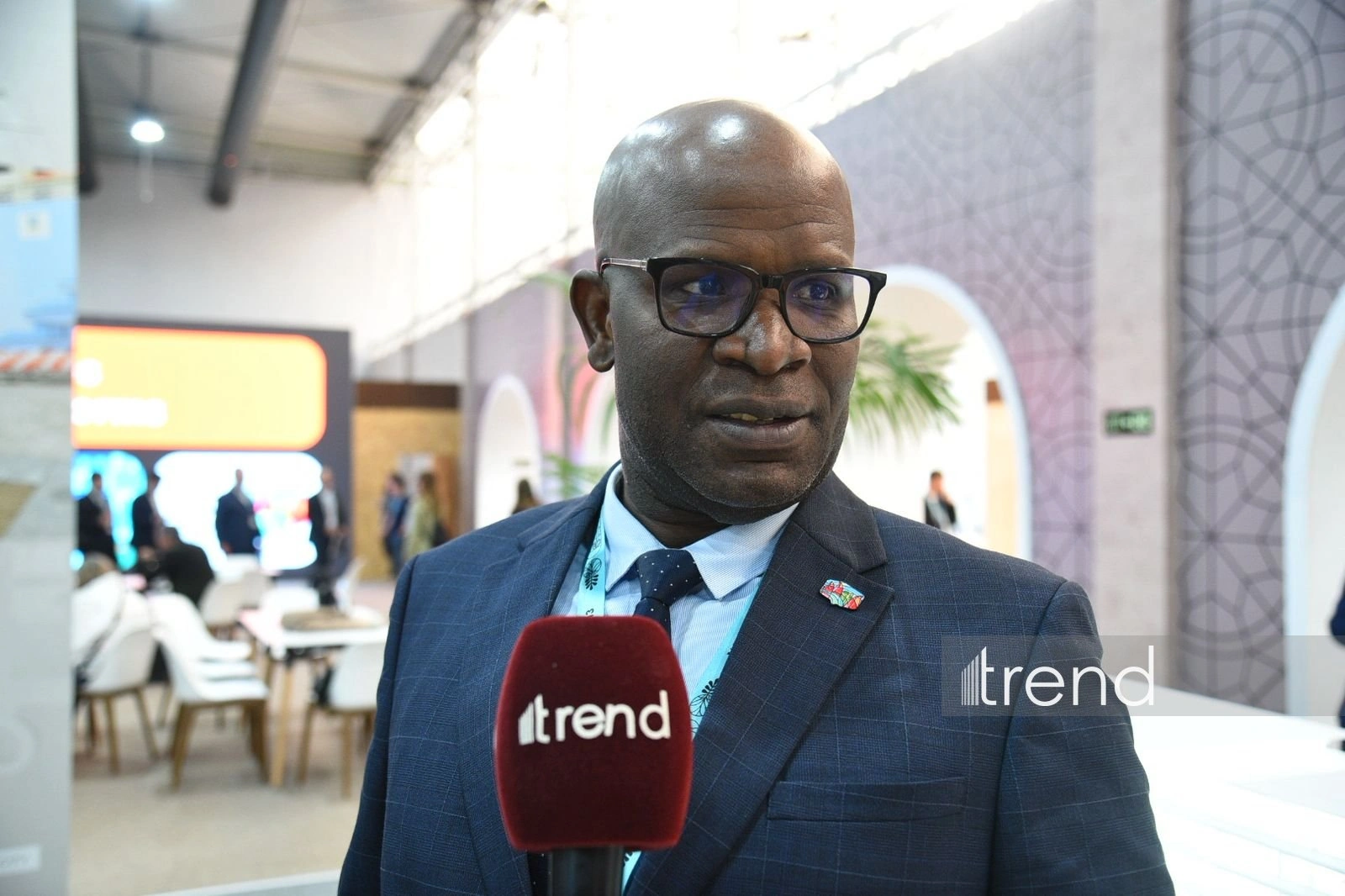
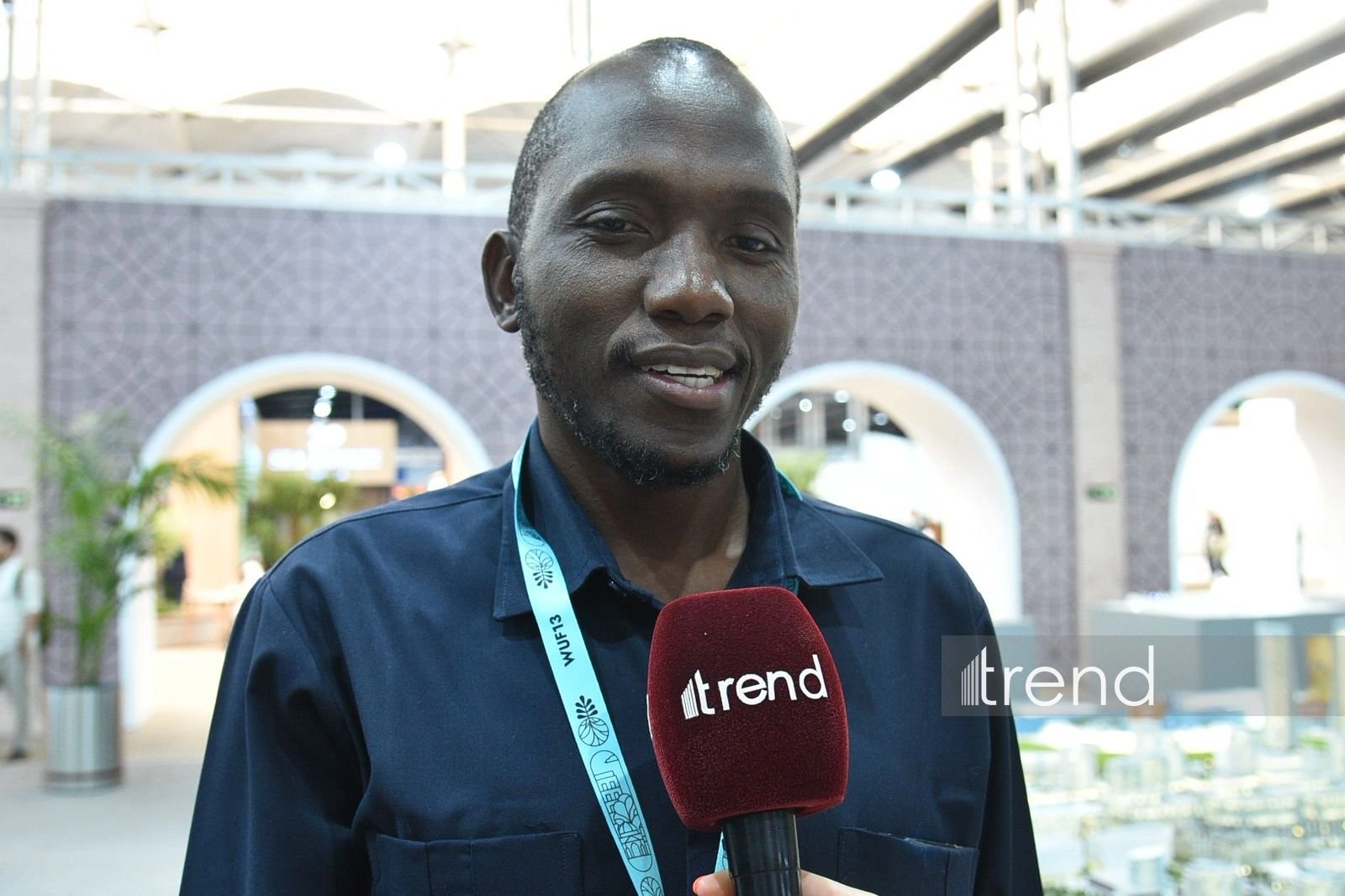
Kenedy Chiguru, a delegate from Tanzania, noted that the
conceptual transition from "Black City" to "White City" stands out
as deeply impressive.
"Of course, it is beautiful. I highly appreciate the methodology
behind transforming 'Black City' into 'White City.' It is
spectacular," he emphasized.
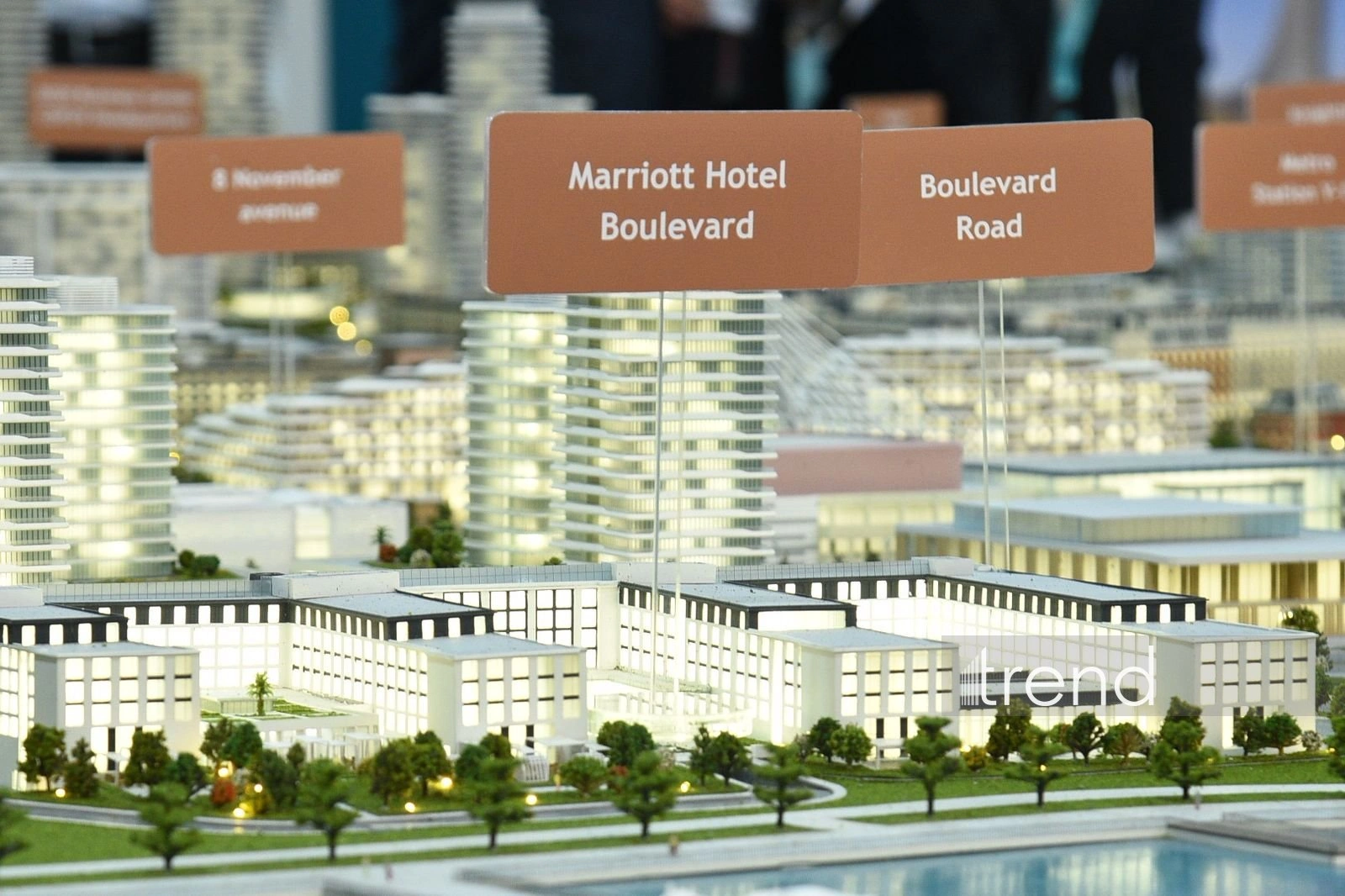
He further noted that combining green spaces, wide roads,
recreational zones, and commercial areas within the project
represents a highly successful approach to municipal development.
"I feel very inspired by the city's design. The transition from an
old industrial zone into a modern city looks very successful," he
added.
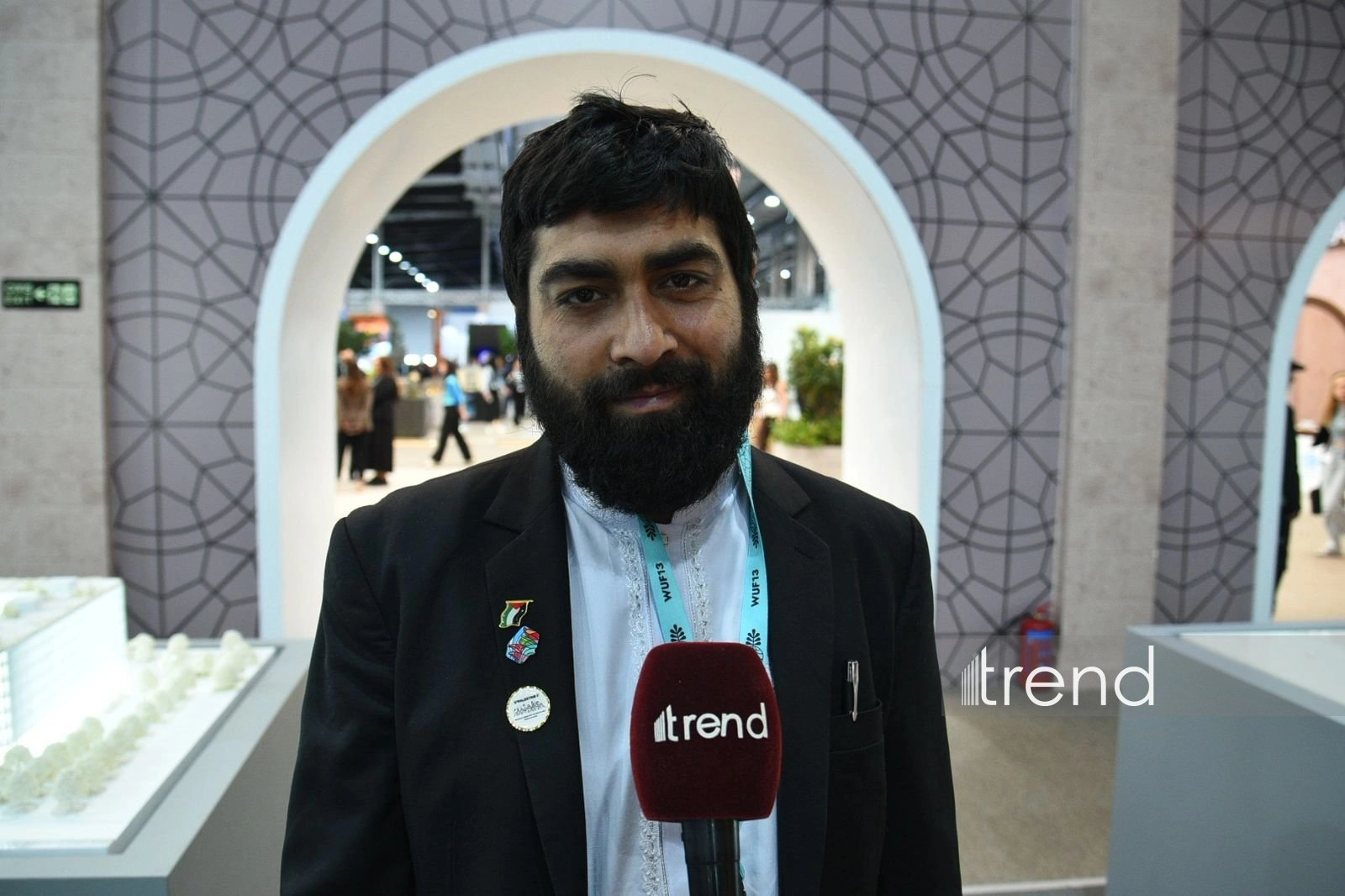
Muhammad Ali, a delegate from Pakistan, expressed his
satisfaction with Baku's overall aesthetic and local
hospitality.
"I toured Baku together with my family. It is a very beautiful
country. The White City project specifically looks wonderful. The
nature and the urban environment leave a very pleasant impression,"
he stated.
The guest added that the helpful nature of the local population
in Azerbaijan and the smooth organization of the visa acquisition
process left a highly positive impression on him.
Today marks the fourth day of WUF13 in Baku.
The first day included a ministerial meeting dedicated to the
New Urban Agenda, a ministerial roundtable, assemblies for women
and civil society, business sessions, and discussions on urban
prosperity. An official ceremony marking the raising of the UN and
Azerbaijani flags also took place.
The second day stood out for the inaugural Leaders' Summit,
featuring high-level discussions on the global housing crisis,
urbanization policy, and urban resilience. Concurrently, the
opening of the Mexico City pavilion took place, serving as a
significant platform for expanding cooperation with the Latin
American region and preparing for WUF14.
The third day of WUF13 featured a comprehensive program of
events covering the global housing crisis, the formation of safe
and inclusive cities, climate resilience, artificial intelligence
and urban governance, green urbanization, social equity, and
sustainable transport.
WUF13, which has attracted more than 40,000 registered
participants from 182 countries, will continue until May 22. Held
under the theme “Housing the world: Safe and resilient cities and
communities,” the forum brings together governments, international
organizations, experts, and representatives of civil society to
strengthen global cooperation in the field of sustainable urban
development.