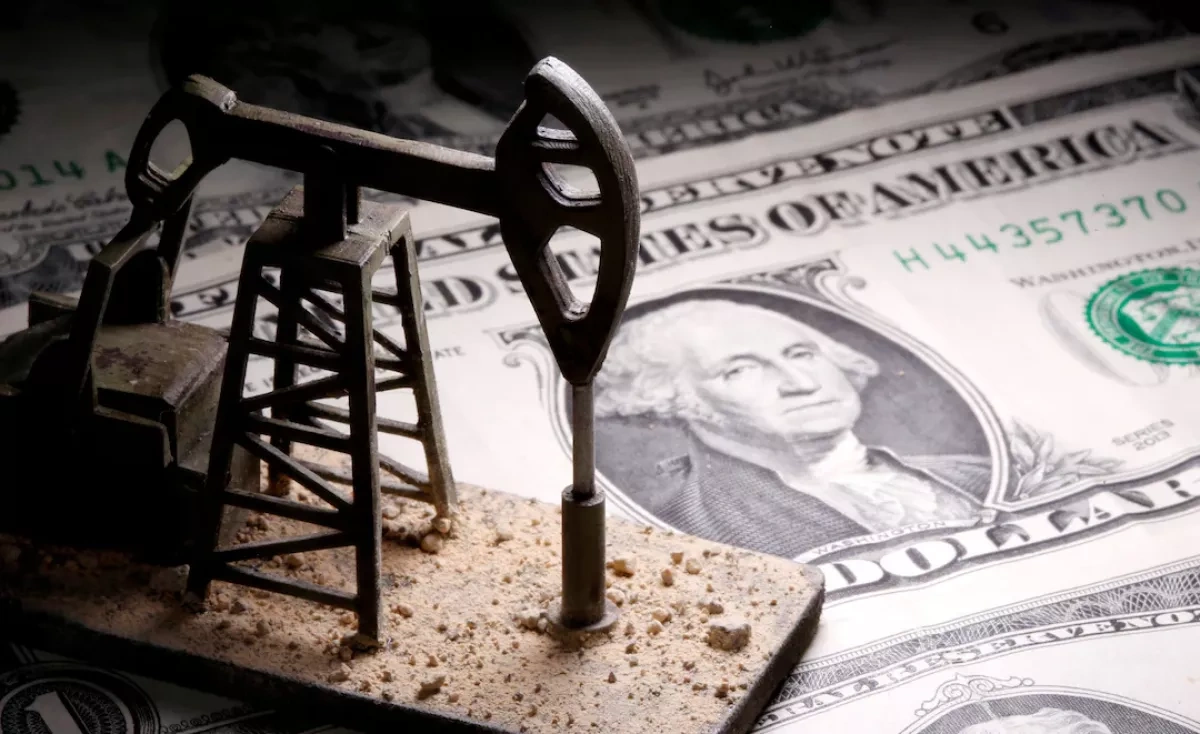
Oil markets are showing a widening gap between physical crude prices and futures contracts, highlighting what analysts describe as a deeper-than-recognised supply shock following the US-Israel conflict with Iran.
Prices have surged since the start of the war, with fuel costs rising globally and pressure building on households and industry.
The disruption is centred on the Strait of Hormuz, through which about a fifth of global oil supplies normally pass.
On Sunday (April 12), benchmark crude rose more than 8 percent to above $103 a barrel after US President Donald Trump announced plans for a naval blockade of Iran.
But analysts say the headline figure masks a more complex reality: a sharp divergence between spot prices for immediate delivery and futures contracts for later shipment, Al Jazeera reports.
Physical shortage drives spot prices higher
Oil is traded in two main ways: the spot market for near-term delivery and futures contracts for future supply. While futures prices are widely reported, the physical market is now under greater strain.
Maritime data suggests tanker traffic through the Strait of Hormuz has fallen sharply, down from around 130 daily transits to just 17. This has contributed to an estimated global supply shortfall of around 8 million barrels per day.
As a result, Dated Brent has recently surged above $144 a barrel, around $35 higher than futures — an unusually wide gap.
Pavel Molchanov of Raymond James & Associates said:
He added that buyers are now paying a premium for immediate supply due to the physical shortage.
Futures lag amid expectations of recovery
Analysts say futures markets are being held down by expectations that the disruption may ease in the coming months.
Adi Imsirovic of the University of Oxford said:
He added:
Imsirovic also noted that political uncertainty is influencing trader behaviour and hedging decisions.
Molchanov said recovery depends on shipping confidence returning to Gulf routes, with improvements likely to be gradual over the next few months.
For now, the widening gap between physical and futures prices suggests the oil market is experiencing a sharper real-world supply squeeze than headline figures indicate.
By Aghakazim Guliyev