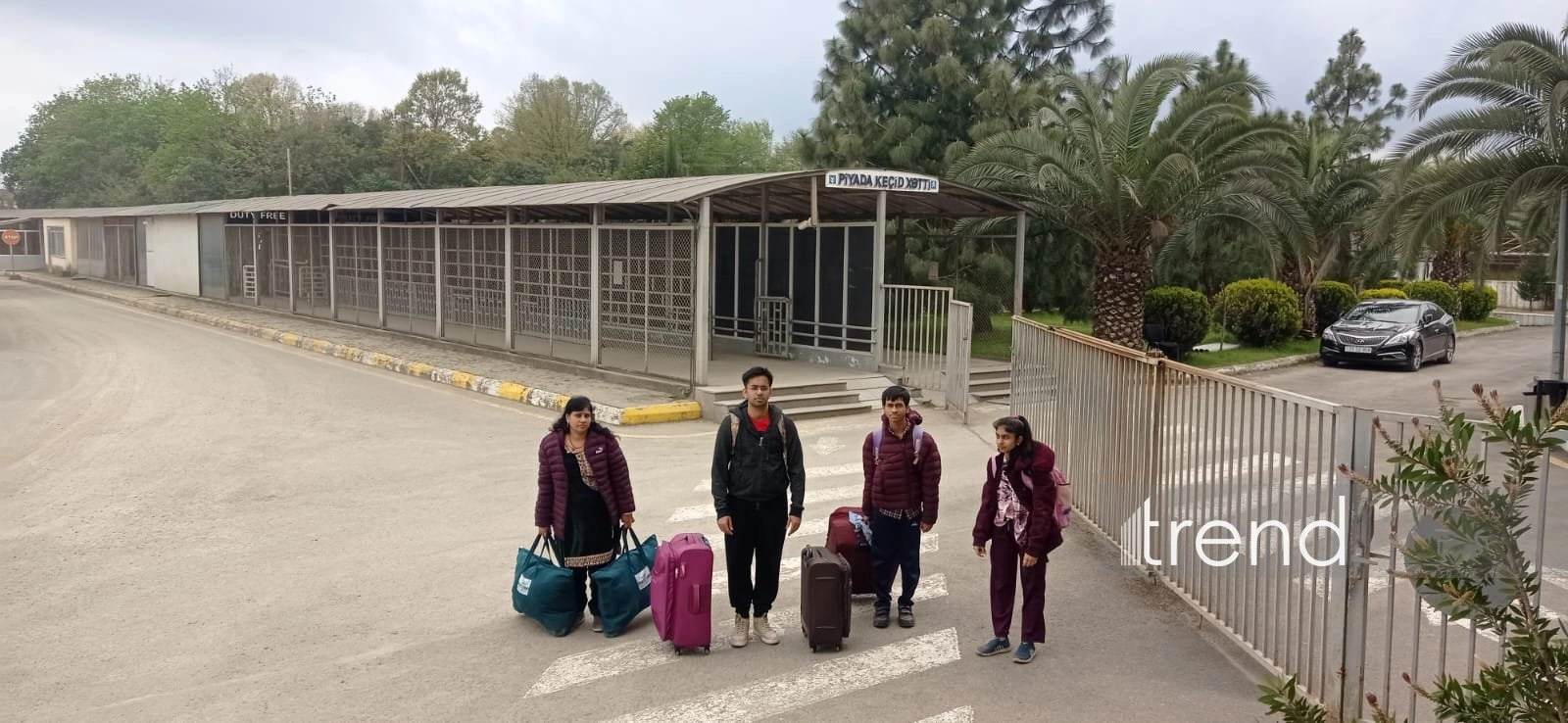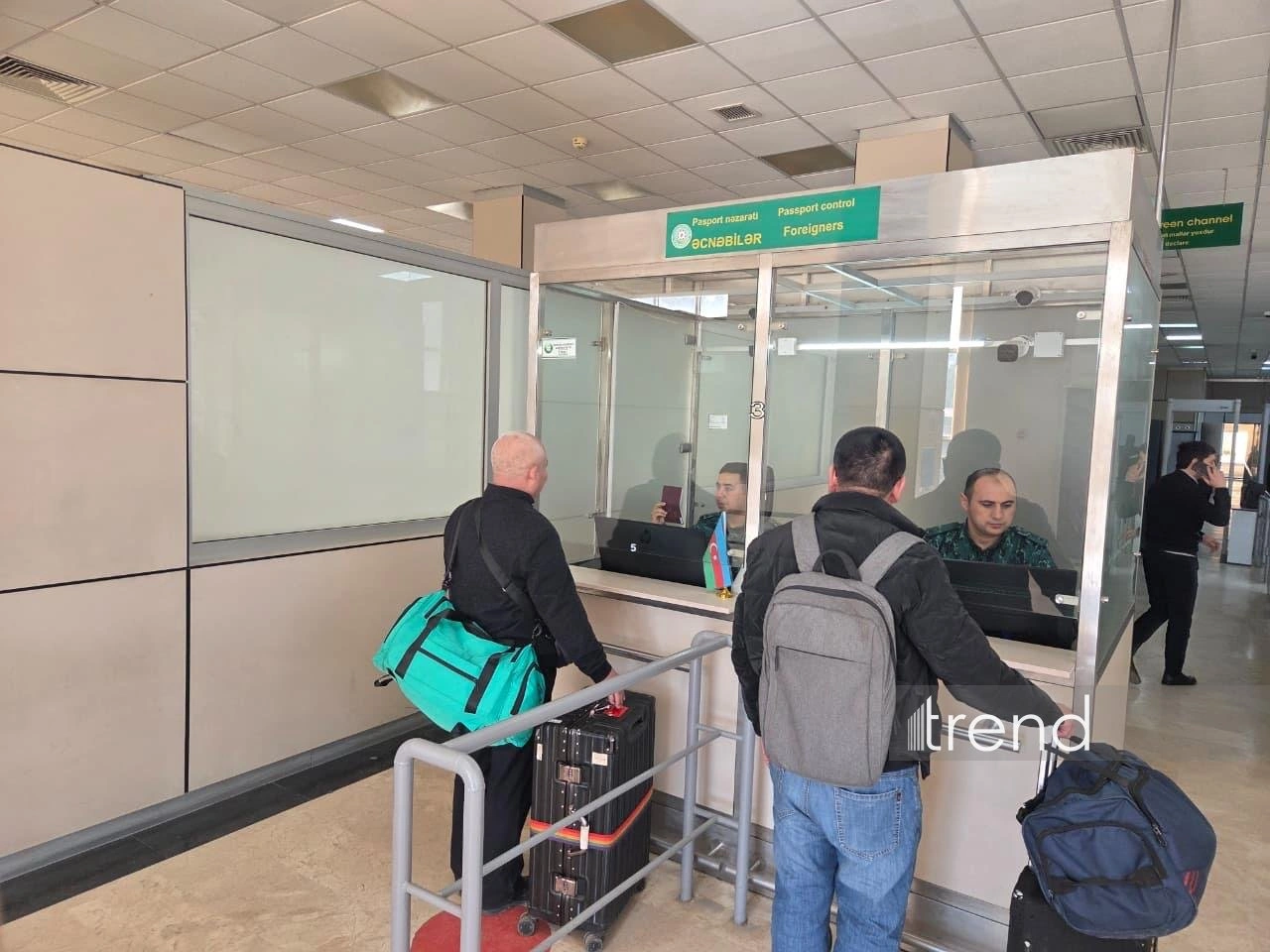
BAKU, Azerbaijan, April 11. The evacuation of
citizens of Azerbaijan, as well as those of other countries, from
Iran continues, Trend reports.
A total of 3,439 people, citizens of various countries, have
been evacuated from Iran from 08:00 on February 28 to 10:00 on
April 11.
During this period, the evacuees included 735 citizens of China,
612 of Azerbaijan, 374 of Russia, 284 of India, 198 of Bangladesh,
192 of Tajikistan, 151 of Pakistan, 136 of Iran, 84 of Oman, 68 of
Indonesia, 57 of Algeria, 46 of Italy, 27 of Germany, 27 of Canada,
26 of Spain, 25 of France, 21 of Georgia, 18 of Saudi Arabia, 18 of
Japan, 17 of Uzbekistan, 17 of the United States, 16 of Bahrain, 14
of Poland, 14 of Switzerland, 13 of Kazakhstan, 13 of Nigeria, 13
of Belarus, 12 of Hungary, 11 of Mexico, 10 of the United Kingdom,
10 of Bulgaria, 10 of the Democratic Republic of Congo, 9 of
Brazil, 8 of Sudan, and 8 of Venezuela.
In addition, evacuees included 6 citizens each from the United
Arab Emirates, Finland, Slovakia, Belgium, Kyrgyzstan, Romania, the
Czech Republic, and Australia; 5 each from Serbia, Sweden,
Afghanistan, Türkiye, Austria, Greece, and Vietnam; 4 each from
Jordan, the Philippines, Ukraine, Sri Lanka, Kuwait, and the
Netherlands.
Furthermore, 3 citizens each from Qatar, Croatia, Denmark, and
Norway were evacuated, along with 2 each from Nepal, Lebanon,
Yemen, Myanmar, Cyprus, Egypt, Slovenia, and Uruguay. One citizen
each was evacuated from Tunisia, South Africa, the Maldives, Cuba,
the Vatican, Argentina, Bosnia and Herzegovina, Latvia, Belize, and
the Dominican Republic.
On February 28, the U.S. and Israel launched military operations
against Iran. Strikes were carried out against the country’s
largest cities, including Tehran. The White House justified the
attack by citing missile and nuclear threats emanating from the
Islamic Republic. As a result of the strikes on Iran, the country’s
Supreme Leader, Ayatollah Ali Khamenei, and several other key
figures in the leadership were killed. Iran’s Islamic Revolutionary
Guard Corps announced a large-scale retaliatory operation against
Israel. Iran also targeted U.S. facilities in Bahrain, Jordan,
Iraq, Qatar, Kuwait, the UAE, Oman, Saudi Arabia, and Syria with
ballistic missiles, cruise missiles, and drones.
The conflict has placed the region’s energy infrastructure and
maritime shipping under serious threat. Due to security tensions in
the Strait of Hormuz, global oil prices have surged.
On April 7, the U.S. and Iran reached an agreement on a
temporary ceasefire lasting approximately two weeks, aimed at
preventing further escalation of hostilities and creating
opportunities for negotiations. According to reports, the agreement
was reached with Pakistan acting as a mediator. One of the key
points is Iran’s commitment to reopen the Strait of Hormuz to
international shipping, and the parties also agreed to cease
attacks and prepare for negotiations.
Stay up-to-date with more news on Trend News
Agency's WhatsApp channel