As parliamentary elections in Armenia approach, the question of whom the citizens are willing to vote for is becoming increasingly urgent. In this context, public opinion surveys gain significant importance, as their results allow at least an approximate picture of the electorate’s preferences.
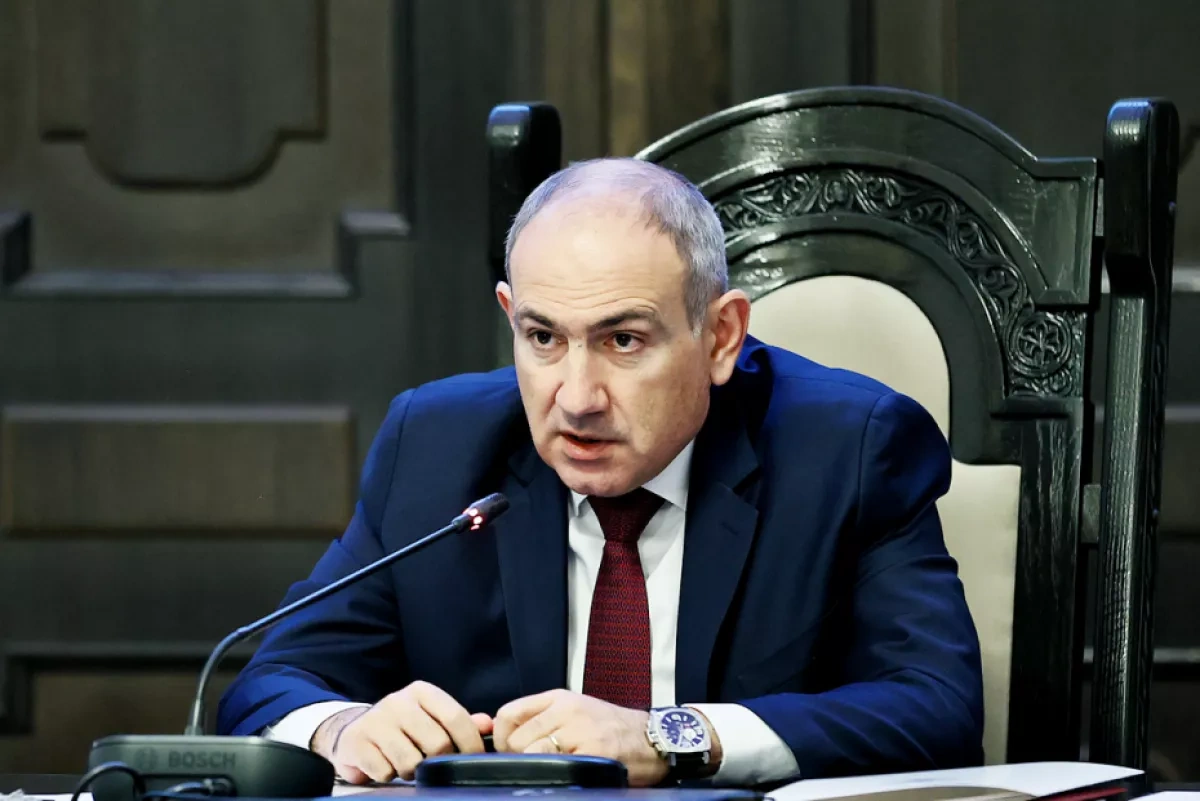
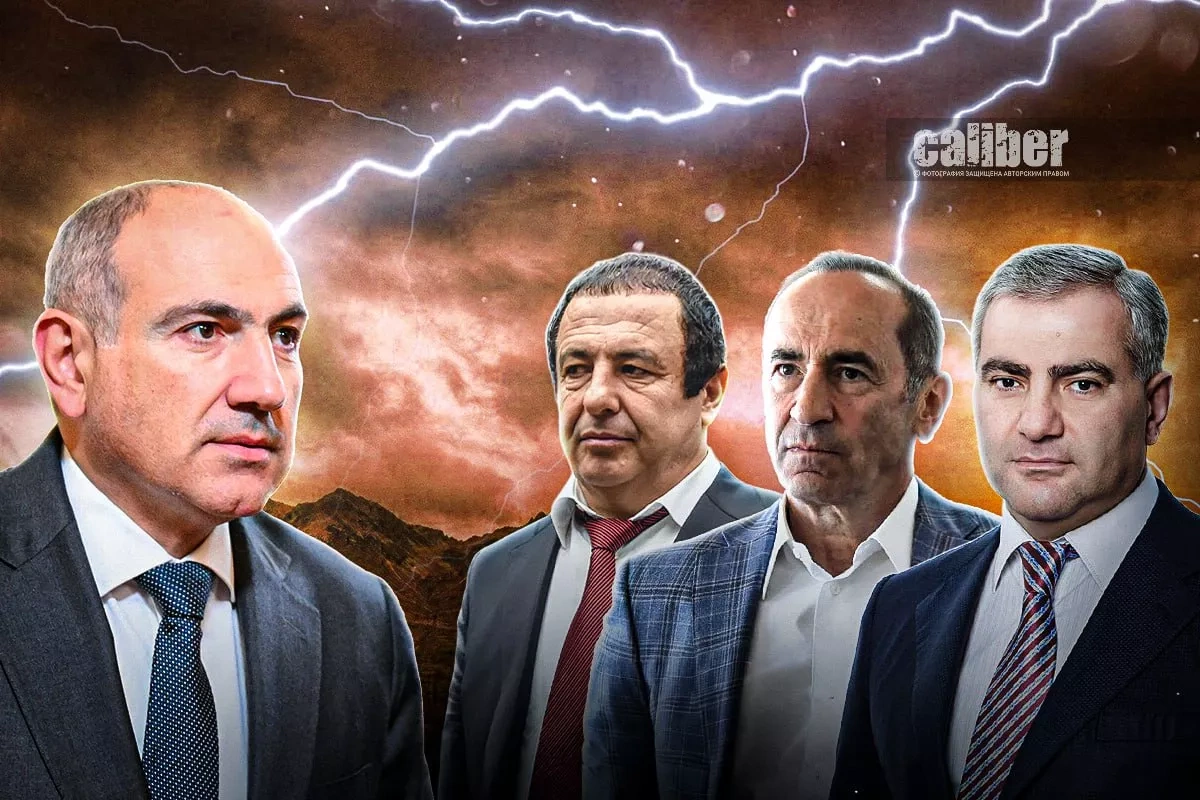
According to the latest sociological survey by the Gallup International Association, the ruling party, Civil Contract, led by Nikol Pashinyan, maintains its lead with 24.3%. Meanwhile, its closest competitors lag noticeably: support for Strong Armenia led by Samvel Karapetyan is 13.4%, Prosperous Armenia under Gagik Tsarukyan is 7.9%, and the Armenia bloc of Robert Kocharyan stands at 5.5%.
At first glance, everything seems clear: the incumbents retain the lead, and the opposition is fragmented and unable to offer a convincing alternative. However, a closer analysis of this survey reveals an important point: the key factor in this election is not the current party ratings, because simple arithmetic highlights a much more significant circumstance: about half of respondents—roughly 50%—remain unaccounted for, meaning they are either undecided or unwilling to disclose their choice. This indicates that the outcome of the elections is still open, and the electoral field remains highly uncertain.
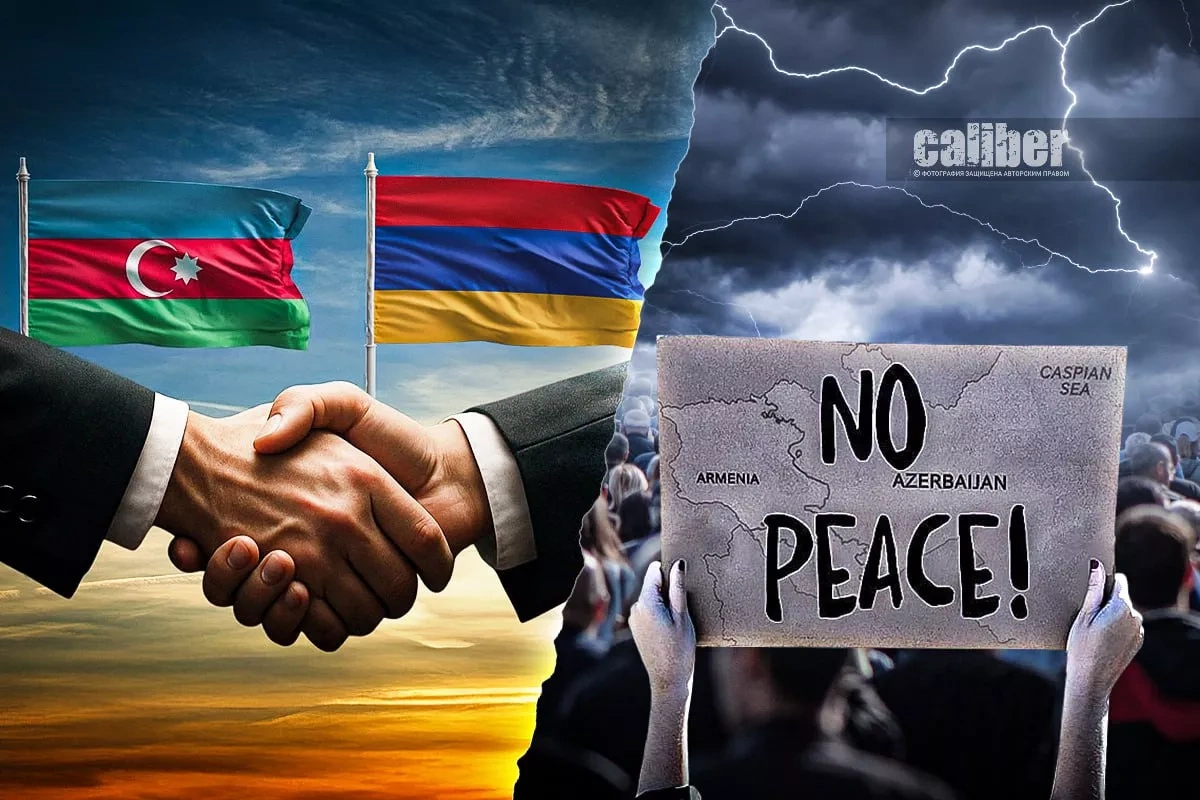
At the same time, the main feature of the current campaign is that the dividing line runs not between individual politicians, but between two fundamentally different strategies for Armenia’s future development.
On one side is the course promoted by Nikol Pashinyan and his team, which is built on recognising the new regional architecture that emerged following Azerbaijan’s restoration of its territorial integrity, and on attempting to integrate Armenia into a system of regional peace, open communications, and economic cooperation.
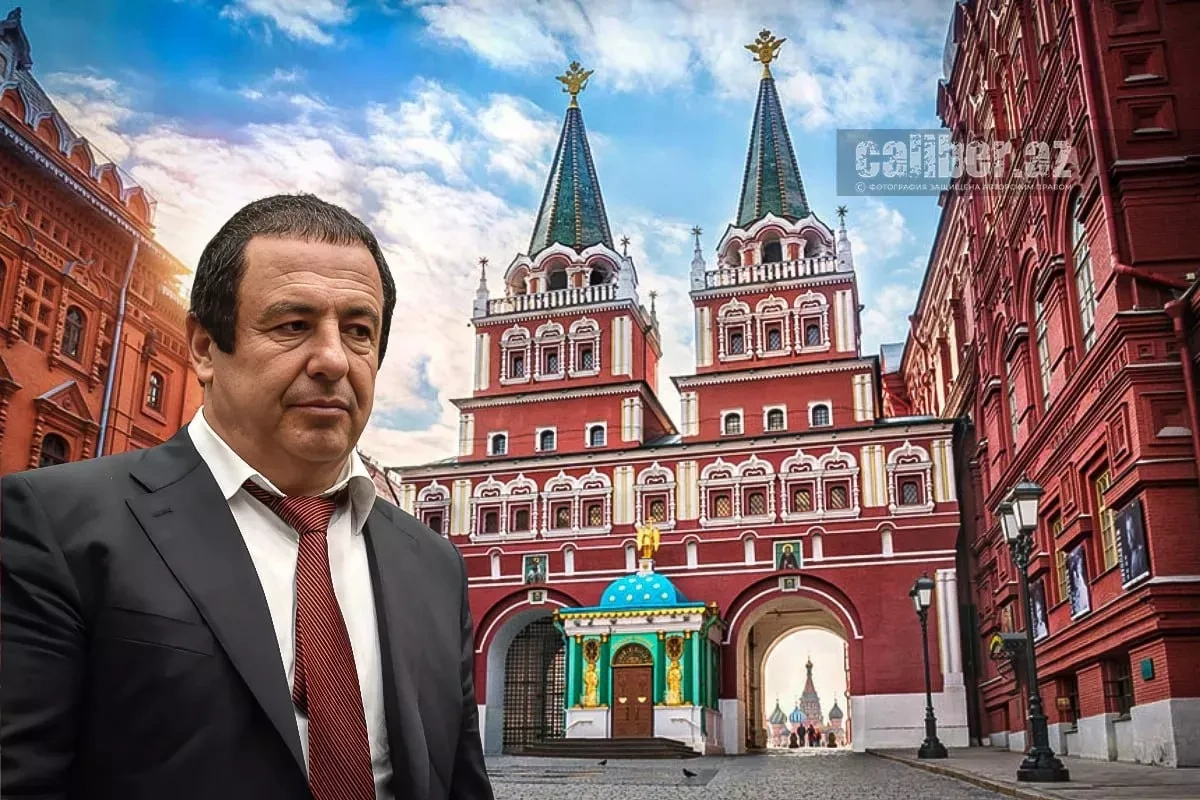
On the other side is the camp of revanchists, which includes Kocharyan, Karapetyan, and Tsarukyan. Their rhetoric is based on denying the established realities and rejecting the peace process initiated by Baku. Yet they avoid providing a direct answer to the central question: “What exactly do you propose as an alternative?”
The unifying factor for the opposition figures is not the presence of an alternative development programme for the country, but the pursuit of a change of power as an end in itself. At the same time, their political constructs lack substantive content. Neither Robert Kocharyan, Samvel Karapetyan, nor Gagik Tsarukyan offers society a clear answer to questions of security, the economy, or Armenia’s international positioning. Their messaging boils down to criticism of the current authorities and appeals to revanchist sentiments. Behind this rhetoric, however, lies an obvious reality: any attempt to revise the current balance will inevitably lead the country to renewed escalation, international isolation, and economic deadlock. It is a
Equally important is the question of external influence. A significant portion of the opposition camp is perceived by society as serving the interests of foreign actors. This is particularly true of Karapetyan, who has close ties to Russian business and still holds Russian citizenship. Even attempts at formal distancing from this status do not alter public perception: his political independence is questioned, and his public statements often appear to reflect an external agenda.
In this context, support for such figures is objectively associated with a return to a model in which Armenia was viewed as a peripheral “outpost” in someone else’s geopolitical game. The situation is further complicated by the quality of the opposition campaign itself. The emergence of “polls” that, for example, attribute to Gagik Tsarukyan figures far exceeding those of reputable studies only serves to undermine trust in the opposition.
Such information injections appear less as an attempt to persuade the public than as a demonstration of resources and influence. In reality, however, they have the opposite effect—reinforcing scepticism and a sense of artificiality. Politics turns into a caricature, where instead of substantive discussion, the public is presented with a set of media tricks and manipulations.
At the same time, the initiators and participants of this “political PR stunt” seem oblivious to the fact that they are making their own citizens look ridiculous. Even the hypothetical prospect of a premiership for a person who has served time in prison under a shameful charge and is nicknamed “Stupid Gago” is a blatant mockery of Armenia.
Against this backdrop, it becomes clear why Nikol Pashinyan and his party maintain their lead. The growth of their support is driven less by the successes of their political line than by comparison with the alternatives.
For a significant portion of society, the choice appears to be between an imperfect but understandable strategy of peace and an uncertain, potentially dangerous course of revanchism. The prime minister and his team articulate the risks of returning to a confrontational policy fairly clearly and, importantly, speak to society in the language of reality rather than illusions.
Nevertheless, the outcome of the elections will not be decided by those citizens who have already chosen a camp, but by the roughly 50% who remain undecided. Their votes will determine the answer to the central question: “Is Armenia ready to move forward, taking difficult but necessary decisions for peace and development, or will it succumb to the lure of revanchist rhetoric, which offers no real plan?” In this context, poll results are merely a starting point—the real decision lies ahead.