BAKU, Azerbaijan, April 3. The Organization of
Turkic States has succeeded in expanding its influence within a
broader geopolitical context, moving beyond regional boundaries,
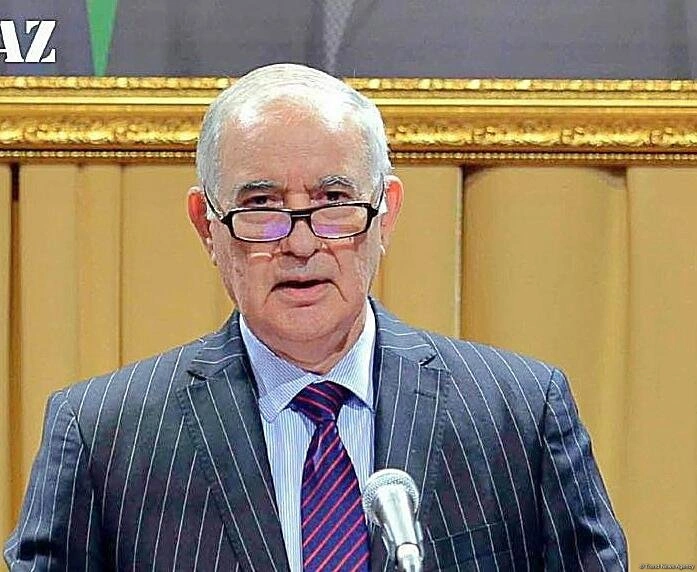
political analyst Azer Garayev told Trend.
Garayev highlighted that recent events in Baku marked a
significant step for political and economic integration within the
Turkic world.
"On April 2, 2026, Baku hosted a series of landmark events
advancing the political and economic integration of the Turkic
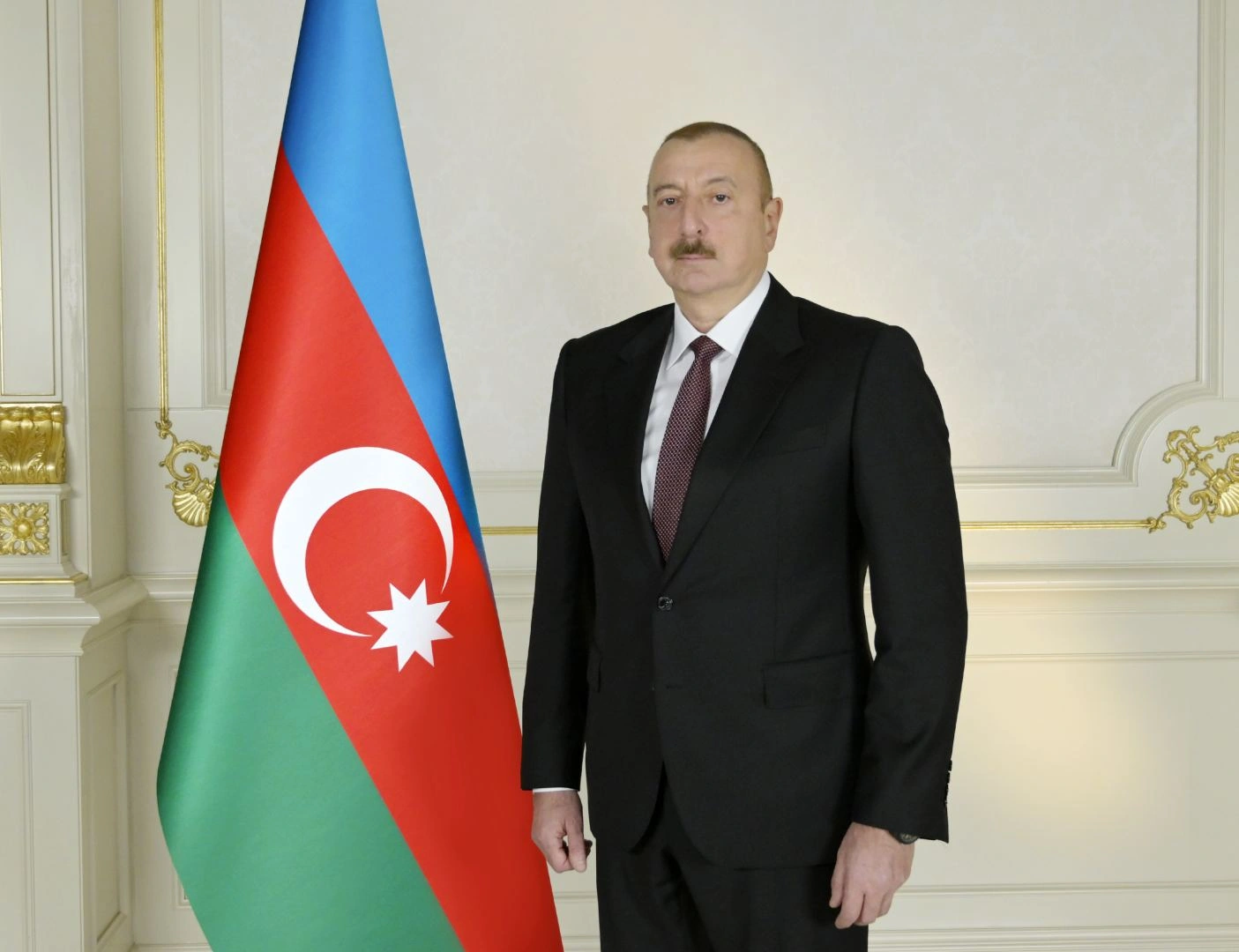
world. On that day, President of the Republic of Azerbaijan Ilham
Aliyev received the heads of government from both member and
observer states of the OTS. Concurrently, a meeting of government
leaders took place under the organization’s framework. In recent
years, the OTS has successfully expanded its influence beyond the
regional level, asserting a broader geopolitical presence.
Azerbaijan’s role in this development is particularly noteworthy.
While addressing the visiting leaders, President Ilham Aliyev
reaffirmed that the organization remains a priority in the
country’s foreign policy: 'The Turkic world is our family, and we
have no other family.' This principle is not
merely ideological but serves as a guiding framework for practical
policy. For many years, Azerbaijan has played a systematic and
active role in strengthening the OTS’s institutional foundations
and deepening cooperation among its member states," he said.
According to him, a defining feature that sets the OTS apart
from other international organizations is its foundation on shared
ethnic, cultural, and historical roots.
"As President Ilham Aliyev emphasized, this factor provides the
organization with a significant advantage: 'There are many
international organizations in the world, but the number of
organizations established on the basis of ethnic roots is not very
high. This is our great advantage.' The OTS is not merely a
platform for formal cooperation; it represents integration grounded
in deep social and cultural ties. While many international
organizations today experience internal conflicts and
contradictions, the OTS stands out for the stable and amicable
relationships among its member states, both bilaterally and
multilaterally. This stability forms a solid foundation for the
organization’s future development," he noted.
Garayev also highlighted that economic cooperation was one of
the central topics discussed during the meeting in Baku.
"In recent years, the growth of trade turnover within the OTS,
the expansion of mutual investments, and the establishment of joint
investment funds have demonstrated tangible achievements in
economic cooperation. Azerbaijan’s investments of over $20 billion
in the economies of member countries underscore its leading role in
this process. Economic ties with Türkiye, in particular, have
deepened significantly. Additionally, the joint investment funds
established with Uzbekistan, Kazakhstan, and Kyrgyzstan provide an
important platform for future projects in industry, logistics,
agriculture, and other sectors. These initiatives are an integral
part of the OTS’s transformation from a primarily political
platform into a dynamic economic union," he said.
The political scientist highlighted that one of the most notable
examples of OTS cooperation is seen in the post-conflict
reconstruction of Karabakh, where Azerbaijan emphasizes the support
of fraternal countries.
"The school built by Uzbekistan, the children’s creative center
developed by Kazakhstan, the educational institutions constructed
by Kyrgyzstan, and the involvement of Turkish companies in
infrastructure projects are concrete demonstrations of this
solidarity. This support goes beyond economic assistance,
reflecting both political and moral backing. In the context of
modern geopolitical realities, transport and logistics have become
key priorities for the OTS. The Middle Corridor and the
Trans-Caspian route are emerging as alternative and reliable trade
links between Europe and Asia. President Ilham Aliyev noted:
'Today, when it comes to transport, it is impossible to bypass our
region.' Azerbaijan’s projects in this sector, including the Baku
Trade Port, railways, highways, and airports, have already
positioned the country as a regional logistics hub. The Zangezur
corridor, in particular, is expected to strengthen ties between
Azerbaijan and Türkiye while creating new economic opportunities
across the region.
The energy sector remains a central focus of OTS cooperation.
The Caspian basin’s rich energy resources and their transportation
to Europe enhance the strategic significance of the organization.
With energy security increasingly on the global agenda,
opportunities are opening for the OTS countries. Diversifying
energy routes and implementing alternative projects are now key
priorities," he added.
Garayev emphasized that the role of regional organizations is
increasing amid shifts in global politics. In a period when
international institutions are weakening and global rules are being
reshaped, platforms like the OTS offer more flexible and effective
mechanisms.
"In his speech, Turkish Vice President Cevdet Yilmaz highlighted
this trend and stressed the growing significance of regional
cooperation. This demonstrates that the OTS is no longer merely a
cultural and historical union but has the potential to emerge as a
geopolitical actor. One of the primary objectives of the OTS is to
become a more influential organization on the international stage.
President Ilham Aliyev explicitly stated this goal: 'Our
organization must take its place among the world’s leading
international organizations.' Achieving this requires several
strategic priorities: deepening economic integration; expanding
transport and energy projects; strengthening institutional
mechanisms; and enhancing political coordination among member
states. Equally important is maintaining stability and mutual trust
within the organization," he said.
According to the analyst, the meeting and the summit of heads of
government held in Baku represent a new phase in the development of
the OTS.
"These events demonstrated that the organization is evolving
beyond an ideological union into a tangible economic and political
force. Azerbaijan’s proactive role in this process, the strategic
vision outlined by President Ilham Aliyev, and the solidarity
displayed by member states offer a promising outlook for the future
of the OTS. If the current momentum continues, it is realistic to
expect that the OTS will become a significant actor not only
regionally but also globally in the coming years," Garayev
added.
Stay up-to-date with more news on Trend News
Agency's WhatsApp channel