BAKU, Azerbaijan, July
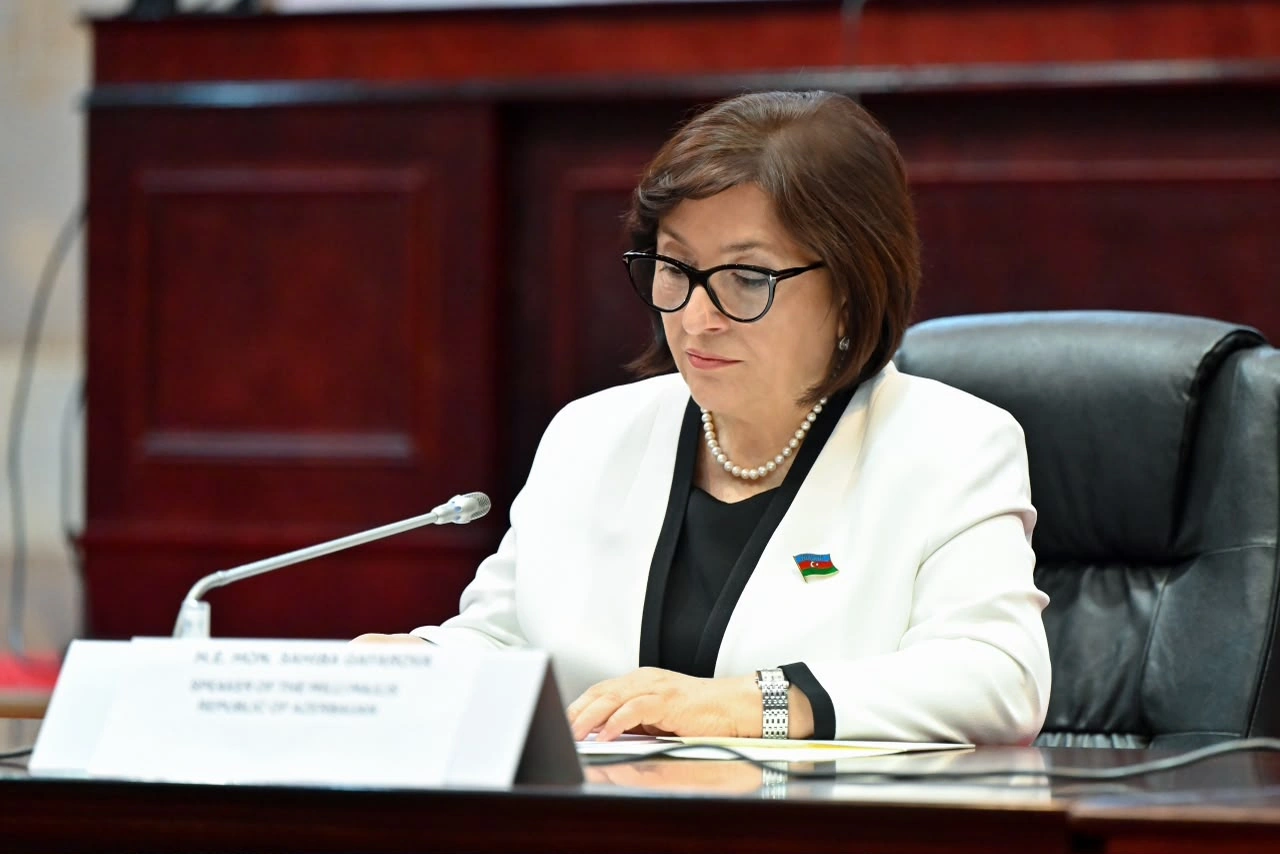
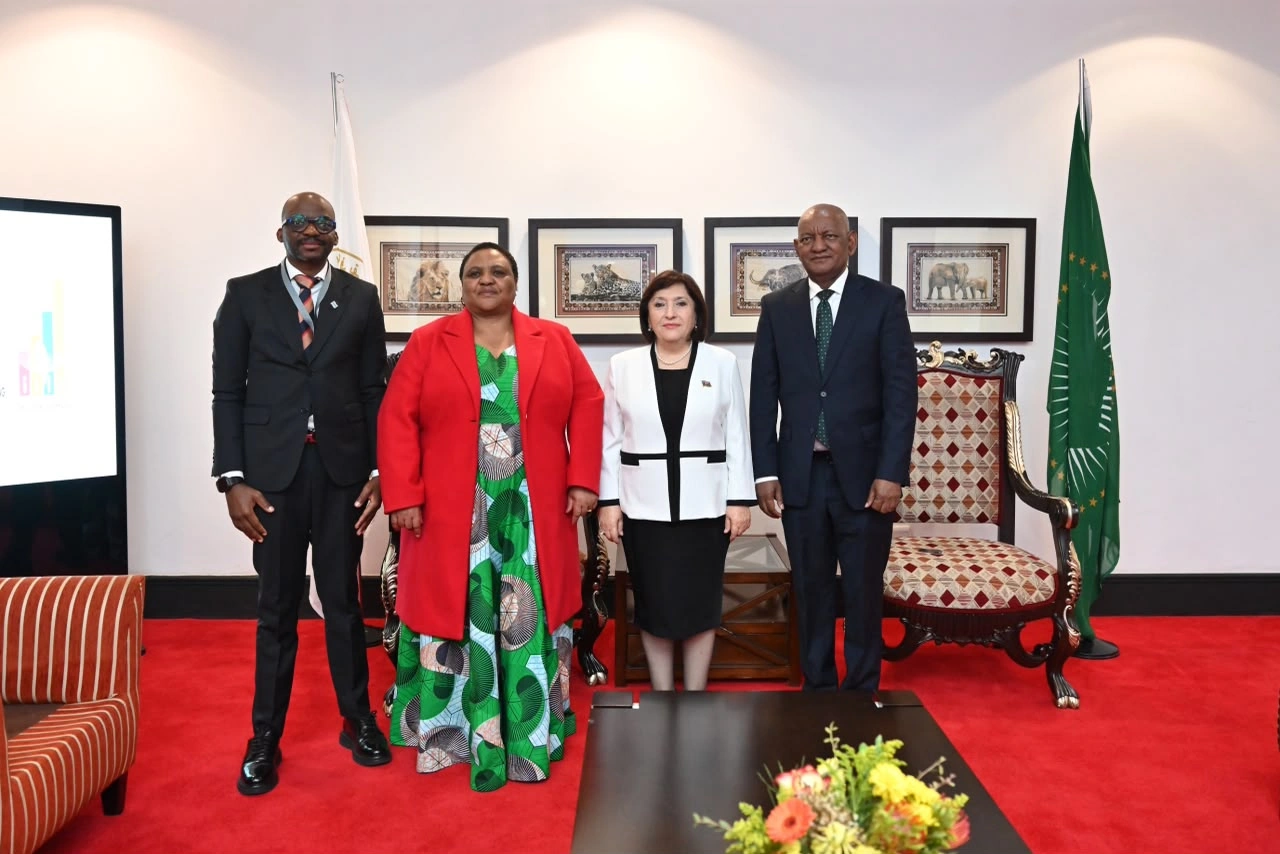
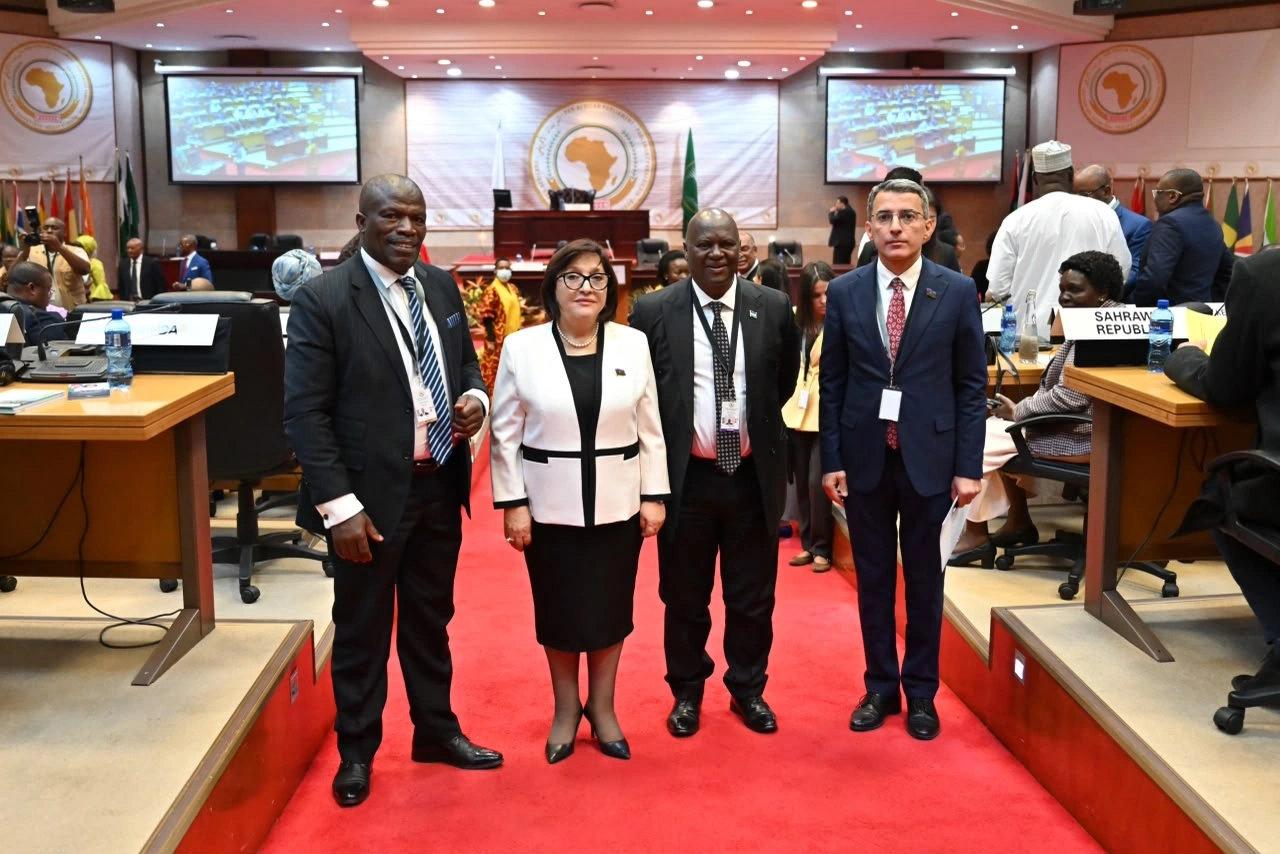
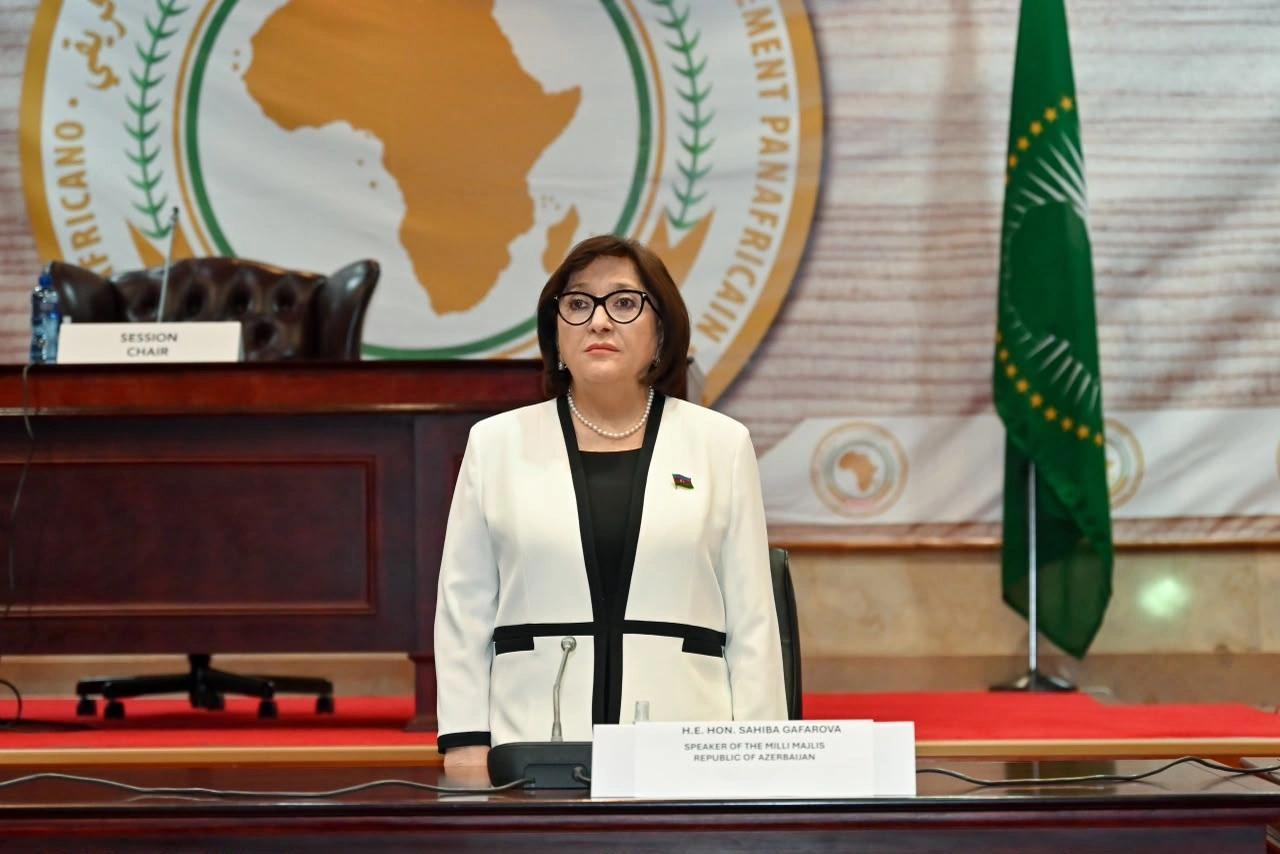
31. Speaker of Azerbaijan's Parliament Sahiba Gafarova
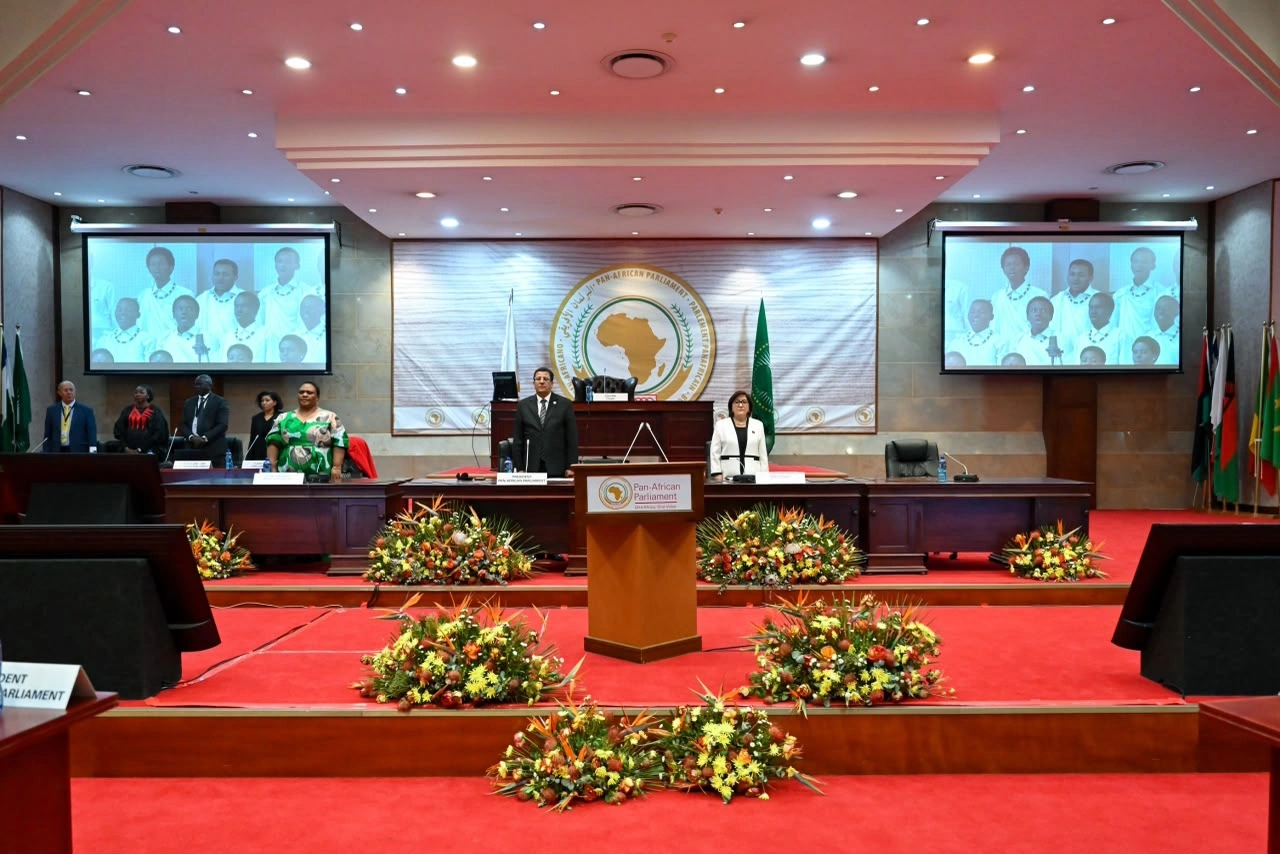
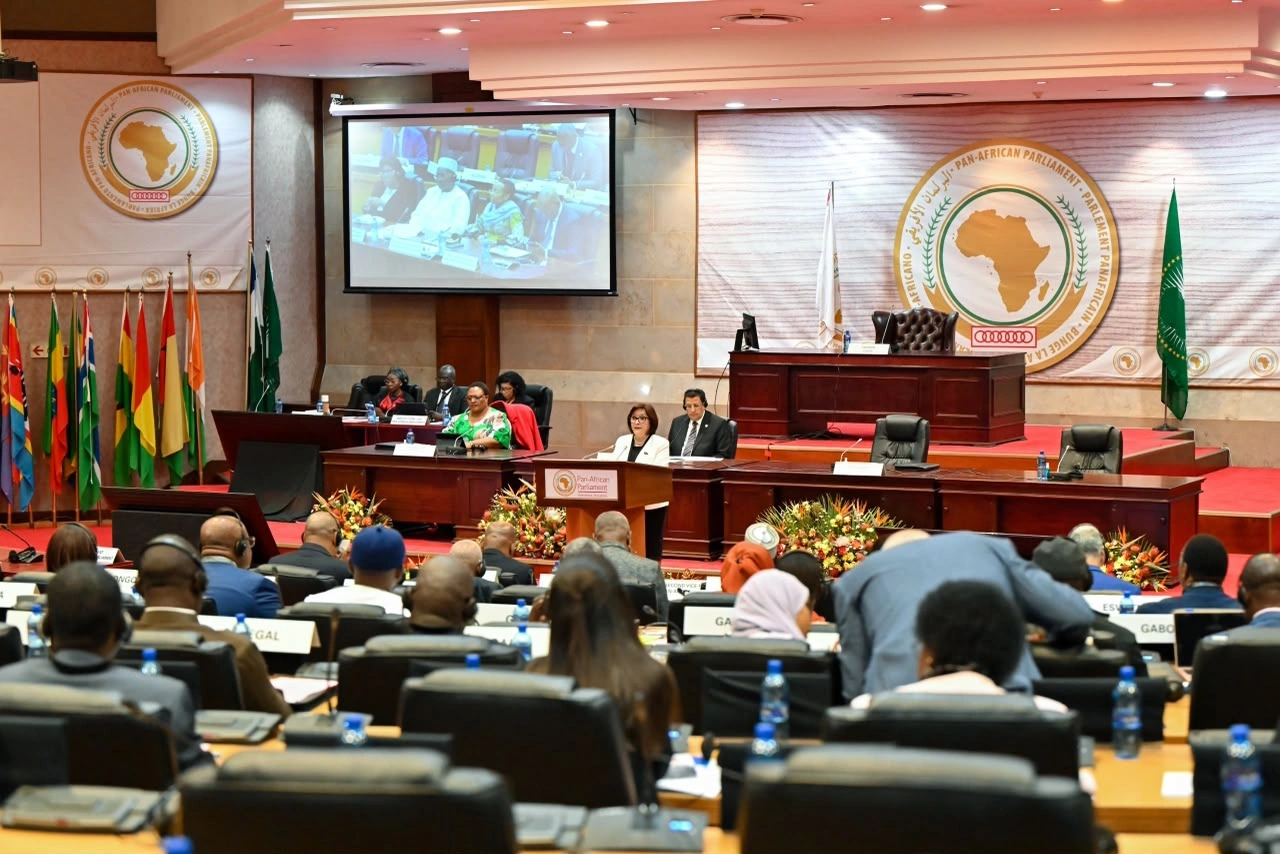
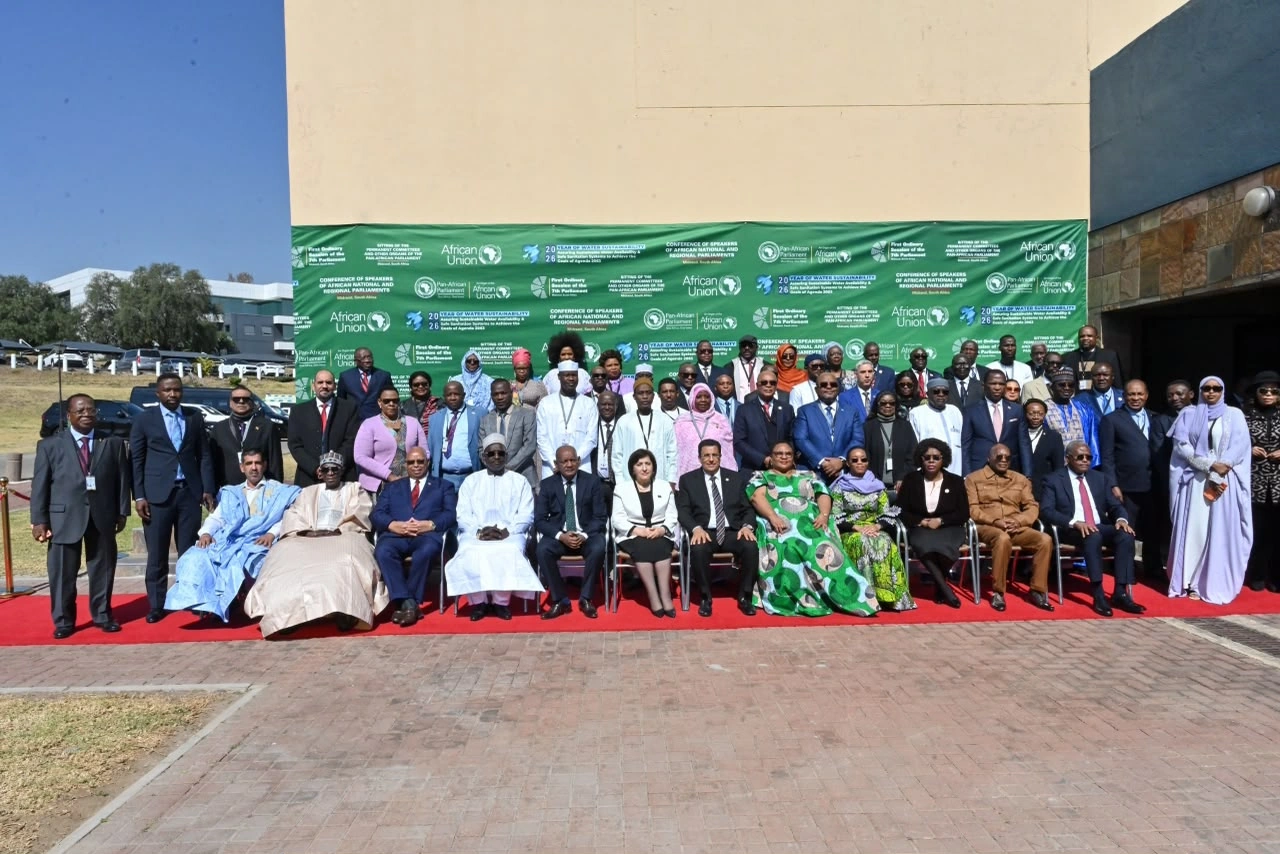
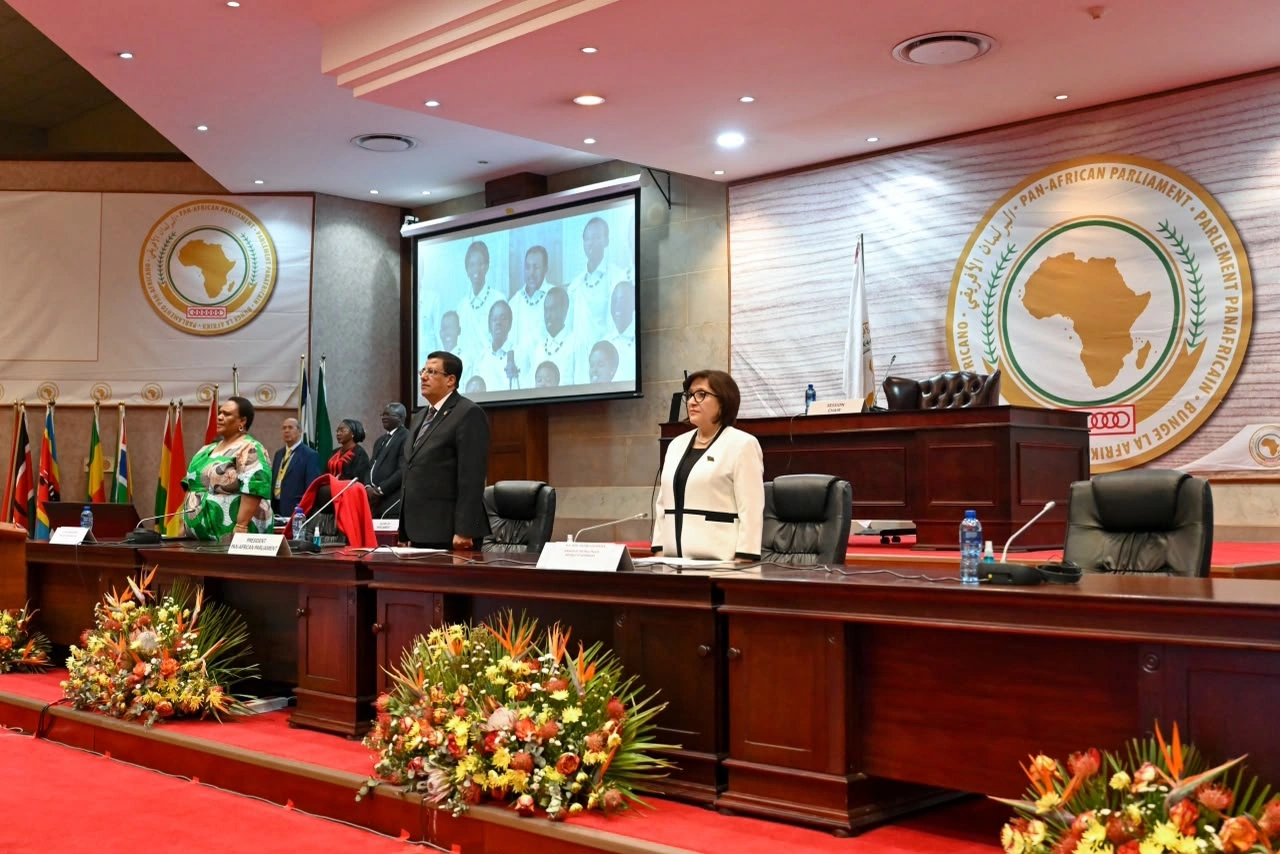
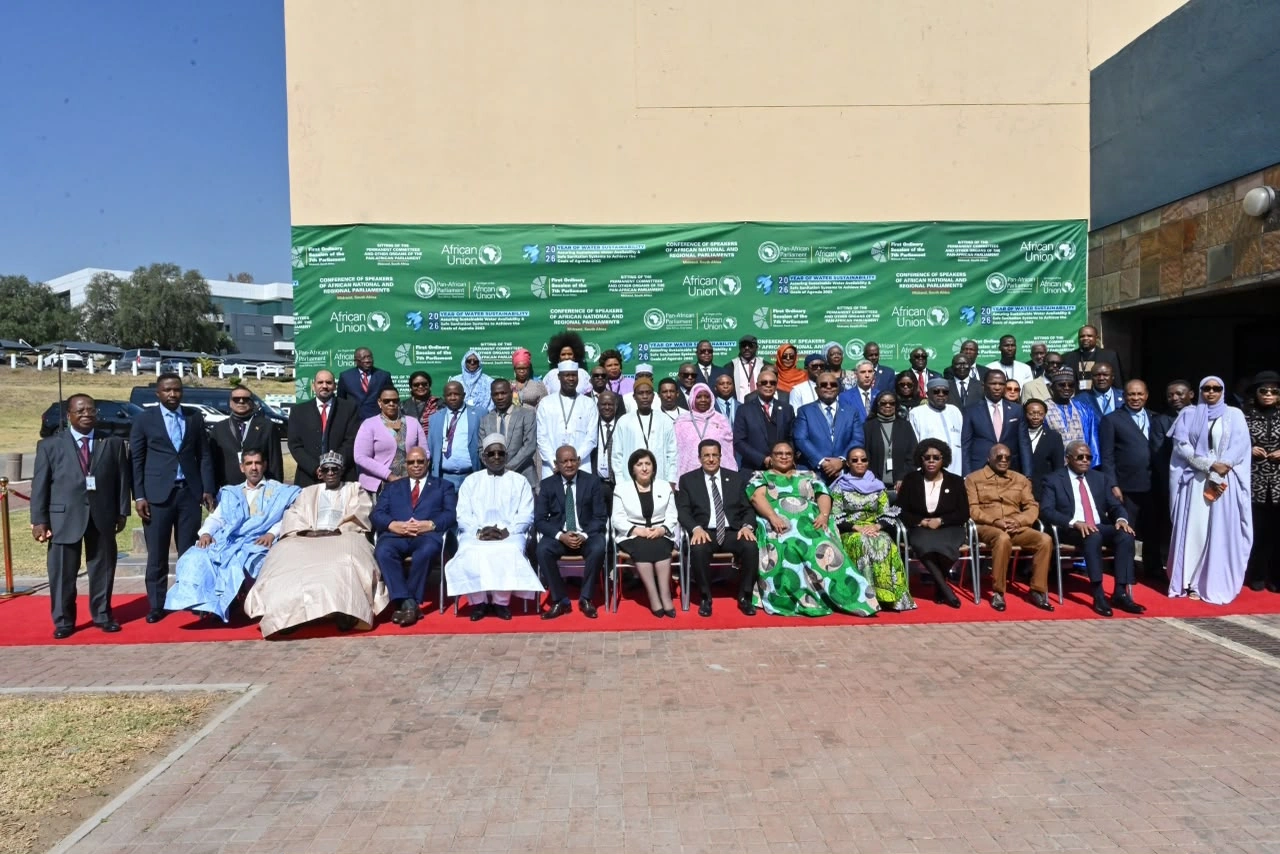
attended the Conference of Speakers of National and Regional
Parliaments in Midrand, South Africa, on July 31 as part of her
official visit to the country.
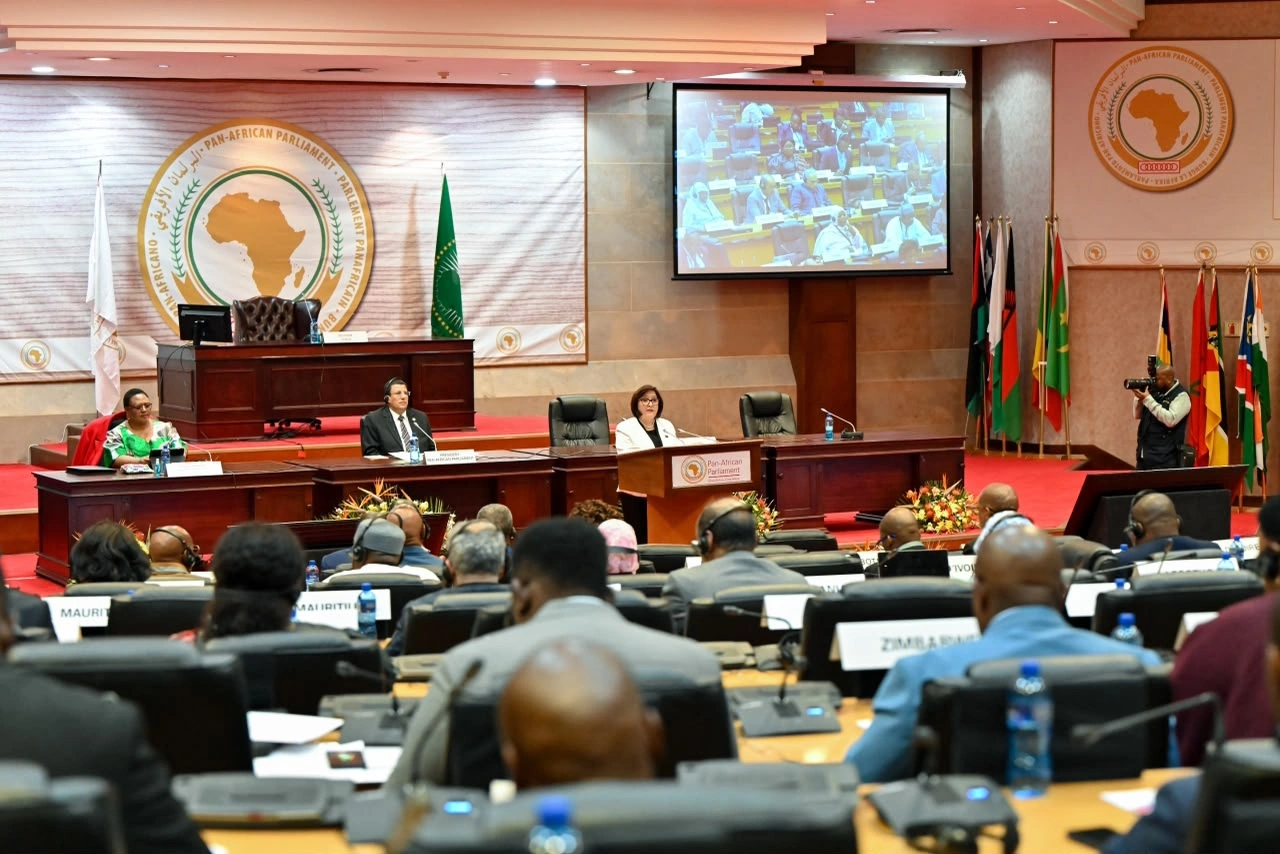
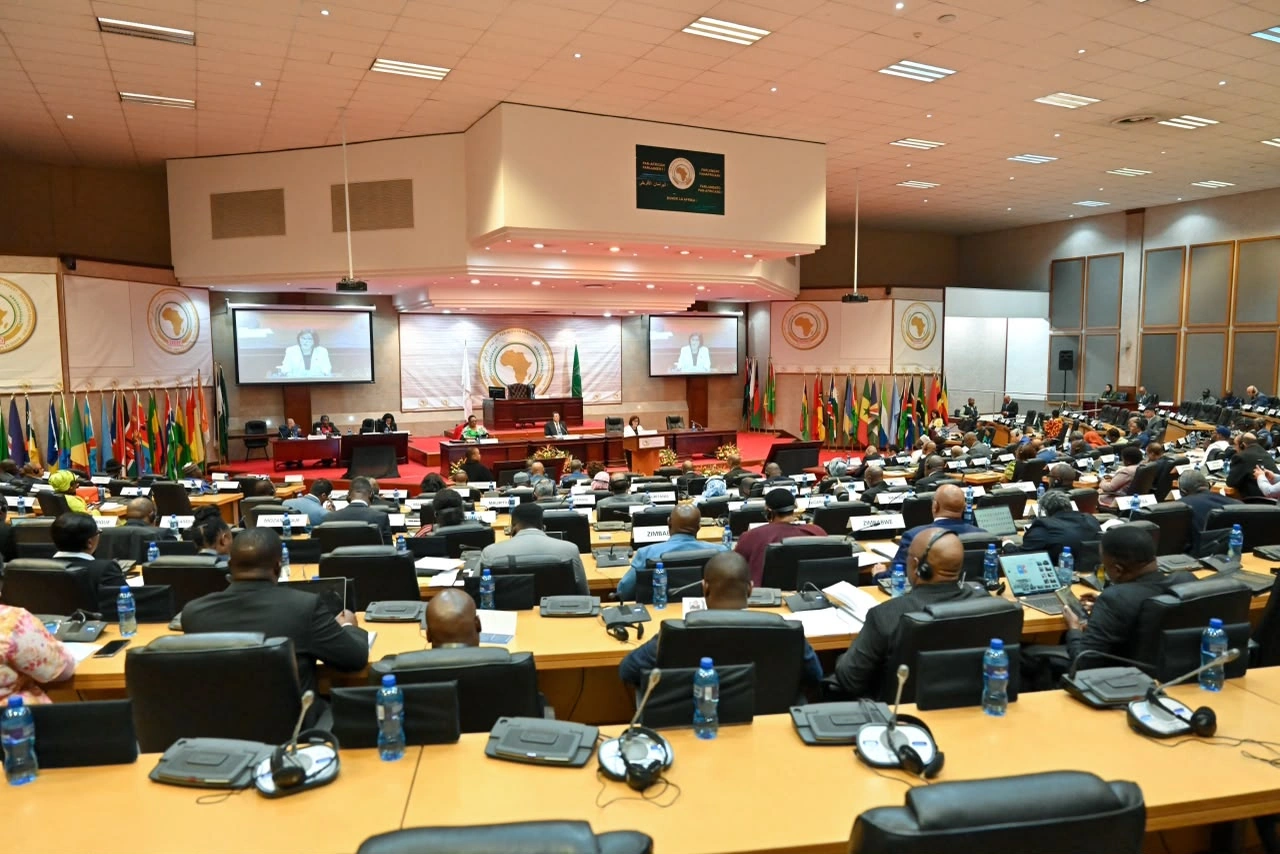
According to the Press and Public Relations Department of
Azerbaijan's Parliament, the event, organized by the Pan-African
Parliament, brought together speakers of national and regional
parliaments from African countries, as well as heads and
representatives of international parliamentary organizations.
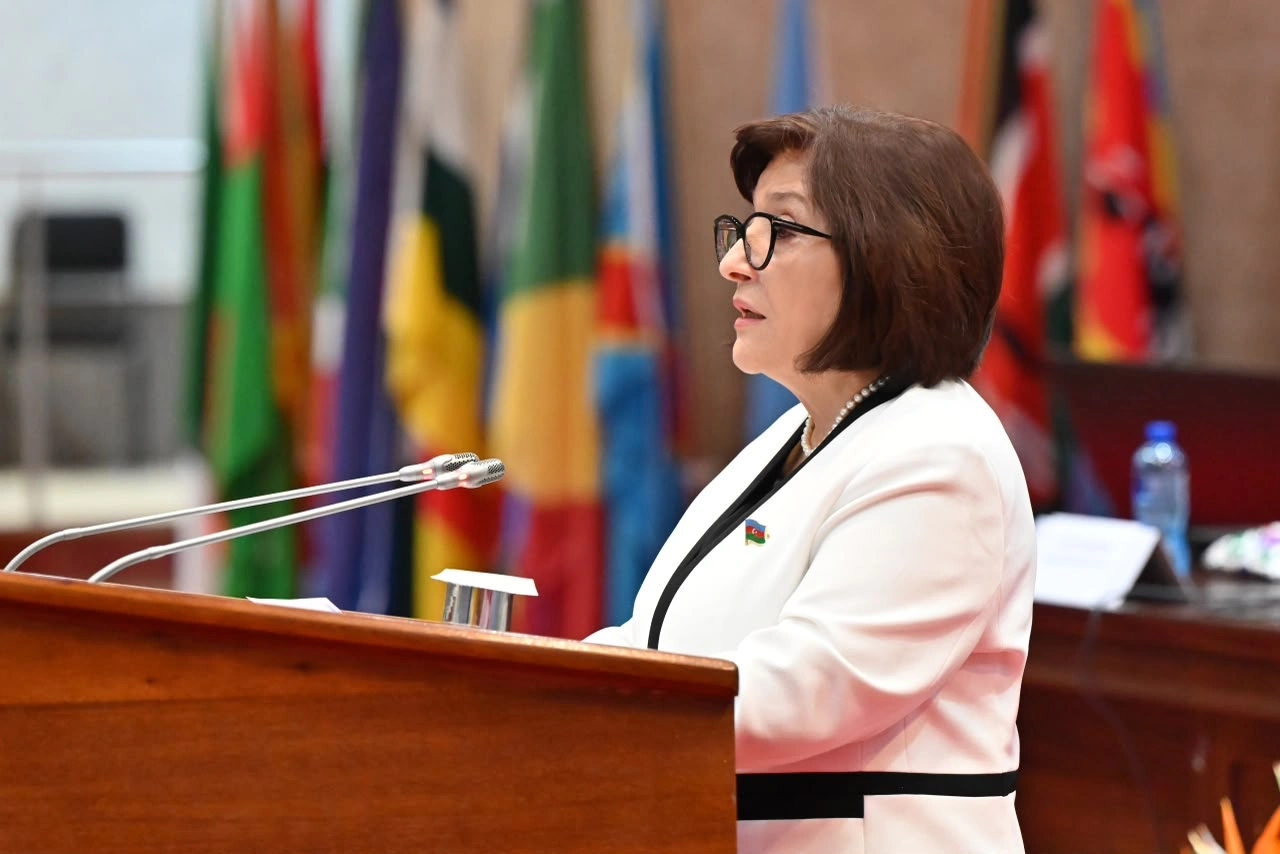
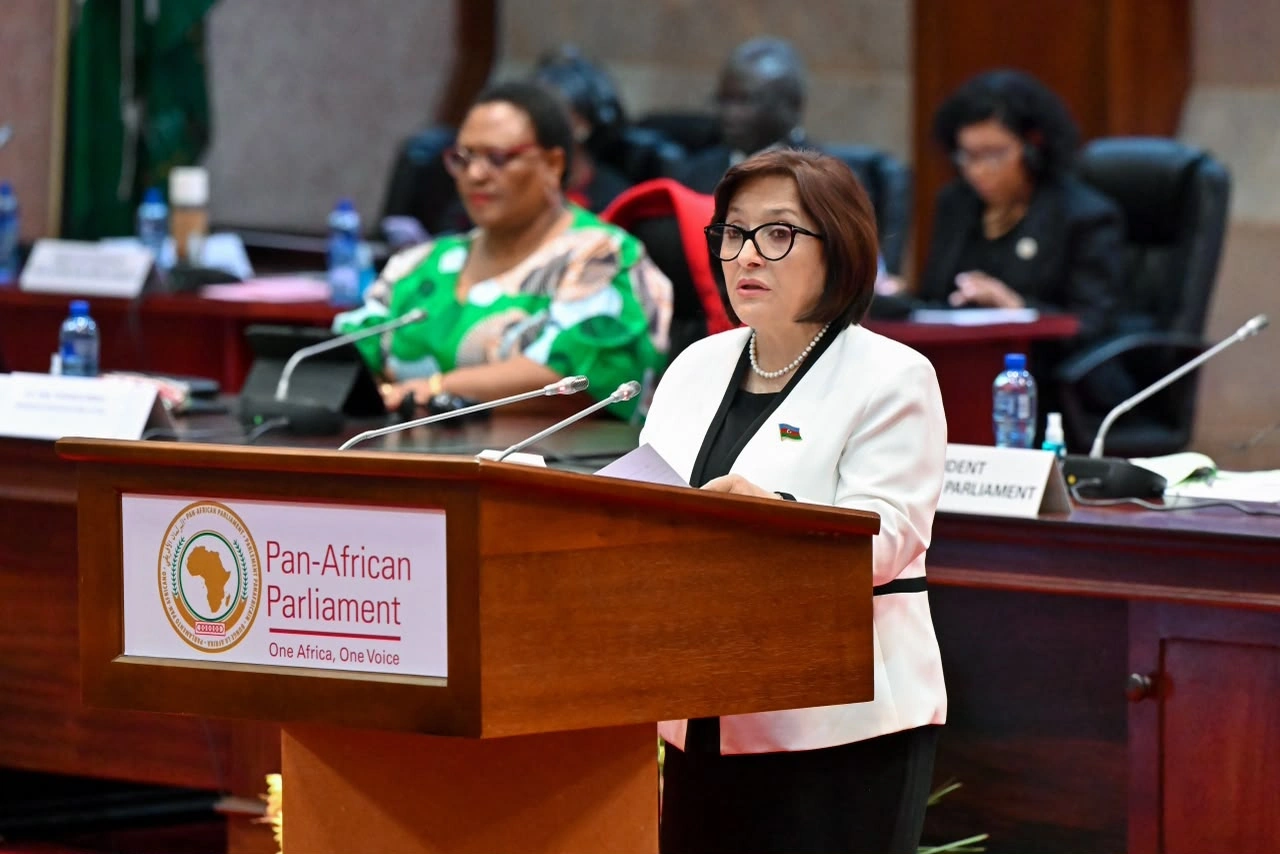
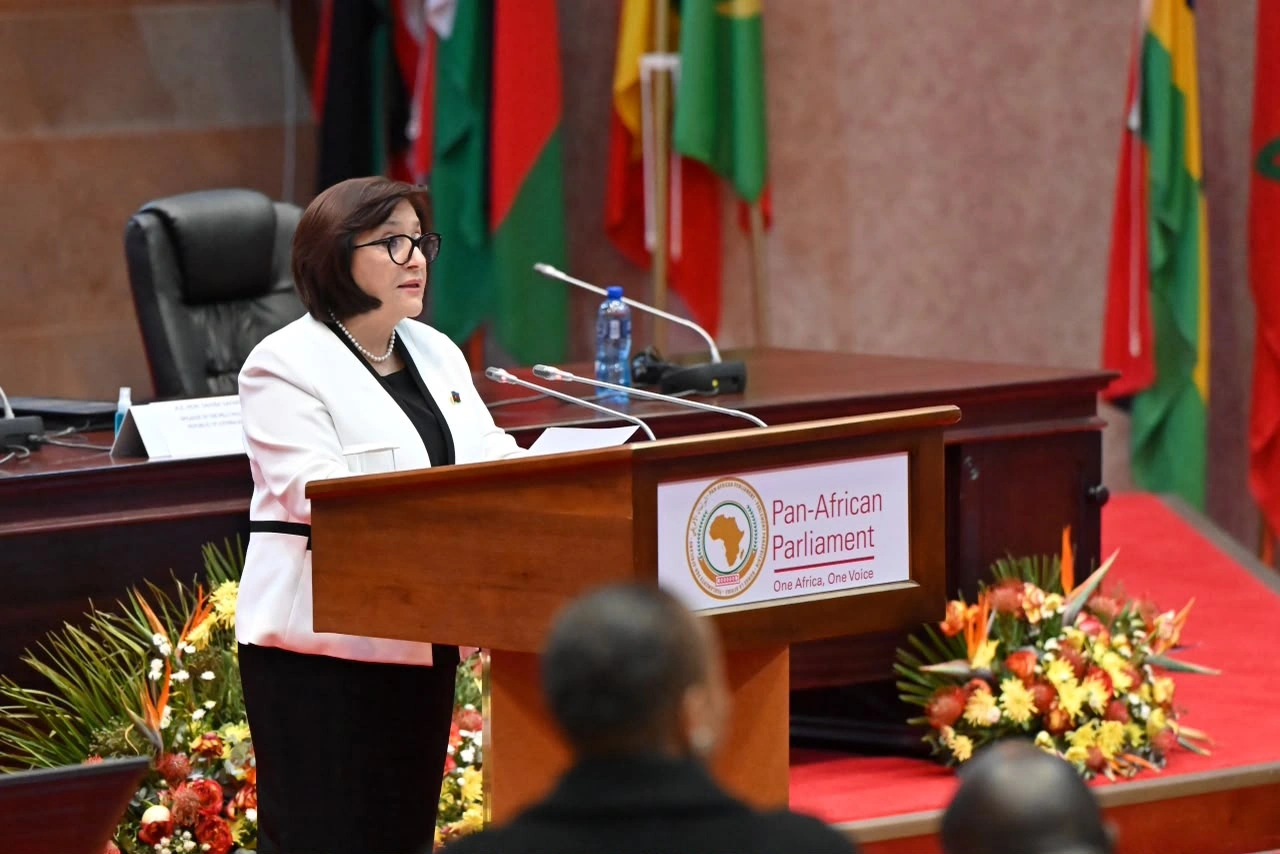
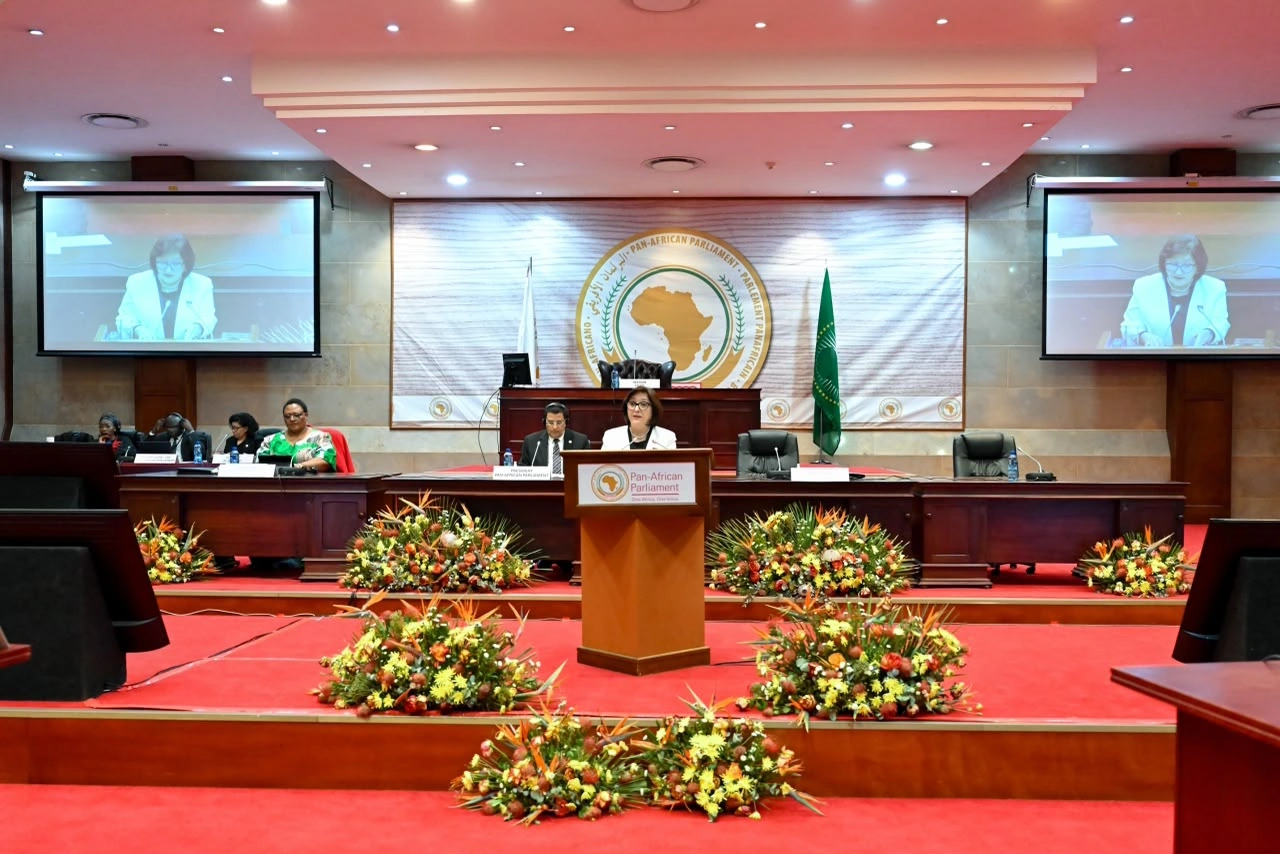
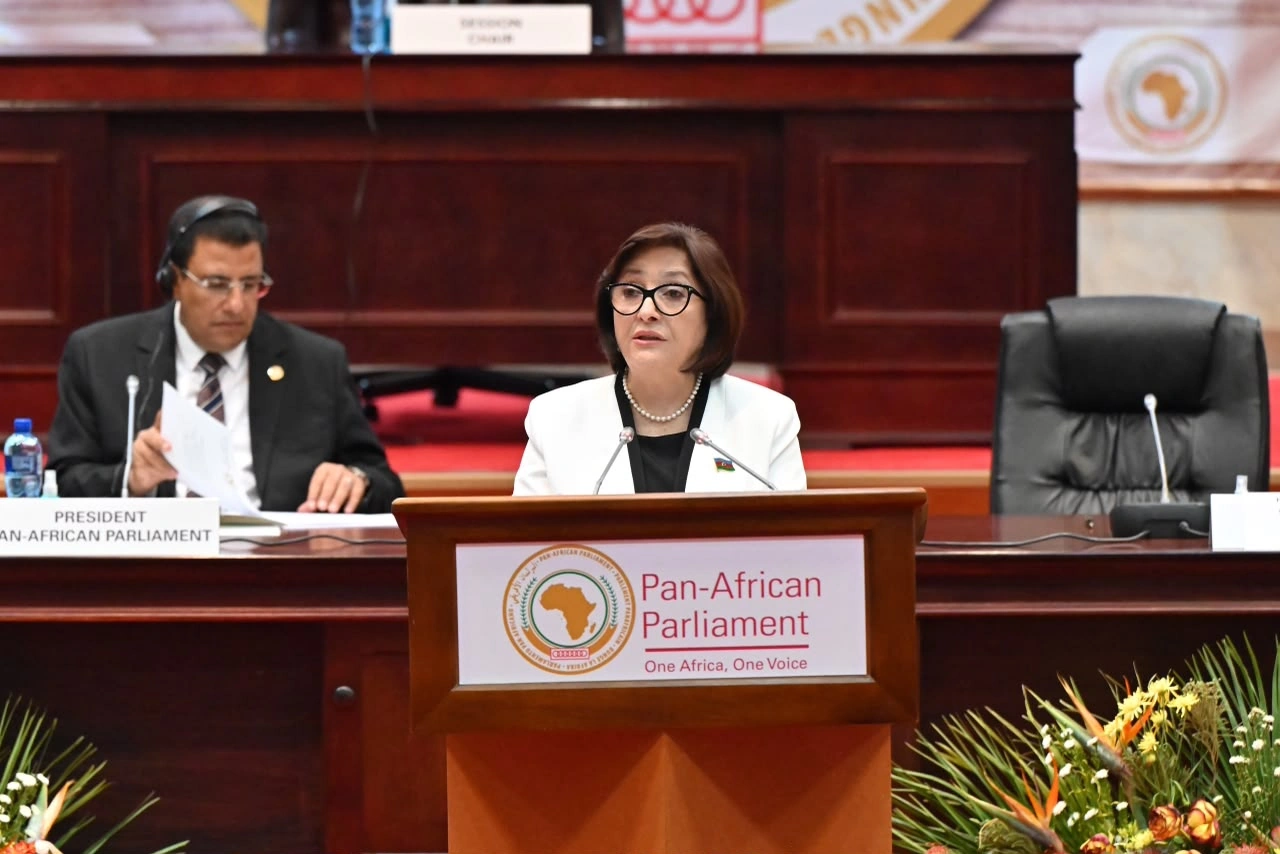
Addressing the conference, Gafarova spoke about the profound
transformations taking place in the international system, ongoing
conflicts, economic inequality, and the challenges posed by climate
change. She stressed that, at a time when confidence in
international institutions is under growing pressure, parliaments
cannot remain outside global decision-making processes. She noted
that parliaments give voice to citizens, bring national realities
to the international stage, and help translate political
commitments into legislation and concrete action.
Highlighting the growing role of parliaments in addressing
global challenges, Gafarova said that modern legislatures are not
only institutions responsible for national lawmaking but also
important actors contributing to international cooperation. She
noted that she was representing both the Parliament of Azerbaijan
and the Parliamentary Network of the Non-Aligned Movement, which
she chairs. According to Gafarova, the Network now brings together
the parliaments of more than 70 countries, including the
legislatures of most African states, and has evolved into a
respected international platform promoting inter-parliamentary
cooperation.
Expressing her firm belief that parliamentary solidarity is not
an abstract principle but a practical necessity in today's
international relations, Gafarova emphasized the importance of
multilateral cooperation and parliamentary diplomacy in addressing
complex global challenges. In this context, she highlighted the
significant role of the Pan-African Parliament, noting that it
reflects Africa's vision of unity, development, and a stronger
global role at the parliamentary level. She added that the
institution also contributes to achieving the goals of the African
Union's Agenda 2063 by promoting the vision of a peaceful,
prosperous, and integrated Africa driven by its own people and
playing its rightful role in the international community.
Gafarova stressed that Azerbaijan deeply respects this vision
and attaches great importance to its relations with African
countries, supporting mutually beneficial cooperation based on
equality and mutual respect.
She also said that Africa should be represented globally not
only by its size but also through its ideas, priorities, and
leadership. According to Gafarova, the continent is no longer
merely the subject of global discussions but is increasingly
helping shape them. She emphasized the importance of ensuring that
Africa's growing role is properly reflected in international
institutions, including global parliamentary organizations.
The Speaker also addressed the future of multilateral
cooperation and parliamentary diplomacy, highlighting the special
role of the Inter-Parliamentary Union (IPU) as a global
parliamentary platform that brings together different political
systems and regions.
Gafarova noted that genuine inclusiveness requires not only the
representation of all regions in international parliamentary
platforms but also equal participation in setting priorities,
advancing initiatives, and exercising leadership. In this regard,
she emphasized the importance of strengthening cooperation between
the IPU and regional parliamentary organizations such as the
Pan-African Parliament. She said such cooperation would enable the
IPU to benefit from the experience and political perspectives of
regional organizations, while allowing the Pan-African Parliament
to use the IPU's global platform to promote Africa's priorities on
the international parliamentary agenda and further strengthen the
continent's role in parliamentary diplomacy. According to Gafarova,
modern parliamentary multilateralism should be based on broader
representation, closer coordination, and greater sensitivity to the
realities of all regions.
Concluding her remarks, Gafarova expressed solidarity with the
Pan-African Parliament and the parliaments of African countries,
underscoring the importance of ensuring a stronger voice and a more
active role for Africa in the international system.