ASTANA, Kazakhstan, March 24. Kazakhstan’s
government has approved a national project aimed at developing
coal-fired power generation, Trend reports, citing the Kazakh government.
The document outlines Kazakhstan’s energy security strategy
through 2030 and seeks to eliminate the growing deficit of baseload
capacity amid rapid industrialization and digitalization.
Authorities note that the expansion of the IT sector, data centers,
and artificial intelligence requires a stable electricity supply
that cannot be ensured solely by renewable energy sources.
The project provides for the commissioning and modernization of
7.8 GW of capacity, including the construction of eight new power
plants. Major facilities are planned in Ekibastuz (2,640 MW),
Kurchatov (700 MW), and Zhezkazgan (500 MW), alongside new combined
heat and power plants in Kokshetau, Semey, and Ust-Kamenogorsk.
In parallel, 11 operational facilities, such as Aksu GRES,
Ekibastuz GRES-2, and the Karaganda energy hub, will experience
extensive upgrades, targeting a 12.6% reduction in equipment
degradation by 2030.
The total investment is expected to exceed 7.5 trillion tenge
(approximately $15.5 billion), financed through off-budget sources.
The project also emphasizes environmental sustainability through
the introduction of “clean coal” technologies, including
electrostatic precipitators, catalytic nitrogen oxide reduction
systems, and flue gas desulfurization.
To ensure system stability, the project is synchronized with the
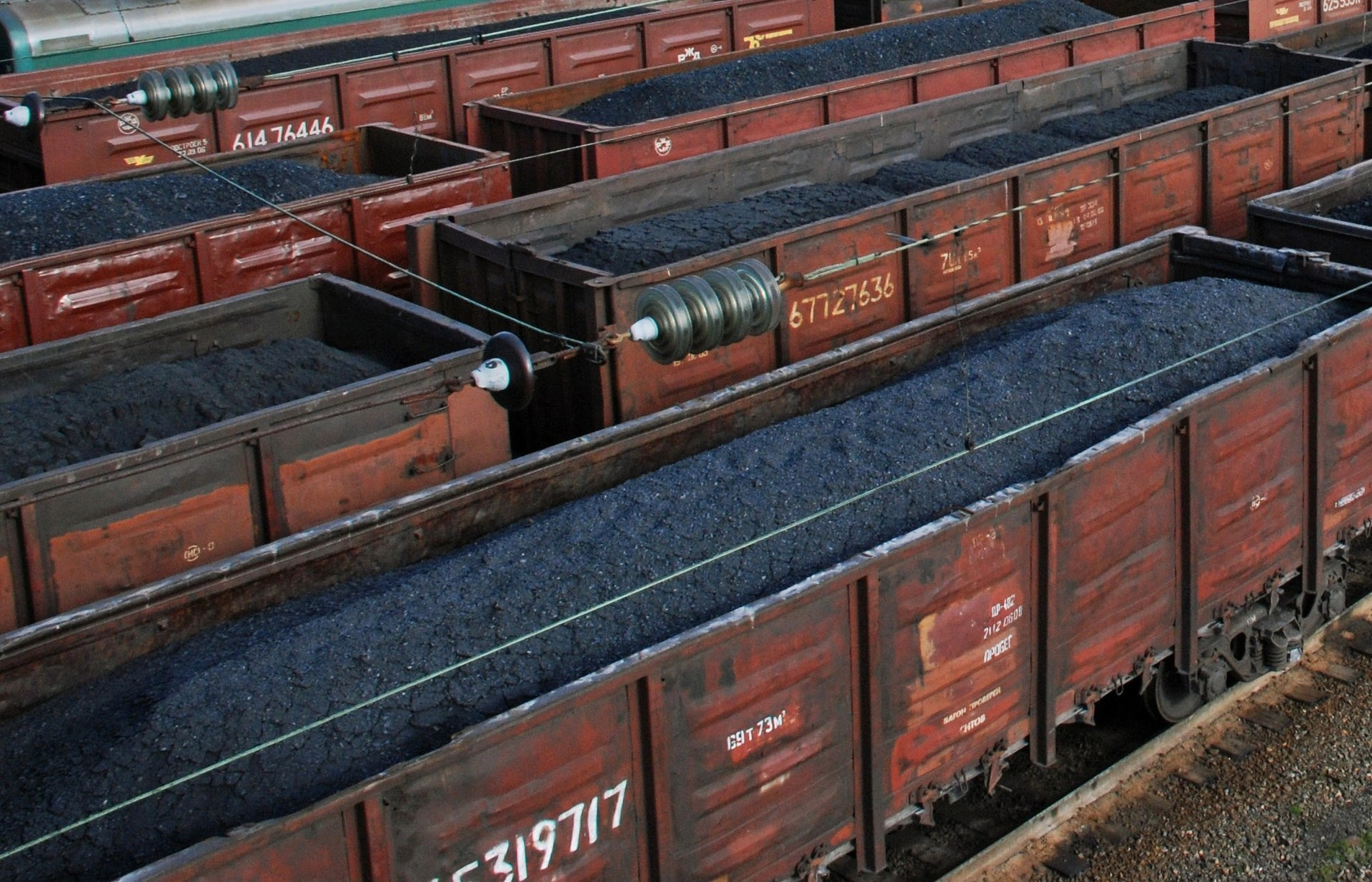
mining and transport sectors. By 2030, additional demand for coal
is projected at 20 million tons annually, requiring expansion of
railcar capacity and modernization of railway infrastructure.
The government expects the project to strengthen Kazakhstan’s
energy sovereignty and stimulate domestic manufacturing, including
the production of boilers, transformers, and automation
systems.
Stay up-to-date with more news on Trend News
Agency's WhatsApp channel