ASTANA, Kazakhstan, March 19. Kazakhstan’s
Ministry of Energy is accelerating efforts to move 10 problematic
combined heat and power (CHP) plants out of the critical “red zone”
ahead of the next heating season, Trend reports via the ministry.
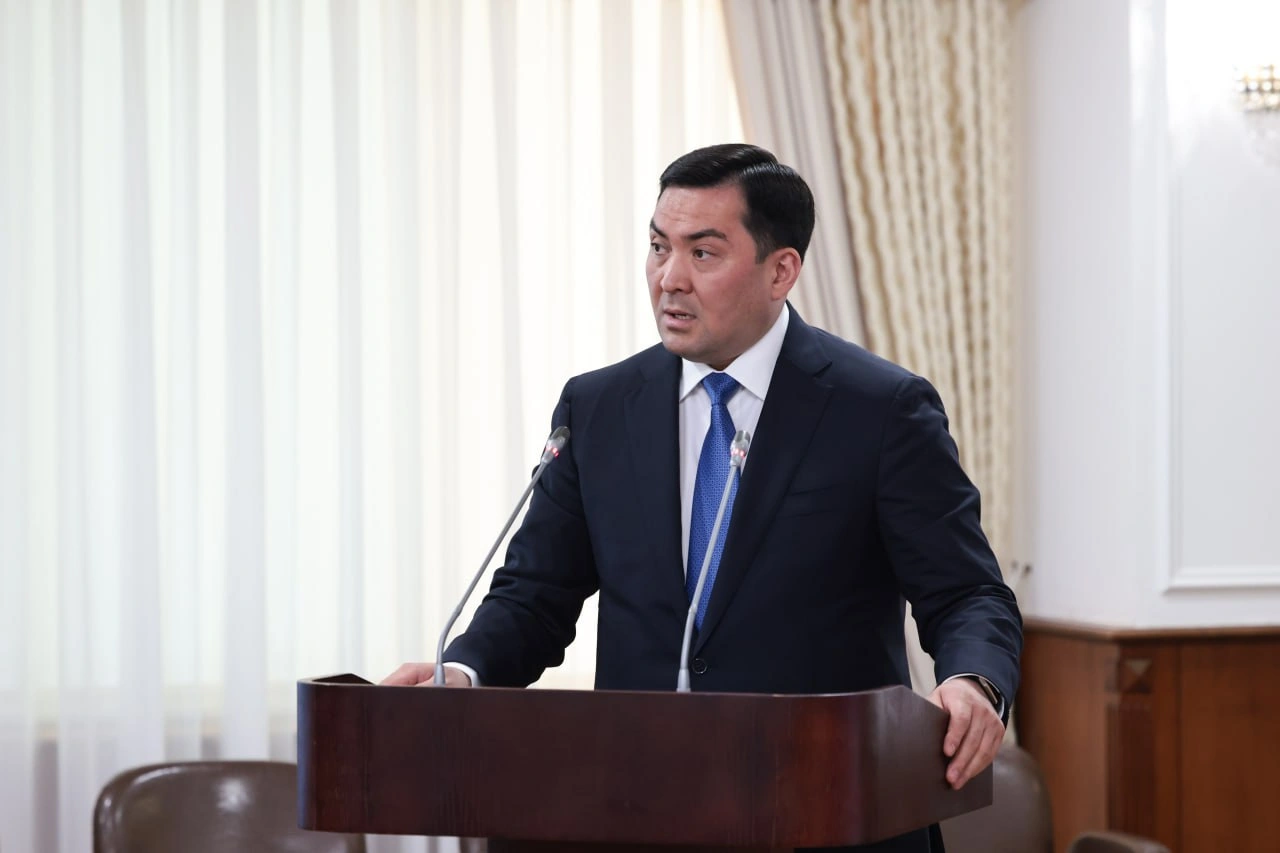
The issue was discussed during a special meeting chaired by
Energy Minister Yerlan Akkenzhenov, with the participation of
deputy akims, heads of energy enterprises, and regional
representatives.
During the meeting, the minister noted that the current heating
season is proceeding in a stable mode. Thanks to the “Tariff in
exchange for investment” program, the overall wear rate of CHP
plants in the country decreased from 61% to 59% in 2025. Three
plants were moved to the “green zone,” while nine were taken out of
the “red zone.”
However, further measures are required. Of the 37 CHP plants in
Kazakhstan, 10 are currently in the “green zone,” 17 in the “yellow
zone,” and 10 remain in the critical “red zone.”
Meanwhile, the list of problematic facilities includes CHP
plants in Semey, Temirtau GRES-1, Petropavlovsk, Aktau CHP-2,
Pavlodar CHP-2, Stepnogorsk, Uralsk, Kyzylorda, Arkalyk, and
Taraz.
Minister Akkenzhenov confirmed that comprehensive repair plans
have been approved for these plants. In total, major overhauls are
planned for nine power units, 55 boilers, and 51 turbines. Repairs
are already underway for two power units, five boilers, and two
turbines, while one turbine overhaul has been completed.
At the same time, he stressed that repairs alone are
insufficient, pointing to limited funding and persistent risks of
accidents even after upgrades. Akkenzhenov called for a shift from
short-term planning to a more systematic approach, as well as
stricter oversight of contractors.