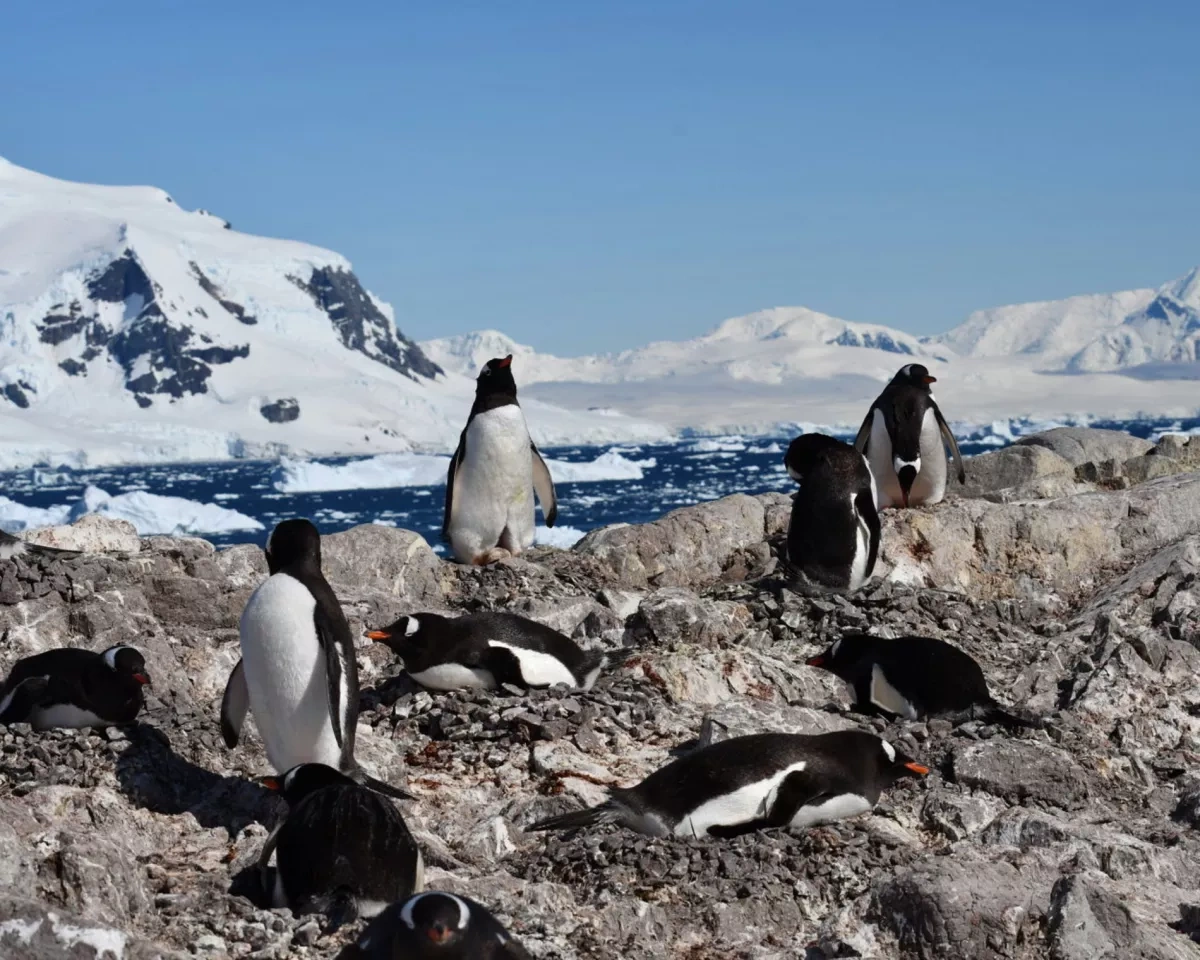
Penguins in Antarctica are dramatically shifting the timing of their breeding seasons in response to climate change, raising fresh concerns about their long-term survival, according to new research.
A decade-long study led by Penguin Watch at the University of Oxford and Oxford Brookes University has found that some penguin populations are now breeding more than three weeks earlier than previously recorded. The findings, published on January 20 in the Journal of Animal Ecology, suggest the changes are happening at unprecedented speed and could disrupt access to food for penguin chicks, The Guardian shares.
Researchers examined breeding patterns between 2012 and 2022, focusing on when penguins first settled continuously at nesting colonies. The study covered three species — Adélie, chinstrap and gentoo penguins — across 37 colonies in Antarctica and nearby sub-Antarctic islands. Colony sizes ranged from just a dozen nests to several hundred thousand.
Data were collected using 77 time-lapse cameras, each recording images and air temperature throughout the breeding season. The results show that all three species are breeding earlier, but gentoo penguins experienced the most dramatic shift.
On average, gentoo breeding advanced by 13 days over the decade, with some colonies shifting by as much as 24 days — the fastest change in breeding timing ever recorded in any bird, and possibly any vertebrate. Adélie and chinstrap penguins advanced their breeding by around 10 days.
The changes could also intensify competition between species.
Gentoos’ ability to switch between krill and fish gives them a further advantage.
Traditionally, staggered breeding times have helped the three species share space.
But earlier breeding could increase competition for food, nesting sites and snow-free ground.
Scientists remain uncertain about the exact trigger for the shifts, though warmer temperatures, earlier ice breakup and changes in plankton blooms are all possible factors.
With penguins playing a crucial role in Antarctic food webs, researchers warn that further population declines could threaten the stability of the entire ecosystem.
By Sabina Mammadli