ASTANA, Kazakhstan, December 17. The
construction of nuclear power plants in Kazakhstan will mark a
qualitative leap in the country’s economic development, President
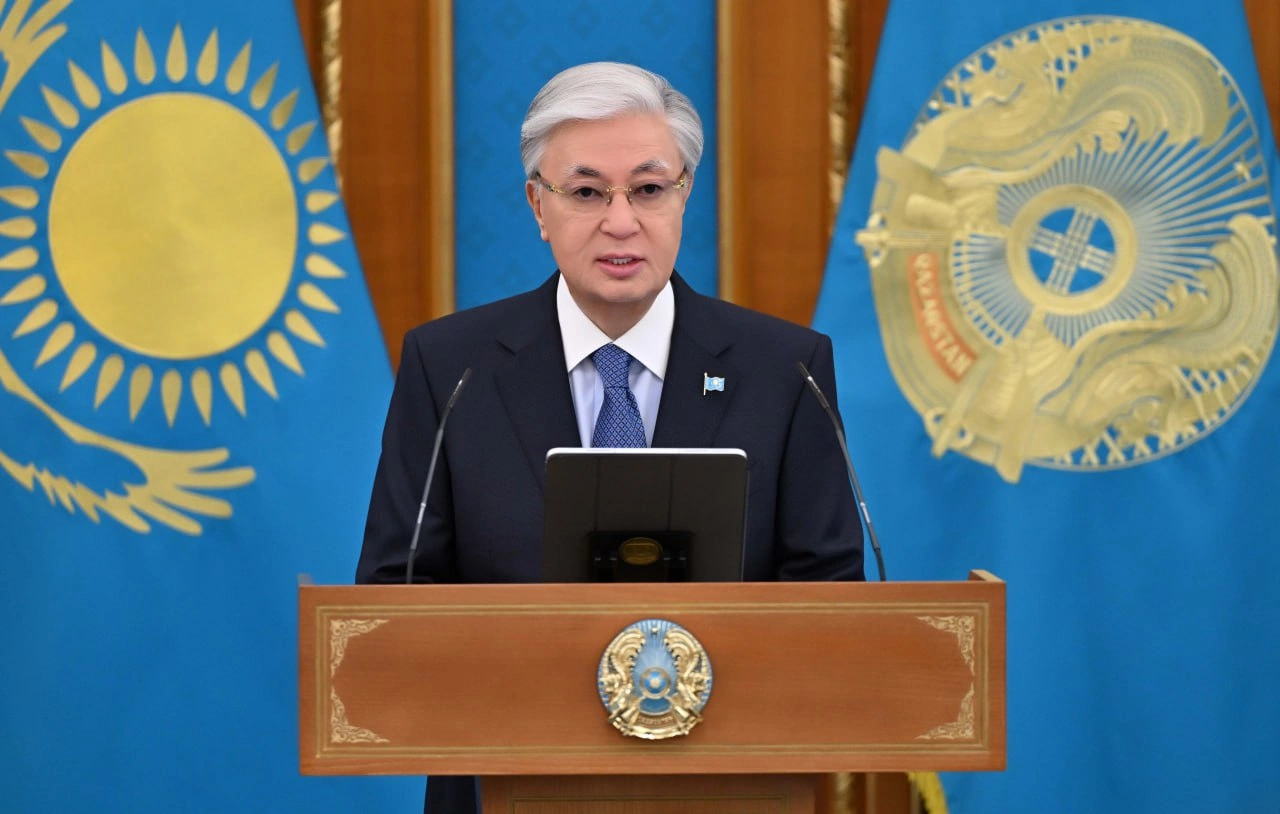
Kassym-Jomart Tokayev said during his speech at a ceremony
dedicated to the Day of Energy Workers, Trend reports via the press service of the
Kazakh President.
Tokayev further highlighted the strategic importance of the
initiative amid global energy transformations
“The appearance of nuclear power plants on Kazakhstan’s energy
map will signify our country’s transition to a qualitatively new
level of economic development,” Tokayev stated.
Speaking on the global energy landscape, the President noted
that the world is undergoing a period of fundamental change,
characterized by intense competition for energy resources. He
stressed that Kazakhstan’s decision to build the Balkhash Nuclear
Power Plant, followed by a second facility, will strengthen the
country’s energy potential and develop new competencies in the
nuclear sector.
“The state must train a new generation of energy specialists and
build the industry’s capacity to meet emerging challenges,” Tokayev
emphasized, underlining the broader economic and technological
benefits of nuclear energy for Kazakhstan.
The strategic decision in 2025 has been the move toward a
multi-plant architecture to bridge a base-load gap that
intermittent renewables cannot fill. Construction of the first 2.4
GW plant by the Rosatom-led consortium is already in the
engineering phase, with the first unit expected to come online by
2035.
In
October 2025, the government officially designated the south as the
site for a second nuclear facility, selecting China National
Nuclear Corporation (CNNC) as the priority partner. This plant will
specifically target the chronic energy deficits in southern
Kazakhstan, which currently relies on aging north-south transit
lines.
Plans
for a third facility in eastern Kazakhstan are also advancing, with
China slated to lead this project as well. This "eastward tilt"
allows Kazakhstan to balance Russian influence while leveraging
China's faster construction timelines and lower cost
structures.