DUSHANBE, Tajikistan, December 16. The third
unit of the Rogun Hydropower Plant in Tajikistan will be put into
operation in 2027, and by September 2027, the country will achieve
energy independence, Trend reports via the press service of the President
of Tajikistan.
This was announced by President of Tajikistan Emomali Rahmon on
December 16 in his address to the Parliament.
According to the president, by 2027, Tajikistan will completely
forget about electricity consumption limits.
"We have gone through difficult times; the winter of 2026 will
be easier, and from 2027, we will forget about energy problems,"
said the president.
Rahmon also reported that currently, 18,600 workers and
specialists are involved in the construction of the Rogun
Hydropower Plant.
According to him, more than 60% of the construction work has
already been completed.
"All the major and most costly works have been successfully
completed," the president noted.
He added that in order to continue the construction, 9 billion
somoni have been allocated from the state budget this year.
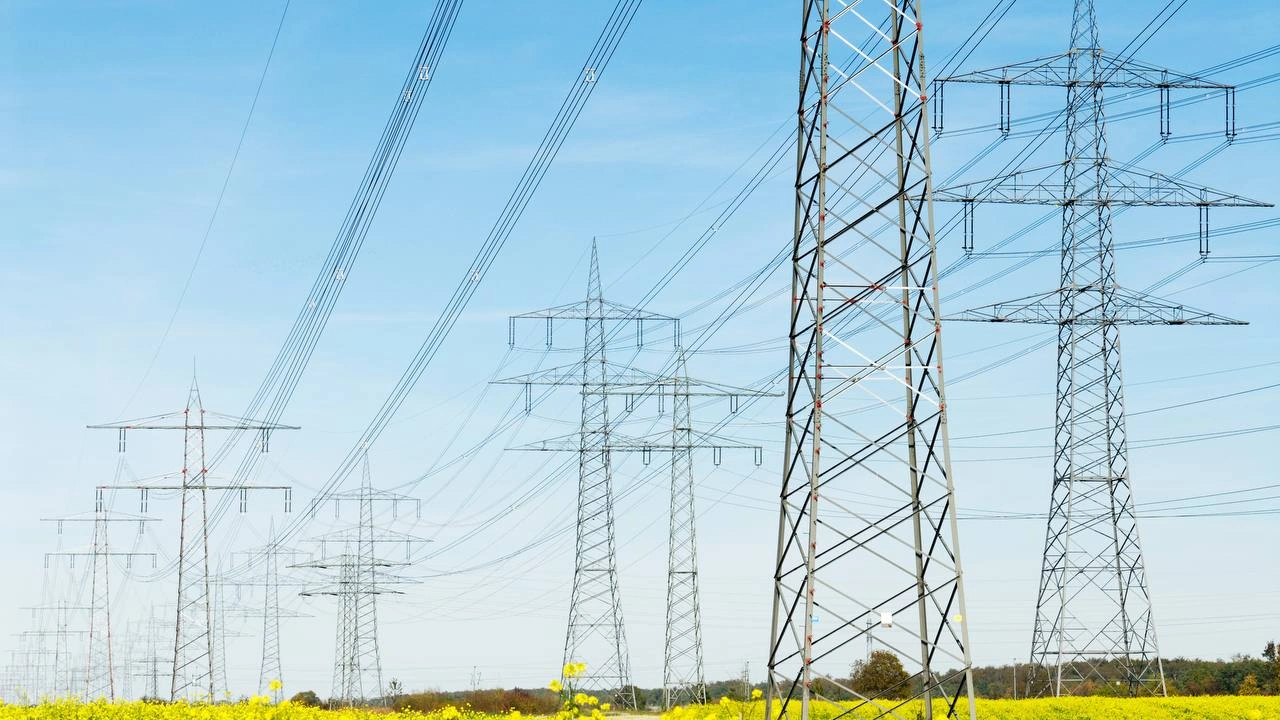
Additionally, Rahmon emphasized that the country's energy
independence is being further strengthened by the modernization of
the Nurek HPP and other existing hydropower plants, as well as the
construction of solar power plants. Specifically, the country plans
to produce 1500 kW of solar energy.
The president stated that with proper energy management, the
country has sufficient production capacity to fully meet the needs
of all consumers.
The Rogun Hydropower Plant (HPP) in Tajikistan is a massive,
partially completed hydroelectric project on the Vakhsh River, set
to become Central Asia's largest power plant, featuring the world's
tallest dam (335 m) for generating clean energy, boosting
Tajikistan's economy, ensuring regional energy security, and
mitigating floods and droughts. It's a multi-purpose facility
designed to double Tajikistan's energy output, provide electricity
to millions, and support regional power markets by exporting
surplus power, especially to Uzbekistan and Kazakhstan, while
managing water resources for irrigation.
Stay up-to-date with more news on Trend News
Agency's WhatsApp channel