TASHKENT, Uzbekistan, December 15. Uzbekistan
is launching an ambitious strategy to significantly deepen its
capital market, setting an explicit goal of attracting at least $1
billion in investment to the domestic market, Trend reports via Uzbek
president's office.
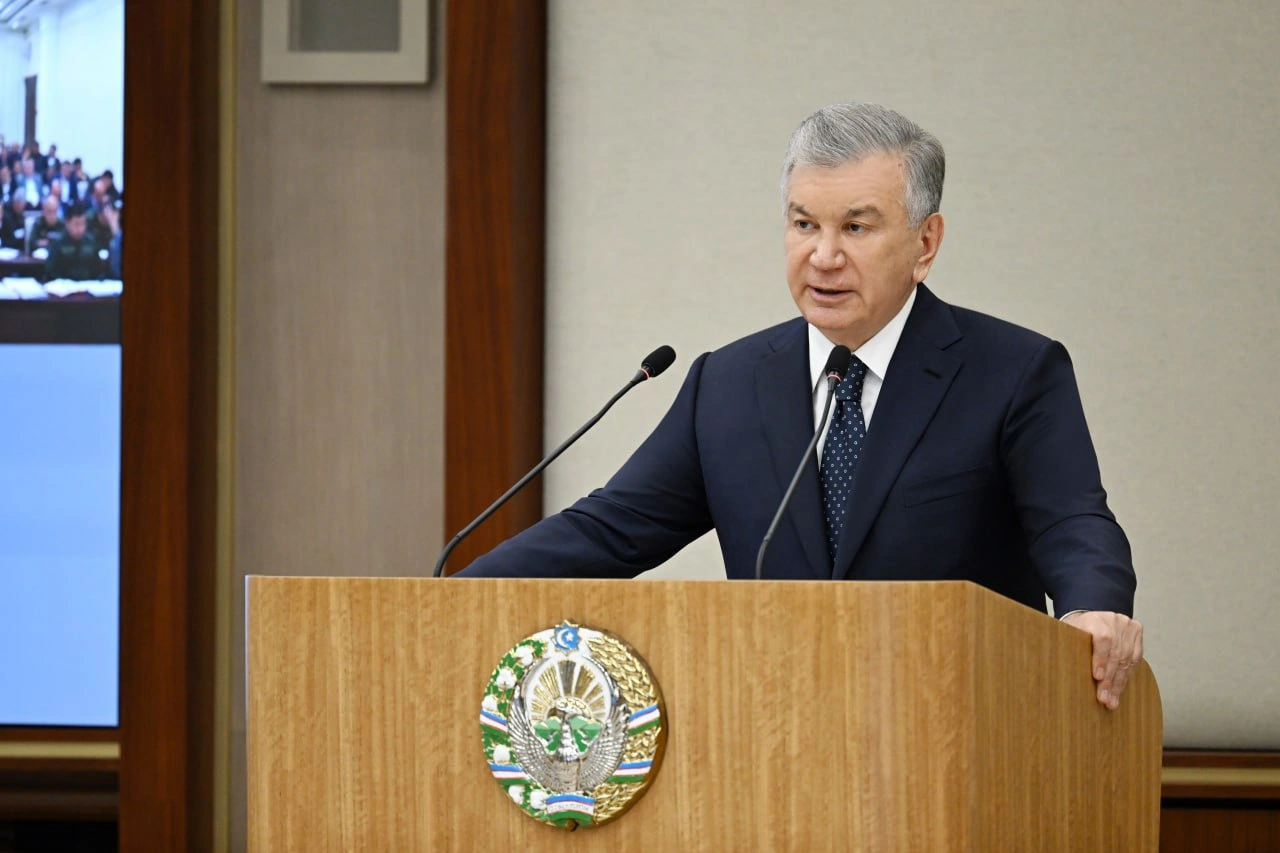
The plans were announced during a presentation focusing on the
further development of Uzbekistan's capital market and the
accelerated implementation of international standards in the
banking sector, chaired by the President of Uzbekistan Shavkat
Mirziyoyev.
The plan involves major legislative and technical innovations,
including authorizing dual listings, which will permit the
simultaneous placement of securities on both local and foreign
stock exchanges in accordance with international standards. To
diversify market offerings, the government is also set to introduce
new financial instruments such as foreign currency bonds, Global
Depository Receipts (GDRs), foreign securities, and Exchange-Traded
Funds (ETFs).
A key reform focuses on expanding the "regulatory sandbox" legal
regime. The enhanced sandbox conditions will now extend to
residents, establish an unlimited term for foreign investors, and
permit the trading of foreign company shares and bonds, a critical
move aimed at reducing unofficial trading of these securities.
To boost domestic participation, local companies and banks will
be allowed to issue foreign currency bonds on the Tashkent Stock
Exchange (TSE). This will enable them to raise foreign currency
funds without needing to access the external market. Furthermore,
the bond market will be expanded by permitting issuers to issue
unsecured bonds and bonds in excess of their own capital.
The measures for the capital market were presented to President
Shavkat Mirziyoyev on December 15, where it was noted that while
the current market value of outstanding securities stands at 275
trillion soums, the market capitalization accounts for only 20
percent of the gross domestic product, a figure significantly below
global indicators. The government plans to align national
legislation with the requirements of the International Organization
of Securities Commissions (IOSCO), strengthen the regulator's
powers, and gradually increase the authorized capital requirements
for professional participants.