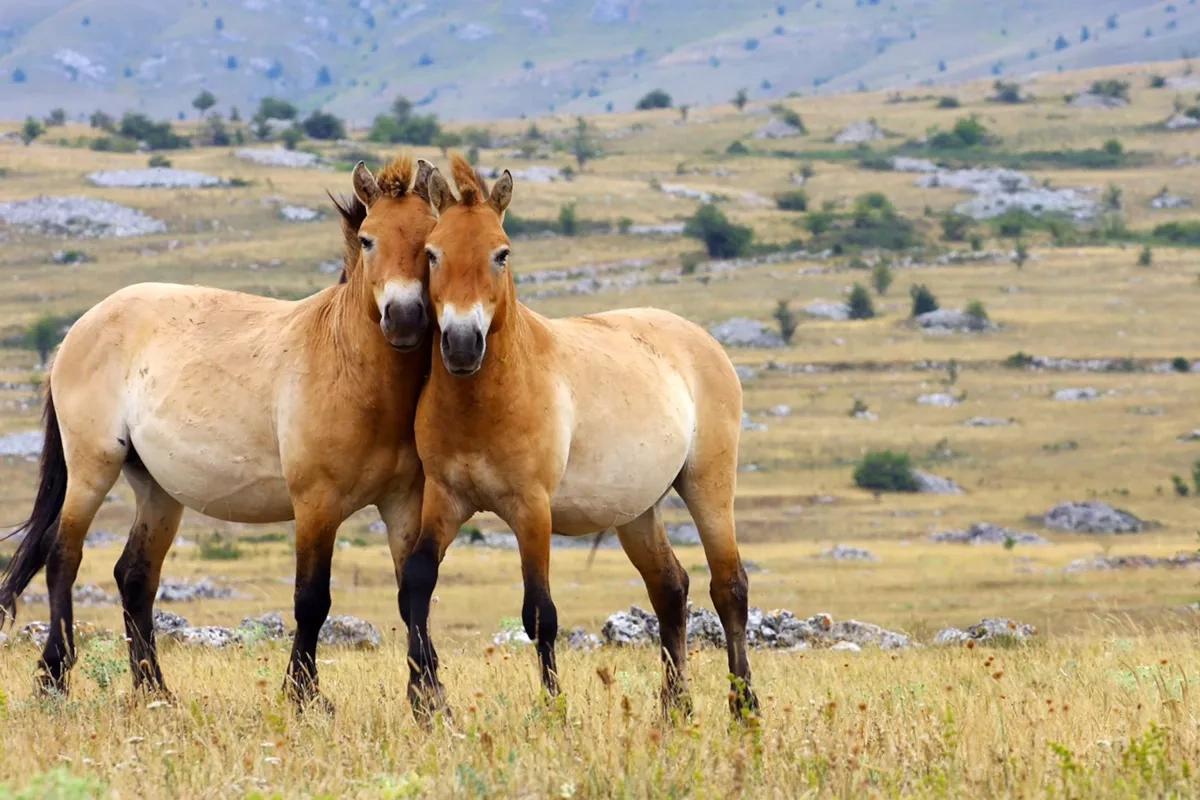
Kazakhstan’s vast grasslands are seeing the return of a species once lost to the wild, symbolising a broader national effort to restore the country's natural and cultural heritage.
Przewalski’s horse, the world’s only genetically wild horse, is being reintroduced to the steppe for the first time in over 200 years, with the first 14 horses relocated to the region as part of a long-term conservation project, Euronews writes.
Horses have long been integral to Kazakh identity. For centuries, the nomadic way of life centered around these animals, whose role extended beyond transportation to become central to daily life, traditions, and even child-rearing. Kazakhstan’s history with horses dates back more than 5,000 years, to the Botai culture of northern Kazakhstan, believed by scientists to be the birthplace of horse domestication.
Archaeological evidence even suggests early Kazakhs milked horses, underscoring their pivotal role in the region’s ancient way of life.
The return of Przewalski’s horses is led by the Altyn Dala Conservation Initiative, a project aimed at restoring species critical to Kazakhstan's natural heritage. The reintroduction marks a significant milestone, not only for biodiversity conservation but also for Kazakhstan’s cultural connection to these iconic animals. The horses have been relocated from conservation programs in Europe, including Prague Zoo in the Czech Republic and Hortobágy National Park in Hungary, to the Alibi Reintroduction Centre in the Kostanay region.
Przewalski’s horses had vanished from the wild by the mid-20th century, and decades of conservation efforts in Europe have made it possible for their reintroduction to the steppe. The project is designed to ensure the horses’ long-term survival, with reintroduction efforts slated to continue through 2029.
The horses, once in captivity, are being closely monitored to ensure they adapt to their new environment. Experts are working on creating the right conditions for breeding to ensure the population grows and thrives.
The reintroduction of Przewalski’s horses is not only a conservation success but also a reminder of Kazakhstan's longstanding heritage of horse breeding. For centuries, Kazakhs have been skilled breeders, with breeds like the Kostanay and Adai known for their strength, endurance, and adaptability. In 2023, the Adai horse was officially recognised as a distinct Kazakh breed, prized for its ability to endure extreme temperatures and travel long distances.
By Sabina Mammadli