BAKU, Azerbaijan, November 5. Turkmenistan has
broken ground on the 550-kilometer Ashgabat–Dashoguz highway, a
major infrastructure initiative set to serve as a vital link in the
emerging North–South transport corridor, according to the Turkmen
government's press service.
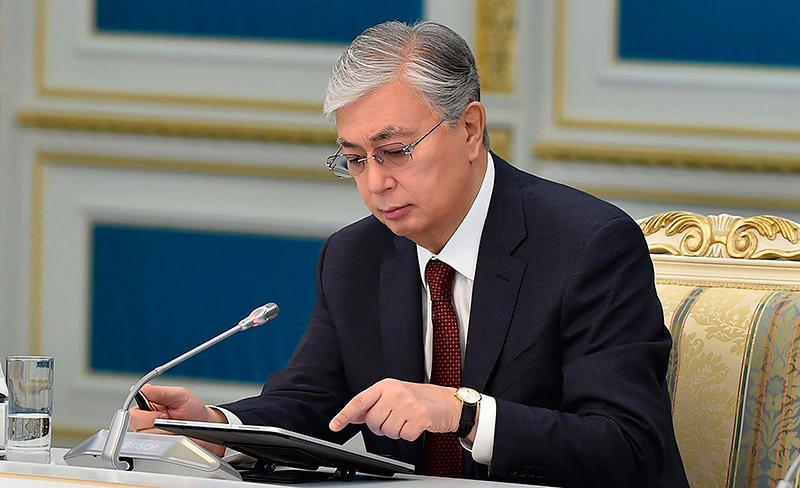
President Serdar Berdimuhamedov, who attended the launch
ceremony and gave the start to construction works, said the highway
would connect the country's northern region with the capital.
"Today, we are launching the construction of the
Ashgabat-Dashoguz highway, which is intended to become a key link
in the prospective North-South transport corridor," Berdimuhamedov
said.
According to him, the project is expected to increase
Turkmenistan's transport and transit potential and improve the
safety of transport connections. It is also intended to contribute
to a significant increase in trade turnover, freight and passenger
traffic between neighboring countries.
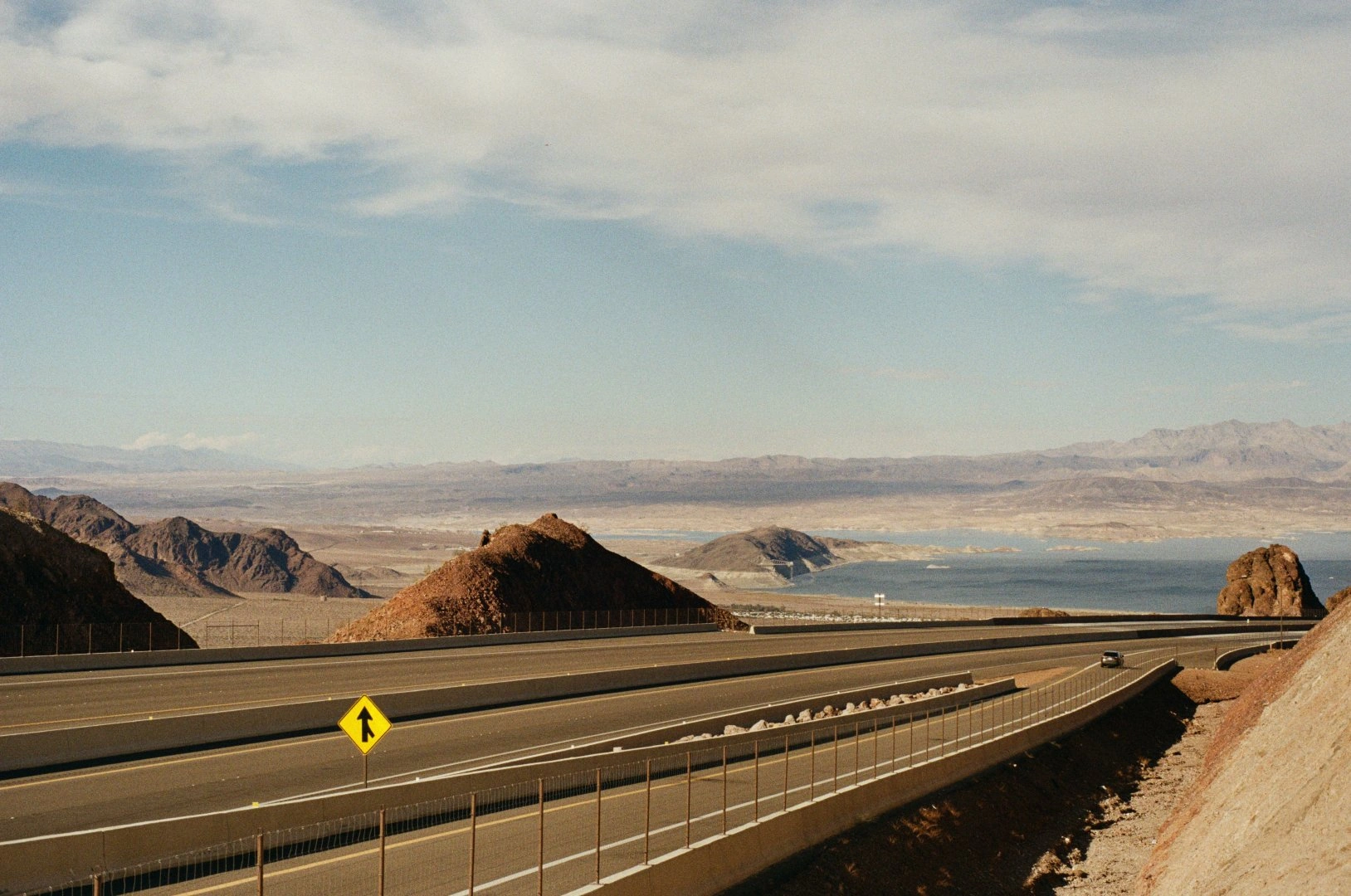
The highway will stretch for approximately 550 kilometers. Its
development will include the construction of supporting
infrastructure and the introduction of digital technologies to
improve road operations and safety.
"Along the highway, which has a total length of about 550
kilometers, all necessary conditions will be created for passengers
and drivers, and modern equipment and monitoring systems operated
through digital technology will be installed," the president
said.
The project also considers the construction of a new 812-meter
automobile bridge along the route. In addition, nine existing
bridges will undergo comprehensive modernization.
The planned bridge works and installation of digital monitoring
equipment form part of the wider effort to upgrade the highway
infrastructure. These measures are intended to improve travel
conditions, strengthen road safety and support the reliable
operation of the route, the report noted.
The Ashgabat-Dashoguz highway is one of Turkmenistan's key
domestic transport arteries, connecting the capital with the
country's northern Dashoguz region. The approximately 546-kilometer
route crosses the Karakum Desert, which occupies around
three-quarters of Turkmenistan's territory and separates the
country's central and northern regions. Developing transport
infrastructure across this vast desert area is therefore important
for maintaining connections between the country's major economic
and administrative centers.
The importance of this connection is also reflected in the
region's economic profile. Dashoguz region is one of Turkmenistan's
major agricultural regions, with settlements and irrigated farming
areas concentrated in the northern part of the country, near the
lower reaches of the Amu Darya River. The existing 540-kilometer
Ashgabat-Karakum-Dashoguz railway already links the northern
agricultural region with the country's central industrial areas,
illustrating the role of transport infrastructure in connecting
these different economic zones.
Dashoguz also has a strategic geographical position due to its
proximity to Uzbekistan. The Turkmen velayat borders the country's
Khorezm region, located in northwestern Uzbekistan. Khorezm is an
important agricultural and historical region, with its
administrative center in Urgench and the historic city of Khiva
among its main urban centers. The two neighboring regions have an
important cross-border economic dimension: in November 2025,
Turkmenistan and Uzbekistan launched the joint Shavat-Dashoguz
border trade zone to facilitate trade between them. According to
the Uzbek government, the two regions have a combined population of
more than 3.5 million people.
The Shavat-Dashoguz zone includes customs, quarantine,
phytosanitary and veterinary facilities, as well as warehouses, a
trade pavilion and services operating under a single-window
principle. Its establishment is intended to expand trade and
economic ties between the neighboring regions. Improved road
connectivity between Ashgabat and Dashoguz could therefore
strengthen the domestic transport link leading to this cross-border
trade area and support the movement of goods and passengers between
Turkmenistan's capital, its northern regions and neighboring
Uzbekistan.