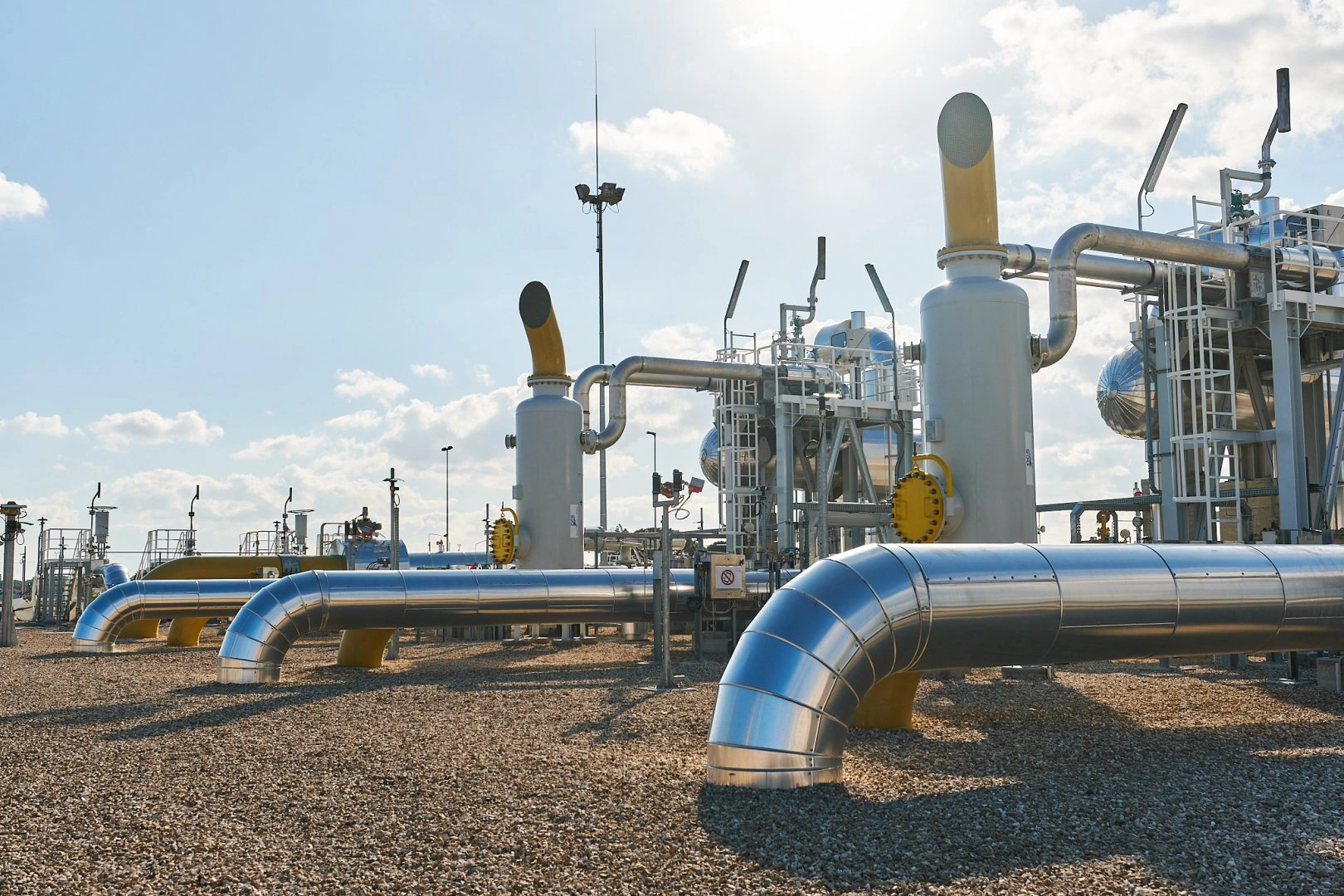
BAKU, Azerbaijan, November 3. European Union
gas storage facilities are entering the 2026–2027 heating season
with inventories at their lowest level since 2013, limiting the
bloc's ability to withstand supply disruptions and potentially
increasing price volatility over the winter.
The report is based on the findings of the International Energy
Agency’s (IEA) Global Gas Security Review 2026.
The agency estimates that low gas storage levels in Europe could
increase the region's reliance on global liquefied natural gas
(LNG) supplies to meet winter demand.
"Combined with limited gas storage capacity in several countries
in Asia and South America, this situation could intensify
competition for a limited number of flexible LNG cargoes in the
coming months and put upward pressure on spot prices, particularly
during periods of peak demand.
According to the IEA's modelling, assuming colder-than-average
weather and continued disruptions to LNG supplies through the
Strait of Hormuz, EU gas storage levels could fall below 10% of
working capacity by the end of March 2027.
This would leave the European market particularly vulnerable to
further cold spells, technical failures and other supply
disruptions," the report said.
The agency noted that gas withdrawal rates from storage
facilities typically slow once filling levels fall below 30% of
working capacity.
Furthermore, low storage inventories at the end of the heating
season would significantly increase the amount of gas that needs to
be injected into storage facilities during the summer of 2027. This
could prolong tightness in the gas market into next year.