PASHA Bank, the Azerbaijan–France Chamber of Commerce and
Industry (AFChamber) and Deloitte Azerbaijan jointly organized an
event for representatives of small and medium-sized enterprises
(SMEs) titled “Supporting SMEs’ Import and Export Operations
through Favourable Customs Regulations and Relevant Financial
Products”.
The event addressed the challenges entrepreneurs face in their
daily international trade activities, covering customs rules,
legislative changes, digitalization initiatives, logistics
processes and financing opportunities. Participants also exchanged
views on how new regulatory requirements affect business
operations.
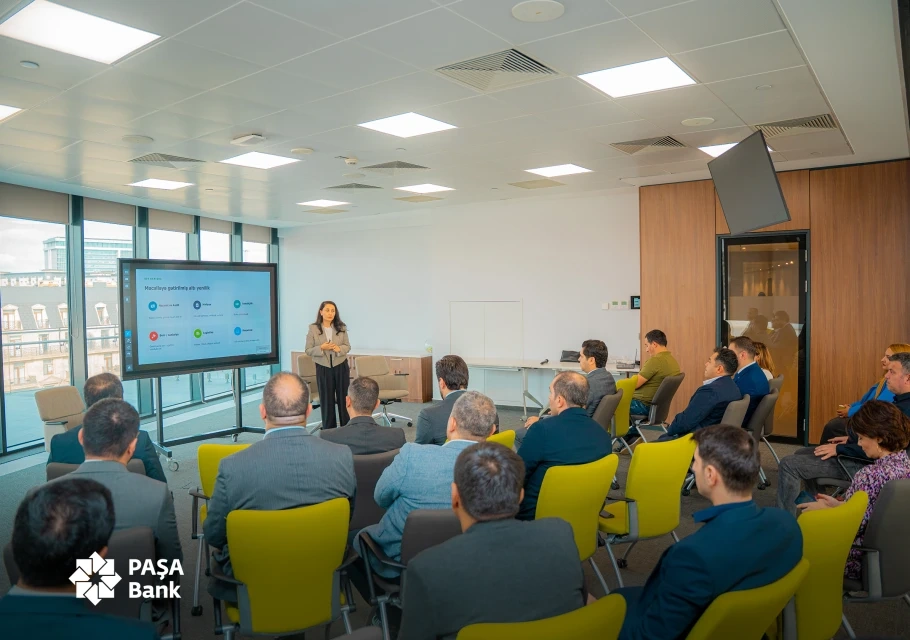
Shabnam Sadiq, Legal Manager at Deloitte Azerbaijan, gave a
presentation on customs rules governing foreign trade and changes
in legislation. She discussed the implementation of the customs
audit framework, the capabilities of the “Intelligent Customs”
Information System (ICIS), and developments concerning temporary
storage, express shipments and customs representation. The
presentation also covered planned changes involving the
digitalization of customs operations, electronic services, cashless
payment mechanisms and information exchange between customs and tax
authorities.
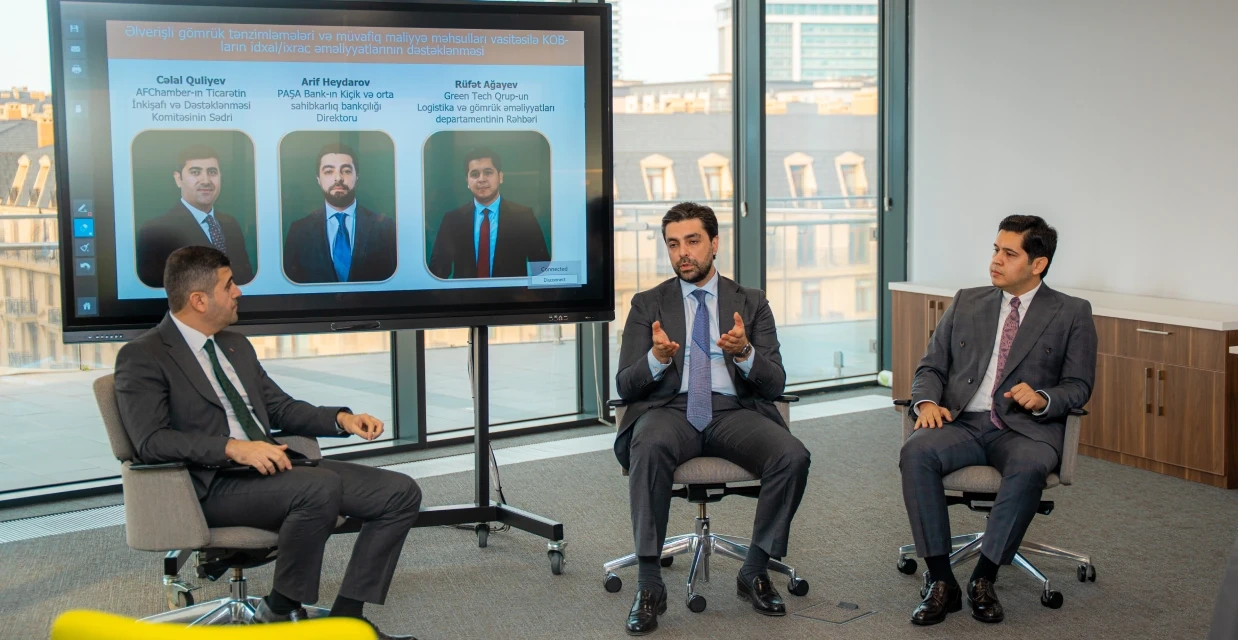
The panel featured Jalal Guliyev, Managing Director of Credit
Risk Underwriting at PASHA Bank; Arif Heydarov, Director of SME
Banking at PASHA Bank; and Rufat Aghayev, Head of the Logistics and
Customs Operations Department at Green Tech Group. They discussed
the logistical and financial challenges of import and export
operations, supply chain management, adapting to new customs
requirements and the effects of these changes on business
activities.
Drawing on Green Tech’s experience, the discussion examined the
stages involved in moving goods from production to the final
consumer, potential difficulties during customs clearance and the
role of documentation processes. Particular attention was given to
how logistics delays affect day-to-day operations and business
results. The speakers noted that effective organization of
logistics and documentation can help companies optimize costs and
maintain continuity of operations.
The panel also explored how businesses can meet their financing
needs. PASHA Bank representatives outlined the options available
through factoring, trade finance solutions, credit lines and
letters of credit. Choosing suitable financial solutions, they
explained, can help companies manage working capital more
efficiently and conduct international trade transactions with
greater flexibility.
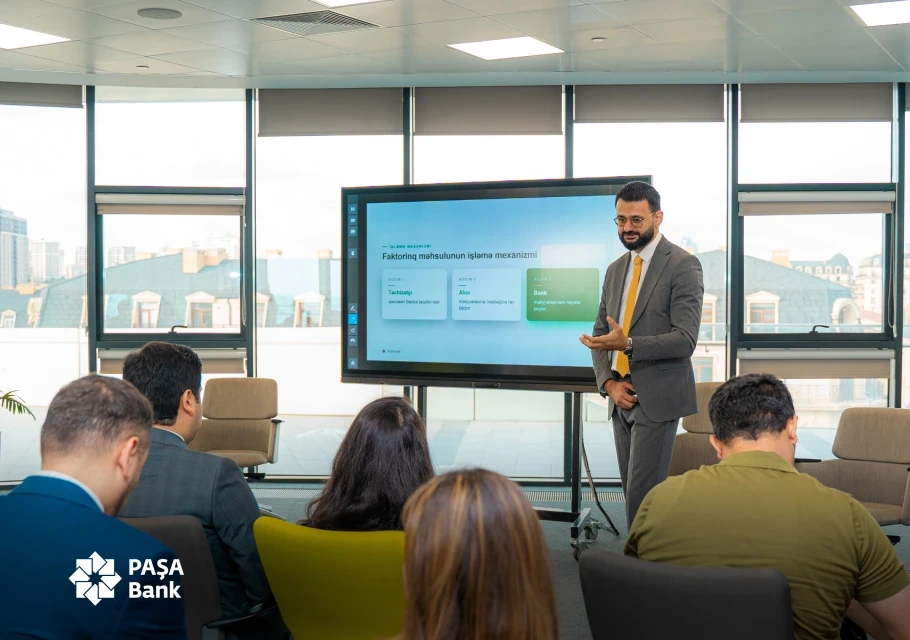
Heydar Ibrahimov, Senior Product Owner for Digital, SME and
Hybrid Loans at PASHA Bank, delivered a separate presentation on
factoring. He explained how financing accounts receivable enables
businesses to access working capital sooner. Factoring can also
help companies meet their financial needs while awaiting payments
from customers and manage their liquidity more efficiently.
The event concluded with a question-and-answer session and
further discussion of the prospects for international trade and the
practical issues entrepreneurs encounter in their business
activities.
PASHA Bank continues its efforts to expand financing
opportunities for entrepreneurs and support their international
trade activities.