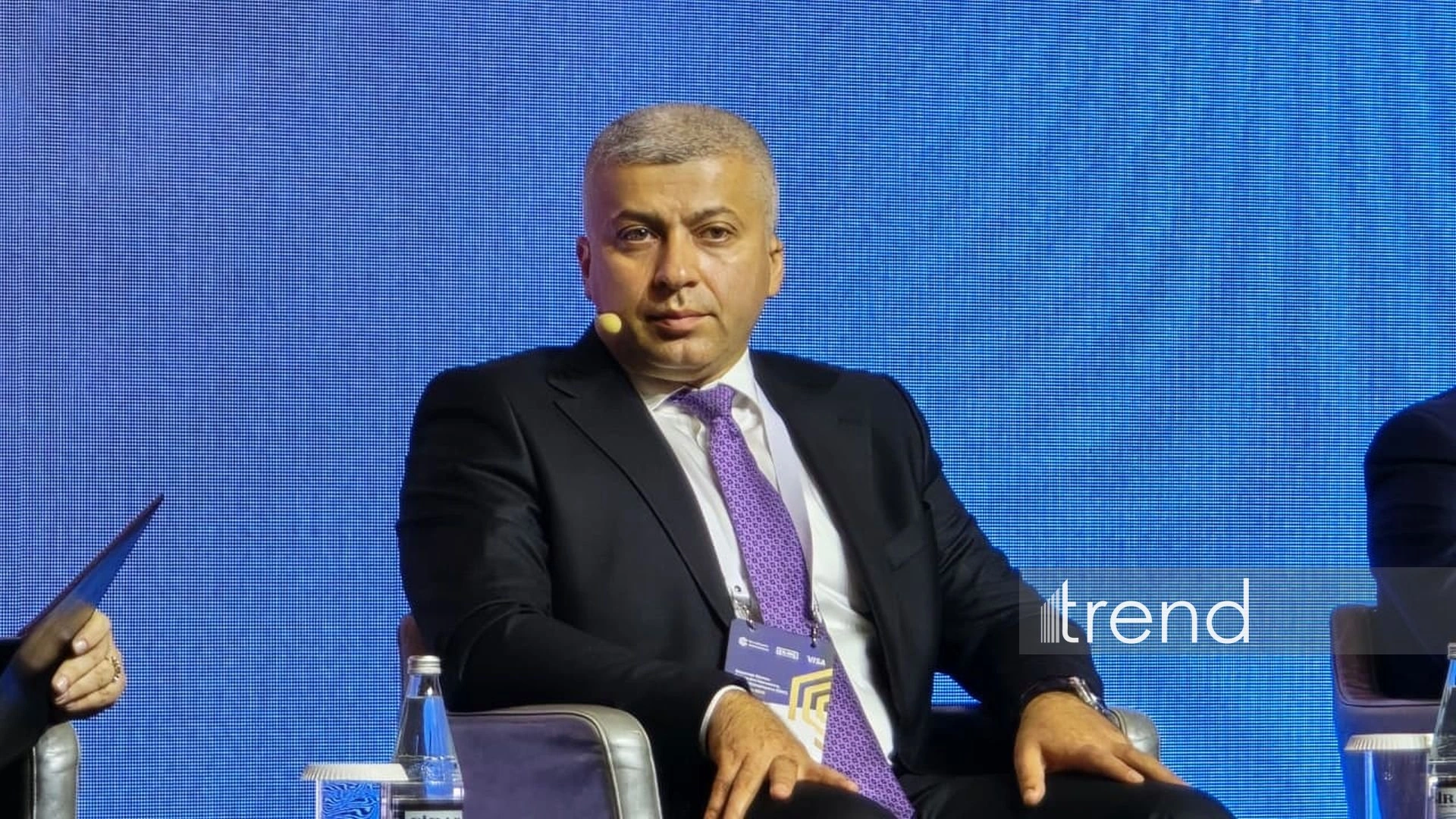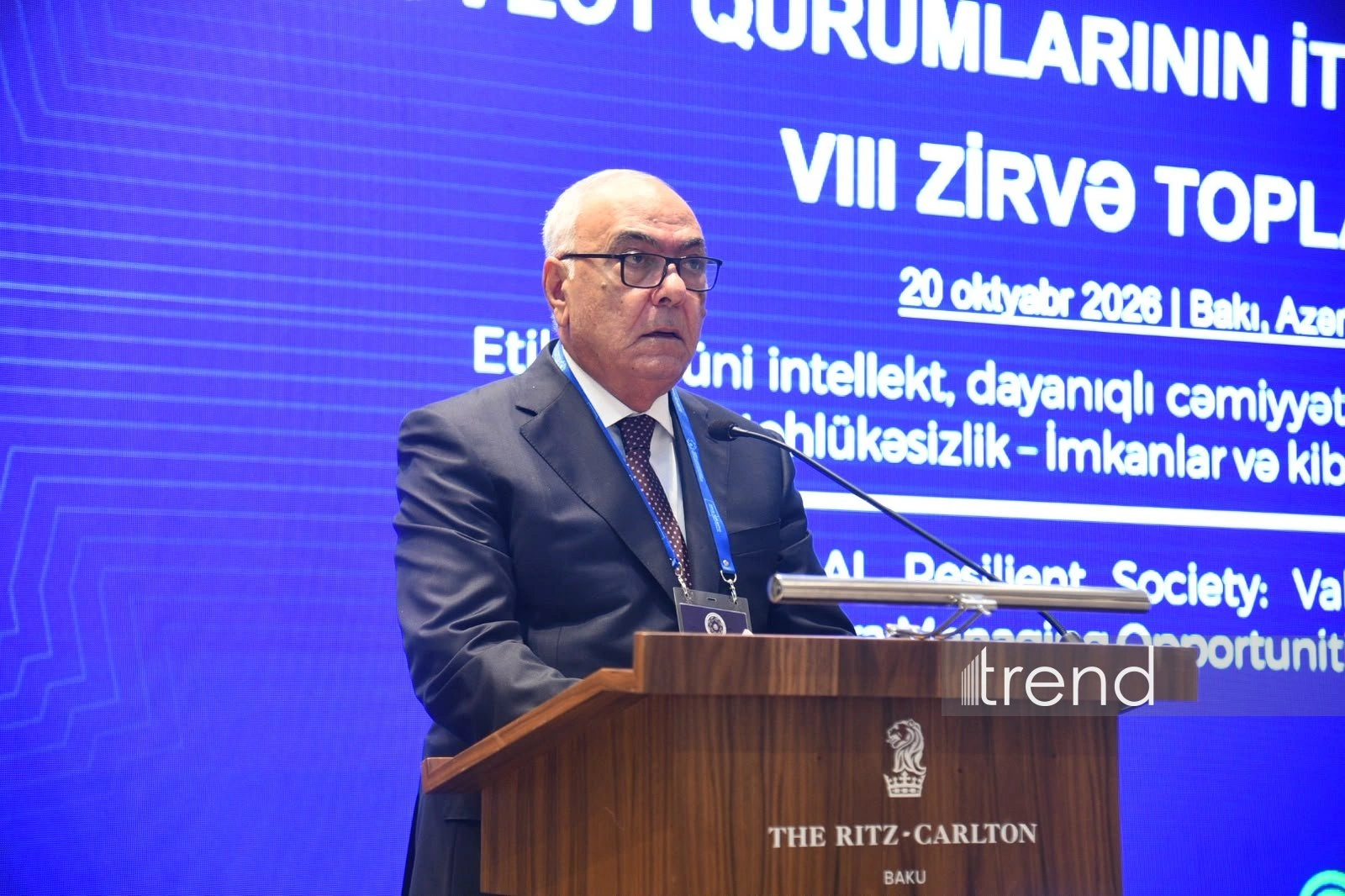
BAKU, Azerbaijan, October 20.
The application of artificial intelligence (AI) systems gives rise
to new challenges in the field of information security, Deputy
Chief of the State Service for Special Communication and
Information Security, Lieutenant General Allahveran Ismayilov, said
at the 8th Summit of Heads of Information Security for State
Institutions in Baku on Tuesday, Trend’s correspondent reports from the
event.
He noted that the use of AI to craft more convincing phishing
attacks, refine social engineering techniques, forge audio and
visual content, spread disinformation, and execute existing cyber
threats on a larger scale represents only a portion of these
challenges.
"On the other hand, the uncontrolled use of publicly available
artificial intelligence tools, the transfer of sensitive data to
external platforms, reliance on cloud services and third-party
providers, as well as uncertainties regarding how AI systems
collect, process, and store data, create additional risks.
This reality reminds us of an important point: the
implementation of AI isn't merely a standalone technological
decision that can be made independently of information security.
It's a strategic issue that directly impacts an organization’s
governance model, risk assessment, and data protection.
Precisely for this reason, the role of information security
leaders is becoming increasingly significant. Their responsibility
extends beyond simply protecting existing systems; it also involves
anticipating risks arising from the adoption of new technologies,
contributing to sound decision-making, and establishing the
necessary conditions for secure innovation," he explained.
Ismayilov emphasized that the application of AI in public
administration, the expansion of digital capabilities, and the
establishment of relevant governance mechanisms in this field are
among the key priorities for Azerbaijan.
"The Artificial Intelligence Strategy of Azerbaijan for
2025–2028 provides an essential framework for activities in this
area. The task ahead involves not only effectively leveraging the
potential of artificial intelligence but also ensuring the
reliability, security, and responsible management of its
implementation. In this regard, the identification and assessment
of risks associated with artificial intelligence within government
institutions are of particular importance," he added.
The primary objective of the summit is to foster the exchange of
experience among the heads of information security within state
institutions, strengthen cooperation in the fields of information
security and cybersecurity, and discuss pressing issues related to
modern technological challenges and the application of AI.
The summit will cover topics such as the integration of AI into
public administration and digital infrastructure, the opportunities
it presents, emerging cyber threats, the implementation of
principles for a reliable and secure digital state, data
management, as well as the identification, assessment, and
management of information security and cybersecurity risks.