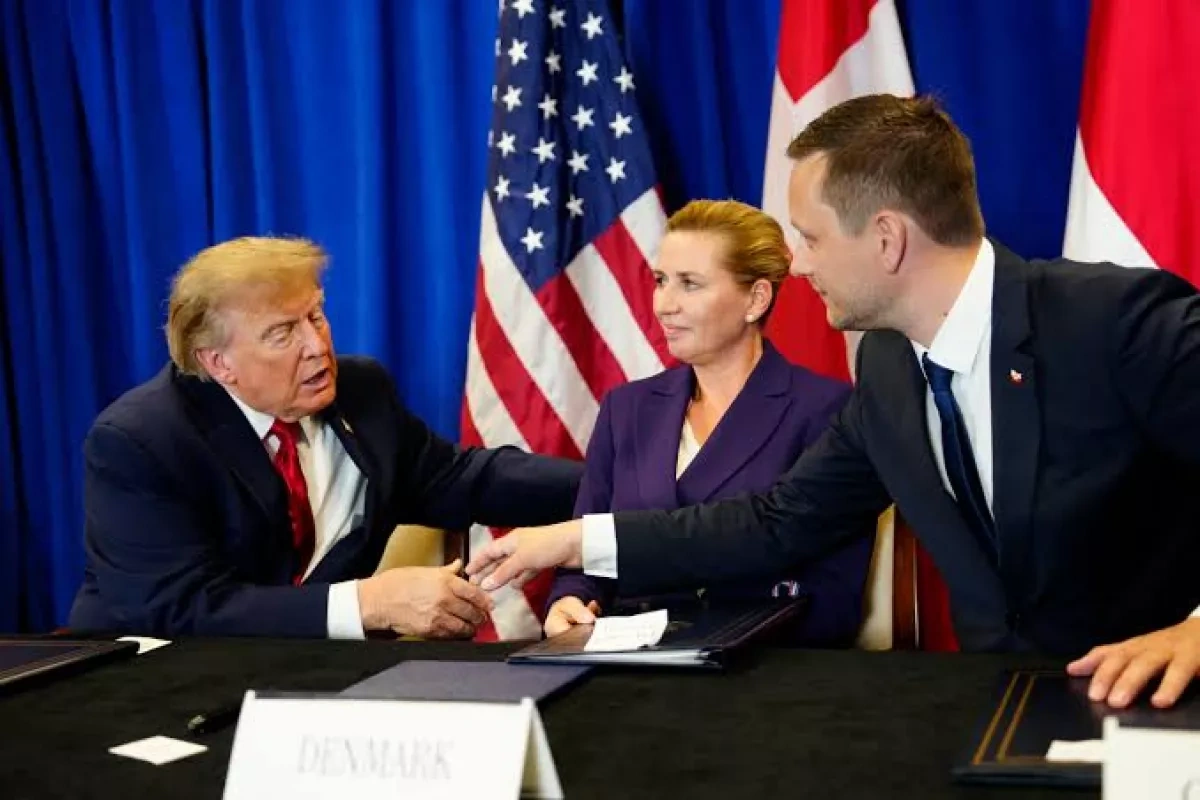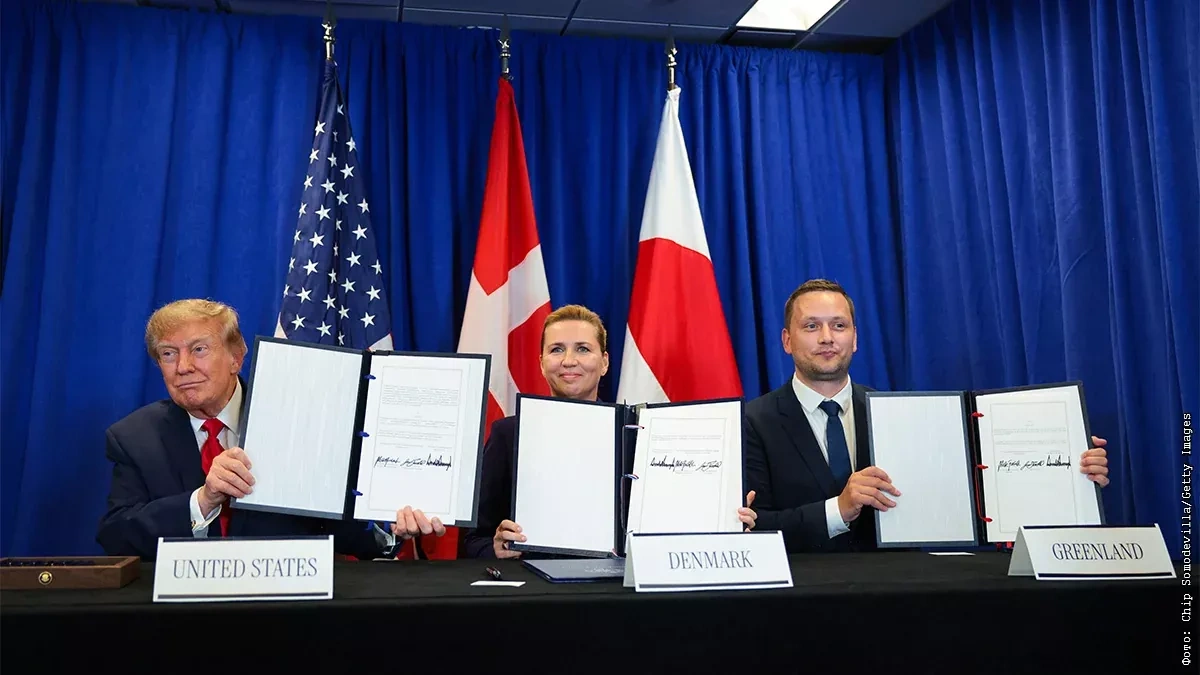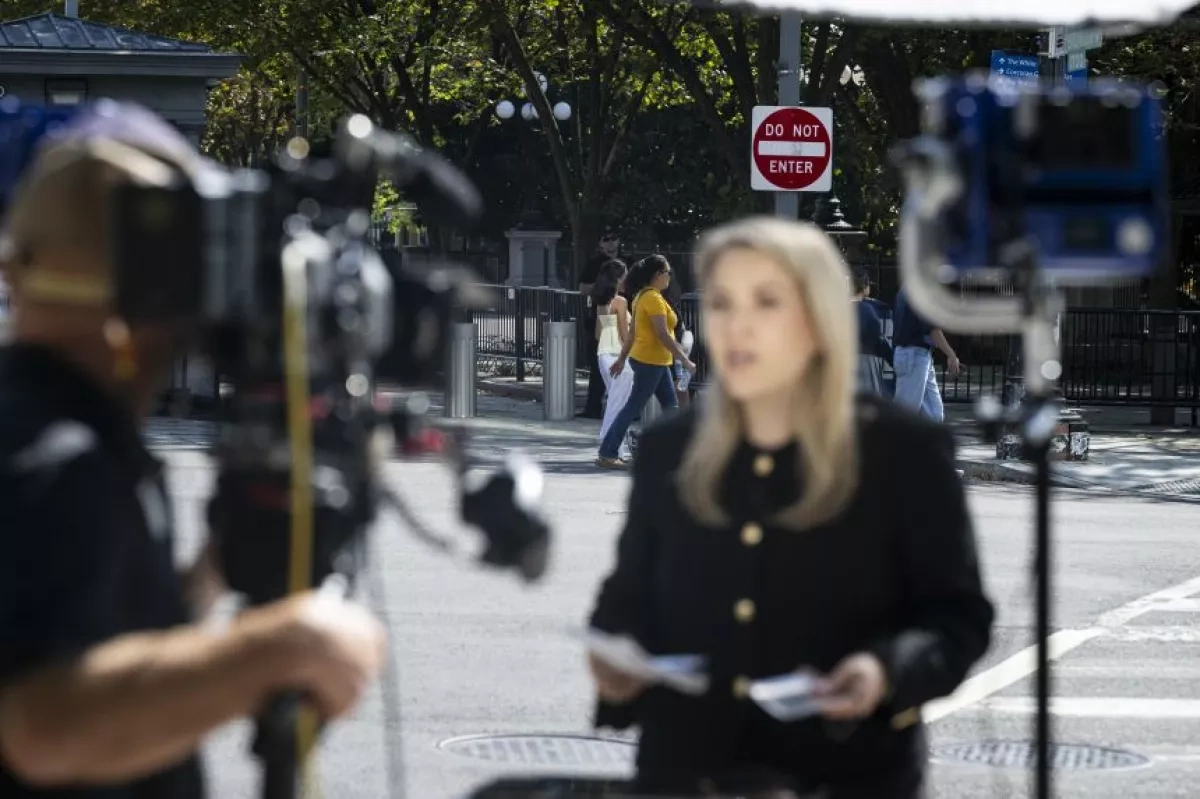
The White House press pool, a rotating group of news organisations that covers the US president, has become the centre of a widening dispute between President Donald Trump’s administration and the news media over press freedom and access.
The dispute moved to court on September 21, when CNN, MS NOW and Politico sued the administration after being barred from the White House. The outlets argue that the restrictions violate their First Amendment rights and, in CNN’s case, prevented it from carrying out an assigned duty to the presidential press pool, The Associated Press writes.
CNN had been scheduled to cover Trump as part of a television pool on September 21. After the White House prevented the network from carrying out its assignment, the five broadcasters that make up the television pool announced that they would suspend pool coverage of the president rather than replace CNN.
“Effective today, there would be no network pool coverage of the president’s events,” the broadcasters said in an email to subscribers. “This follows the White House’s position preventing CNN from fulfilling its assigned pool duties. There will be no replacement pool put in place.”
The dispute reflects a broader confrontation over the relationship between the US president and the news organisations that cover him. Trump has repeatedly criticised media outlets for coverage he considers unfavourable.
Why does the press pool matter?
The White House press pool exists largely because space and logistical restrictions make it impossible for every journalist covering the president to attend every event.
Pool reporters travel with the president and provide information, photographs, video and audio to the wider press corps. They can cover events in the Oval Office, state dinners, aboard Air Force One and during presidential motorcades, as well as remain available when the president needs to address an unexpected development.
The pool traditionally includes different forms of media, including wire-service reporters and photographers, television crews, radio correspondents and print and online journalists.
That arrangement means information gathered by a relatively small number of journalists can be distributed to a much larger group of news organisations.
Why is there a constitutional dispute?
The First Amendment to the US Constitution says the government “shall make no law ... abridging the freedom of speech, or of the press.”
On September 18, Trump said he was barring CNN, MS NOW and Politico from the White House, citing what he described as unfavourable coverage and “fake news”. Reporters from the three organisations were denied access to the White House grounds the following day.
The outlets said on September 21 that they had notified the administration of their intention to sue, arguing that their First Amendment rights had been violated. Their complaint also says the sudden loss of access violated their Fifth Amendment right to due process.
CNN was also scheduled to travel with Trump to New York for the United Nations General Assembly on September 21, but the White House did not include the network in a scheduling email. The television pool subsequently said it would not provide a replacement for CNN.
How did the current system develop?
The Trump White House last year changed a decades-old practice under which an independent association of journalists selected members of the presidential press pool. The White House now selects which media organisations participate.
The history of presidential press coverage shows that tensions between presidents and journalists are not new. Franklin Delano Roosevelt used radio fireside chats while some major newspapers opposed aspects of his New Deal policies.
Earlier, President John Adams signed the 1798 Sedition Act, which criminalised certain criticism of the government and was used to imprison journalists, according to the National Archives.
In 1913, President Woodrow Wilson threatened to end presidential briefings with reporters. The dispute contributed to the creation of what became the White House Correspondents’ Association.
The press pool was also present in President John F. Kennedy’s motorcade in Dallas when he was assassinated on November 22, 1963, allowing journalists to provide firsthand accounts as events unfolded.
By Sabina Mammadli