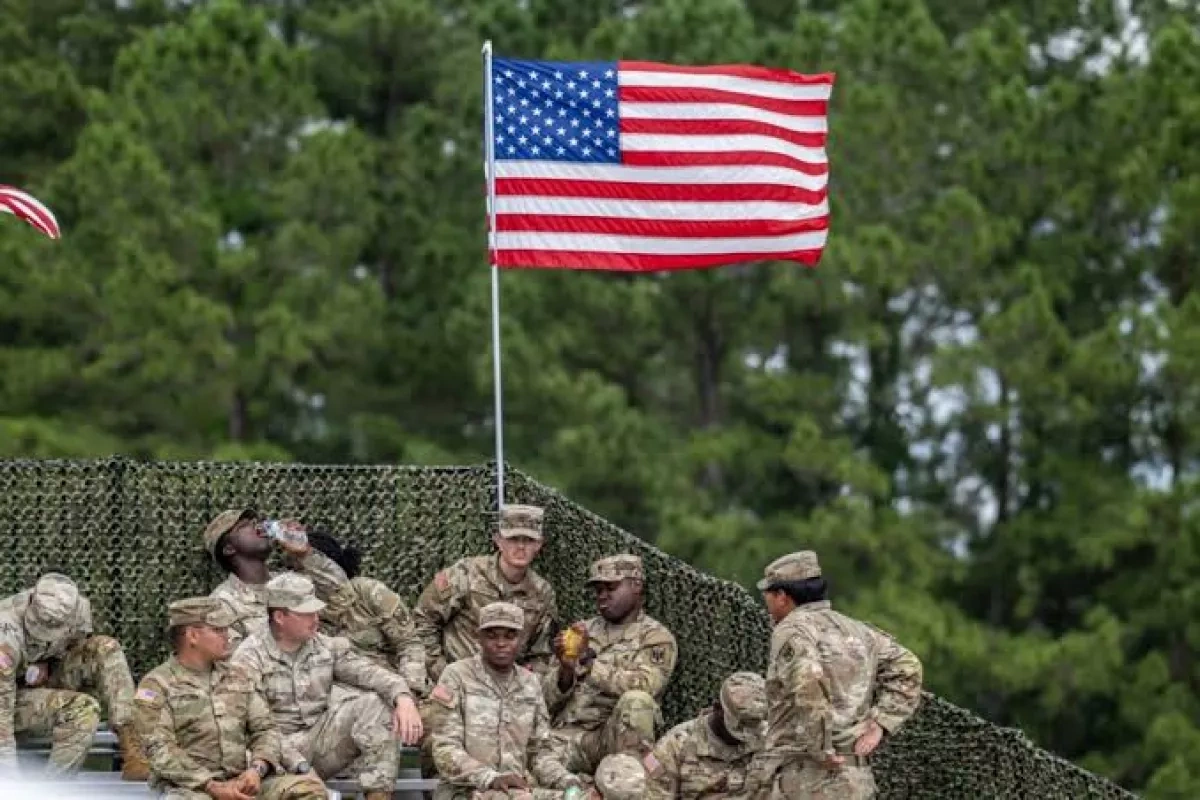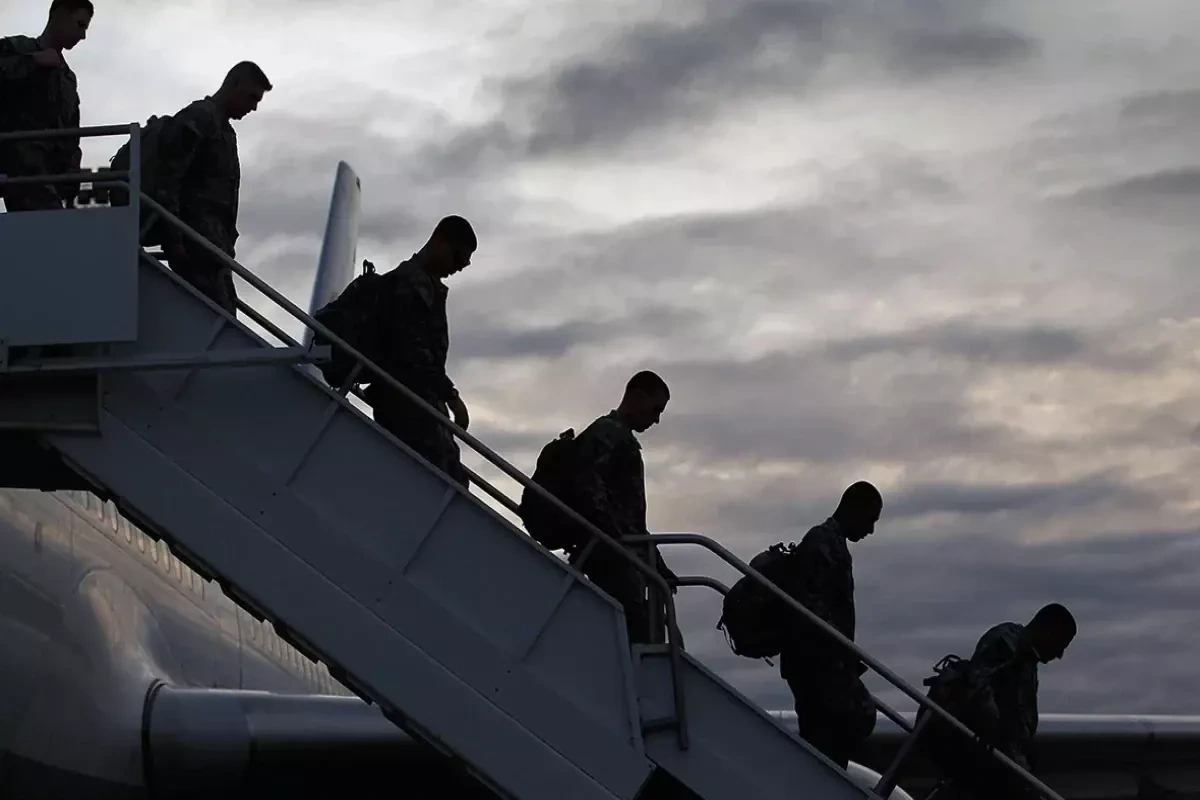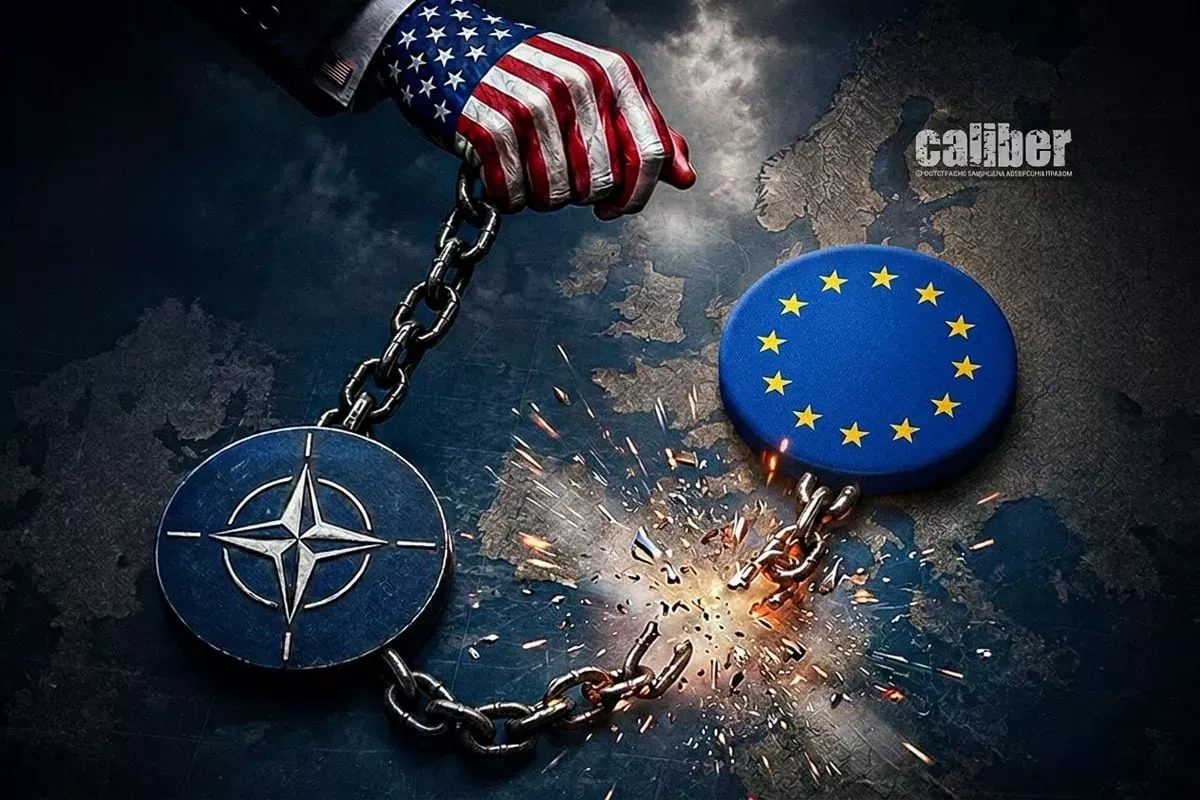
The Pentagon is considering the withdrawal of around 25,000 US troops from Europe, along with combat aircraft, ships and military equipmentç NBC News reports, citing US officials.
According to the network's sources, the scale of the withdrawal could reach half of the US military contingent in Europe — up to 40,000 of the approximately 80,000 troops currently stationed there. The main cuts could affect Germany, which hosts around 36,000 US service members, as well as Italy and Spain, whose governments have previously refused to unconditionally support US operations against Iran.
Possible scenarios for the troop reductions will be presented by the commander of US forces in Europe, General Alexus Grynkewich, to US Secretary of Defense Pete Hegseth within the next week. Final recommendations are expected on November 6, after which the plan will be submitted to US President Donald Trump for approval.
But what would such a plan mean for Europe? Would EU countries have to urgently expand their armed forces and consider mobilisation? Would they need to train personnel to replace the departing US troops? And why might the US be preparing for such a major reduction in its military presence at a time when Europe faces obvious potential military threats from the east?
Foreign experts shared their views with Caliber.Az.
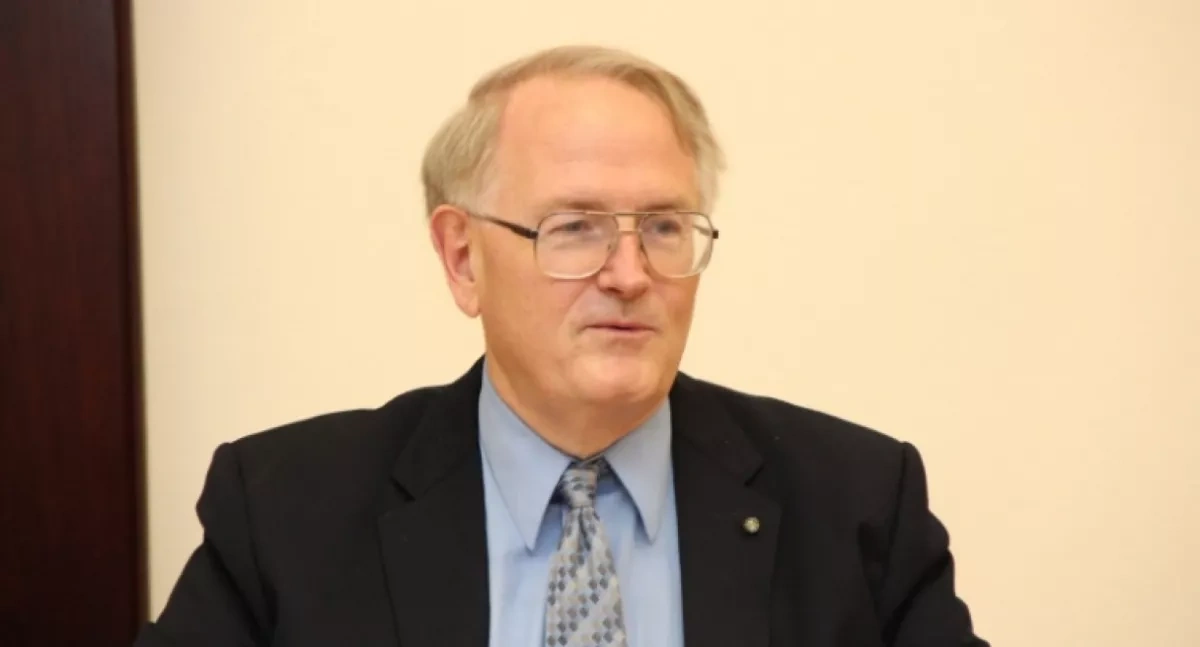
American analyst and former special adviser to the US Secretary of State Paul Goble said that even discussing the withdrawal of US troops from Europe amid Russia’s ongoing aggression is irresponsible and alarming for America’s traditional allies.
“It is not simply that these units are better trained and equipped than anything Europe will be able to field for the foreseeable future. They have always been, and continue to be, regarded as a ‘tripwire’ — a guarantee of immediate involvement: if Russia were to move against European NATO countries, Washington would have no choice but to respond, since its own personnel would also come under attack.
Removing this factor would mean destroying the confidence that has allowed NATO to preserve peace in Europe for more than 70 years,” Goble said.
Italian geopolitical analyst and expert on international security and foreign policy Francesco Salesio Schiavi stressed that, for now, these are possible scenarios rather than a final decision.
“The scale and composition of the cuts will determine their actual military significance. A reduction of 25,000 troops, by itself, does not indicate which specific capabilities Europe would lose. Moreover, Germany, Italy and Spain cannot automatically be treated in the same way: US military presence in each of these countries is governed by separate bilateral agreements.
The Pentagon’s policy review is taking place against the backdrop of disagreements with several European allies over US access to bases and airspace during operations against Iran. However, this does not necessarily mean that any potential troop reduction would amount to punishment for the positions taken by individual governments. Its scale will also be determined by US strategic requirements, the size of the existing contingents and the terms of agreements with host countries.
Germany is a different case. It hosts the largest US contingent among the three countries mentioned — around 36,000 US service members — and remains one of the key logistical hubs of the US military presence in Europe. Germany did not impose similar restrictions on US military transit during the conflict with Iran. Therefore, if a significant share of the personnel reductions falls on Germany, this should not automatically be interpreted as political retaliation. It may simply reflect the scale of the existing US presence: any major restructuring of US forces in Europe would almost inevitably affect Germany,” the expert explained.
He believes the Middle Eastern dimension is particularly significant in this context.
“US bases and military infrastructure in Germany, Italy and Spain are used not only for the defence of Europe but also form part of the US logistical and operational network in the Mediterranean, Africa and the Middle East. Ramstein, Sigonella, Aviano, Rota and other facilities perform different functions within this system.
“Therefore, it is important to understand exactly what the Pentagon is proposing to withdraw. Reductions in ground units, headquarters personnel or combat aircraft, or changes to access to strategic air and naval facilities, would have different consequences. The number of personnel being withdrawn alone is not sufficient to assess the impact of these changes.
At the same time, Europe will not simply have to replace departing US service members ‘one for one’. The United States provides capabilities that cannot be compensated for merely by increasing troop numbers: intelligence, strategic transport and logistics, command and communications, air and missile defence, as well as long-range strike capabilities.
Therefore, the key question for European countries is which specific capabilities will be withdrawn and how quickly the allies can fill the resulting gaps. This is particularly important given the security situation in Eastern Europe and the continuing threat posed by Russia.
From Washington’s perspective, one of the aims of the current discussions is to secure greater responsibility from European allies for the defence of Europe while retaining the ability for the United States to intervene rapidly if necessary. At the same time, reducing the permanent troop presence would allow Washington to free up resources for other theatres of military operations and strategic priorities,” Schiavi concluded.