One of the key priorities of Azerbaijan’s new industrialisation strategy is reducing the dependence of the country’s ferrous and non-ferrous metallurgy industries on imported raw materials. Considerable work has been carried out in this area in recent years. In particular, through the efforts of AzerGold CJSC, gold and copper mining has been actively developed in the country, while preparations have begun for the establishment of a full-cycle metallurgical complex.
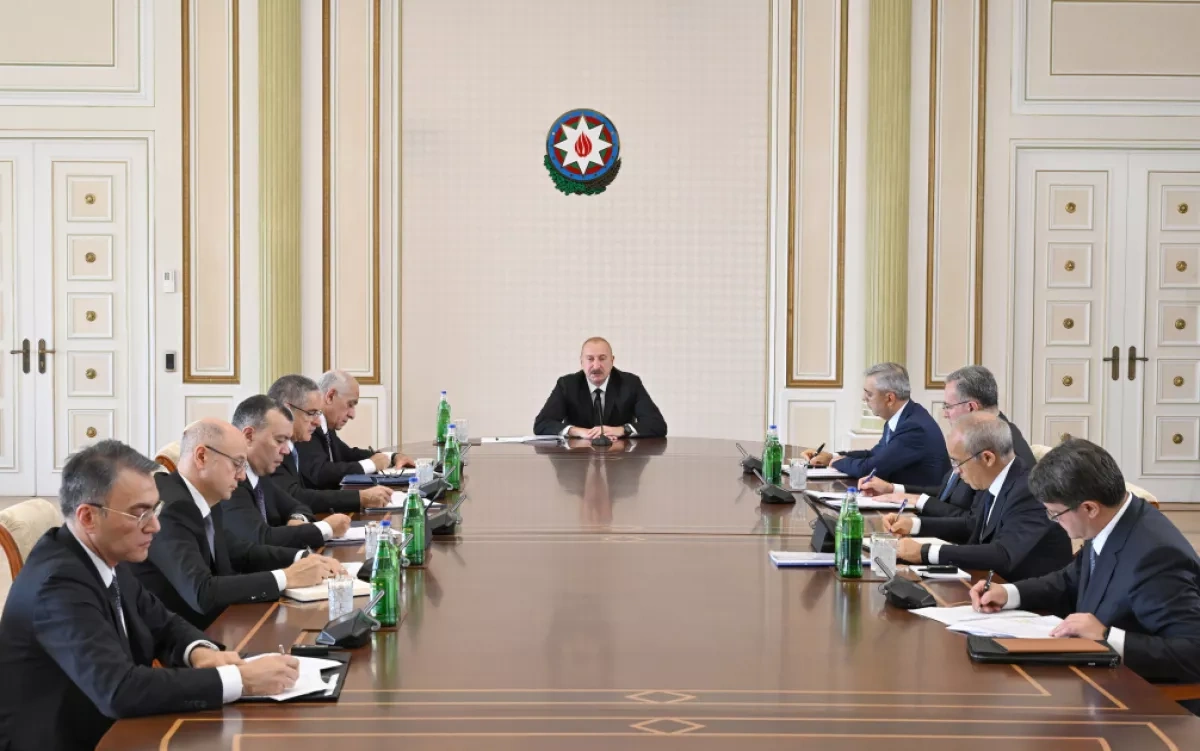
At a meeting held today on the “State Program on the Development of Mining (Metal Ores) and Metallurgical Industry in the Republic of Azerbaijan for 2027–2030”, President Ilham Aliyev addressed the factors hindering the development of these sectors and set out goals for accelerating efforts in this direction.
The extractive sector, particularly its hydrocarbons segment, has traditionally been regarded as the backbone of Azerbaijan’s economy. However, alongside the oil and gas industry, considerable attention has also been paid to the extraction and processing of mineral resources, including the development of ore deposits. In particular, Anglo Asian Mining Plc. (AAM), a private company operating in Azerbaijan’s mining sector, and AzerGold CJSC are working to increase the production of gold, silver and copper and process these resources using modern technologies. Meanwhile, AzerGold’s subsidiary, Dashkasan Iron Ore LLC (DDF), has been preparing for several years to implement a large-scale project at the Dashkasan iron ore deposit, the largest of its kind in the region. The company plans to attract international investors, establish ore beneficiation and the production of high-quality concentrate, followed by steel production.
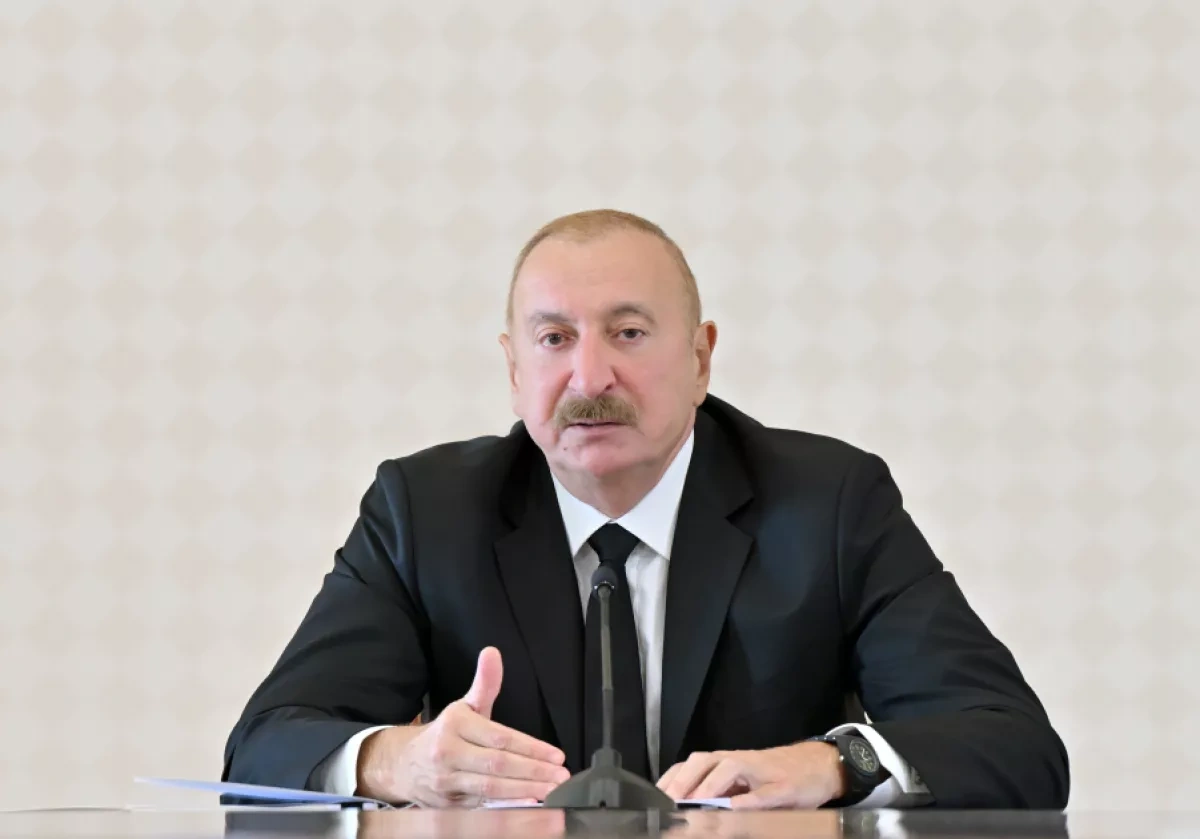
“The State Program on the Development of the Mining and Metallurgical Industry, a highly promising sector of our national economy, will be presented to us today. I signed the relevant Order at the beginning of April, and preparatory work on the program has been carried out over the past several months,” President Ilham Aliyev said at the meeting.
The head of state also stressed that this sector is of great importance to the country’s economy, particularly for the development of its non-oil sector. It is a capital-intensive field, but at the same time, a new modern industrial sector will be created in the country, whose development will contribute to the creation of more than 5,000 permanent jobs.
“Regrettably, the development of the mining industry in Azerbaijan has not progressed to the required level due to both objective and subjective reasons. The objective reasons stem from the fact that many of our deposits discovered during the Soviet era were located in the occupied regions, and the Armenian state continued its policy of aggression, including the plundering of the natural resources belonging to the Azerbaijani people and state,” the President stressed, recalling that gold, copper and molybdenum deposits were also plundered.
On the other hand, despite certain exploration work carried out during the Soviet period, the western region of the country was not considered a priority area in this sector by the Soviet leadership, while the greatest attention was devoted to the development of the oil industry. There is certainly a positive side to this as well, the head of state noted, as the ore reserves remain underground today.
“At the same time, we must thoroughly evaluate the existing deposits and fully assess the reserves they contain using modern geological methods. Certain estimates were made during the Soviet period. However, approximately 40 years have passed since then. The data have become outdated, and today there are new technologies that no one could have even imagined during the Soviet era.”
The Azerbaijani leader also noted that very specific mechanisms would be applied to address these issues under the new State Programme.
First and foremost, this involves the swift commissioning of deposits located in the territories liberated from occupation. These include, above all, the gold, copper and molybdenum deposits in the Aghdara district, where work has already begun, while operations are expected to start in the Kalbajar and Zangilan districts in the near future.
Given the presence of significant natural resource deposits in the Karabakh and East Zangezur economic regions, as well as the potential for such resources to exist in neighbouring areas, the State Programme provides for exploration and geological prospecting in these areas using modern methods and technologies. This work has already begun.
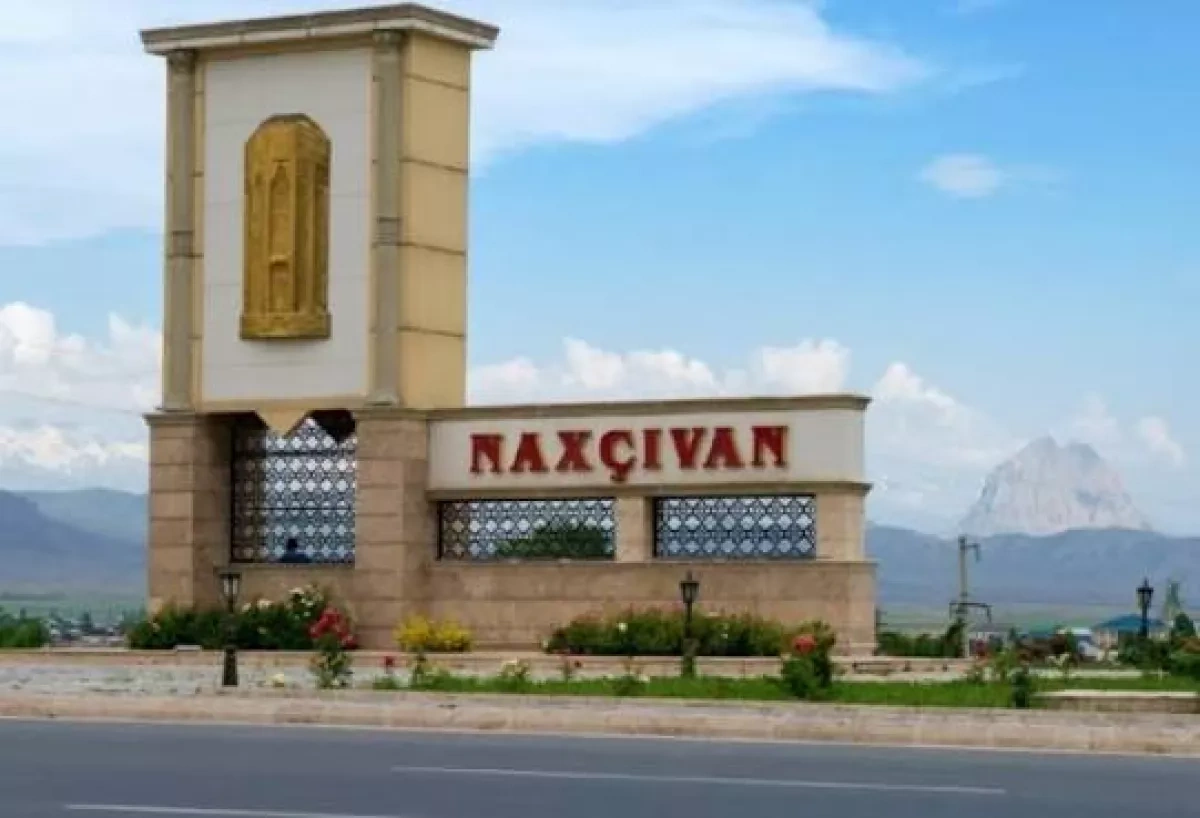
Another promising region identified by the head of state is the Nakhchivan Autonomous Republic (NAR), where geological exploration was not conducted at an adequate level either during the Soviet period or subsequently. Therefore, the likelihood of major deposits being present there is considered very high. It is worth recalling that AzerGold recently signed an agreement with a company from the United Arab Emirates to conduct joint geological exploration of ore resources in the NAR.
“The next direction is the ‘Filizchay’ polymetallic deposit located in the Balakan district, considered one of the most promising deposits on the European continent. As I mentioned, this deposit holds great potential, and for several years now, “AzerGold” has been carrying out work to prepare it for operation. I believe that the feasibility study should be ready soon, and the final investment decision must also be adopted,” President Ilham Aliyev said.
The head of state particularly stressed that AzerGold CJSC should be the 100% shareholder of the deposit. As the deposit is developed, the value of the Filizchay deposit will naturally increase, at which point the possibility of involving foreign investors in its development for a certain share could also be considered.
The development of the Filizchay polymetallic deposit, which has the second-largest reserves of its kind in Europe, could generate more than 10 billion manats ($5.9 billion) in revenue for Azerbaijan, according to expert estimates. Its total resources are estimated at around 120 million tonnes and include substantial deposits of copper, lead, zinc and silver.
And that is far from all. According to data from the Ministry of Ecology and Natural Resources, copper deposits in Azerbaijan are found not only in the Balakan-Zagatala region, but also in the Gadabay, Kalbajar, Garadagh and Ordubad ore districts. The Garadagh copper-porphyry deposit alone accounts for around 5% of the country’s total ore reserves.
During the meeting, the president also outlined the objectives of establishing the Western Industrial Park and launching the development of the Dashkasan ore deposit, which will involve iron ore extraction and the construction of several plants.
“Here, first and foremost, the necessary infrastructure must be established rapidly, and necessary funds must be allocated in the budget for this purpose,” President Ilham Aliyev stressed, noting that plants for ore beneficiation, pellet production and hot-briquetted iron (HBI) production are planned.
According to the head of state, transporting the ore will be of particular importance. Therefore, preferential freight tariffs should be provided to ensure the project’s economic viability, while a comprehensive environmental assessment must be carried out and all environmental standards strictly observed.
Overall, the project is planned to be implemented in stages. The development of capacities for iron ore extraction, beneficiation and pellet production, followed by subsequent processing stages, will help ensure that the metal produced is used as raw material at the country’s metallurgical plants.
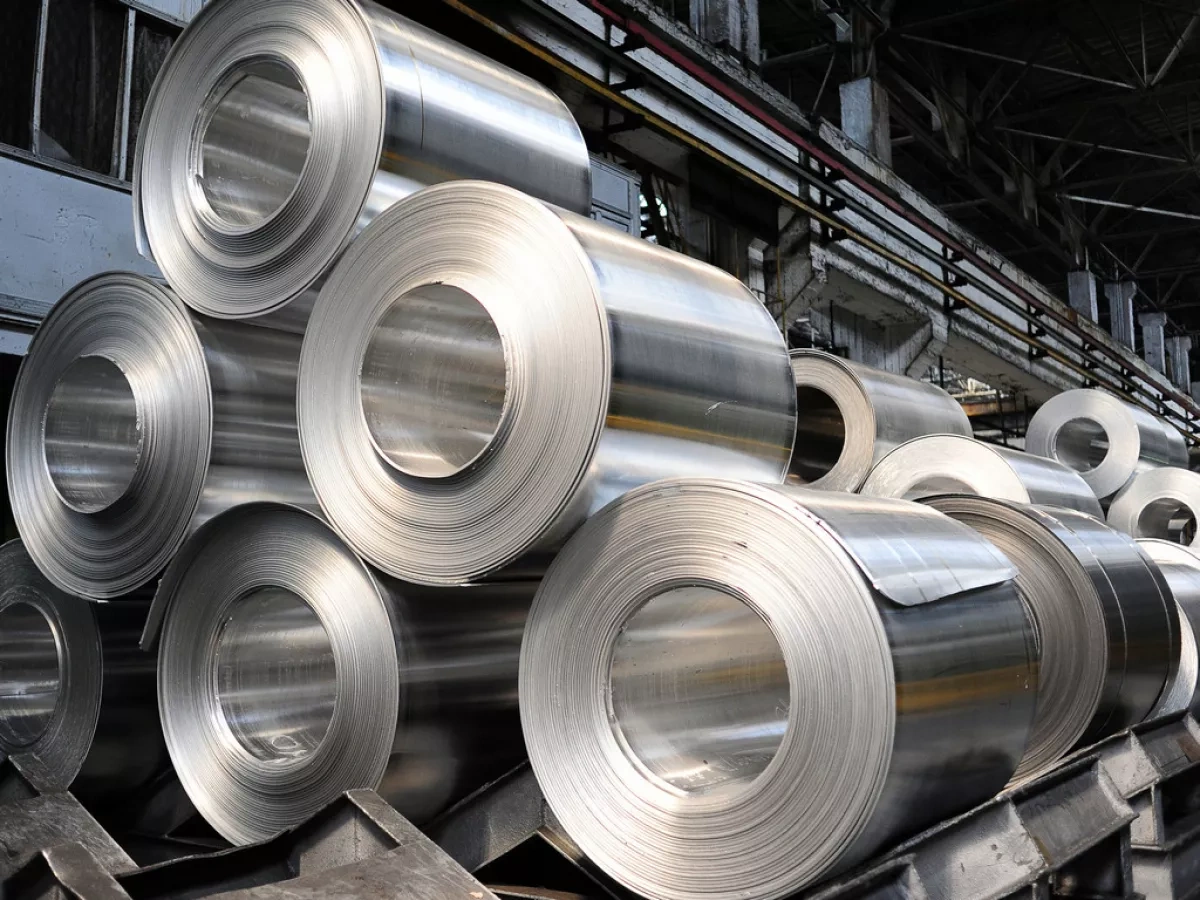
The development of a full-cycle aluminium industry and a shift towards higher value-added products have been identified as key priorities of the State Programme. During the period covered by the programme, the annual capacity of the aluminium smelter is planned to increase from 50,000 tonnes to 100,000 tonnes, while rolled aluminium production is expected to rise from 20,000 tonnes to 50,000 tonnes.
In addition, plans include the establishment of a calcination and anode-baking plant, as well as the production of carbon anode blocks. Exploration of the Zaylik alunite deposit will also continue to assess its economic potential as an additional source of raw materials.
According to the plans, achieving these objectives will enable Azeraluminium’s exports to increase from 252 million manats ($148 million) in 2025 to 510 million manats ($300 million) in 2030.
At the same time, the production of precious metals and copper is expected to expand through both existing and new projects. As a result, total exports of copper, gold and silver are projected to increase from 600 million manats ($353 million) in 2025 to 1.6 billion manats ($941 million) in 2030.
Overall, the main objectives of the State Programme are to maximise the processing of ore raw materials domestically, expand the mineral resource base, increase existing production capacities and implement new projects aimed at localising processing. These objectives are to be pursued through expanded public-private partnerships.
The mining sector is highly capital-intensive and, as the president noted, if new gold, copper and molybdenum deposits with significant reserves are discovered, the entire production chain — from beneficiation to processing — will need to be established. This will enable the production of higher value-added products, which are considerably more profitable than exporting resources to global markets in the form of ore.
As Azerbaijan’s Economy Minister Mikayil Jabbarov said at the meeting, “The programme’s main objectives are quite ambitious: by 2030, the contribution of the mining and metallurgical sector to gross domestic product is planned to increase from 700 million manats ($412 million) to 1.8 billion manats ($1.06 billion), while annual export potential is expected to rise from 1.3 billion manats ($765 million) to 3.4 billion manats ($2 billion), based on average global prices in 2025. To achieve these results, a total of 5.3 billion manats ($3.12 billion) is planned to be invested over 2027–2030.”
In principle, mining and metallurgical projects require substantial capitalisation and long-term financing. Therefore, alongside state funding, greater use should be made of international financial resources, including private-sector and bank financing.
As the minister noted, total investment needs under the State Programme for 2027–2030 are estimated at 5.3 billion manats ($3.12 billion). Of this amount, 1.1 billion manats ($647 million) will come from the state budget, 2.2 billion manats ($1.29 billion) from state-owned enterprises, including loans, i.e. borrowed capital, and 2 billion manats ($1.18 billion) from private funds, including borrowed capital.
Thus, approximately 80% of total investment will be sourced from non-budgetary sources. To attract capital to major projects, tax, customs and other investment incentives should also be improved.