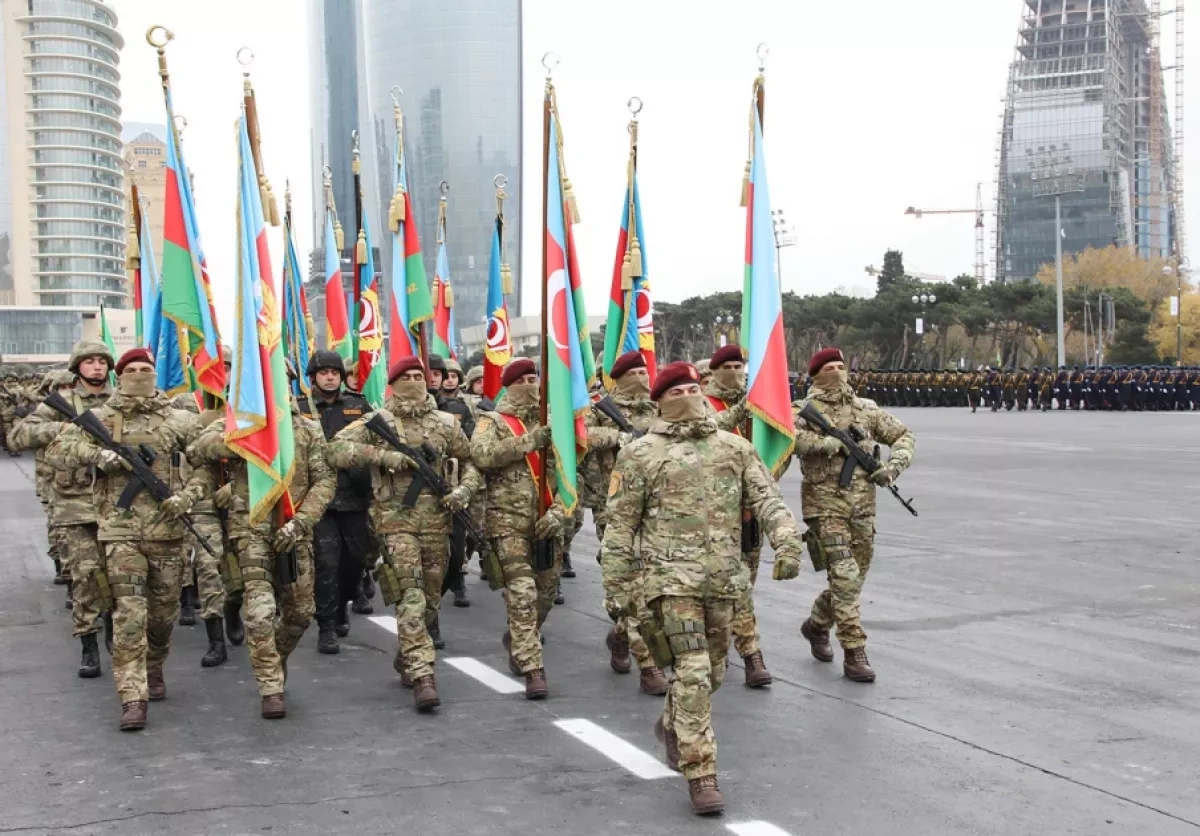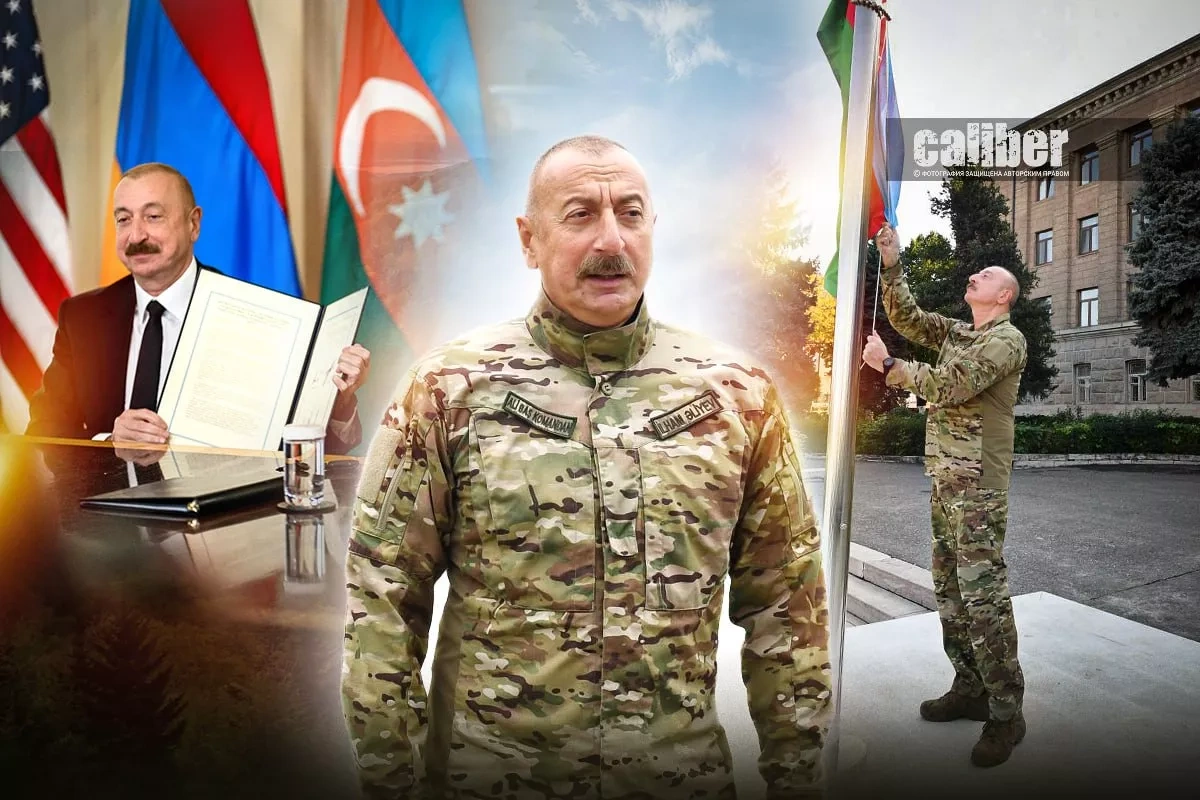
Some dates are marked by states out of tradition. Others are dates a state has earned through its own history. State Sovereignty Day, established by a decree signed by President Ilham Aliyev on September 19, 2024, belongs to the latter category. It deserves to be examined not as a ceremonial occasion, but as a matter of history and political reality.
Let us begin with the uncomfortable part. No one formally questioned Azerbaijan’s sovereignty. Its internationally recognised borders were established on the map in 1991; UN Security Council resolutions adopted in 1993 called for the unconditional withdrawal of occupying forces; and Azerbaijan’s membership in the United Nations was never interrupted. On paper, the legal framework was clear.
Yet on the ground, around 20 per cent of the country’s territory remained under foreign control for three decades.
That gap between legal recognition and physical reality lies at the heart of Azerbaijan’s modern history. It also carries a broader lesson for anyone who assumes that international law, by itself, is enough to protect a state’s sovereignty and territorial integrity.
The Minsk Group as a diagnosis
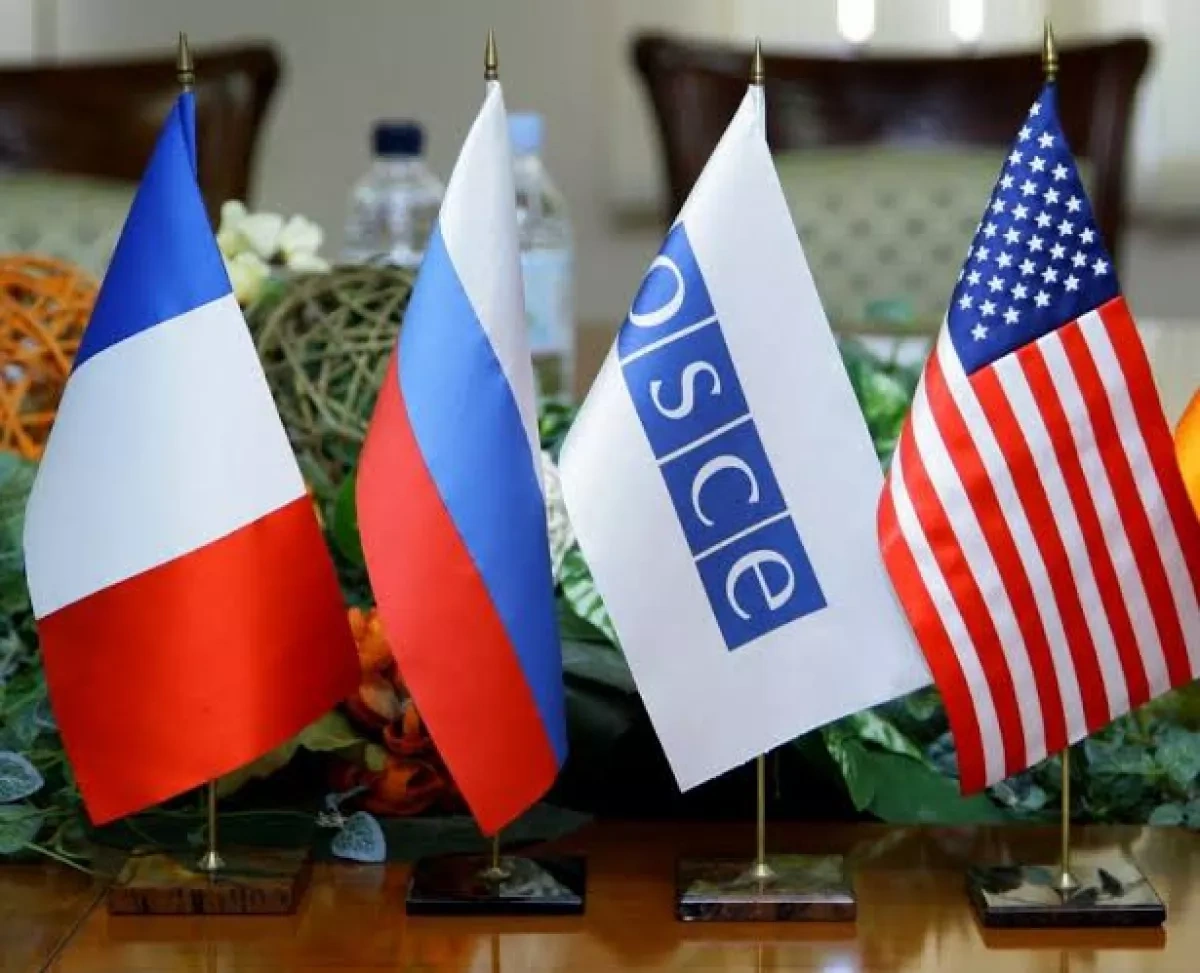
Thirty years of negotiations deserve separate examination—not simply as a failed diplomatic effort, but as an example of what happens when mediation becomes an industry in its own right. The OSCE Minsk Group had existed since 1992. Generations of diplomats came and went; the Madrid Principles emerged, followed by the “Updated Madrid Principles”, the Kazan formula, and the “step-by-step” and “package” approaches. Yet by the autumn of 2020, the outcome was stark: zero districts liberated, zero displaced people returned, and none of the relevant resolutions had been implemented.
A mechanism that produces no tangible results but reliably sustains a negotiating process is not necessarily malfunctioning—it may be performing precisely the function that has evolved around it. The status quo suited too many parties: for the co-chairs, it meant demonstrating continued diplomatic engagement; for Yerevan, it meant retaining control over the territories it had seized without formally annexing them; and for much of the international community, it meant avoiding a choice between the stated principle of territorial integrity and the political unwillingness to enforce it.
Meanwhile, developments were unfolding that had little to do with diplomatic formulas: the ethnic cleansing of Azerbaijanis in Armenia and the occupied territories, the destruction of cities and villages, and the Khojaly genocide. These events were documented in reports and described in numerous accounts, yet they produced no meaningful international response. There were no sanctions, no coercive measures, and not even consistent terminology. For decades, the occupation was described in vague euphemisms, while attempts to legitimise the status quo also appeared in the form of parliamentary resolutions adopted in individual countries.
2020: Reality returns
The 44 days of autumn 2020 settled the question of which army was stronger. They did not settle the question of sovereignty.
The trilateral statement of November 10 recorded Armenia’s capitulation and its commitment to withdraw its troops from Azerbaijani territory. The commitment remained on paper. What happened in the Karabakh economic region over the following three years can be described in one word: preparation.
The figures matter more than the rhetoric here. New minefields were laid along a line of contact stretching up to 480 kilometres. More than 500 combat positions and fortified firing points were built. More than 350 positions were equipped for artillery. Reconnaissance and surveillance assets were deployed. And — a detail that leaves little room for dispute over the timeline — weapons and ammunition manufactured after 2020 were illegally brought into territory under the temporary control of Russian peacekeepers. This included mines.
These were not remnants of a defeated military formation that had simply not been withdrawn in time. This was new military infrastructure built under the cover of a peacekeeping mandate, in direct violation of the signed document.
The logic was obvious: buy time, wait for the geopolitical environment to change, and return to the issue from a new position. The calculation was that Baku would not dare to act in the presence of the Russian contingent.
Twenty-four hours that took years to arrive
By September 2023, the preparations had moved into the implementation phase. On September 18, illegal armed formations carried out electronic interference with GPS navigation used by passenger aircraft in Azerbaijan’s airspace. On September 19, a vehicle belonging to the State Agency for Azerbaijan’s Motor Roads was blown up by a mine in the Khojavend district; that same day, another vehicle carrying police officers was also hit by a mine. People were killed.
This is where the space for interpretation ends. A state whose civilian service roads are being mined and whose civil aviation navigation is being jammed has exactly two options: use force or acknowledge that it does not control its own territory.
The localised anti-terrorist measures lasted less than a day. By military standards, this was not an operation but an epilogue — such a timeframe is possible only with overwhelming superiority in intelligence, firepower and situational awareness. The armed formations were disarmed and withdrawn. The constitutional order of the Republic of Azerbaijan was restored throughout the country.
Several months later, the Russian peacekeeping contingent was withdrawn from Azerbaijan. It was done ahead of schedule, by agreement between the parties, without conflict and without a residual presence — something that rarely happens in international practice, where peacekeepers have a tendency to remain for decades and become a permanent factor.
What exactly is marked on September 19?
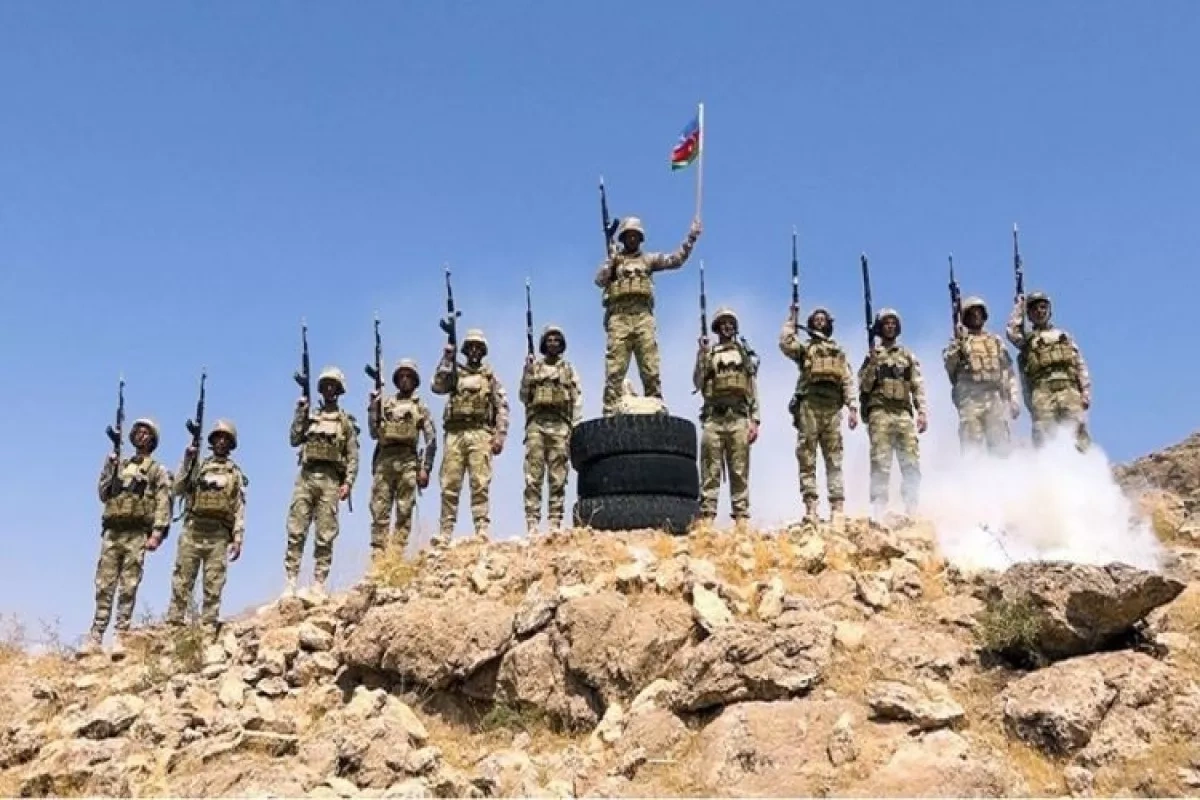
It is not victory—that is what November 8 represents. Nor is it the end of the war, which ended in 2020. September 19 marks something else: the moment when no armed force other than the Azerbaijani state remained on the territory of the Republic of Azerbaijan.
This is what sovereignty means in practice, rather than merely on paper: a state’s monopoly on the legitimate use of force within internationally recognised borders. No areas beyond the reach of state jurisdiction. No foreign military presence whose continuation depends on another party’s decision to extend its mandate.
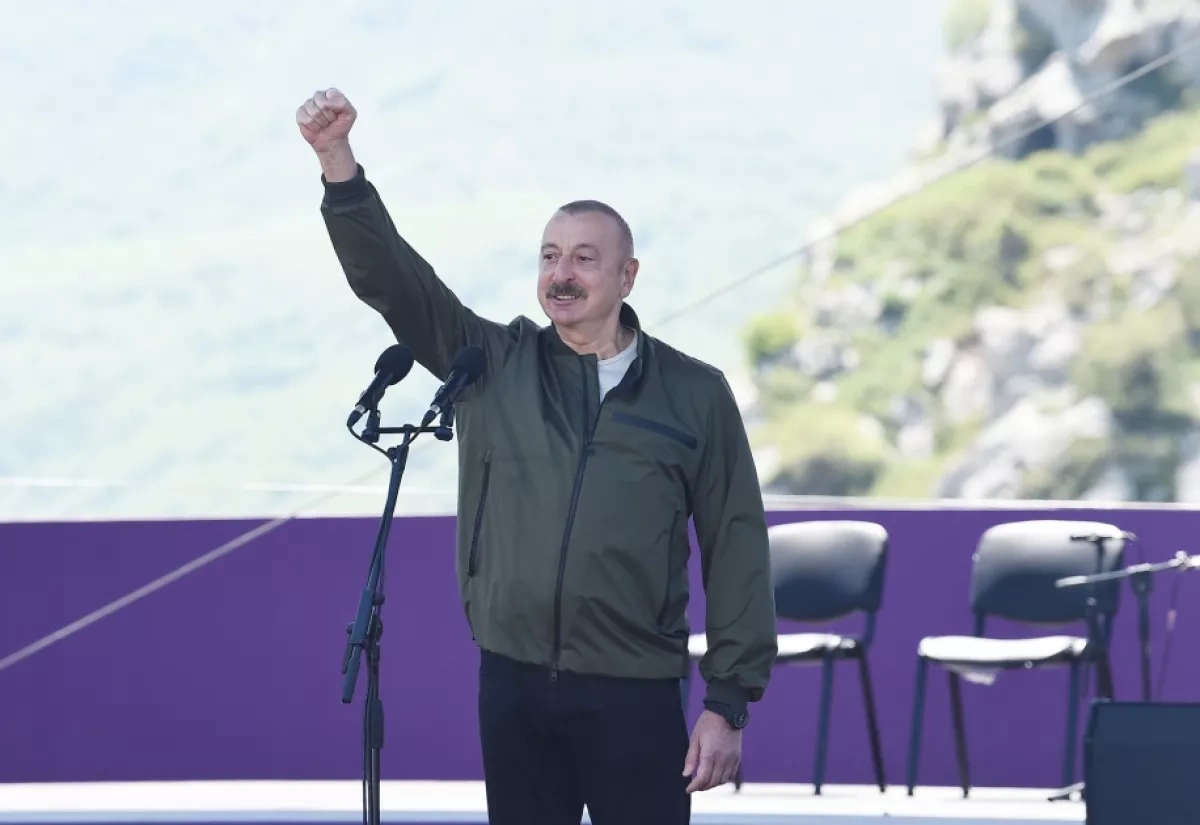
Azerbaijan is a rare case of a state restoring this condition through its own efforts. It did not receive sovereignty as the outcome of someone else’s war, trade it away in exchange for concessions, or simply wait for circumstances to change. The military, political and diplomatic efforts pursued by President Ilham Aliyev over the years—from rejecting “step-by-step” arrangements to building regional partnerships that changed the balance around the conflict—were directed towards this objective.
There is one final point. A new date in the national calendar is always a message not only to the outside world, but also to the country itself. Establishing State Sovereignty Day means that Azerbaijan does not regard the restoration of control over its territory as merely one episode in the broader story of the war. It is being recognised as a distinct achievement, a distinct responsibility, and a defining element of the state’s present status.
Sovereignty is not handed to you. It is exercised—every day, across every square kilometre—or it is put at risk. For thirty years, Azerbaijan knew this from its own experience. For the past three years, it has been living on the other side of that reality.