The results of a poll conducted by the Kyiv International Institute of Sociology (KIIS) and published on September 15 raise serious questions, to put it mildly. I say this with full responsibility as someone living in Ukraine and personally familiar with the mood of its citizens — in a country that is bleeding to death. That is precisely why I find it extremely difficult to believe that 77% of respondents genuinely support continuing armed resistance even if Russian forces attempt to deprive the population of electricity, heating and sewage services during the winter. In my view, that figure is catastrophically detached from reality.
According to KIIS, which conducted the survey between August 21 and September 10, only 12% of respondents believe that, in the event of a humanitarian catastrophe during the winter, Ukraine should accept the Kremlin’s demands, even if doing so would effectively amount to defeat. Another 11% remain undecided. The institute stresses that a majority in every region supports continuing the fight.
The highest level of support was recorded in Kyiv, at 83%, while the lowest was in the east, at 68%. I will not presume to speak for residents of the eastern regions, but I categorically reject the idea that four out of five Kyiv residents are eager to continue fighting until victory. Any estate agent in the capital — or even a quick look at property listings — can provide a very different picture. People are leaving Kyiv in significant numbers, including both long-time residents and internally displaced people who had previously been renting accommodation there.
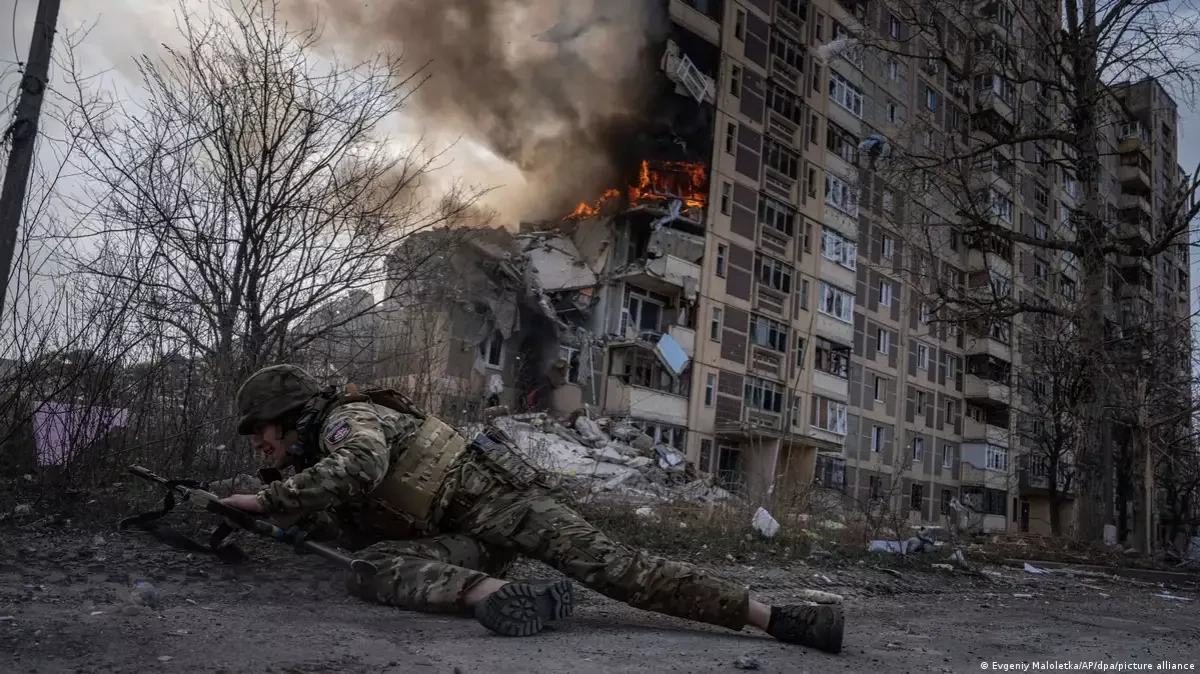
The reason for this exodus is obvious. The Ukrainian capital has recently been subjected to some of the most intense missile and drone attacks. And the situation is unlikely to improve. Kyiv is reportedly only about 40% prepared for the winter, with the situation on the Left Bank particularly critical. This was stated openly by Serhii Sukhomlyn, the former head of Ukraine’s Agency for Restoration.
According to Sukhomlyn, the main risk is further strikes against energy and water infrastructure. There is little reason to expect such strikes to stop, with all the consequences that could follow.
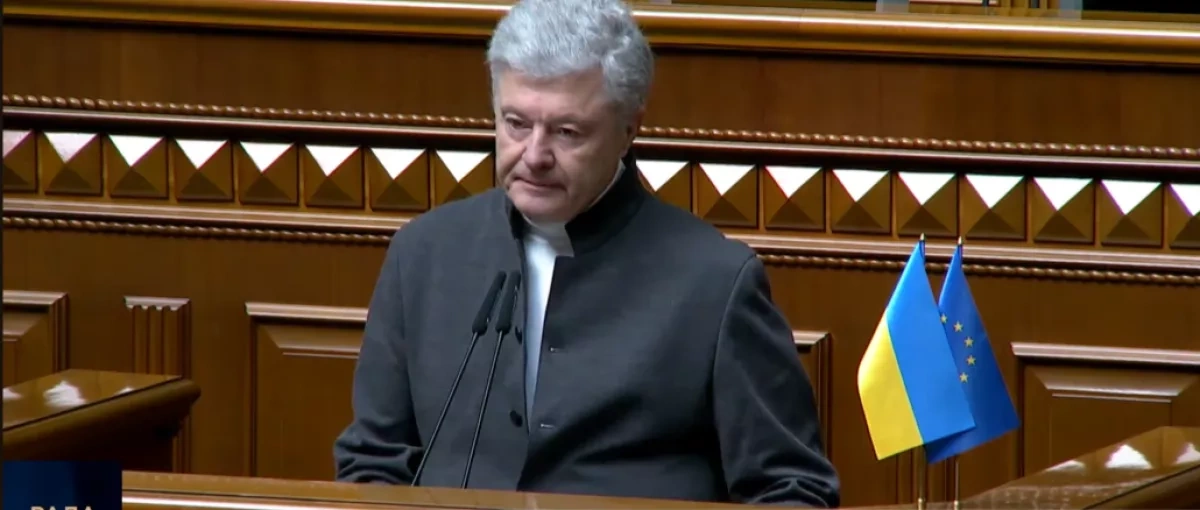
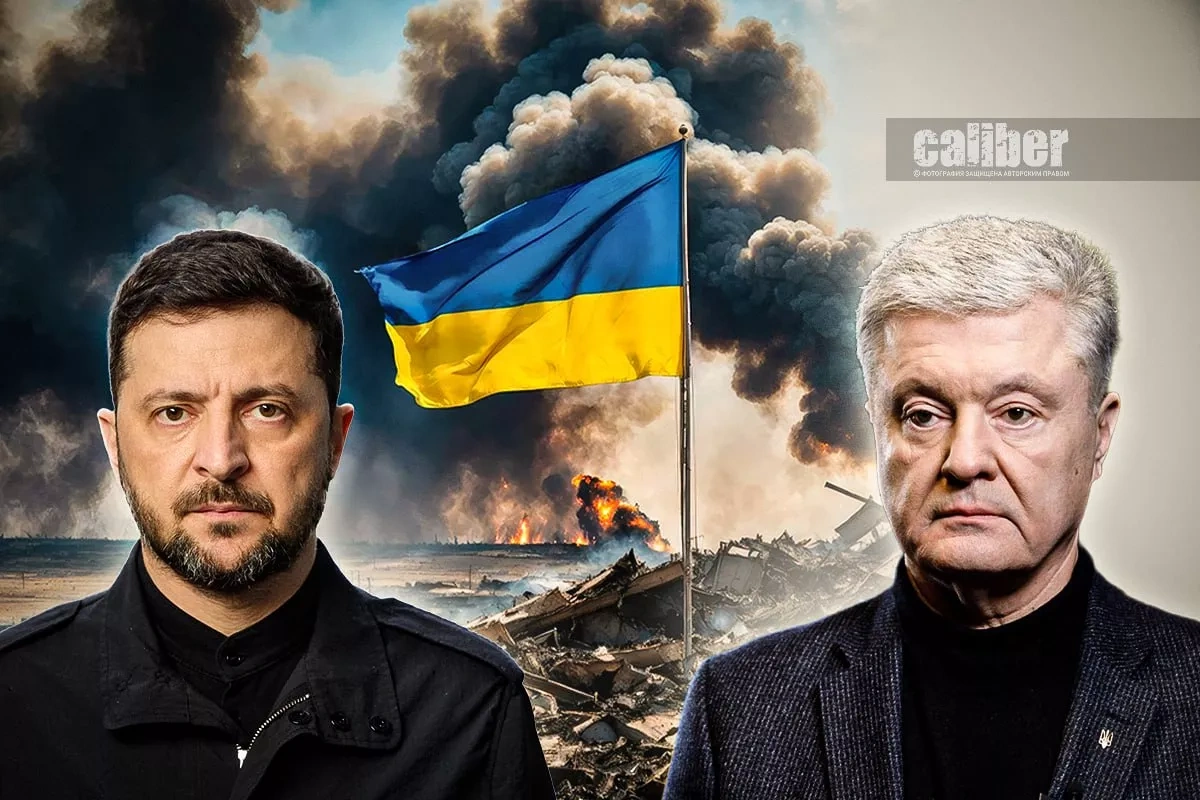
In this context, it is worth recalling the candid and emotional speech delivered in the Verkhovna Rada by Ukraine’s fifth president and leader of European Solidarity, Petro Poroshenko.
“The time has come to look reality in the eye, even for those accustomed to viewing the world through the rose-tinted glasses of the telethon. And the reality is this: the security situation is deteriorating rapidly. Russia has made a technological breakthrough in the field of jet-powered drones, while Ukraine has failed to develop an effective defence against them. Strikes on logistics, the grain corridor, Epicentr, Nova Poshta, Rozetka and Roshen are creating enormous obstacles to the functioning of the state,” he said.
Poroshenko also harshly criticised the government over the huge budget deficit: “The prime minister reports that there is no money and that we are facing a financial crisis, while Ukrainian soldiers are doing more than the state has any right to demand of an individual. Yet instead of helping them, the authorities are demanding that they compensate through their heroism for the incompetence of those who were supposed to ensure funding and support from our partners. Where was the Svyrydenko government? It squandered money on cashback schemes, fakings, checking and other brazen populism, taking funds away from the Defence Forces. This drunken carnival of populism will end in a terrible hangover, and the bill will be handed to the people and taxpayers.”
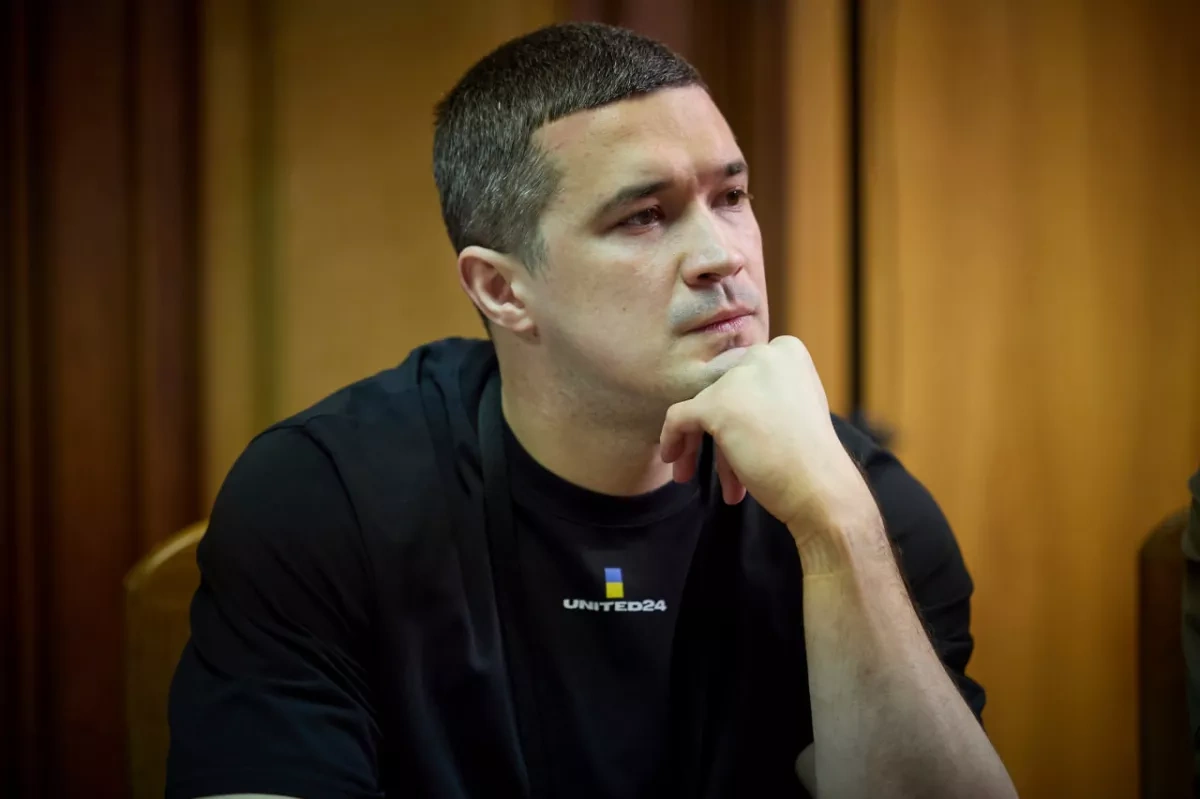
And Poroshenko is right. Just yesterday, an explanation emerged for the gigantic hole in the state coffers. According to MP Mykhailo Tsymbaliuk, during Mykhailo Fedorov’s tenure as defence minister, funds allocated for the fourth quarter had already been spent on drones and equipment. As a result, there was simply no money left to pay military personnel through the end of the year.
The money has been squandered, and now the Cabinet is desperately looking for ways to plug the hole — naturally, by raising taxes and cutting social programmes. As for Fedorov himself, however, it seems to be water off a duck’s back. He left the country without difficulty after obtaining a “reservation” from mobilisation and has already found himself a comfortable position abroad. First, it became known that Fedorov had accepted an offer from Italian Defence Minister Guido Crosetto to serve as his adviser on innovation. Then the former minister announced the creation of a private defence technology company in the United States that will develop technologies for modern warfare based on Ukraine’s experience in using UAVs and artificial intelligence.
In other words, a man who had access to the highest levels of state secrecy — military, operational, intelligence and military-technical information — is now advising the defence minister of a NATO country while simultaneously building a business in the United States. Absurd? Absolutely.
Unfortunately, this is far from the only example. Following the resignation and departure from the country of Prosecutor General Ruslan Kravchenko, his deputy, Maksym Krym, has assumed temporary management functions at the Office of the Prosecutor General. No separate order appointing him has yet been issued, but he is running the agency under its internal distribution of responsibilities, according to Maryana Haiovska, head of the OPG’s Information Policy Department.
At the same time, journalists from Slidstvo.Info found that Maksym Krym’s wife, Anna, and her parents obtained Russian passports in occupied Crimea as early as April 2014, and those documents remain valid to this day. Telling? More than enough.
But there is even more shocking news. The Sviatoshyn District Court of Kyiv has closed the case against Rostyslav Patseliak, the former commander of the Lviv Berkut riot police, while denying the victims compensation for moral damages. Let me remind you: Patseliak was accused of ordering his subordinates to use force, special equipment and firearms against Maidan protesters on February 18, 2014, resulting in the deaths of three people and injuries to around 200 others. He was charged with abuse of authority, organising the infliction of grievous bodily harm and intentional killings. Dozens of protesters, journalists and members of parliament were recognised as victims in the case.
And now the case has simply been closed. According to journalist Anna Mamonova, Patseliak continues to live in Ukraine, is not registered for military service, has not been mobilised, has an official exemption from mobilisation and, on top of that, receives a Russian military pension.
This is what everyday life in the country really looks like. Every day, society learns of shocking corruption in the highest echelons of government. Ukrainians see people facing criminal investigations, such as Timur Mindich and others from Volodymyr Zelenskyy’s circle, leaving the country without hindrance. Everyone knows about the so-called “Monaco Battalion” — oligarchs and officials enjoying abroad the wealth they supposedly accumulated through their own “hard work”.
People are feeling the consequences of Russian strikes on infrastructure first-hand. They see prices rising, businesses closing and unemployment increasing. They watch as the rounding up of men by Territorial Recruitment and Social Support Centres (TRCs) has turned into an enormously profitable business, while mobilisation exemptions are granted only to representatives of the regime’s information service. They see Fedorov, having left the army without funds, leaving the country to build a business in America.
And after all this, we are shown a KIIS poll claiming that 77% of citizens want to continue fighting despite the lack of electricity, heating and sewage. One cannot help echoing Konstantin Stanislavsky: “I don’t believe it!”
The reality you see every day is completely different. Ukrainians are exhausted by the war. And increasingly, they identify the current authorities as its main beneficiary — something they state openly and without hesitation in the comments under virtually every post by President Zelenskyy and his officials.