BAKU, Azerbaijan, September 17. Several
projects are underway under the auspices of Interpol and UNESCO to
address the damage inflicted on religious and cultural heritage in
territories liberated from occupation, the removal of cultural
property from monuments, as well as issues of attribution and
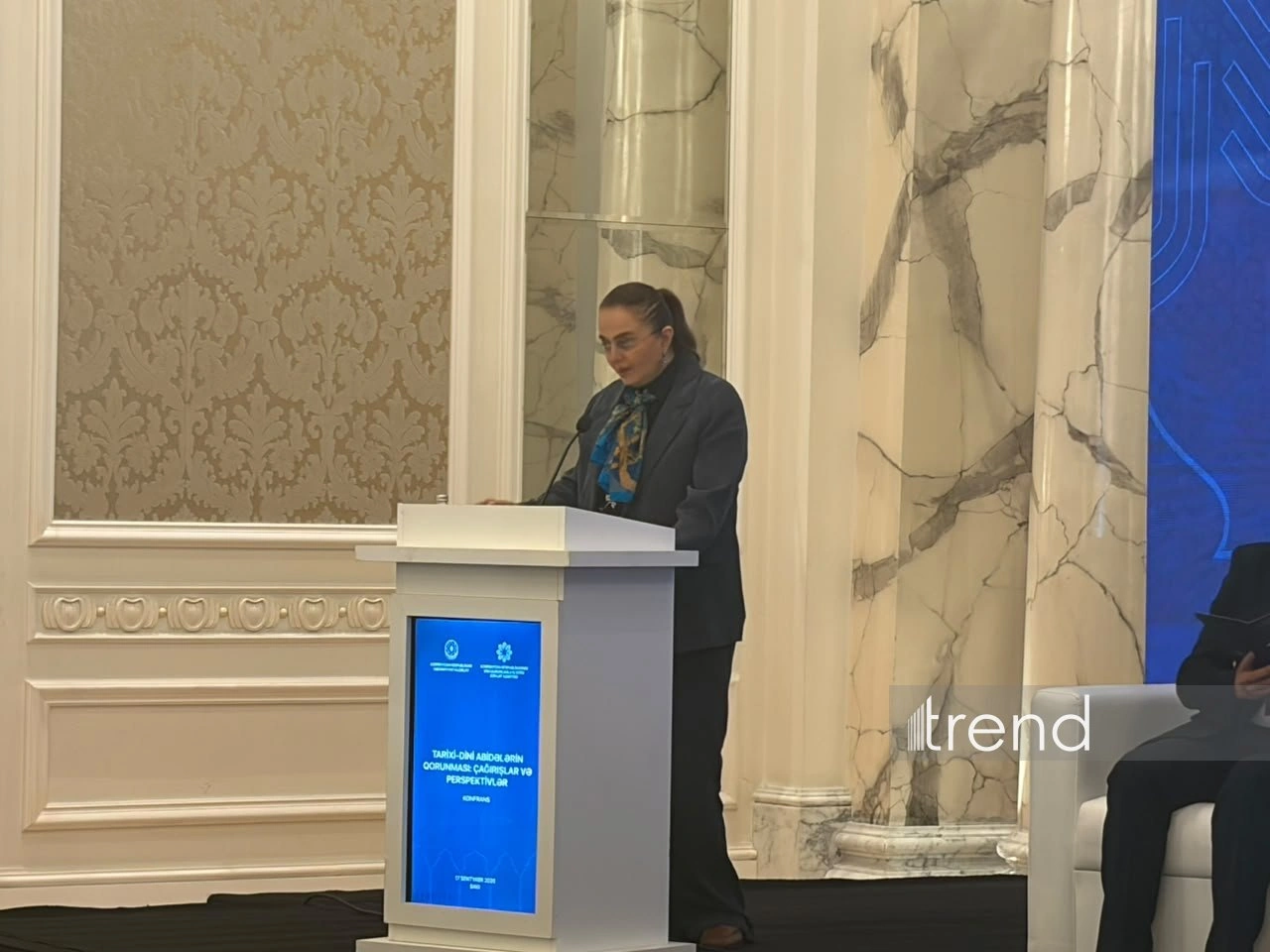
restitution, Saadat Yusifova, Deputy Minister of Culture of the
Republic of Azerbaijan said, Trend's correspondent reports.
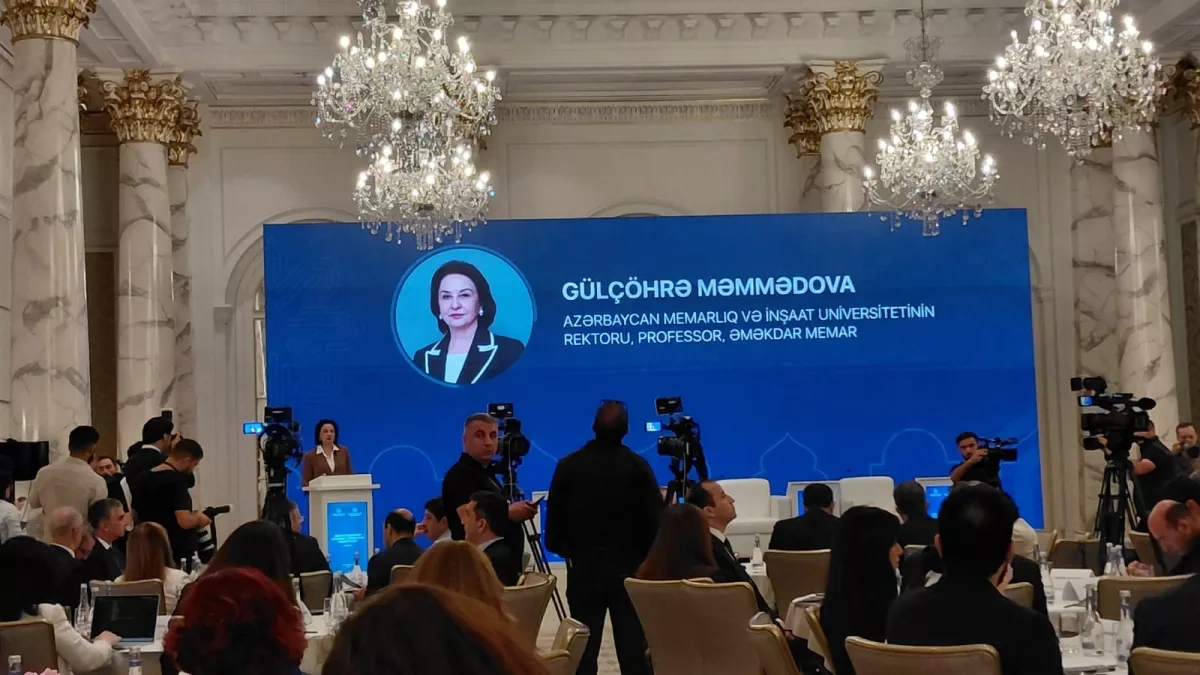
She made the announcement at a conference on “Preservation of
Historical and Religious Monuments: Challenges and Prospects”
Yusifova noted that illegal interference with historical and
religious monuments during the occupation necessitates addressing
several issues under international law.
“This, in turn, requires clarifying several issues under
international law and raising questions of attribution and
restitution. Work is already underway in this area within the
framework of Interpol and UNESCO,” the deputy minister noted.
According to S. Yusifova, the analysis shows that in the
territories liberated from occupation, 68 monuments were destroyed,
while 114 monuments suffered damage of varying degrees and scale.
Other monuments also sustained damage of varying degrees, and
incidents of misappropriation and vandalism were recorded.
The deputy minister reported that the inventory of 130 monuments
registered with the state in Karabakh and Eastern Zangezur has not
yet been completed. The main reason for this is the presence of
landmines in these territories.
She noted that the inventory revealed that 9 tombs, 3
cemeteries, and 7 mosques registered with the state had been
destroyed, while 25 mosques, 14 tombs, and 2 crypts had sustained
damage of varying degrees.
Noting that damage had also been inflicted on Christian
religious heritage, Yusifova pointed out that one church had been
destroyed in the liberated territories, while 20 churches had
sustained damage of varying degrees.
Yusifova also noted that during the occupation, illegal
interventions and fraudulent restoration work were carried out at
the Khudaveng Monastery, and frescoes and crosses were dismantled
and removed from the site. According to the deputy minister, there
were also documented cases of bones being removed from graves at
the Khudaveng and Ganjaasar complexes.
The deputy minister reported that last year, 4 mosques, 7
mausoleums, 4 monasteries, and 13 churches were registered in the
liberated territories.
She noted that, in accordance with Resolution No. 132, adopted
by the Cabinet of Ministers in 2001, 423 mosques, 213 mausoleums,
163 cemeteries, and 222 churches and temples throughout the country
were placed under state protection. This process is still
ongoing.
In addition, Yusifova spoke about the work being done to
inventory the historical and religious heritage in the liberated
territories. The deputy minister reported that since November 13,
2020, the Cultural Heritage Service under the Ministry of Culture
has conducted an inventory of a total of 575 monuments, including
196 in the city of Shusha.
According to her, the process is not limited to assessing the
current condition of the monuments. As part of the inventory, field
surveys are being conducted, and digital maps of the monuments are
being created.