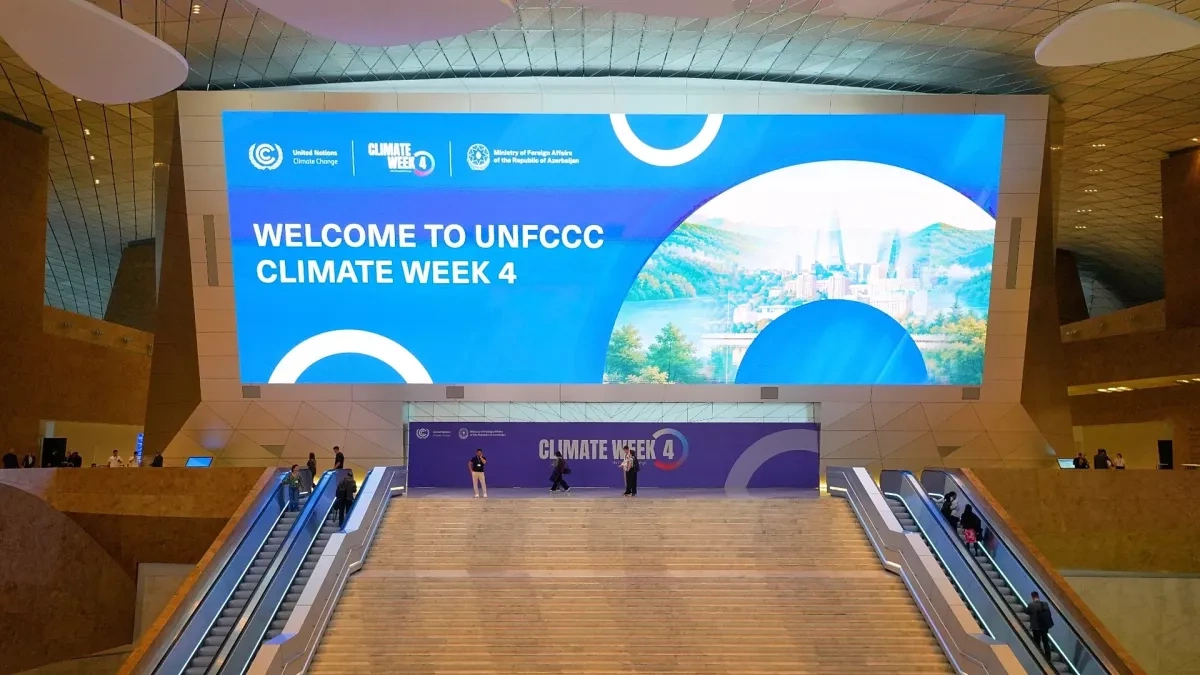
Azerbaijan has committed up to 1 billion manat ($588 million) to climate-resilient irrigation infrastructure under its 2026-2030 state programme, as the country hosted a regional climate week two years after staging COP29 in Baku, Euronews reports.
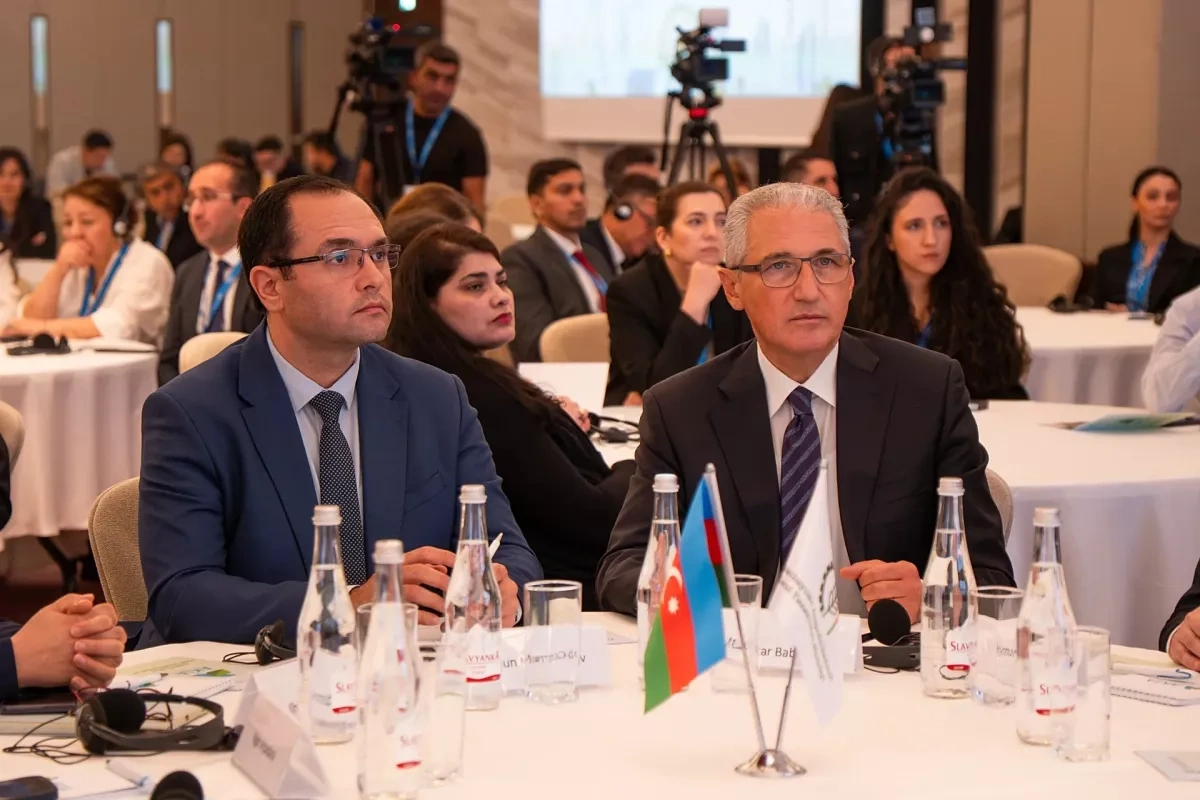
The report said the figure, announced by Agriculture Minister Majnun Mammadov at Baku Climate Action Week, accounts for nearly 40% of the state agricultural budget allocated to climate adaptation.
The funding will be used to develop modern irrigation systems across the South Caucasus, where water shortages, changing growing seasons and soil degradation are intensifying.
Azerbaijan has also introduced an AI-based farmer scoring system this year, developed in partnership with the UN Food and Agriculture Organisation (FAO), to direct subsidies towards smallholder farmers adopting water-saving and soil-regenerating practices.
The digital platform, first piloted in 2024 and tested in 2025, provides advance subsidy payments to smallholder farmers managing between five and 100 hectares.
Mammadov made clear that eligibility is determined based on three criteria: the use of modern agricultural practices, the economic value of the selected crop, and whether farmers employ water-saving or soil-regenerating methods.
"The scoring system evaluates three fundamental pillars," Mammadov told Euronews. "First, the adoption of modern agricultural practices, second, the economic value and profitability of the crop for the farmer and the wider economy."
"And third, ecological impact. How the selected crop interacts with soil health and whether the farmer utilises climate-supporting subsidies like soil-regenerating or water-saving techniques."
Smallholder farmers remain particularly vulnerable to climate volatility across the Caucasus, where relatively small changes in temperature or water availability can significantly affect crop yields.
Mammadov also said international investors involved in local agricultural infrastructure would have access to the same subsidies as domestic operators.
"Agriculture is in a very unique position, it is causing climate change, and it is being affected by climate change," FAO Representative in Azerbaijan Nasar Hayat stressed.
'Opportunity to build'
Meanwhile, the UN Industrial Development Organisation has called on Azerbaijan to prioritise the domestic industrial use of green hydrogen before pursuing plans to export it to Europe.
Petra Schwager, chief of UNIDO's climate and technology partnership division, said exports to Europe through pipelines would take years because the necessary infrastructure is not yet in place.
In the short term, she claimed that green hydrogen derivatives such as green ammonia could be used in domestic fertiliser production and as a fuel for shipping.
"The true benchmark of success for industrial decarbonisation is not policy pledges or technology partnerships, but verifiable CO2 emission reductions," Schwager added.
On climate financing, Türkiye announced two new mechanisms ahead of COP31 in Antalya: BRIDGE, a technical support platform developed alongside the UN Development Programme to help developing countries structure investment-ready projects, and SURF, which adapts a Turkish municipal lending model to expand low-cost credit lines to cities across developing nations.
Fatma Varank, CEO of COP31 and Deputy Minister of Türkiye's Ministry of Environment, Urbanisation and Climate Change, highlighted the importance of continued cooperation between the countries that have hosted the COP.
"Along our shared journey from Baku to Antalya, we have an opportunity to build on this foundation and achieve stronger outcomes by sharing experiences, deepening partnerships and channelling climate finance towards tangible implementation," Varank remarked.
Azerbaijan's Deputy Foreign Minister Yalchin Rafiyev said a Black Sea subsea cable project designed to transmit renewable electricity from Azerbaijan and Central Asia to European markets remains a priority.
"Continuity between the COPs is extremely important in order to keep the legacy for the host country, but at the same time, globally it is very important," Rafiyev told Euronews.
He stated that the legacy of COP29 had encouraged Kazakhstan, Uzbekistan, Tajikistan and Kyrgyzstan to advance specific proposals for green power grids.
At COP29 in 2024, wealthier nations agreed to provide at least $300 billion (€258 billion) annually by 2035 to help developing countries reduce emissions and address climate impacts.
According to UN Secretary-General António Guterres, the agreement provided "a base on which to build" but did not meet the scale of financing required by the climate crisis.
In Jens Nielsen’s words, Founder and CEO of the World Climate Foundation, global climate diplomacy is undergoing a structural transformation, which is “changing from the politics of climate change to the economics of climate change."
"We need to move beyond commitments and action straight into bankable financial transactions," Nielsen told Euronews.
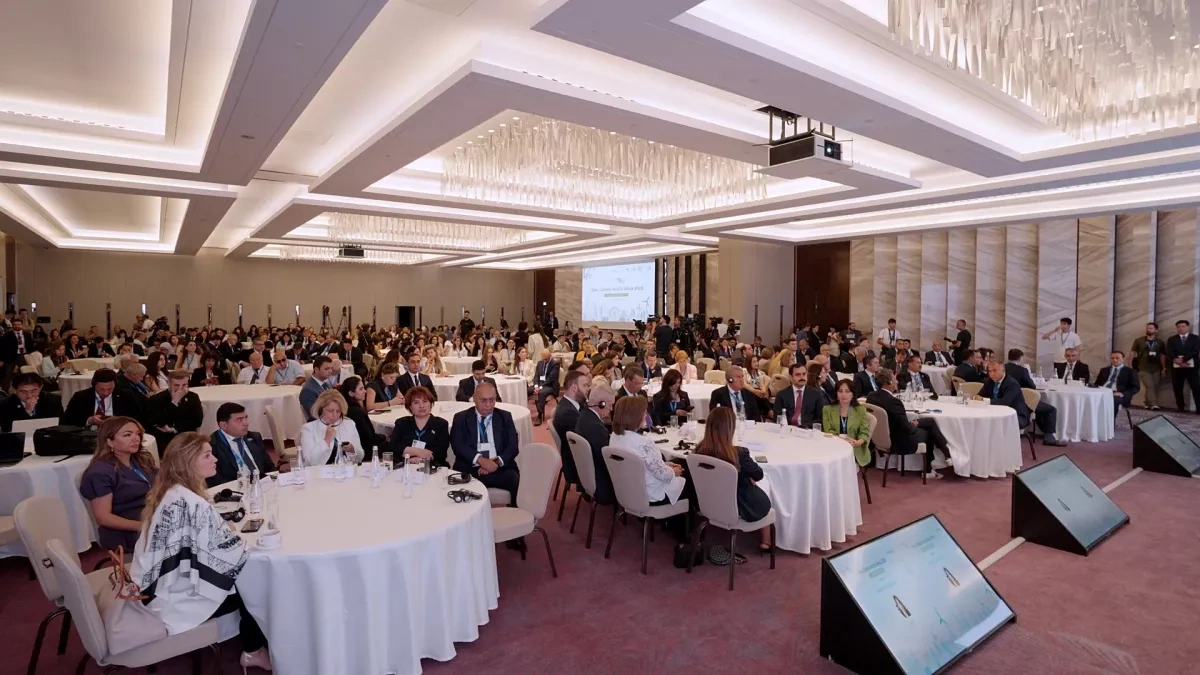
Baku Climate Action Week was held alongside the UN Framework Convention on Climate Change regional climate week for Eastern Europe, the Caucasus and Central Asia.
By Bakhtiyar Abbasov