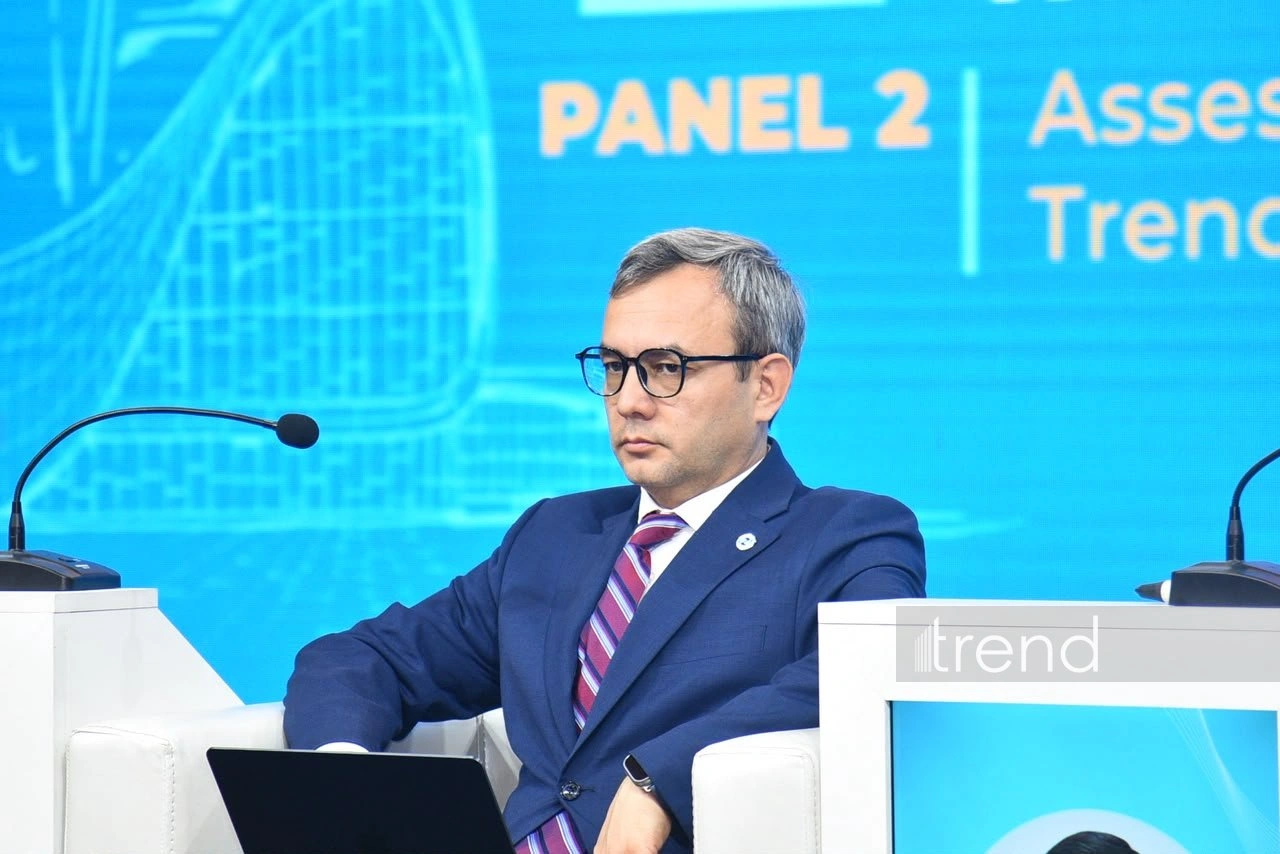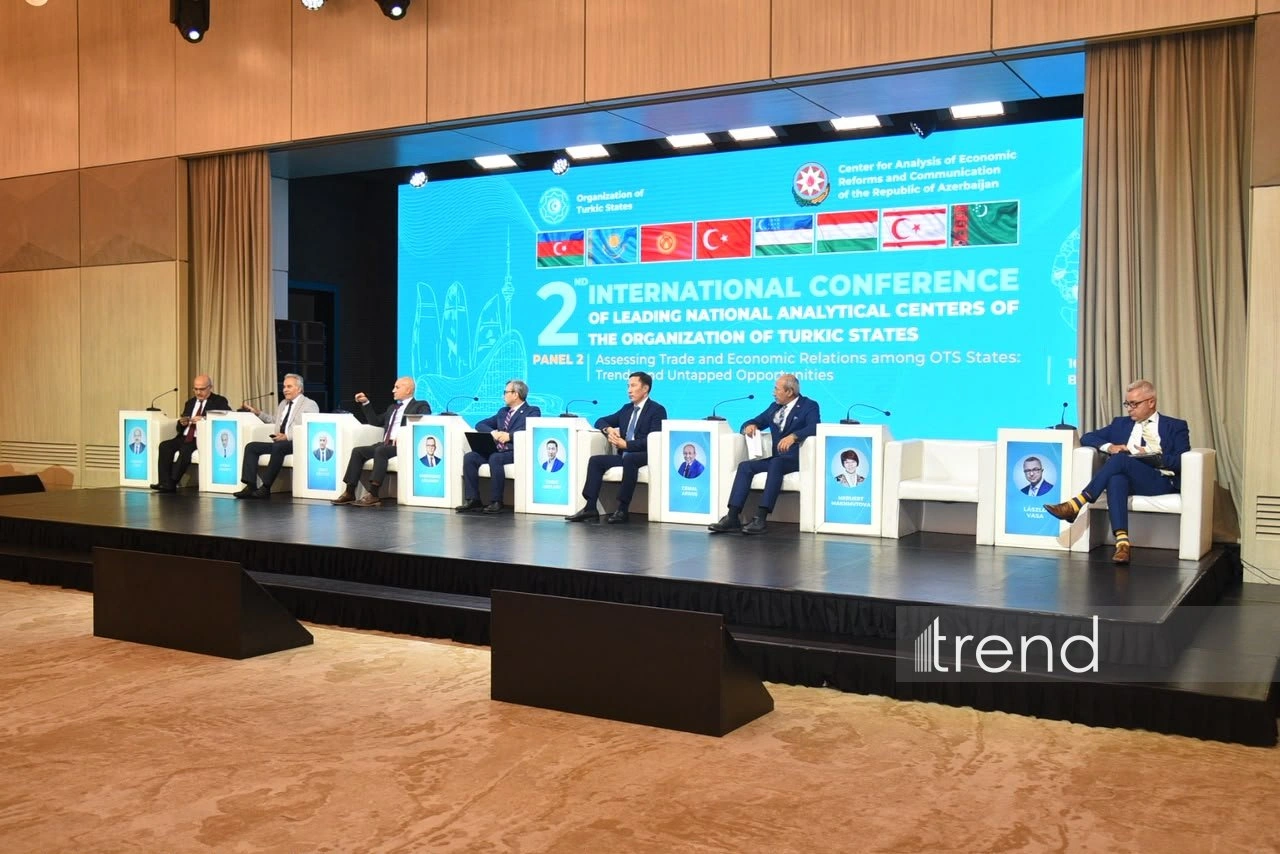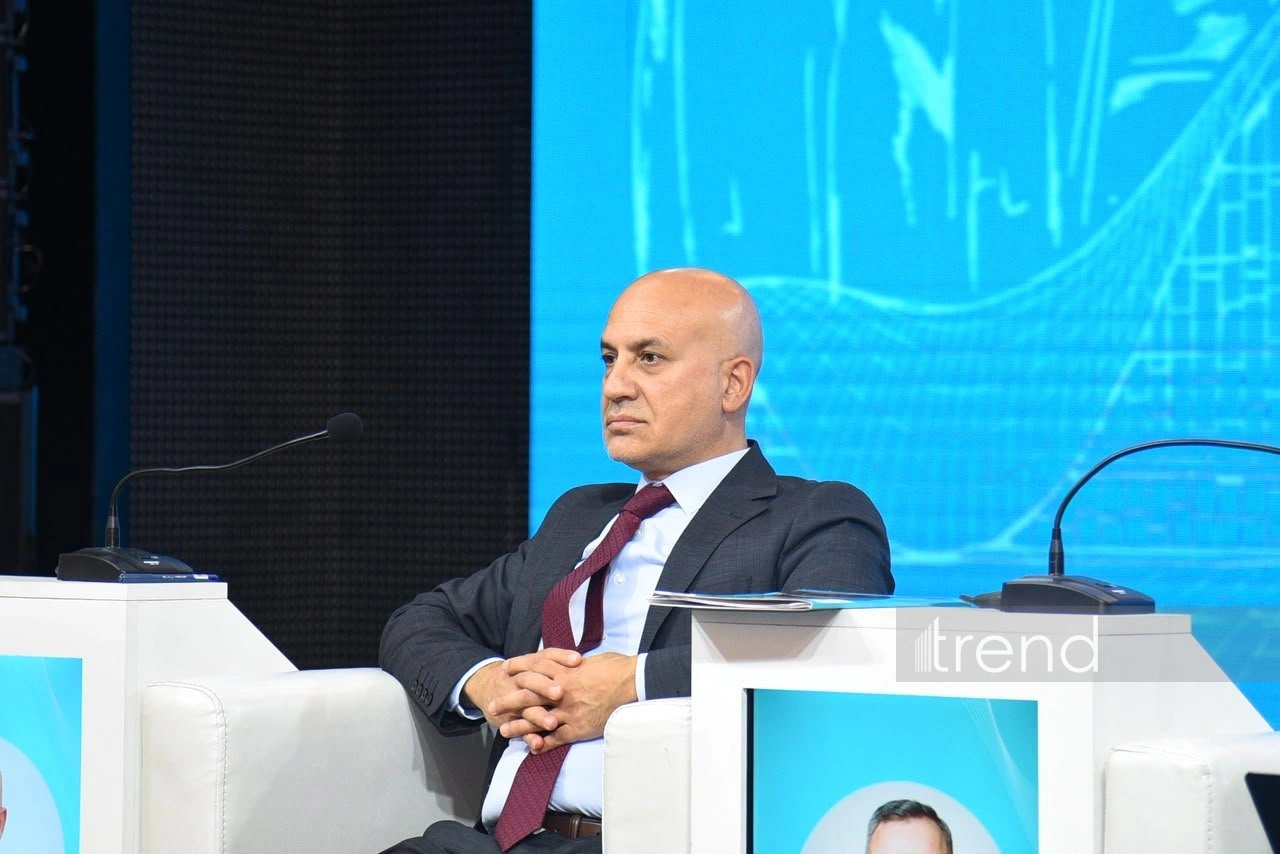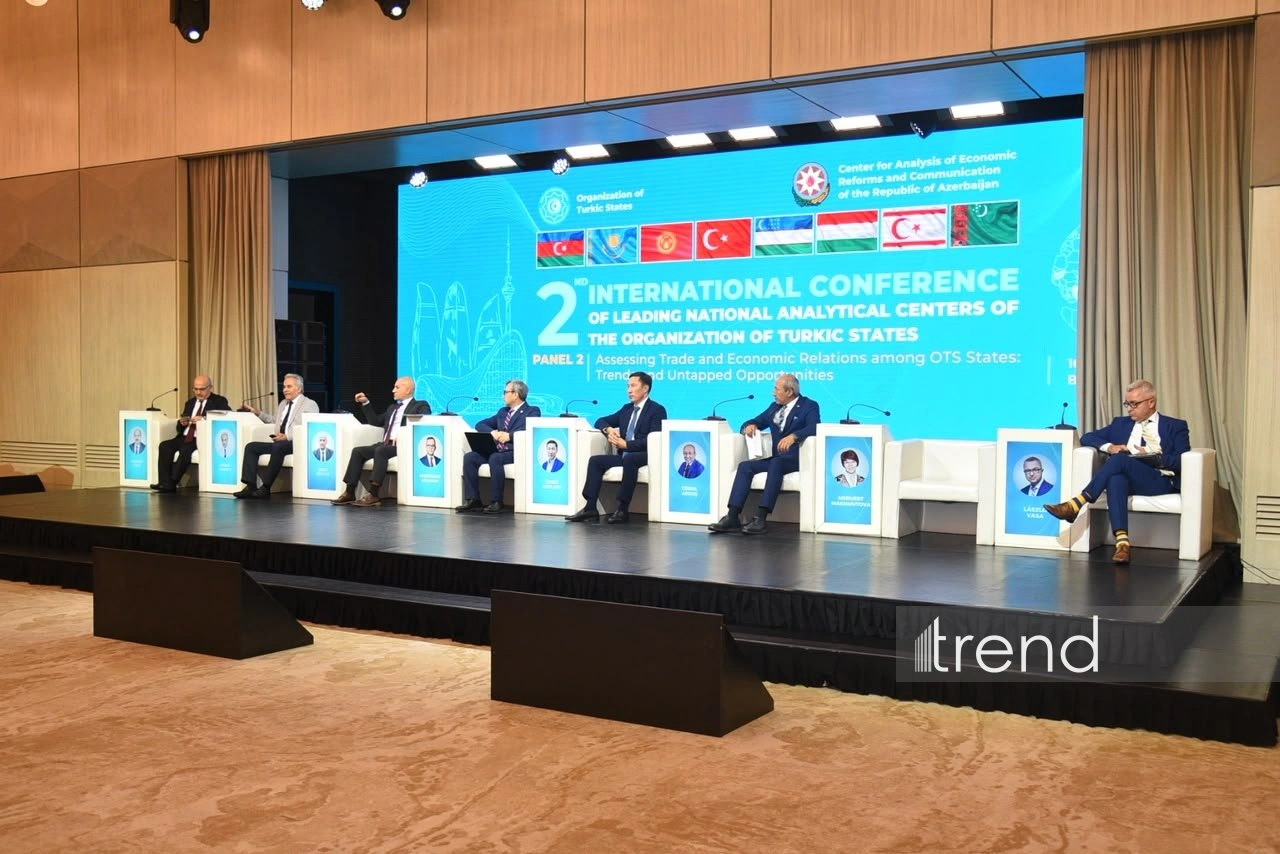
BAKU, Azerbaijan, September 16. The development
of trade and economic relations among countries of the Organization
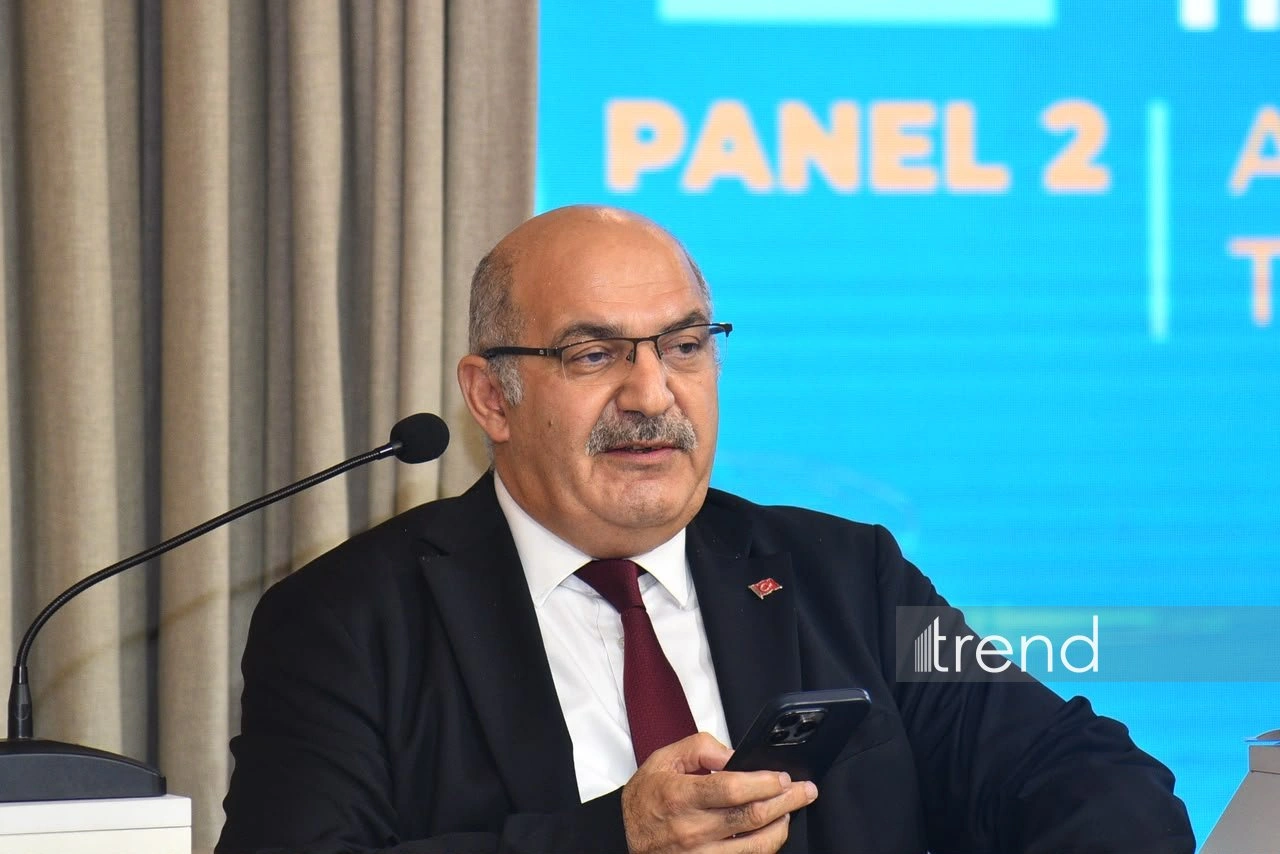
of Turkic States (OTS) has been discussed at a panel titled
"Assessment of trade and economic relations among OTS states:
trends and untapped opportunities" within the framework of the 2nd
Conference of the Leading National Analytical Centers of the OTS,
Trend's
correspondent reports from the event.
The panel highlighted the harmonization of trade policies and
also discussed the assessment of how OTS states can gradually
transition from retail trade relations to a more integrated
economic space by 2040, with a focus on reducing internal economic
barriers.
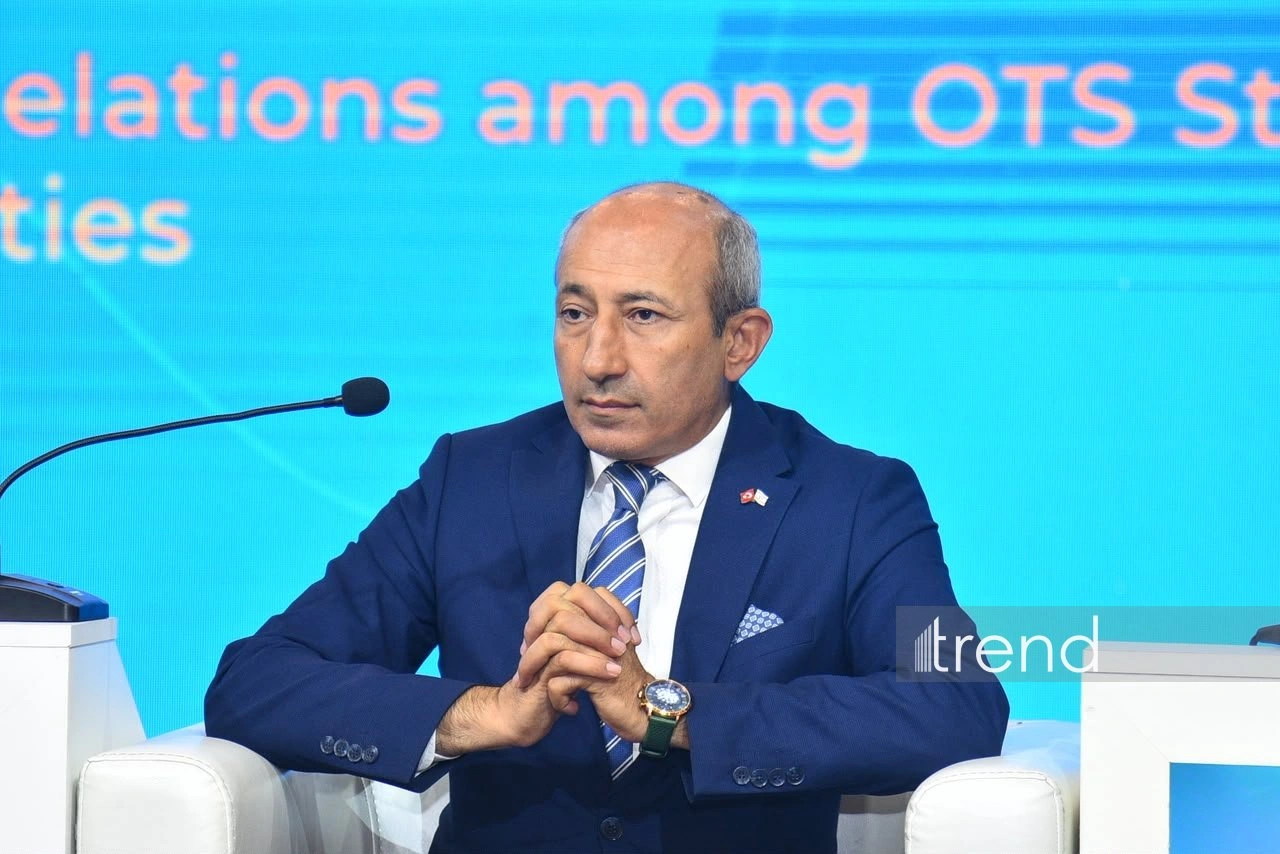
In his remarks, Director General of the Institute of Economics
of the Ministry of Science and Education of Azerbaijan, Nazim
Imanov, noted that the economies of OTS member countries need one
another, as they complement each other to a significant degree.
"There is growth in trade turnover among Turkic states. Is the
volume large? No. The growth is very modest due to an issue
regarding the complementarity of our economies," he said.
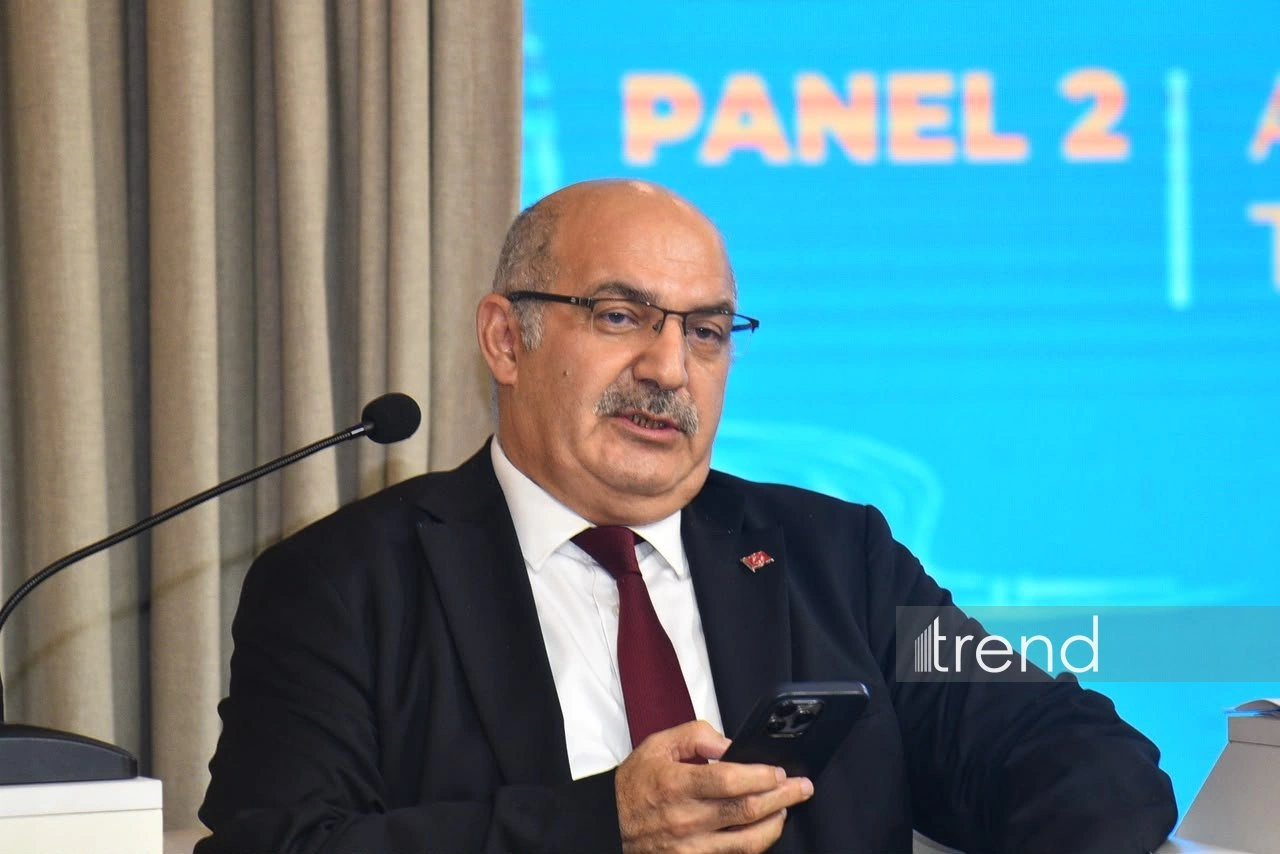
Director of the Eurasian Research Institute of Khoja Akhmet
Yassawi International Turkish-Kazakh University in Kazakhstan, Suat
Beylur, noted that the total population of the OTS has reached
nearly 180 million.
"This population figure could even reach the 250–300 million
mark; this represents human capital. A key factor here is that,
within this population of 178–180 million, about 40% are under the
age of 25. At a time when populations are shrinking and birth rates
have fallen below 2—particularly in Western and European
nations—these figures are significant in demonstrating just how
young and dynamic the human resources of the Turkic world are," he
said.
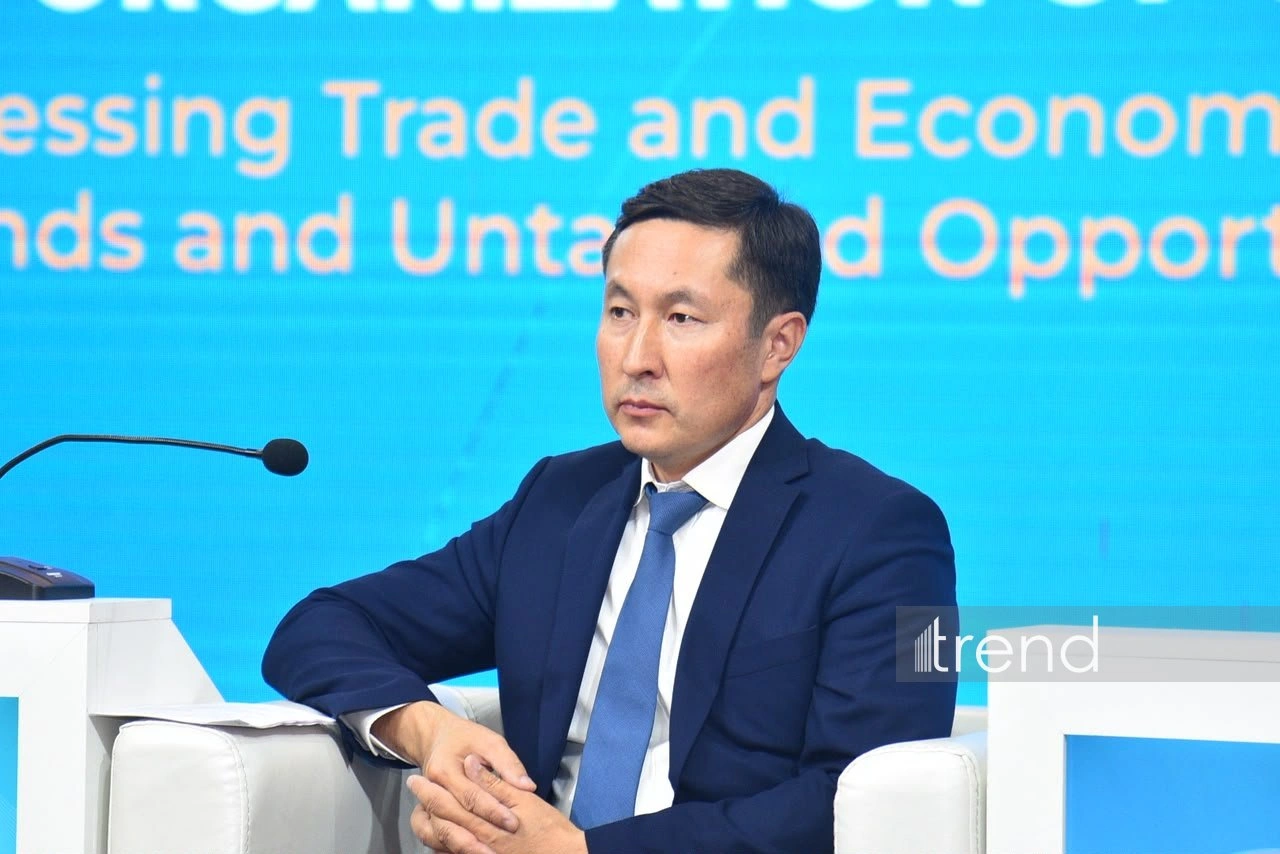
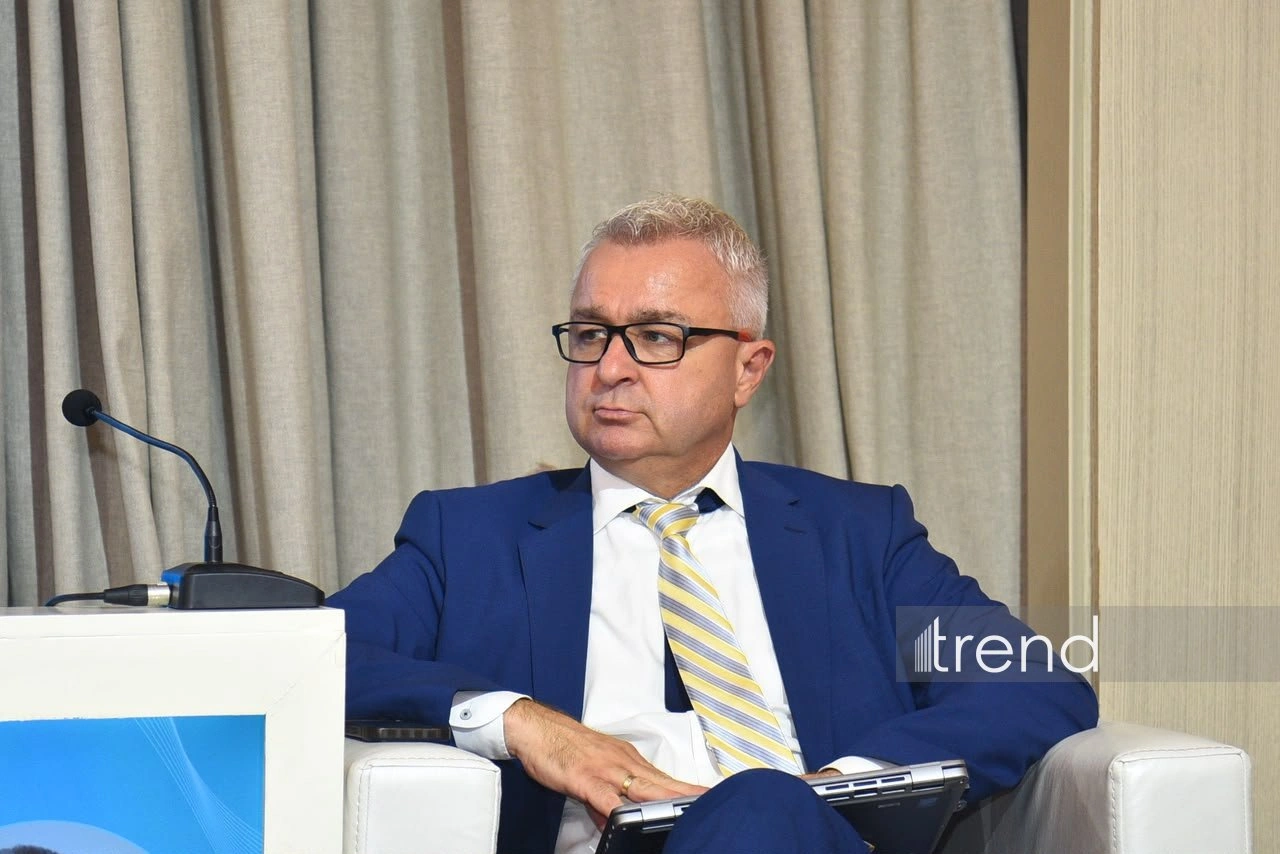
Timur Abylaev, Deputy Director of the National Institute for
Strategic Initiatives under the President of Kyrgyzstan, emphasized
that in 2023, Kyrgyzstan's trade turnover with OTS countries
reached nearly $4 billion, accounting for more than 23% of the
country's total foreign trade.
"This means we already have a solid foundation for future
cooperation. At the same time, it is important today not only to
increase the overall volume of trade but also to structure trade
conditions and reduce the costs companies face when entering our
markets.
This issue is particularly important for Kyrgyzstan, which is a
landlocked country. Therefore, the competitiveness of our products
depends largely on transportation costs and the speed of border
crossings," he added.
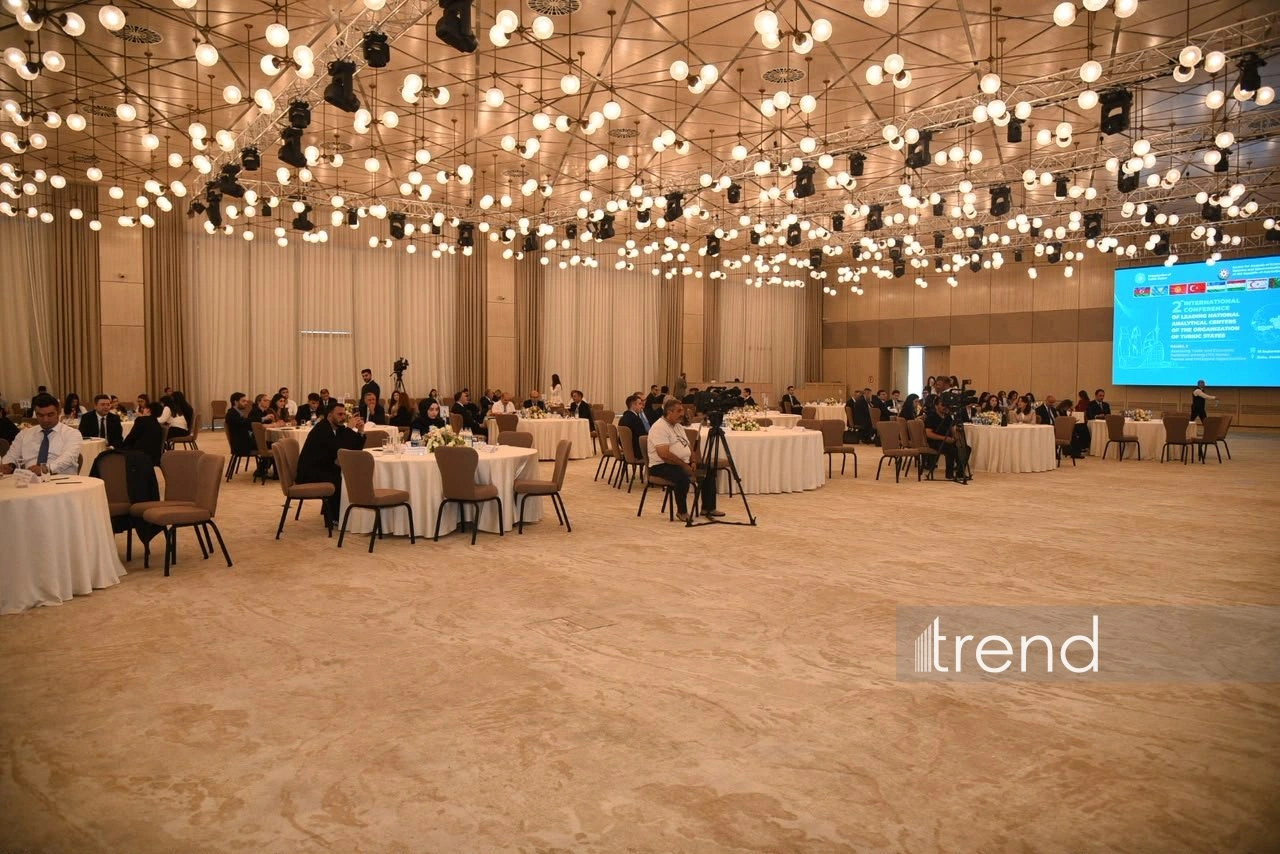
The2nd Conference of the Leading National Analytical Centers of
the OTS is being held in Baku.
The conference, dedicated to the theme "Strengthening Economic
Cooperation within the Framework of the Organization of Turkic
States through Continuous Consultations and Joint Research," is
focused on discussions of the prospects for the development of
economic cooperation, institutional mechanisms, and opportunities
for joint research among the member states of the OTS.
Representatives from various government agencies, think tanks,
research institutions, and other organizations of Azerbaijan,
Türkiye, Kazakhstan, Uzbekistan, Kyrgyzstan, Hungary, and the
Turkish Republic of Northern Cyprus are participating in the
conference.