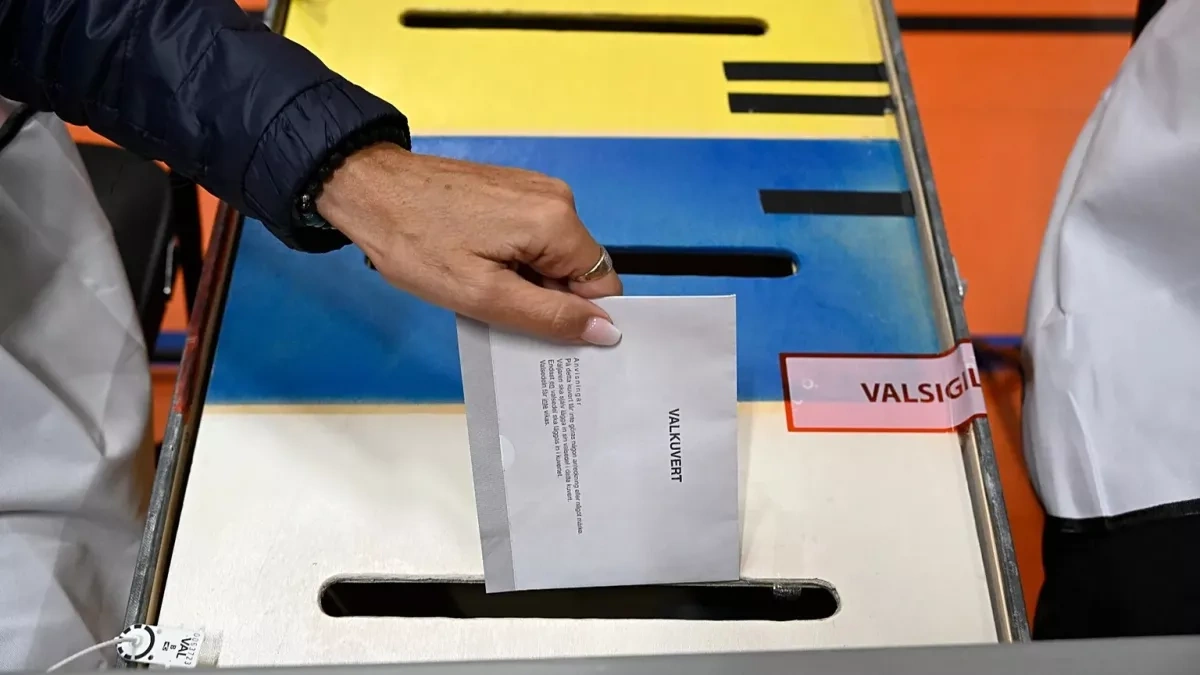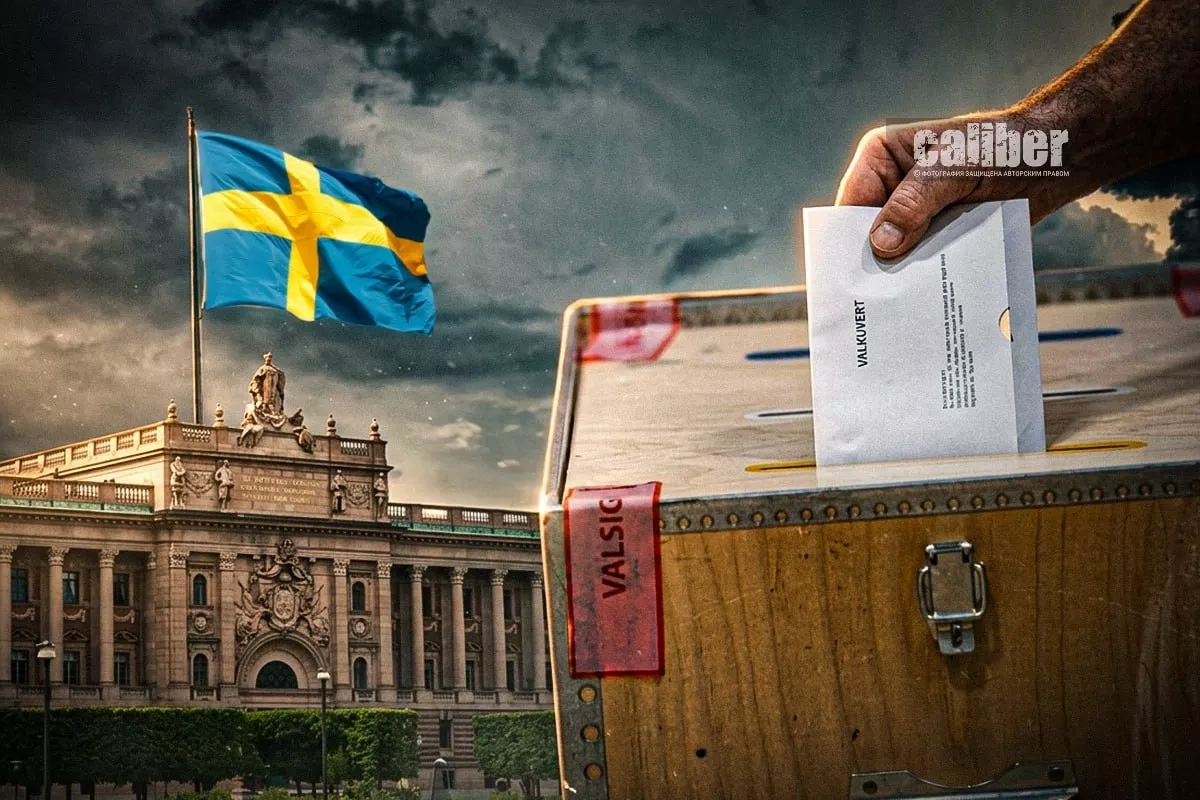
In Sweden’s parliamentary elections held on Sunday, September 13, the coalition led by the Social Democrats won the largest share of the vote, while the far-right Sweden Democrats performed significantly worse than they had previously. This outcome raises the question of what exactly could change in the policies of this Scandinavian country.
A defeat for right-wing populism
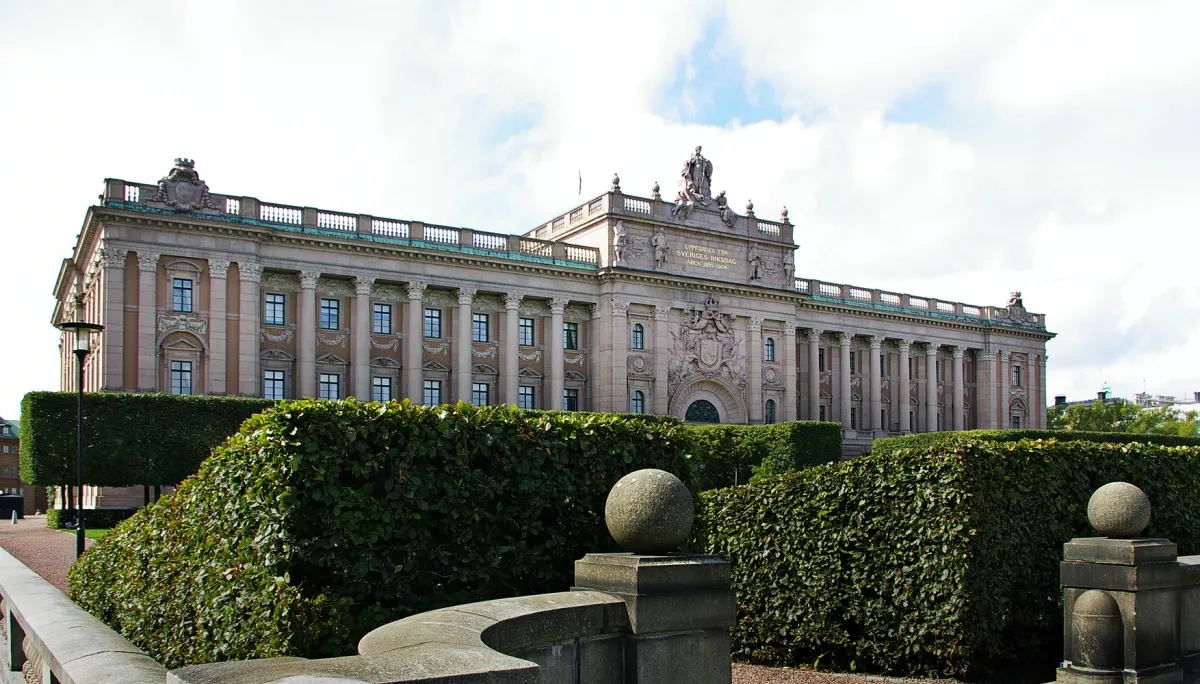
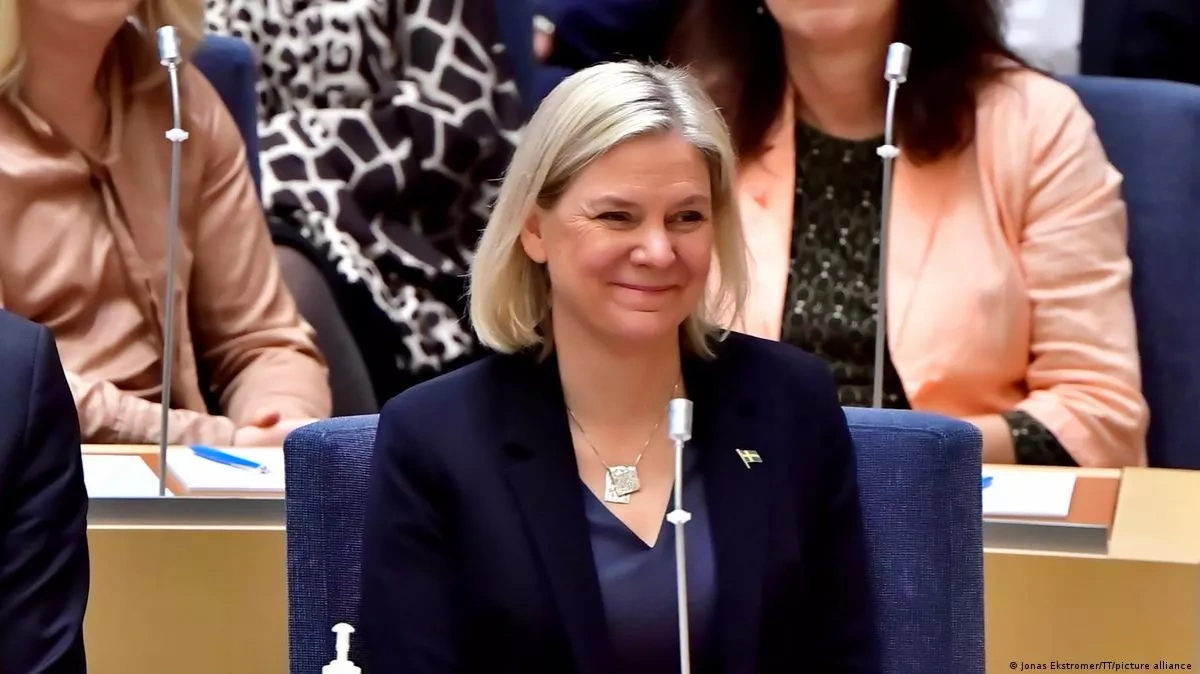
According to data available after 95% of the votes had been counted on Monday, the Swedish Social Democratic Party (SAP) was in first place with 100 seats in the Riksdag, while the Left Party (Vänsterpartiet), which is part of its coalition, won 29 seats, and the Greens secured 22. The opposition Centre Party won 25 parliamentary seats. Thus, the centre-left bloc holds 176 seats, compared with just 173 previously held by the governing centre-right coalition. Meanwhile, according to an exit poll by public broadcaster SVT, the centre-left bloc led by Social Democrat Magdalena Andersson received 51.3% of voter support. Although the vote count will continue until Wednesday, it is already clear that the diverse governing coalition of liberals, conservatives, Christian Democrats and the far right is unlikely to remain in power.
At the same time, the election cannot be described as an unequivocal victory for the Social Democrats: compared with 2022, they lost seven seats in the Riksdag, while the Left Party gained five and the Swedish Greens added four. Among their opponents, the Moderate Party gained two seats, while the Christian Democrats and Liberals each added three. Nevertheless, it was the far-right Sweden Democrats that dealt the biggest blow to the governing coalition. The right-wing populists lost 11 seats in the Riksdag, falling from 73 seats in 2022 to 62 in the current election, while their share of voter support declined from 20.54% to 17.2% at the current stage of the count. Therefore, one of the main surprises of Sweden’s election can be seen as the electoral setback suffered by the far right.
The right begins reforms — and loses
What caused the Sweden Democrats to perform so poorly, while their ideological allies in Germany, France and other EU countries are winning local elections and anticipating major gains in national elections?
One obvious factor is that migration, an issue the far right likes to exploit, is currently less pressing for Swedish voters. The number of asylum applications in Sweden has fallen sharply in recent years — by 30% in 2025 alone, the largest decline in 40 years. At the same time, the far right’s success in the 2022 election was largely fuelled by a surge in street crime: 45 people were killed in shootings in Sweden in 2021, 62 in 2022, and 13 in September 2023 alone amid gang wars.
At present, the number of firearms-related incidents has fallen by roughly half compared with 2022, although the number of homicides remains high. In this election, both the centre-right and far-right parties campaigned not only on promises to continue the fight against organised crime, but also on positive reports of their achievements in combating it. However, many voters appear to have preferred the left-wing programme over calls from the right for further punitive measures. The Social Democrats are also opposed to leniency towards crime, but they proposed not only punishing offenders but also addressing the deep social causes underlying criminality.
It is also worth noting that it was precisely the right-wing government of Ulf Kristersson that did a great deal to exacerbate Sweden’s social situation. Essentially, all the efforts of the ruling liberals were aimed at dismantling the much-vaunted “Scandinavian socialist” welfare state, and, under the leadership of a prime minister from the conservative-liberal Moderate Party, they imposed a whole series of social cutbacks on Swedes. In particular, a ceiling was introduced on social benefits, unemployment and child benefits were reduced, and the conditions for granting benefits to refugees and migrants were tightened, with people being deported for administrative violations and even simply for having the “wrong lifestyle”. In addition, educational grants for vulnerable groups were abolished. Many Swedes were also angered by what they saw as an unjustified expansion of police powers and requirements for public-sector employees to report migrants.
The neoliberal reforms hit healthcare and education particularly hard. As funding was cut, queues at clinics and hospitals grew. More and more of the school sector was transferred to private educational institutions, which, despite all their liberal criticism of the state, had no intention of giving up state funding and, in order to secure more of it, often falsified students’ grades, resulting in a sharp decline in educational standards. Local municipalities also saw significant cuts to funding for social programmes, including education. At the same time as social assistance for those in need was being reduced, taxes on the wealthy were being eased. As a result, in 2026, healthcare ranked first among the issues concerning Swedes, at 64% (up seven percentage points from 2022), followed by education (+4), while crime ranked third, down four percentage points. The list continued with elderly care (+12), the environment (-3%), and the economy (+10), while migration ranked below these issues.
As a result, the Left Party went into the recent election with the following campaign message: “Are you also tired of your salary stretching to cover less and less, while food prices, rents and electricity costs continue to rise? Do you want young people to be able to find jobs and housing so they can build their future? Do you believe that healthcare should exist for patients, not for the profits of healthcare companies?”
At the same time, the dismantling of the welfare state was supposedly being carried out to save the economy, an area in which the liberal-conservative government considered itself the leading authority. Yet many have described the economic policies of the Kristersson government as a “catastrophe”. For example, in what monetarists regard as a fundamental battle against inflation, the Riksbank sharply raised its key interest rate, and as a result, loans became an enormous burden almost overnight for Swedish households, which are among the most heavily indebted in Europe. Moreover, this triggered a chain reaction.
With a significant share of household incomes now going towards servicing more expensive loans, consumers’ purchasing power collapsed. As a result, the Swedish economy began to slow sharply. This was compounded by strict restrictions on migration, which deprived employers of the ability to recruit foreign specialists at rates that were optimal for them. And ordinary Swedes delivered their response to all this liberal “shock therapy”, cloaked in right-wing populism, in the recent election.
The far-right “wolves”, liberal “goats” and the big “cabbage”
Unlike the right-wing government, the centre-left parties are promising state investment in reviving traditional industries and the “green” sector, which they say should help revitalise the economy and restore jobs. Major injections of funding are to be channelled into regional budgets, including education and healthcare, where the state is expected to return. Much of the funding for the social sector is to be provided by raising taxes on excess profits.
According to some reports, the leadership of the Swedish Social Democratic Party (SAP) is already holding preliminary consultations with coalition partners on forming a new government. All potential participants are being urged to compromise, and this is not without reason, as things are far from straightforward even within the “red-green” bloc itself — the Social Democrats, the Left Party and the Greens — particularly with a separate partner such as the Centre Party. These “green liberals” have a particular dislike of the Left Party and fear that the “Eurocommunists” could pull the coalition sharply to the left. The Centre Party effectively describes the Left Party as a “marginal force” (although these “marginals” won four more seats in parliament than the “centrists” themselves) and opposes its participation in the government.
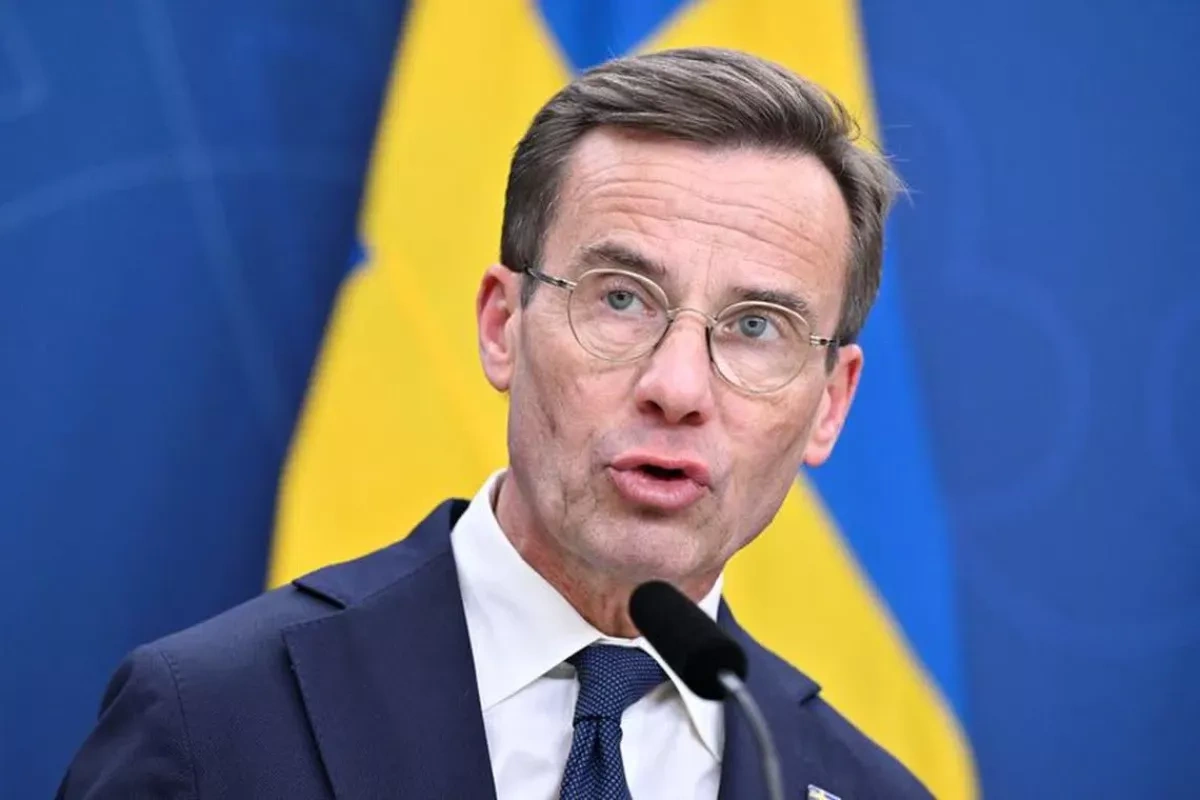
The one area where there is no disagreement between the right and the left, centrists and populists in Sweden is foreign policy and their stance on the Russia-Ukraine war. Here, all parliamentary parties support NATO membership and back the corresponding agenda, including on the Ukraine crisis. However, the liberal-right parties and the forces behind them have no intention of giving up power. At least, Ulf Kristersson, who lost the election, is hoping to form a new cabinet based on a non-socialist majority in the Riksdag.
Once again, much will depend on what position the Centre Party takes. This is where the classic “wolf, goat and cabbage” political puzzle comes into play: the likelihood of the liberal-left Centre Party joining the current centre-right coalition is low, as an alliance with the far right is unacceptable to most Centre Party voters. At the same time, without the far-right “wolves” in the form of the Sweden Democrats, the right-wing coalition cannot secure a parliamentary majority under any circumstances.
The rise and fall of populists
But whatever the outcome of the formation of the new government, the significance of Sunday’s election extends far beyond the Kingdom of Sweden, where the victorious march of right-wing populists has, for the first time in recent years, been halted. Strictly speaking, the Sweden Democrats were not part of Kristersson’s government — they had only been promised ministerial posts if they won this election. However, because the incumbent government was entirely dependent on the support of the right-wing populists in parliament, they were able to impose an often highly radical agenda on the cabinet.
For right-wing populists, in Sweden and elsewhere, this may prove to be a first warning sign: they may not be as sought-after as they have appeared in recent years. There is, however, an important nuance here. By joining the parliamentary coalition with the liberals and conservatives, the Sweden Democrats had to take responsibility for the unpopular social and economic policies pursued by their governing partners. A similar pattern has emerged in neighbouring Finland, where the far-right Finns Party, as part of the coalition government, has used its populist rhetoric to shield harsh neoliberal reforms.
In France, however, where opinion polls suggest that Marine Le Pen could win the upcoming presidential election, and in Germany, where the Alternative for Germany (AfD) currently tops the popularity rankings, right-wing populists still present themselves as an alternative untouched by the responsibilities of government. And as the current broader crisis intensifies, EU countries are likely to face increasing political polarisation, with both radical right-wing and left-wing tendencies gaining strength.