BAKU, Azerbaijan, September 15. The Islamic
Development Bank Institute (IsDBI) and the International Monetary
Fund Middle East Center for Economics and Finance (IMF-CEF)
successfully concluded their first joint workshop, held from 6 to
10 September 2026 in Kuwait City.
The workshop, titled “Capital Adequacy Implications for Islamic
Banks Based on Basel III,” brought together senior officials and
specialists from central banks and ministries of finance across the
region. The program was delivered by Dr. Abozer Mohamed,
Senior Islamic Finance Specialist at IsDBI, and focused on
key capital adequacy considerations arising from the application of
Basel III standards to Islamic banking institutions.
The workshop provided participants with an in-depth
understanding of the regulatory capital framework and its
implications for Islamic banks, including the composition of
regulatory capital, regulatory adjustments and deductions, capital
buffers, risk-weighted assets, and the calculation of capital
requirements for credit risk, market risk and operational risk. The
program also addressed the leverage ratio and other key aspects
relevant to assessing the resilience and financial soundness of
Islamic banking institutions.
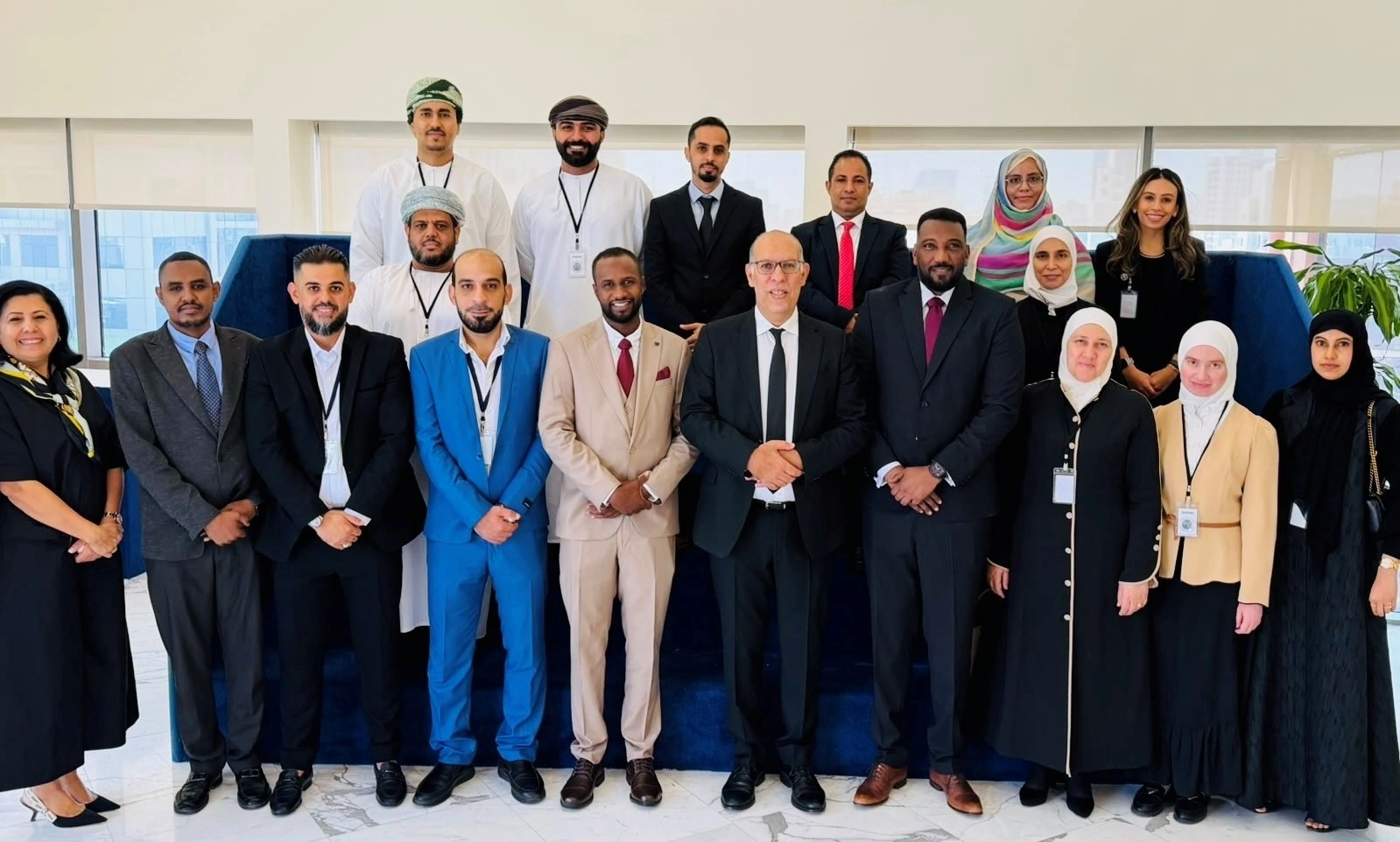
The workshop was attended by representatives from the central
banks and ministries of finance of Libya, Mauritania, and Somalia,
as well as representatives of the Palestine Monetary Authority,
Central Bank of Yemen, Central Bank of Syria, Central Bank of Oman
and the Central Bank of Kuwait. The diverse participation provided
an opportunity for participants to exchange experiences and discuss
regulatory and supervisory challenges related to capital adequacy
in their respective jurisdictions.
The workshop commenced with opening remarks delivered by
Dr. Sami Ben Naceur, Director of the IMF Middle East Center
for Economics and Finance, and Dr. Abozer Mohamed,
Senior Islamic Finance Specialist at IsDBI. The opening
session highlighted the importance of capacity development and
knowledge sharing in strengthening financial sector resilience and
supporting the effective implementation of international regulatory
standards in Islamic finance.
The first joint workshop between IsDBI and IMF-CEF represents an
important step in strengthening cooperation between the two
institutions in Islamic finance capacity development and financial
sector regulation. It also provides a platform for regulators and
policymakers to deepen their understanding of the interaction
between Basel III requirements and the specific characteristics of
Islamic banking.
Throughout the five-day program, participants engaged in
technical presentations, practical exercises, case studies and
discussions designed to translate regulatory concepts into
practical capital adequacy calculations. Emphasis was placed on the
challenges faced supervisors when applying risk-based capital
requirements while taking into account the distinctive features of
Shariah-compliant financial instruments and business
models.
Participants also shared an overview of the regulatory capital
framework in their respective jurisdictions, highlighting the key
regulatory requirements, supervisory practices, and the main
challenges they face in implementing capital adequacy standards for
Islamic banks.
The successful conclusion of the workshop underscores the shared
commitment of IsDBI and IMF-CEF to advancing professional capacity,
promoting sound regulatory practices and supporting financial
stability in countries with Islamic banking sectors.