BAKU, Azerbaijan, September 14. Uzbekistan’s
Fergana region is seeking to deepen ties with South Korea’s Pangyo
Techno Valley, one of the country’s leading high-tech clusters, as
the region looks to attract technology companies and develop
projects in IT, artificial intelligence, startups and advanced
manufacturing.
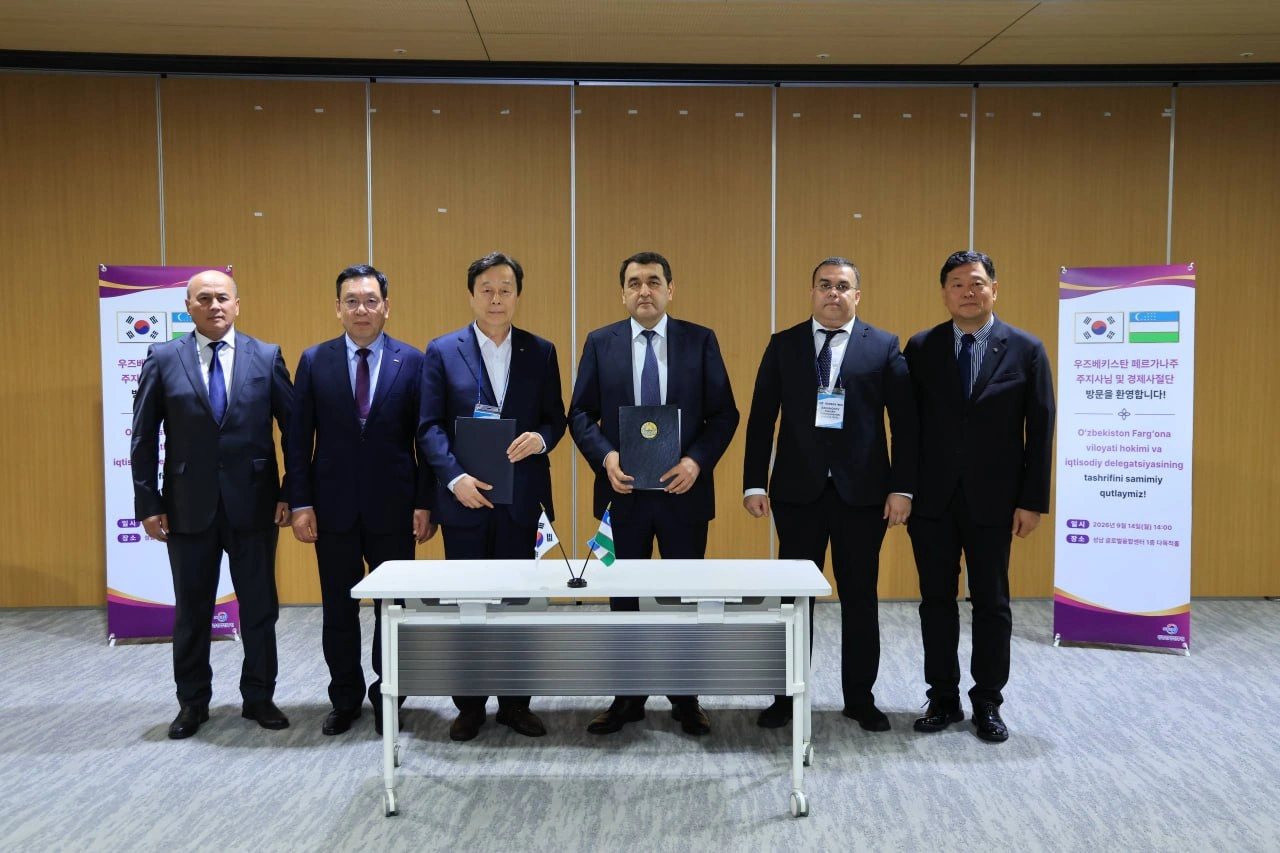
This was reflected in the statement by the Fergana regional
administration, following a visit to Pangyo Techno Valley in
Seongnam by Fergana delegation led by Regional Governor Khayrullo
Bozorov.
Seongnam, located near Seoul, has developed into a major
technology center in South Korea, with companies and research
institutions working in areas including information technology, AI,
semiconductors, biotechnology, gaming and research and
development.
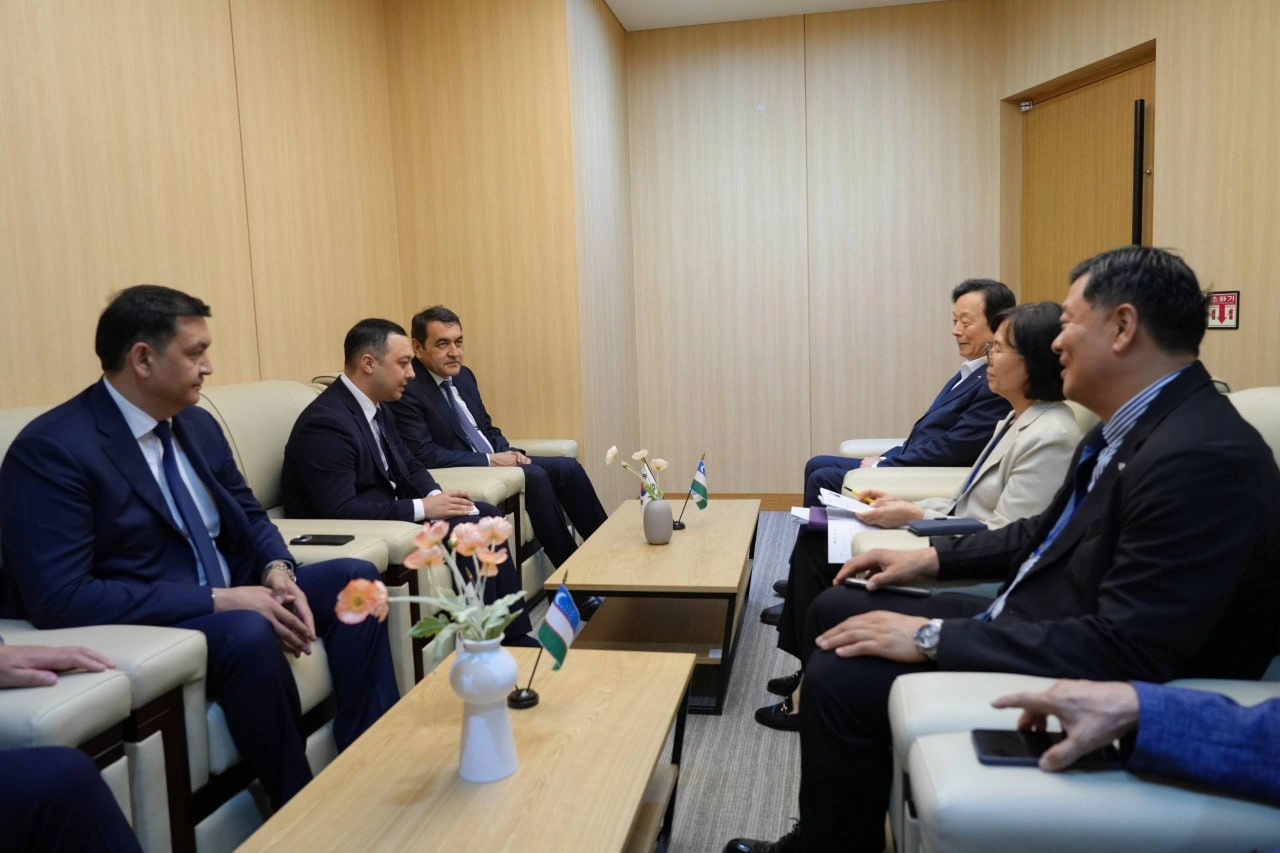
During the business forum, Seongnam Industrial Development
Agency President Lee Joo-young said the event was an important step
toward establishing practical cooperation between the two regions
and expressed interest in increasing the number of joint projects
involving South Korean companies in Fergana.
Bozorov highlighted South Korea’s experience in high technology
and innovation, saying closer ties with Pangyo Techno Valley could
create opportunities for Fergana to develop projects in IT, AI,
startups and advanced manufacturing.
The sides presented their respective investment and business
opportunities. Pangyo representatives outlined the cluster’s
management model and innovation infrastructure, while the Fergana
delegation presented the region’s economic potential, investment
opportunities and projects available to foreign investors.
Several companies based in the cluster also showcased their
technologies, innovative products and solutions.
The sides agreed to continue developing direct links between
Fergana and Seongnam’s high-tech cluster, expand cooperation
between companies and pursue joint projects based on advanced
technologies.
Pangyo Techno Valley is at the center of the city’s innovation
ecosystem. The technology cluster was developed on former
agricultural land to concentrate high-tech companies, encourage
research and innovation, support startups and entrepreneurship, and
promote more balanced regional economic development.
The cluster currently hosts 1,780 companies employing 83,465
people. Its business community includes companies in IT and
software, AI, gaming, telecommunications, electronics,
biotechnology, fintech and advanced manufacturing, including Nexon,
SK C&C, AhnLab, Smilegate, POSCO, LIG Nex1, IDIS and
Thinkware.