BAKU, Azerbaijan, September 7. Climate
disasters may further weaken vulnerable economies, therefore,
environmental cooperation must remain a bridge rather than become a
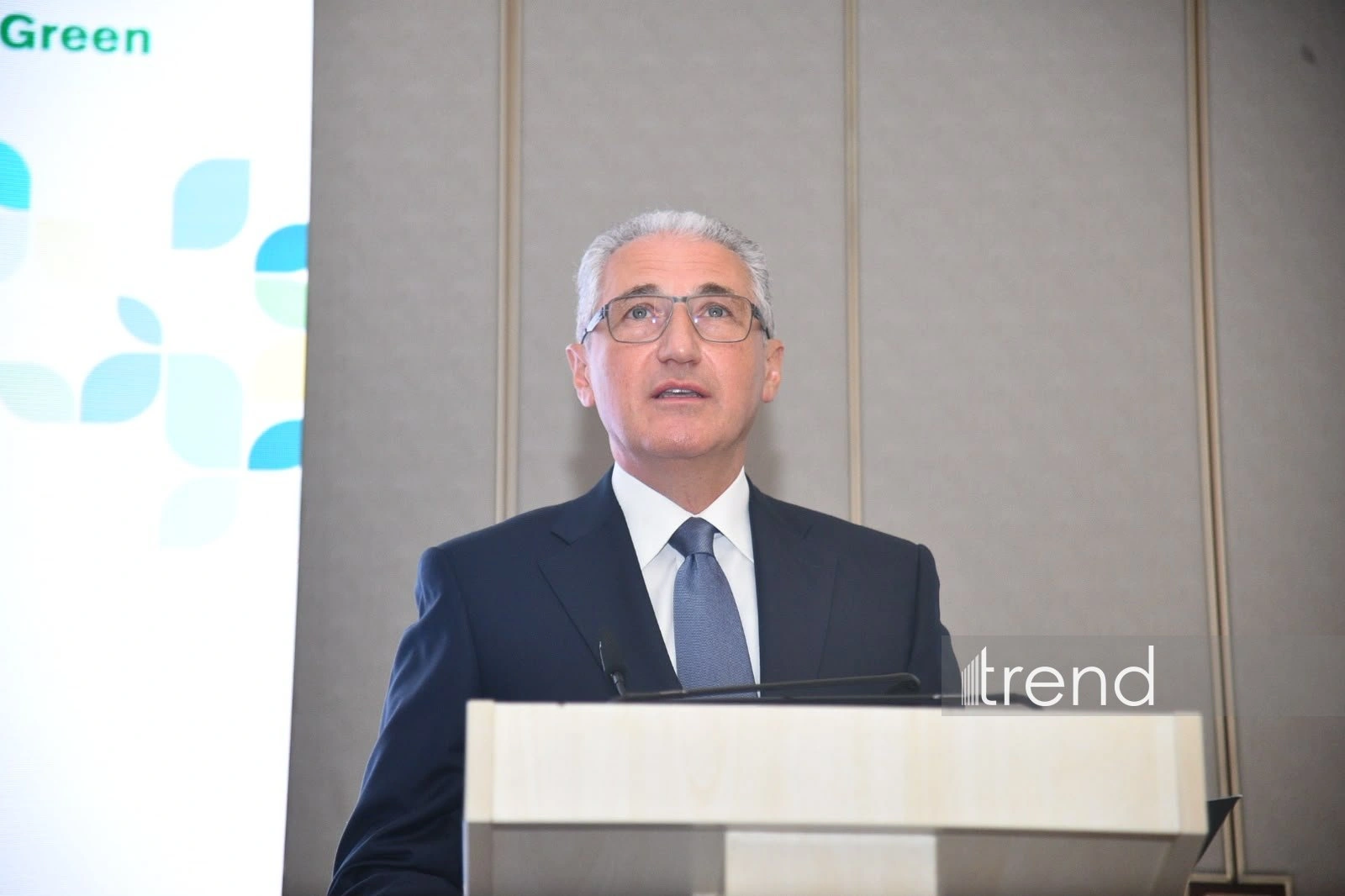
new dividing line, COP29 President and Representative of the
President of Azerbaijan on Climate Issues Mukhtar Babayev said,
Trend's correspondent
reports from the event.
He made the remarks during the panel discussion titled “From
Baku to COP31: Sustaining Momentum in a Fragmented World” held as
part of the Fourth Climate Week of the UN Framework Convention on
Climate Change (CW4) in Baku.
He noted that Azerbaijan’s experience in Baku demonstrated how
difficult achieving consensus can be. “Countries came to COP29 with
very different priorities and expectations, but nevertheless they
remained at the negotiating table.
This culture of mutual dialogue is of critical importance. As we
move towards COP31, we must preserve it. We must also have a clear
position on the alternatives. If international climate cooperation
weakens, climate change will not slow down because of this. We will
simply face stronger impacts with weaker tools for managing them,”
Babayev said.
He stressed that recent climate-related disasters around the
world have once again demonstrated the growing human and economic
costs of extreme events.
Babayev added that this is one of the reasons why Baku Climate
Action Week is important. “This platform gives us an opportunity to
address difficult questions between negotiations, maintain dialogue
and bring international commitments closer to implementation,” he
said.
The COP29 President also highlighted the importance of
strengthening cooperation on climate issues and ensuring that
shared resources become drivers of stability and prosperity rather
than sources of tension.
The Fourth Climate Week of the UN Framework Convention on
Climate Change (CW4) is being held in Baku until September 11,
hosted by Azerbaijan and organized by the Ministry of Foreign
Affairs of Azerbaijan.
Baku, which has become an important international platform for
the climate agenda, is hosting discussions on the practical
implementation of climate decisions, expansion of international
cooperation and strengthening global climate action ahead of
COP31.
Representatives of governments, international organizations,
experts, financial institutions, the private sector and civil
society from various countries are expected to participate in the
events.
Baku Climate Week serves as an international platform for
discussions on climate change, energy transition, renewable energy,
sustainable development and accelerating climate action.
The events are expected to further strengthen Baku’s active role
in the global climate agenda and contribute to enhancing
international climate cooperation ahead of COP31.