BAKU, Azerbaijan, September 3. Uzbekistan's
industrial production reached 795.4 trillion soums (about $67.3
billion) in January-July 2026, with industrial output increasing
7.9% from the same period a year earlier.
This was reflected in the statement by the National Statistics
Committee of Uzbekistan.
Manufacturing remained the dominant component of Uzbekistan's
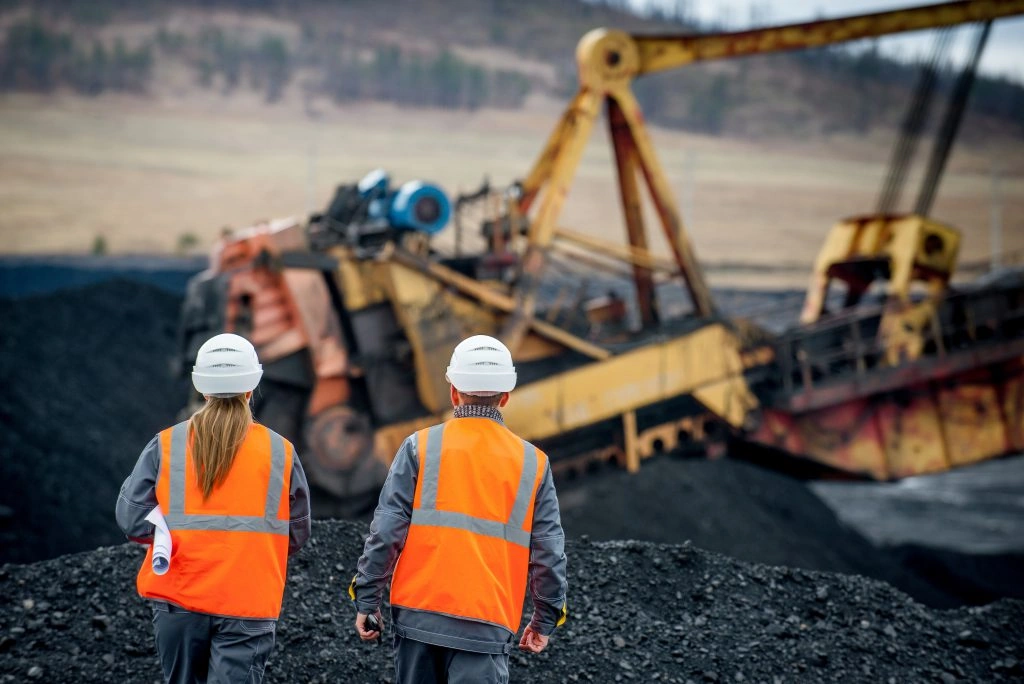
industrial sector, accounting for 86.8% of total output. Mining and
quarrying represented 6.3%, electricity, gas, steam and air
conditioning supply accounted for 6.4%, while water supply,
sewerage, waste collection and disposal made up the remaining
0.5%.
The manufacturing sector was the main driver of industrial
expansion, with output increasing 9% year on year. Electricity,
gas, steam and air conditioning production rose 8.1%, while water
supply, sewerage and waste management increased 8.4%.
Trend's
calculations show that manufacturing generated approximately 690
trillion soums (around $38.4 billion) of industrial output during
the seven-month period, based on its 86.8% share of total
production. Electricity and gas-related activities accounted for
about 51 trillion soums, while mining and quarrying contributed
roughly 50 trillion soums (approx. $4.2 billion).
Within manufacturing, the strongest increases were recorded in
the production of machinery and equipment not elsewhere classified,
which rose 1.5 times, and leather and related products, which
increased 1.4 times compared with January-July 2025.
At the same time, several manufacturing segments recorded
declines. Production of tobacco products fell to 89.9% of the level
recorded a year earlier, while output from enterprises engaged in
the repair and installation of machinery and equipment declined to
81.6% of the January-July 2025 level.
In Trend's assessment, the composition of industrial growth
points to a continued shift toward higher-value manufacturing and
equipment production. The 50% increase in machinery and equipment
output is particularly significant because it suggests that
industrial expansion is not being driven solely by traditional
resource-based sectors.
Trend's analysis also shows that manufacturing's 86.8% share of
industrial production gives changes in this sector an outsized
influence on overall industrial performance. The 9% increase in
manufacturing therefore provides the main foundation for the
country's 7.9% overall industrial growth, while the simultaneous
expansion of utilities and waste-management activities indicates
broader industrial and infrastructure demand.
The decline in tobacco production and machinery repair and
installation, however, shows that industrial growth remains uneven
across subsectors. The contrasting performance suggests that
investment and production capacity are increasingly concentrated in
selected manufacturing activities, particularly machinery and
equipment and other industries with expanding demand.
Overall, Uzbekistan's industrial sector maintained solid growth
in the first seven months of 2026, with output approaching 800
trillion soums (about $67.7 billion). The dominance of
manufacturing and its faster-than-average expansion, combined with
rapid growth in machinery production, points to continued
industrial diversification, although weaker performance in some
subsectors remains a factor to watch.