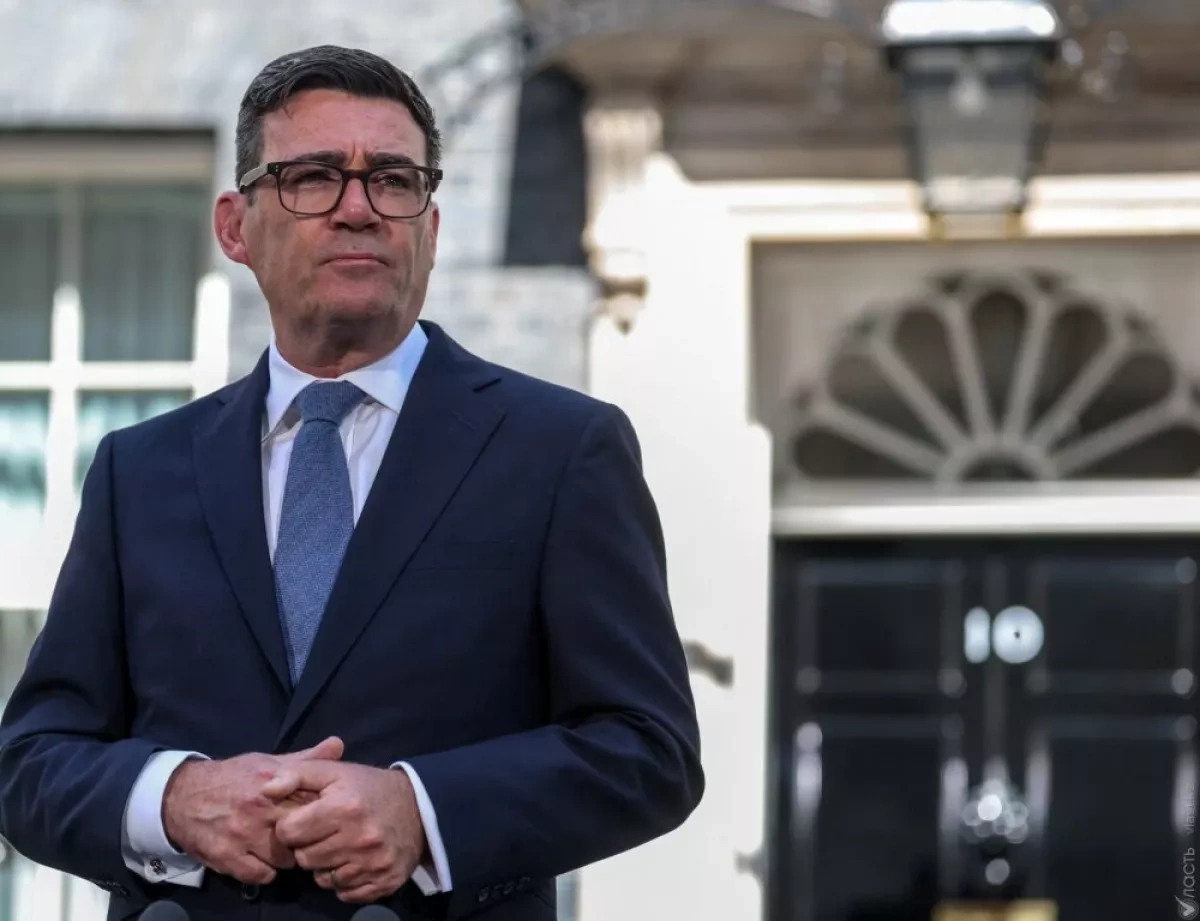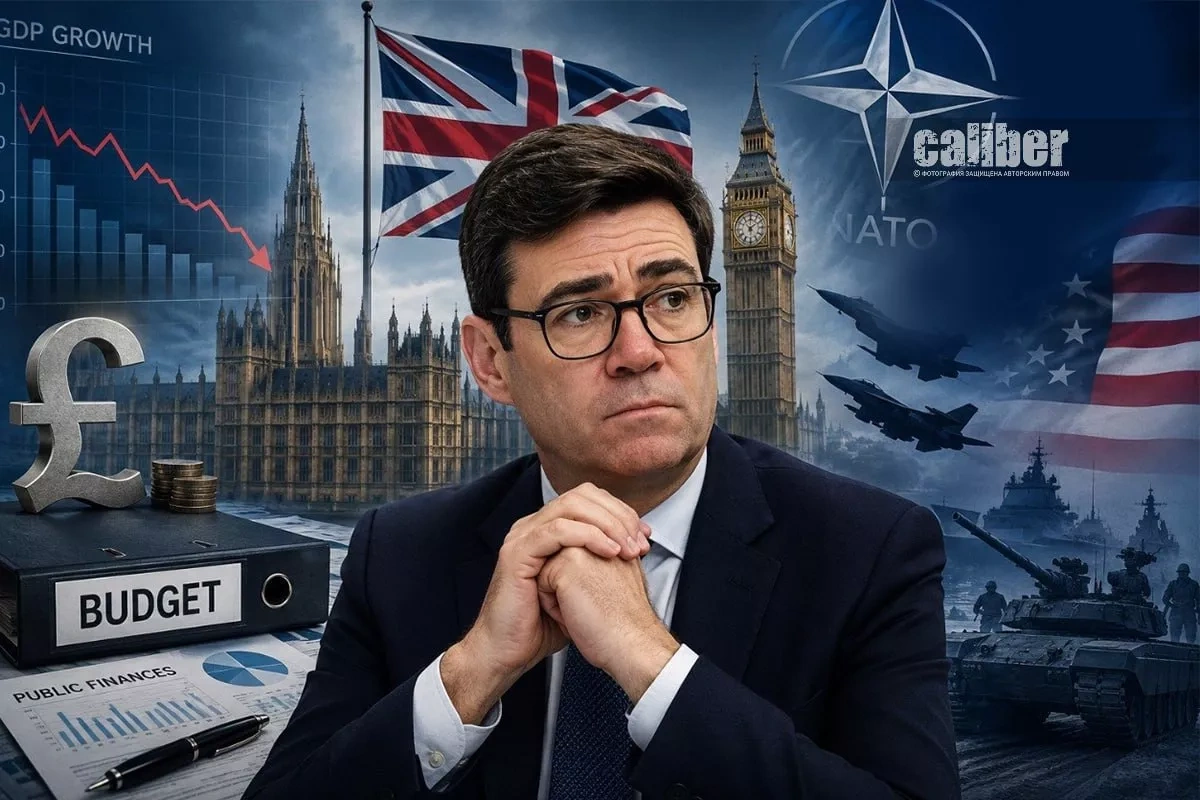
Britain’s new Prime Minister, Andy Burnham, has begun reshaping the country’s economic strategy, as reflected in his decision not to push ahead with increasing defence spending to 3% of GDP by 2030, despite NATO’s current targets.
Instead, the British prime minister has proposed what he considers a more realistic timetable — raising defence expenditure to 3.5% of GDP by 2035, rather than meeting the earlier deadline. Burnham argues that budget resources should be allocated more rationally, insisting that the government must invest in paying for success rather than “paying for failure.” He identified social care, job creation, and tackling youth unemployment as the main priorities for public investment.
This approach is largely driven by the current state of the UK economy. According to experts, the country is experiencing a period of weak and uneven growth while facing persistent inflationary pressures and the aftereffects of the global energy shock triggered by the conflict in the Middle East.
Against this backdrop, the government is seeking to maintain strict control over public finances, avoiding both a sharp increase in the tax burden and a widening budget deficit to fund higher defence spending without a clear understanding of how it would be financed.
This position was effectively confirmed by UK Defence Secretary Wes Streeting, who told Sky News: “Let's say, for argument's sake, I just said, 'Yes, we will by 2030 meet 3%.' The inevitable next question is, 'How will you fund it?' And the trap that I've seen so many previous, particularly Conservative, governments fall into is setting out what they would spend or the taxes they would cut without, at the same time, saying how they would pay for it. And I'm sorry, but that
It is worth noting that Streeting’s reference to “the trap that I've seen so many previous, particularly Conservative, governments fall into” is far from rhetorical exaggeration. Disputes over the pace of defence spending increases have repeatedly triggered divisions within government and led to the resignation of senior officials.
Over the years, several prominent politicians have argued in favour of faster growth in military spending, including former Defence Secretary Grant Shapps, former Foreign and Home Secretary James Cleverly, former Security Minister and combat veteran Tom Tugendhat, and, more recently, John Healey, who resigned as Defence Secretary on June 11, 2026, in protest over what he described as insufficient funding for the armed forces.
However, the Burnham government's decision should not be viewed solely through the prism of Britain's domestic economic challenges. It must also be assessed in a broader geopolitical context, particularly through the lens of UK–US relations, which under Keir Starmer oscillated repeatedly between periods of close alignment and growing friction.
For many years, Washington has pressed its European allies to shoulder a greater share of the burden for their own security. Donald Trump's return to the White House has given this policy renewed momentum, making it one of the central pillars of the new US national security strategy. Under the updated US strategic framework, allies are expected to raise their combined defence and security spending to 5% of GDP by 2035.
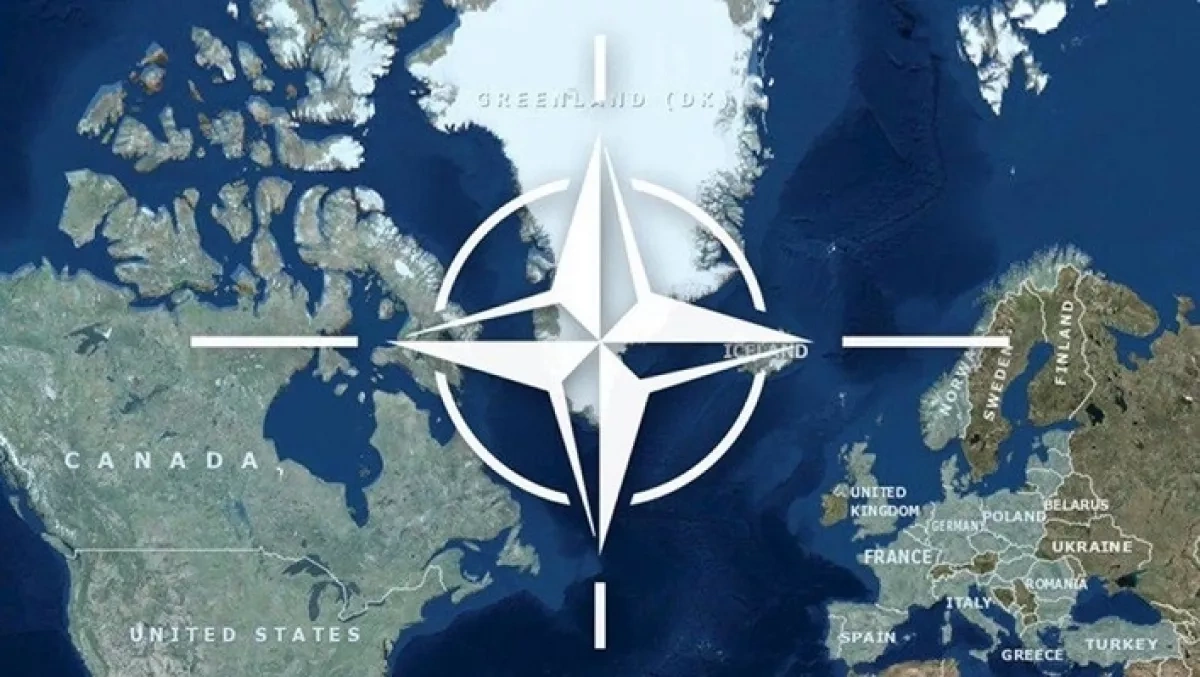
It was this benchmark that was formally adopted as NATO’s long-term target at the Hague Summit. Against this backdrop, the United Kingdom’s inability to guarantee even a 3% of GDP defence spending level by 2030 could create political risks for London. In practical terms, Britain risks finding itself among the allies that are moving towards NATO’s new spending targets far more slowly than Washington expects.
For the United States, however, the issue carries much broader strategic significance. The American approach envisions a gradual redistribution of responsibilities within the Alliance, enabling the United States to concentrate its primary military and financial resources on strategic competition with China in the Indo-Pacific.
As a result, if one of Washington’s principal allies is unable to accelerate its defence spending, the implementation of this broader strategy will inevitably be slowed. Moreover, London’s decision could provide Washington with an additional argument for intensifying pressure on other European countries—particularly Germany and France, the EU’s two largest economies—to increase their military spending, expand purchases of US-made defence equipment, and offset any future reduction in the American military presence in Europe.
As a result, the British government's decision not to accelerate defence spending to 3% of GDP by 2030 is highly likely to generate dissatisfaction within the White House and become the subject of difficult discussions between the two allies. Even so, it is unlikely to trigger a serious crisis in bilateral relations. The United Kingdom and the United States remain bound by a special relationship built on decades of military and political cooperation, close intelligence ties, joint nuclear deterrence programmes, and major strategic initiatives, including the AUKUS nuclear-powered submarine programme.
In this context, the Burnham government's decision is unlikely to cause a significant deterioration in UK–US relations. It could, however, erode Washington's confidence in London to some extent while weakening the United Kingdom's standing as one of NATO's leading members.