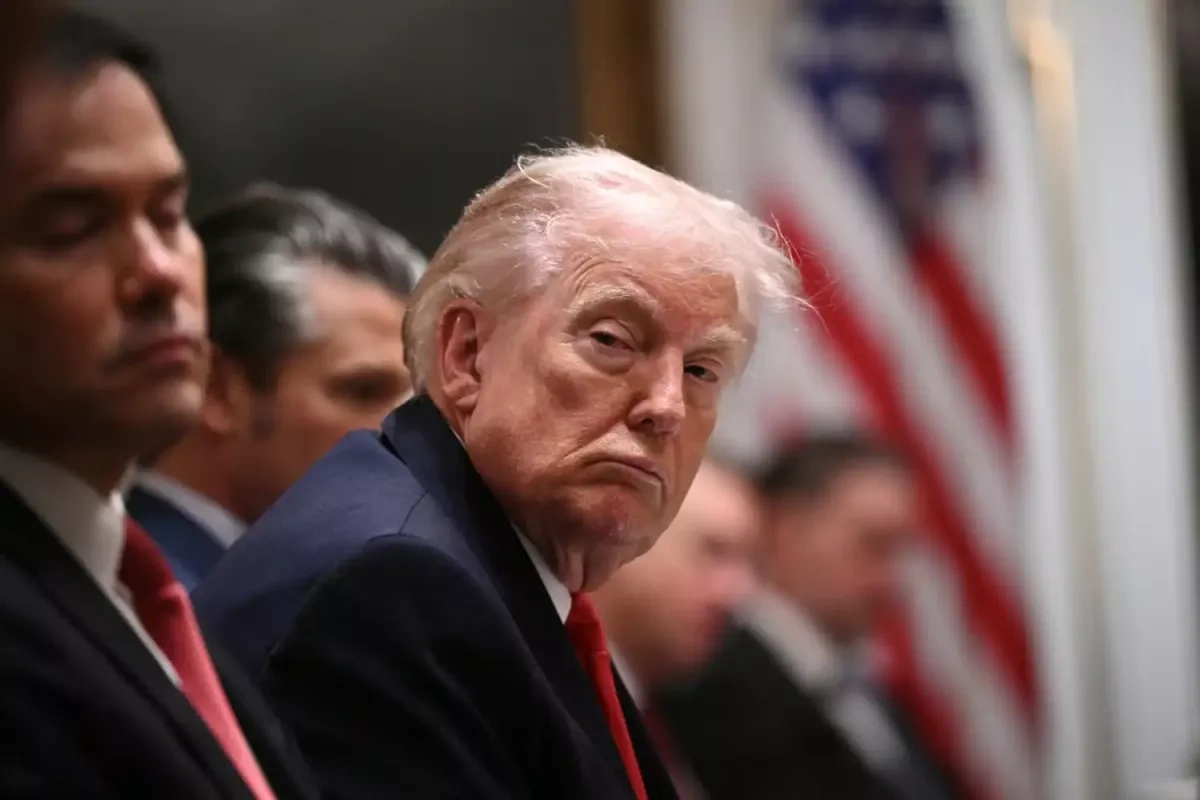
US President Donald Trump has suspended planned military strikes on Iran, claiming that the “parameters of a deal” have been agreed and that diplomacy could avert further escalation. However, neither Tehran nor regional mediators have confirmed that such an agreement exists, leaving the prospects for a breakthrough uncertain, Al Jazeera reports.
According to Trump, the proposed deal would require Iran to immediately reopen the Strait of Hormuz and abandon its nuclear programme. He said both the United States and Israel were prepared to halt further attacks if an agreement could be reached quickly. The White House has not provided details on the framework or identified any formal mediators.
Iran swiftly rejected Trump's assertion that it had asked Washington to cancel the strikes, calling the claim false. Iranian officials stressed that the country's armed forces remain on high alert and warned they would respond decisively to any future military action.
Tehran has also given no indication that it is prepared to reverse its position on control of the Strait of Hormuz, a key point in Trump's proposal.
Diplomatic efforts appear to be continuing behind the scenes. Reports suggest Saudi Crown Prince Mohammed bin Salman urged Trump to avoid launching new attacks, while Pakistan, Qatar and other regional states are seeking to revive US-Iran negotiations. Mediators reportedly believe talks could resume in the coming days, although no formal timetable has been announced.
Military considerations may also have influenced Washington's decision. US officials have reportedly expressed concern over declining stocks of Patriot missile interceptors after months of conflict, raising questions about America's ability to sustain prolonged operations while maintaining readiness for other global contingencies.
Despite Trump's optimism, major obstacles remain. Iran continues to insist that any future arrangements for the Strait of Hormuz must differ from the pre-war status quo, while Washington demands unrestricted navigation through the strategic waterway.
Analysts say that without a clear and mutually accepted agreement on maritime security and de-escalation, the latest pause is likely to be temporary rather than a lasting settlement.
For now, the suspension of strikes has reduced the immediate risk of a wider regional conflict, but the absence of a confirmed agreement suggests that tensions between Washington and Tehran remain far from resolved.
By Aghakazim Guliyev