BAKU, Azerbaijan, August 3. Relations between
Azerbaijan and Central Asian countries are gaining broader
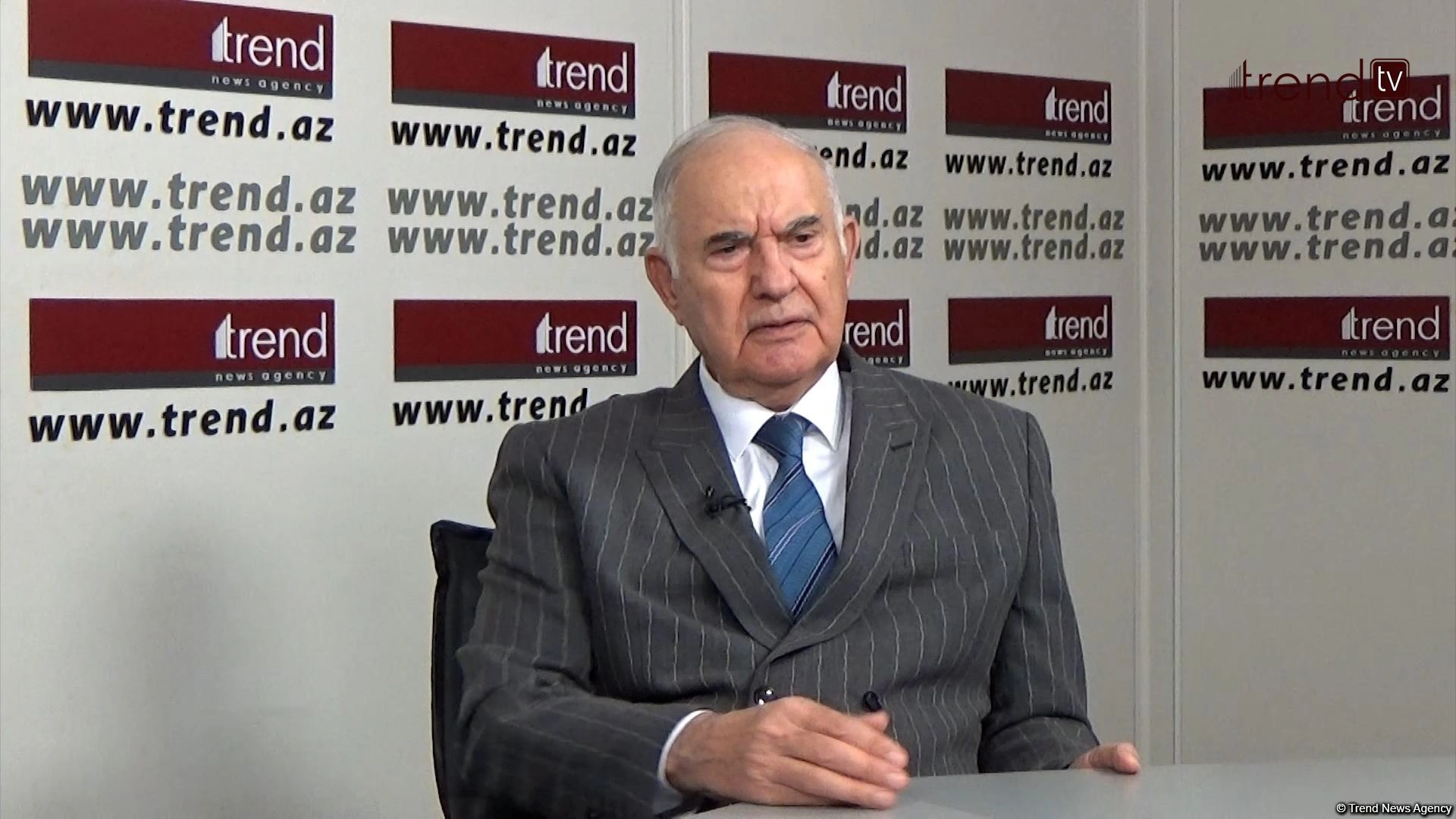
geopolitical and geoeconomic content, political analyst Azer
Garayev told Trend.
According to him, the informal meeting of the heads of state of
Azerbaijan and Central Asia, held in Cholpon-Ata, was another
confirmation of the new model of cooperation being formed in the
region. In recent years, the strengthening of mutual political
trust, the expansion of economic ties, and the acceleration of
transport and logistics projects show that relations between
Azerbaijan and the countries of Central Asia are already going
beyond the traditional framework of bilateral cooperation and
gaining a broader geopolitical and geoeconomic content.
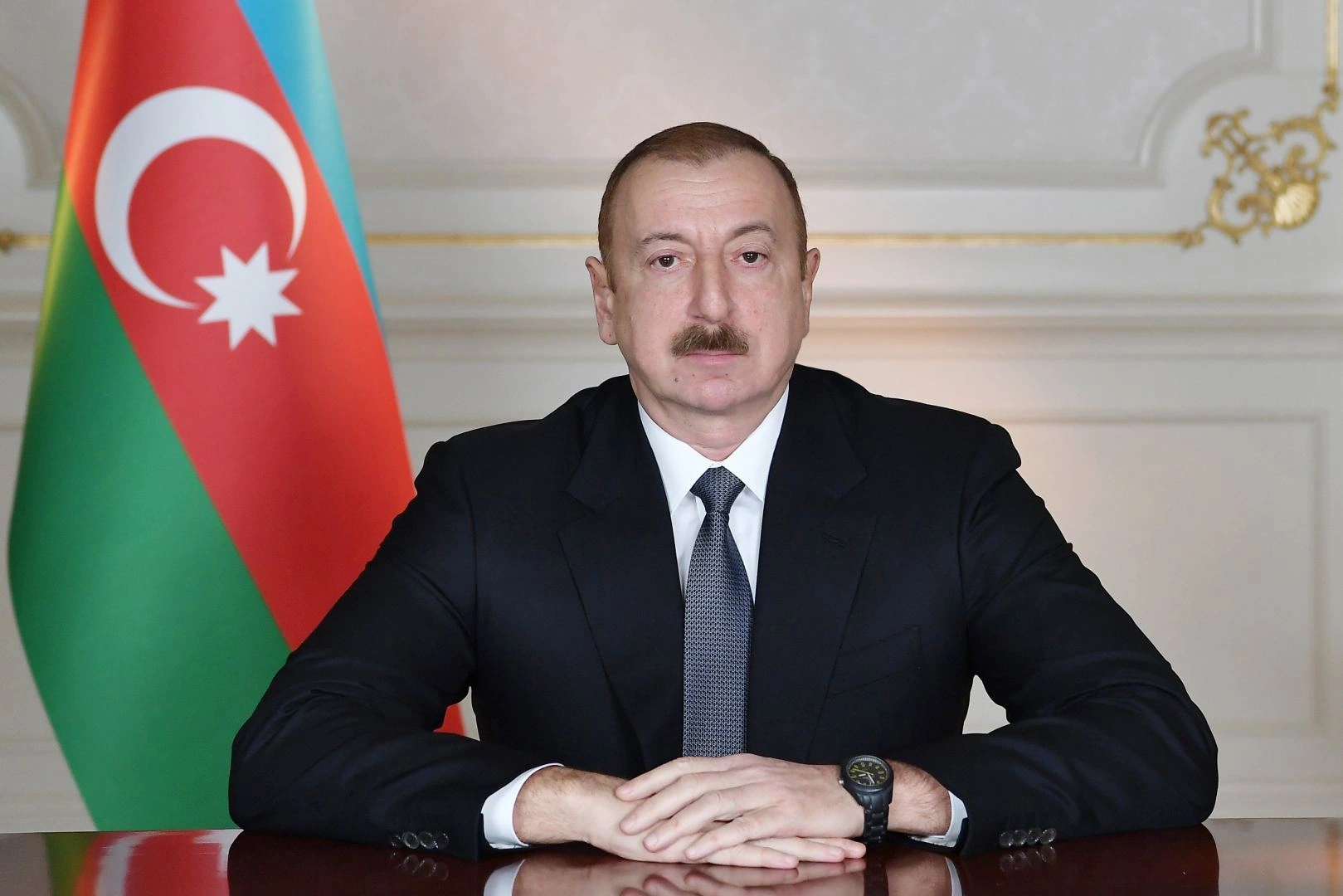
"The ideas voiced by President Ilham Aliyev in his speech in
Cholpon-Ata reflect this reality: "Relations with the countries of
Central Asia are among the key priorities of Azerbaijan's foreign
policy." This approach isn't accidental. Over the past few years,
Azerbaijan has significantly expanded relations with Kazakhstan,
Uzbekistan, Kyrgyzstan, Turkmenistan, and Tajikistan in all
directions. The intensity of mutual state visits, as well as the
activity of intergovernmental commissions, economic forums, and
business platforms indicate that cooperation has taken on a
systematic character.
The statistics mentioned by President Ilham Aliyev also clearly
demonstrate this. According to him, since the beginning of 2023,
the head of state of Azerbaijan has made a total of 16 visits to
the countries of Central Asia, and the leaders of the countries of
the region have visited Azerbaijan 26 times. In modern diplomacy,
such dynamics are considered an indicator not only of political
dialogue, but also of specific economic projects and long-term
partnership," Garayev said.
According to him, one of the main factors bringing Azerbaijan
and the countries of Central Asia closer is cooperation in the
field of transport and logistics.
"In recent years, the Trans-Caspian International Transport
Route - the Middle Corridor has come to the fore as one of the most
promising cargo transportation routes between Europe and Asia. For
the effective operation of this route, Azerbaijan has expanded
modern shipping capabilities in the Caspian Sea, increased the
capabilities of the Baku International Sea Trade Port, and provided
access to Europe via the Baku-Tbilisi-Kars railway. Meanwhile, the
Central Asian countries are implementing large-scale projects aimed
at increasing cargo flows and modernizing port and railway
infrastructure. As a result, the countries of the region are
becoming not only transit partners, but also participants in a
single logistics space," the analyst noted.
Garayev pointed out that one of the important areas of
cooperation is the investment and industrial sectors. Azerbaijan is
already a participant in specific projects in a number of Central
Asian countries.
"One of the points highlighted by President Ilham Aliyev in
Cholpon-Ata was the expansion of the activities of the
Azerbaijan-Kyrgyzstan Development Fund. The head of state said that
one of the signed documents envisages increasing the fund's
resources from $100 million to $200 million. This decision
indicates that investment cooperation between the two countries has
entered a new stage. Various production and business projects are
already being financed through the fund, and new enterprises are
starting to operate. This model creates additional opportunities
for the implementation of joint investment initiatives in other
areas in the future," he said.
The analyst emphasized that the tourism projects implemented by
Azerbaijan in Kyrgyzstan are also one of the practical results of
economic cooperation.
"The five-star Baku hotel built by Azerbaijan on the shores of
Issyk-Kul is a vivid example of this. This project can be assessed
not only as an investment, but also as an important step serving
the development of business and tourism relations between the
countries. One of the ideas that attracted special attention in
President Ilham Aliyev's speech was this: "Today, Central Asia and
Azerbaijan have already turned into a single geopolitical and
geoeconomic region." In fact, this idea expresses the logical
result of the processes taking place in recent years. Energy,
transport, digital connections, trade, industrial cooperation, and
investment projects increasingly unite the interests of the
countries of the region. At a time when global trade routes are
changing, and the demand for alternative logistics lines is
increasing, Azerbaijan and the Central Asian states are building
their mutual activities in accordance with these new realities.
This cooperation not only brings economic dividends, but also
boosts the international importance of the region," Garayev
said.
According to him, the full participation of Azerbaijan in the
consultative format of the heads of state of Central Asia is also
an important event that indicates that cooperation has entered a
qualitatively new stage.
"This status ensures Baku's direct participation in
decision-making regarding the future development of the region and
demonstrates that the partnership has a long-term character. The
declaration signed in Cholpon-Ata is also of particular importance
as a political document determining the future directions of
cooperation. There are wide opportunities for the implementation of
new projects in the fields of transport, trade, industry, green
energy, digital technologies, and investment in the coming
period.
All this shows that relations between Azerbaijan and the
countries of Central Asia no longer consist of separate projects.
The emerging strategic partnership model accelerates the economic
integration of the region, contributes to the creation of a new
architecture of cooperation in the Eurasian space, and opens up
long-term development opportunities for the parties," the analyst
added.