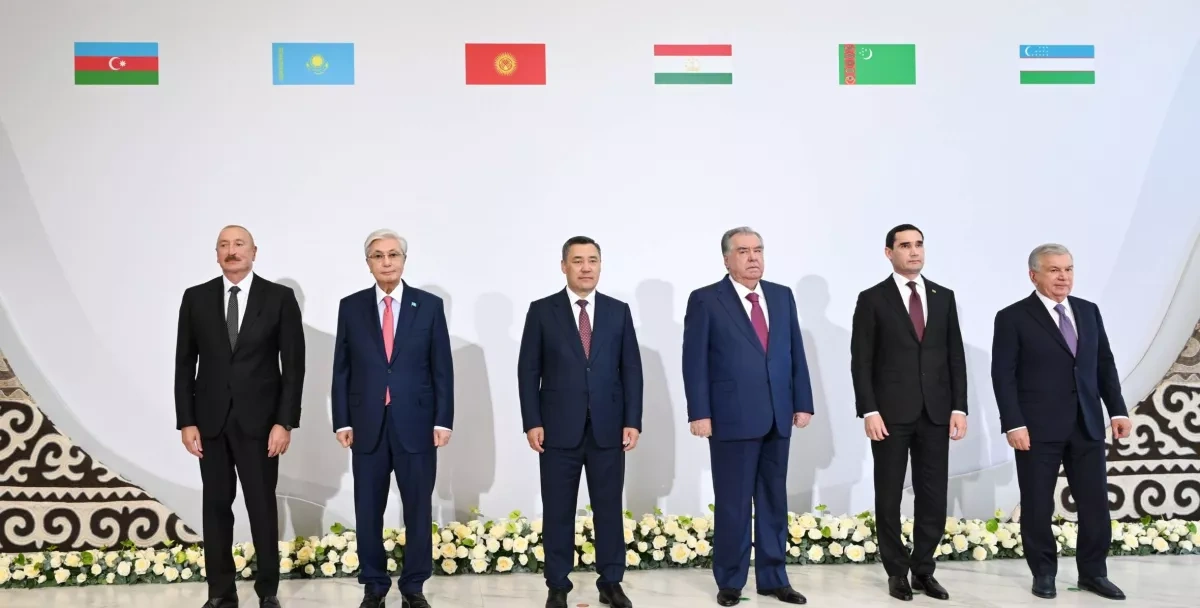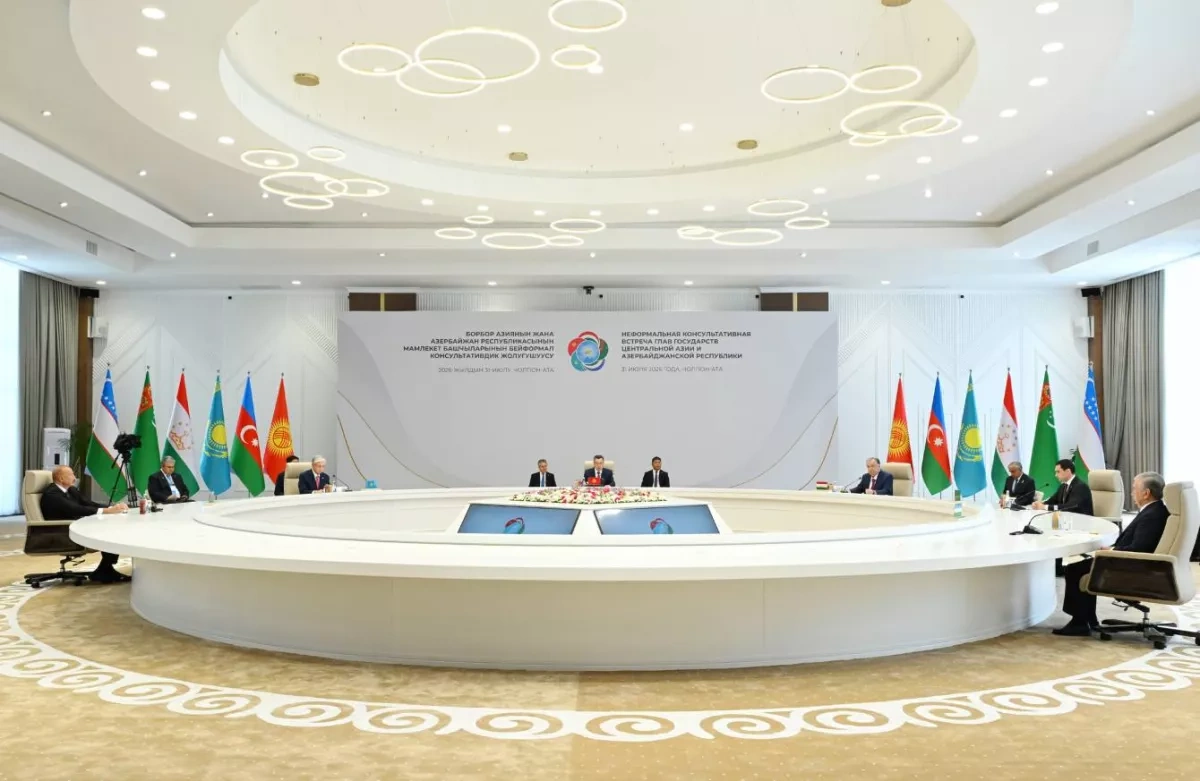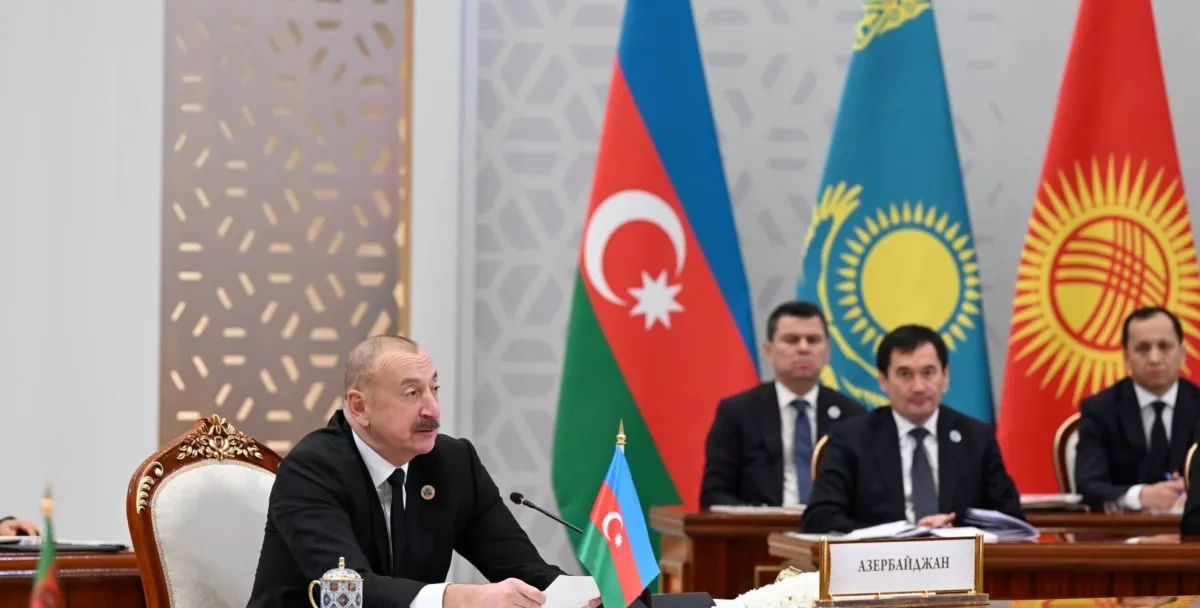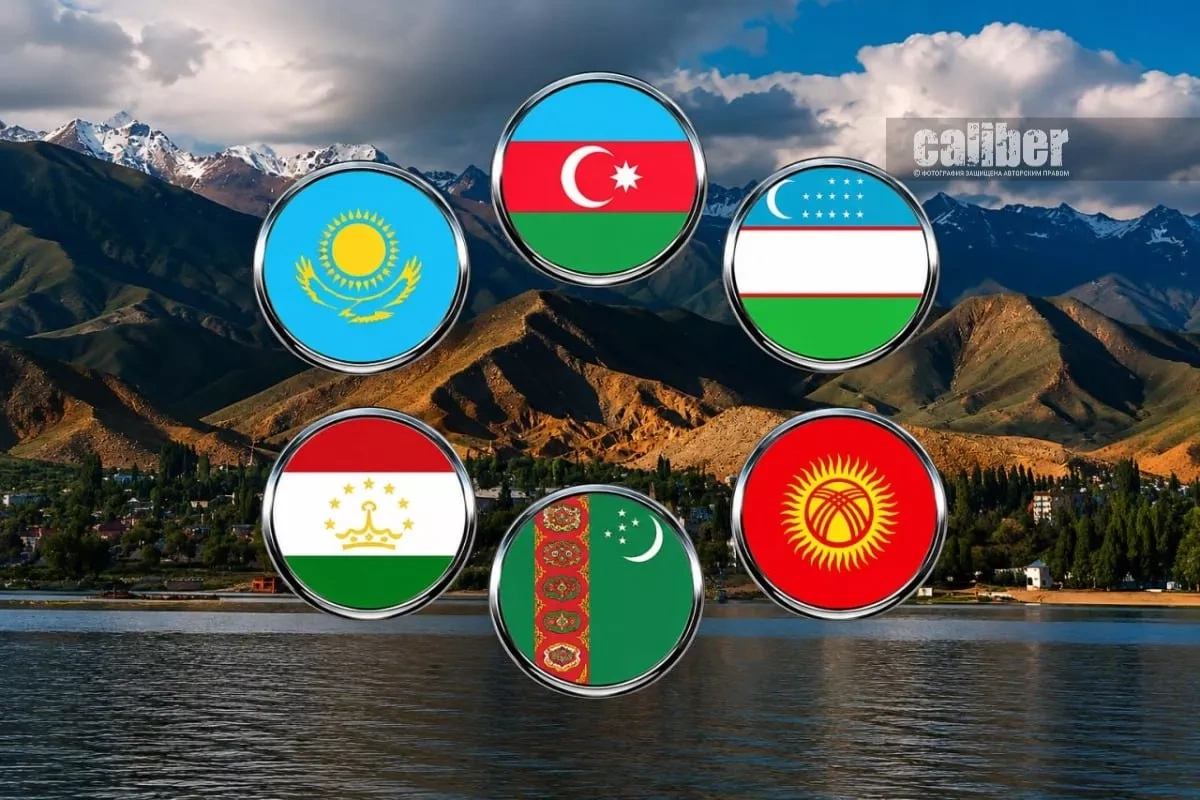
During his state visit to Kyrgyzstan, President of Azerbaijan Ilham Aliyev took part in the Informal Consultative Meeting of the Heads of State of Central Asian countries, held in the city of Cholpon-Ata.
Whereas in previous years he had attended these meetings as an honorary guest, this time he participated for the first time as a full-fledged member of the format. Expressing his gratitude to the leaders of the Central Asian states for their historic 2025 decision to admit Azerbaijan as a full participant in the group, President Ilham Aliyev reaffirmed that Baku would spare no effort to further strengthen cooperation and bring the countries and their peoples even closer together.
In his address to the Informal Consultative Meeting of the Heads of State of Central Asia and Azerbaijan, President Ilham Aliyev described Azerbaijan's relations with the Central Asian countries as one of the key priorities of Baku's foreign policy. He also stressed that Central Asia and Azerbaijan have now effectively become "a single geopolitical and geoeconomic space."
Overall, the success of the Central Asia–Azerbaijan format, which has effectively evolved into the institutionalised C6 framework, can be attributed to its consistency, continuity, predictability, and transparency. These qualities clearly distinguish the grouping from other regional initiatives, particularly given that the participating countries are united by shared cultural, spiritual, and historical roots.
Moreover, against the backdrop of the geopolitical turbulence currently reshaping the world—affecting political, economic, and socio-cultural spheres alike—the C6 format has emerged as a new model of regional cooperation. It demonstrates that regionalisation can serve as a viable alternative to the fragmentation that has increasingly come to characterise the international system. This, in turn, represents one of the defining geopolitical trends of our time.
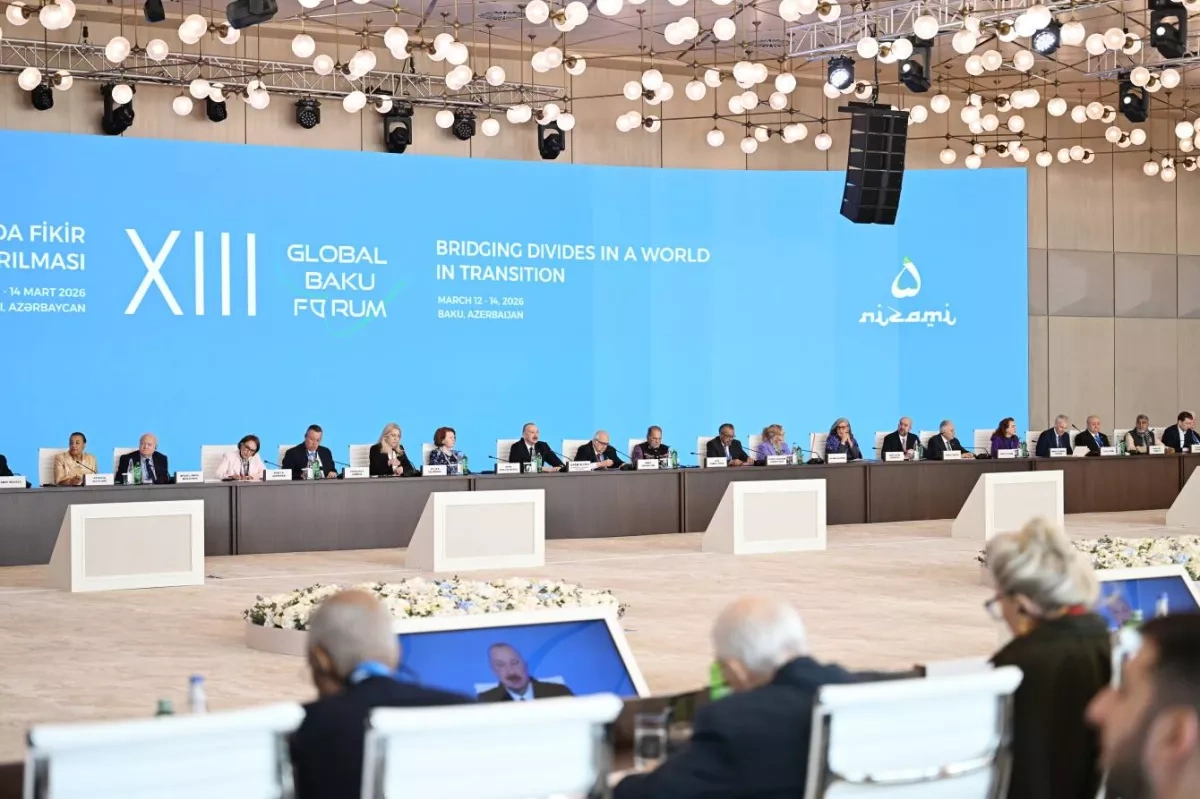
This brings to mind the 13th Global Baku Forum held in March, where participants examined the implications of the ongoing transformation of the international order, focusing on the growing fragmentation across multiple domains—including military power, economic coercion, energy dependence, technological capabilities, control over information, and strategic supply routes.
In this context, the C6 format is emerging as a platform capable of shaping a new regional agenda based on the principles of peace, stability, and security—at the very least across the shared geopolitical space of Central Asia and Azerbaijan.
As President Ilham Aliyev noted at the 7th Consultative Meeting of the Heads of State of Central Asia, relations between Azerbaijan and the countries of Central Asia possess a unique character because "we are bound together by centuries-old history, spiritual and cultural heritage, brotherhood, friendship, and solidarity."
Having preserved these historic bonds, the participants in the format have succeeded in giving them fresh momentum. Although Azerbaijan is geographically located in the South Caucasus, its active engagement with Central Asia has transformed the participating countries into what President Aliyev described as "a single geopolitical and geo-economic region, whose importance in the world is steadily growing." This expanding regional space serves as a vital bridge connecting East and West, as well as North and South.
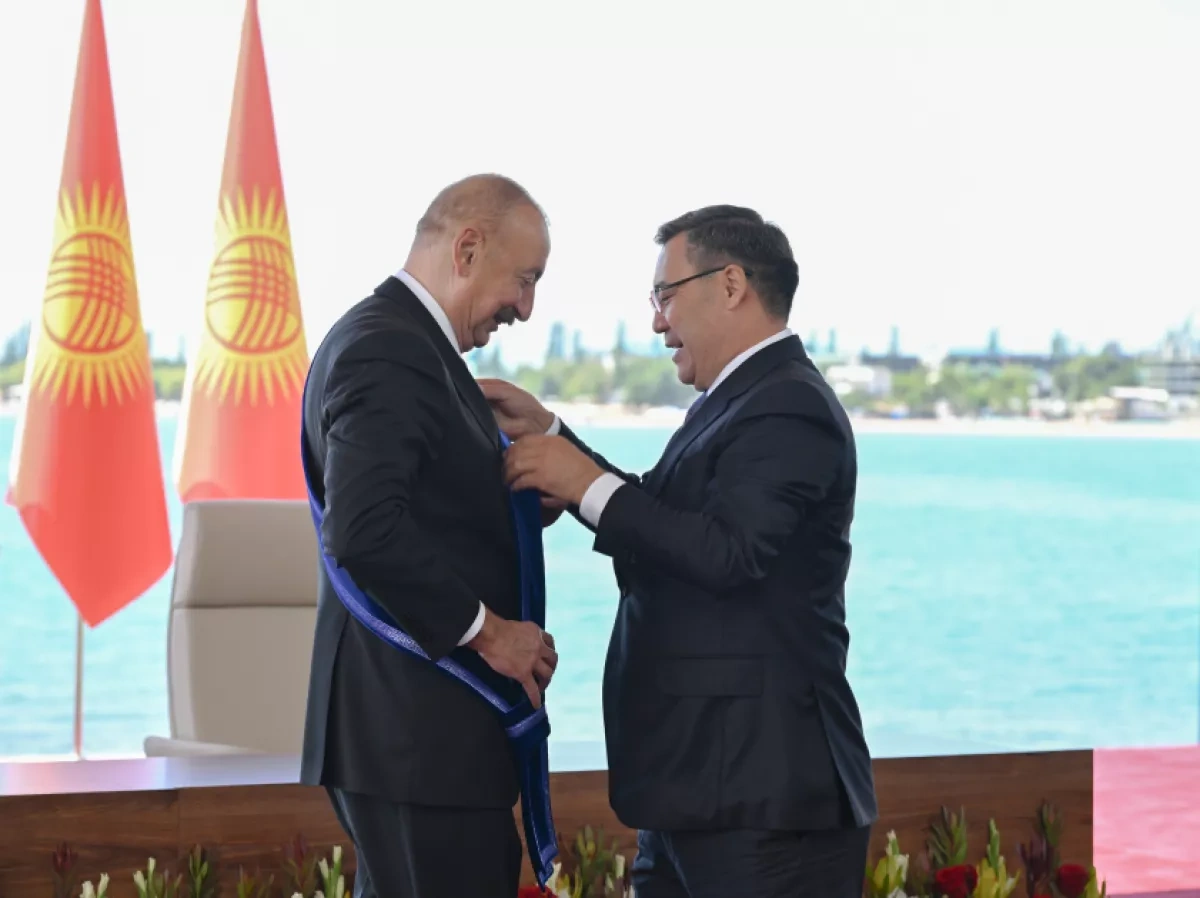
Presenting President Ilham Aliyev with the First Class Manas Order on the eve of the summit, Kyrgyz President Sadyr Japarov stressed that Azerbaijan's participation in the Consultative Meetings opens up new opportunities for expanding cooperation in trade, the economy, transport, and energy. He also praised the Azerbaijani leader for consistently using his international standing to promote lasting peace, strengthen regional stability, and foster a new atmosphere of cooperation across the region.
The Cholpon-Ata Declaration, adopted at the conclusion of the meeting, reaffirmed the importance of regional cooperation aligned with the fundamental interests of the peoples of this shared geopolitical space. It clearly reflects the commitment of the C6 countries to working together in pursuit of economic development, security, and social well-being. In this regard, regionalisation serves as a mechanism for preserving political stability while enabling a coordinated response to emerging geopolitical challenges.
Against this backdrop, transport and logistics connectivity has assumed particular importance, especially through the development of the Middle Corridor. Equally significant is cooperation in the energy sector, notably the expansion of green energy, where Azerbaijan's initiatives in renewable energy are playing an increasingly prominent role, complementing the substantial potential of the Central Asian states. Alongside these efforts, cooperation is advancing in such strategic fields as digitalisation, artificial intelligence, and space technologies, while cultural and humanitarian ties continue to deepen.
To advance these priorities, the declaration places particular emphasis on security as the essential foundation for sustainable development and long-term cooperation.
As President Ilham Aliyev pointed out in late 2025, ensuring the security of the extensive transport network linking Europe and Asia is of paramount importance. By investing heavily in modern railway, road, air, and port infrastructure, Baku views these routes not only as a driver of economic prosperity but also as a vital instrument for further integrating the countries of Central Asia and Azerbaijan.
At the same time, the close cooperation among the participating states is also shaped by the need to counter external attempts at interference and destabilisation aimed at obstructing the implementation of major regional projects.
Commenting on the Cholpon-Ata Declaration, Kyrgyz President Sadyr Japarov stated that the document reflects the high level of trust between the Central Asian states and Azerbaijan, their shared commitment to the principles of peace, good neighbourliness, and sustainable development, as well as their determination to further expand regional cooperation.
For his part, Kazakh President Kassym-Jomart Tokayev described Azerbaijan's accession as a full-fledged participant in the Consultative Meetings as marking "a new stage in the positive evolution of this format." He stressed that joint efforts are creating the conditions for deeper political dialogue, expanded cooperation in investment, energy, and industry, as well as the development of an integrated transport and logistics system.
Meanwhile, Uzbek President Shavkat Mirziyoyev underscored the importance of "continuing to build a resilient architecture of regional cooperation, one that should rest on effective institutions, close coordination among sectoral agencies, direct interregional ties, and long-term joint programmes in key areas of development."
Taken together, the informal meeting of the leaders of the Central Asian states and Azerbaijan in Cholpon-Ata clearly demonstrated the growing significance of regionalisation in the broader global context. It provided further evidence of the advantages of broad-based regional cooperation, offering a compelling contrast to the fragmentation that has increasingly come to define today's international landscape.
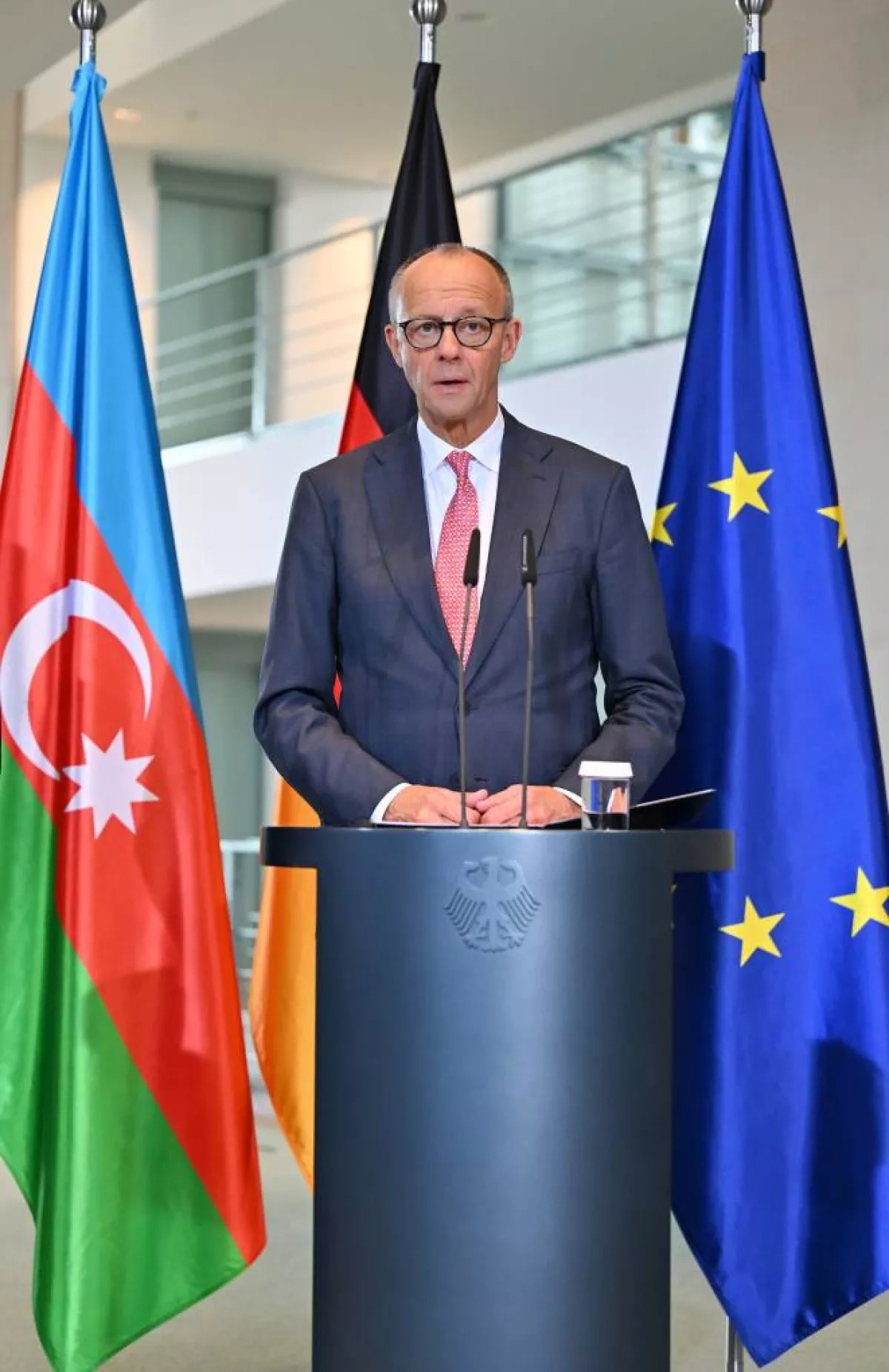
It is no coincidence that this point was also highlighted by German Chancellor Friedrich Merz at the end of July this year. He noted that, having become a full-fledged participant in the Central Asian Consultative Meetings, Azerbaijan serves as a bridge between Central Asia and Europe, adding that this role will continue to grow over time.
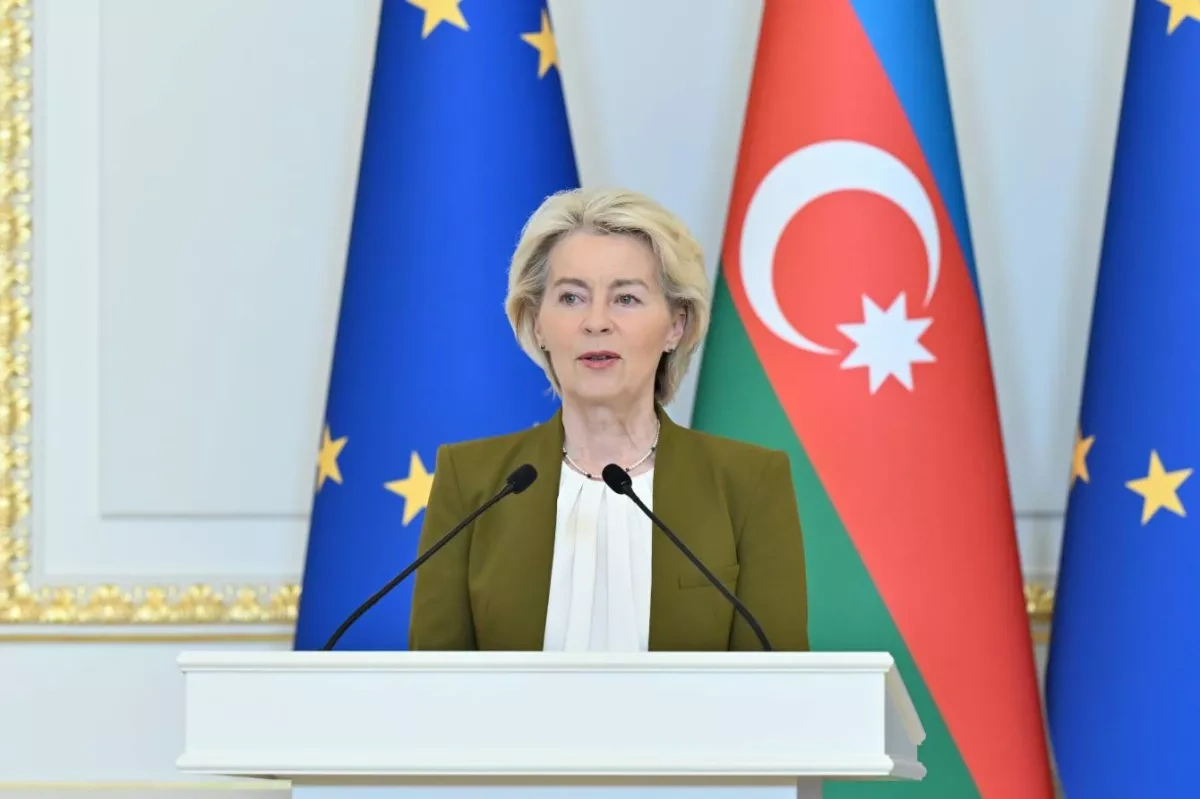
Earlier last month, European Commission President Ursula von der Leyen likewise described the South Caucasus as one of the world's most important transport hubs, linking Europe, the Caspian region, and Central Asia, whose strategic importance continues to increase. She stressed that "Azerbaijan has a central role to play" in this process. According to von der Leyen, Azerbaijan has successfully combined its strategic geographical location with its growing economic, political, and regional influence.
Today, the prospects for the emergence of a unified geopolitical and geoeconomic space encompassing Central Asia and Azerbaijan are increasingly evident well beyond the region itself. Through a consistent and carefully calibrated foreign policy, official Baku continues to strengthen this architecture of cooperation, gradually assembling a new geopolitical mosaic.