The latest statements surrounding the potential transfer of licenses to Ukraine for the production of interceptor missiles for Patriot air defence systems have once again highlighted one of the key problems of modern Ukrainian politics — the growing gap between public rhetoric and reality. This disconnect is becoming increasingly evident both inside the country and beyond its borders, creating a clear impression that society and international partners are often presented not with an objective picture, but rather with a desired one.
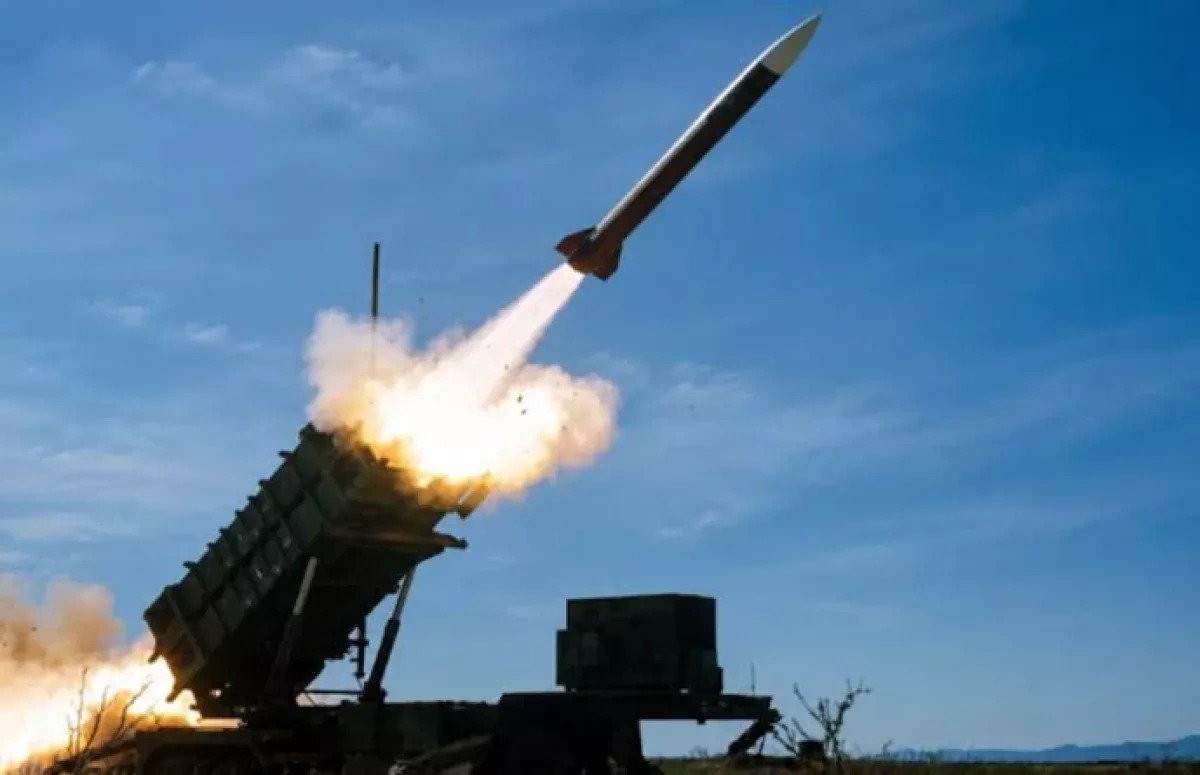
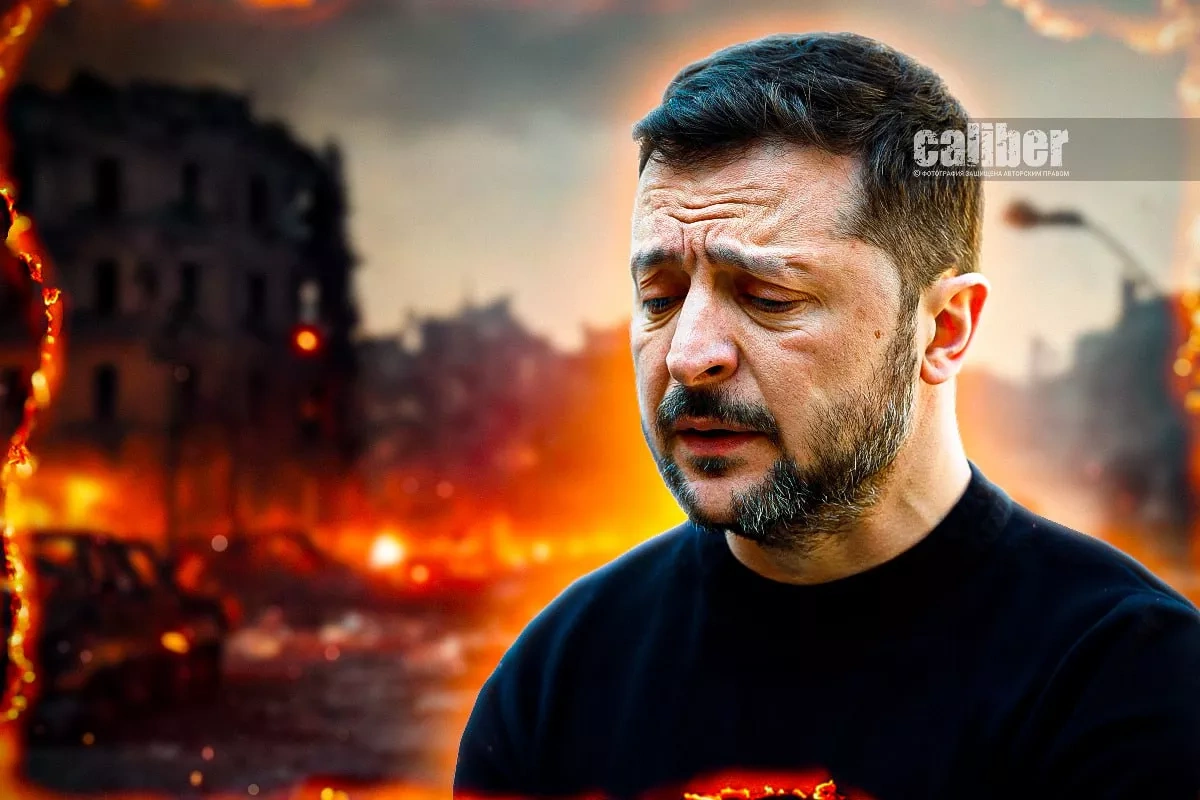
The story of the licenses began with relatively optimistic signals. Following a meeting with US President Donald Trump, Ukrainian President Volodymyr Zelenskyy said that they had held “good talks” during which the possibility of localising the production of Patriot interceptors was discussed. Moreover, earlier, the head of the White House himself publicly raised the possibility of such a move, stating that the United States could provide the Ukrainian side with a license so that it could produce them on its own.
However, shortly afterwards, the rhetoric changed. In an interview with the Financial Times, Trump stressed that no decision had been made and that the issue was still under consideration. Moreover, he specifically noted that the United States rarely transfers such technologies in principle, as they concern “extraordinary” weapons.
In practical terms, this means that the initial statements about the transfer of licenses were, to put it mildly, premature. Here, it is important to understand a broader systemic concept: the US military-industrial complex is structured in such a way that even the president cannot simply decide to hand over technologies. The production of Patriot components involves private companies, and any transfer of licenses requires their approval, compliance with export control regulations, and the completion of complex bureaucratic procedures. In other words, a political statement is still far from being a decision.
Against this backdrop, a report by Die Welt journalist Christoph Wanner is particularly revealing. According to his information, Boeing is not prepared to provide licenses for key elements such as guidance systems. If this position is confirmed, it would effectively close the door on the possibility of local production in the foreseeable future, since without access to critical technologies the entire concept loses its practical value.
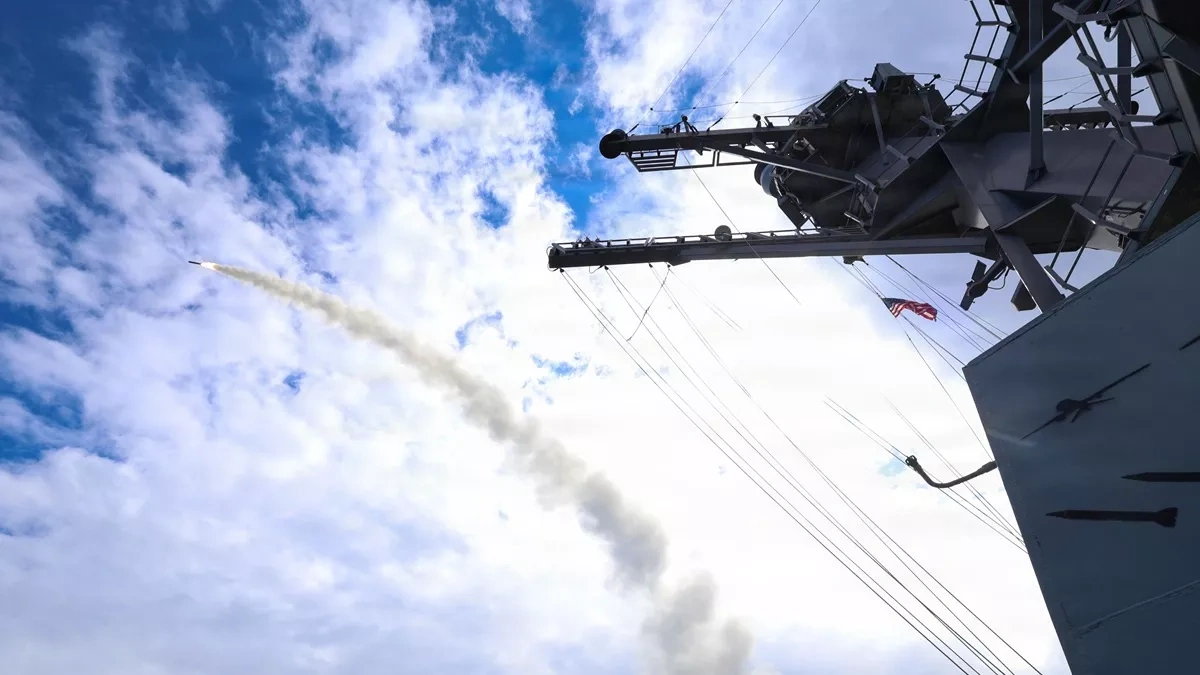
However, the problem is not limited to Patriot alone. A similar situation had previously emerged regarding Tomahawk missiles. The Ukrainian side did raise the issue of obtaining them, and Zelenskyy himself later confirmed that such discussions had taken place. At the same time, he described the information as “confidential,” which in itself appears contradictory given the public nature of statements made by the head of the Ukrainian state.
What matters far more is that in the United States, such a request was initially viewed as virtually impossible to implement, and the reasons for this are obvious. Tomahawk missiles require a specific infrastructure, primarily naval or submarine-based platforms. Ukraine does not possess such capabilities.
In theory, adaptations are possible, of course, but in practice this would be a complex and lengthy process with little in common with rapid deliveries. Nevertheless, the issue was widely discussed in the public sphere, creating the impression among some audiences that it represented a realistic prospect. As a result, a familiar pattern emerges: first, a high-profile statement is made, then clarifications follow, and eventually it turns out that the discussion was about a hypothetical scenario rather than an actual plan.
A similar problem can be seen in the issue of Ukraine’s military losses. Over the past year and a half, Volodymyr Zelenskyy has cited different figures: around 46,000 killed (February 2025), then 55,000 (February 2026), and later 50,000 (July 2026). Formally, this can be explained by updated data, difficulties in accounting, and the fact that hostilities are ongoing. Nevertheless, a logical question arises: if 46,000 deaths were reported in February 2025 and roughly 50,000 a year and a half later, does this mean that losses over such a long period amounted to only 4,000 people? Given the intensity of the fighting, this appears, to put it mildly, unlikely.
Moreover, on February 5 this year, in an interview with France 2, Zelenskyy stated: “In Ukraine, officially the number of soldiers killed on the battlefield – either professionals or those conscripted – is 55,000.” This raises an obvious question: does it mean that over the past six months it was discovered that the number of Ukrainian military personnel killed has actually decreased?
A different matter is that many of those killed may be classified as “missing in action,” which, among other things, could help avoid enormous financial obligations related to compensation payments to their families and relatives.
Against this backdrop, the reaction of some Ukrainian public figures is particularly noteworthy. In particular, former Verkhovna Rada MP Boryslav Bereza cited Israel as an example, arguing that the state there maintains an extremely precise record of casualties and treats every figure as representing a specific human life. His argument is that vague formulations such as “around 50,000” may be perceived as diminishing the significance of the difference between thousands of individual lives. It is difficult to dispute that when figures change and statements are revised, society naturally begins to ask questions.
Overall, all of this forms a broader picture with several recurring elements: inflated expectations, high-profile statements, subsequent clarifications, and a gradual return to a more restrained reality. This applies to weapons supplies, international support, and domestic statistics alike.
The reasons behind such an approach may vary. On the one hand, it reflects an effort to demonstrate to Ukraine’s partners the highest level of determination and a sense of future prospects. On the other hand, it may be linked to the political style of Zelenskyy himself, shaped during his earlier career as an actor and showman, when the priority was often to appeal to the audience and receive applause.
However, this strategy also has a downside. When expectations are not met, disappointment follows; when statements diverge from reality, trust is undermined — not only within the country but also among allies, for whom predictability and accuracy of information are of critical importance.
This issue becomes particularly sensitive against the backdrop of the approaching winter. Ukraine has already faced large-scale strikes against its energy infrastructure, and there is little reason to assume that this practice will stop. On the contrary, many experts believe that the pressure will only intensify.
In such a situation, society needs not so much an optimistic picture as a realistic one, because only an understanding of actual risks makes it possible to prepare for them. This raises a number of important questions: “Where is the line between political necessity and responsibility toward citizens?” and “Where does maintaining morale end and the creation of illusions begin?”
For now, the impression is that this line has become blurred. And the longer such uncertainty persists, the higher the likelihood that a confrontation with reality will prove painful.
At the same time, one should not overlook the fact that, ultimately, a state’s resilience in wartime is determined not only by weapons and the support of allies, but also by the level of public trust in the authorities — trust that is inherently built on accuracy, consistency, and honesty.