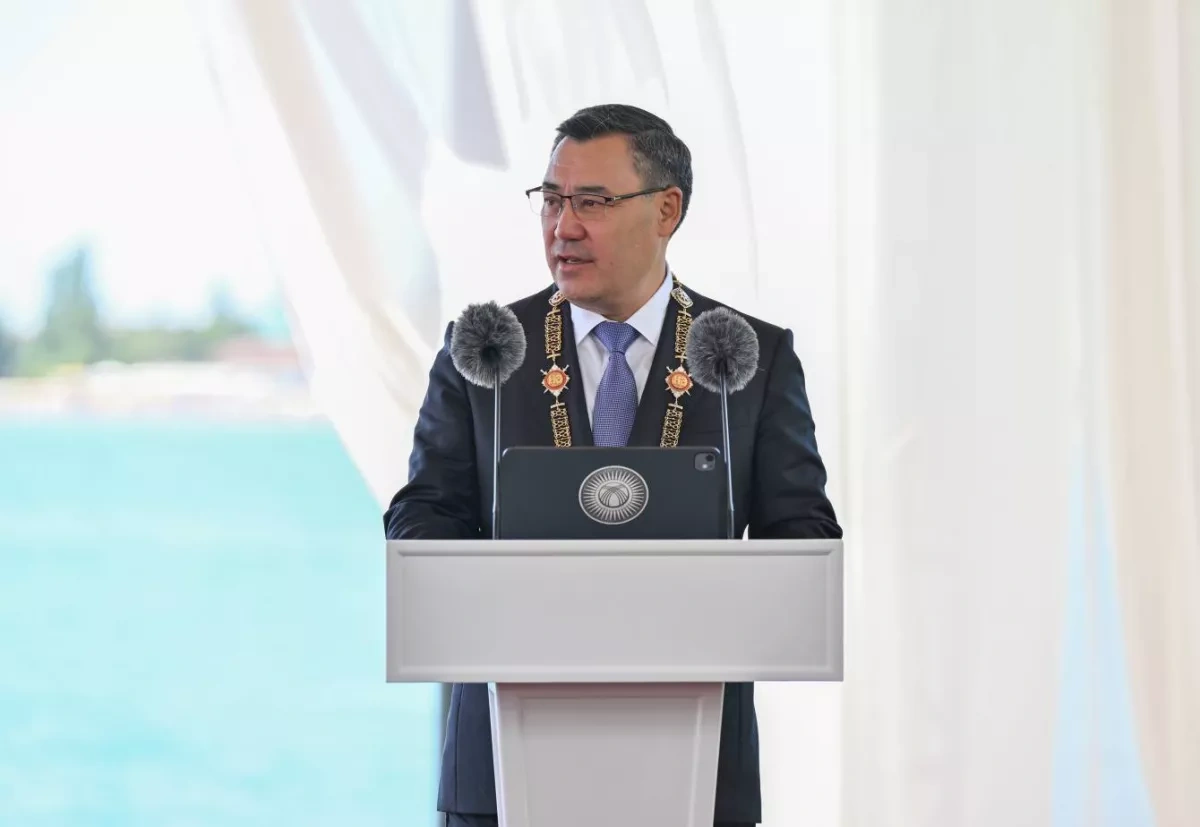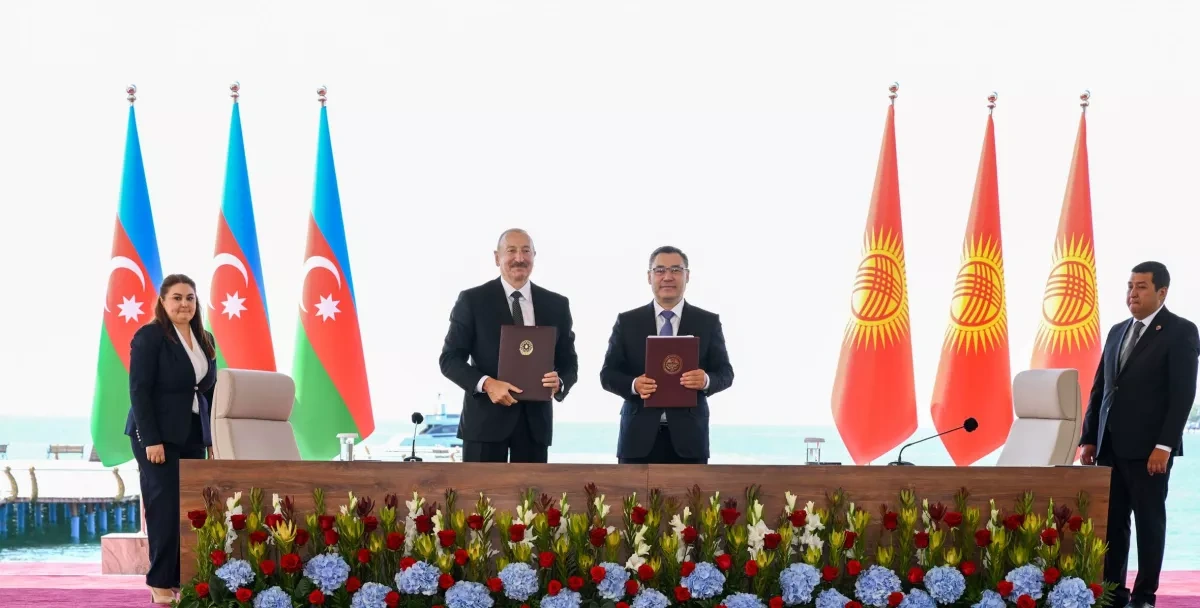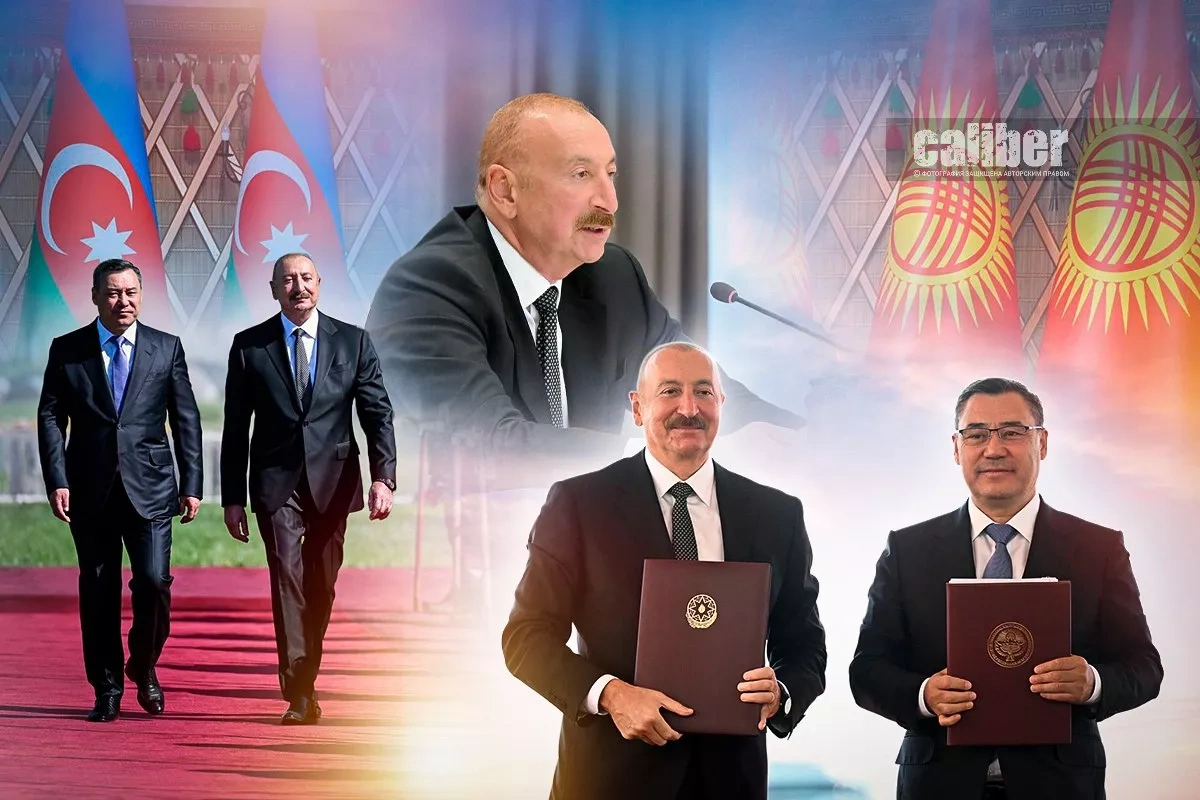
The state visit of Azerbaijani President Ilham Aliyev to Kyrgyzstan was marked by a key milestone — the signing of the “Treaty on Allied Relations between the Republic of Azerbaijan and the Kyrgyz Republic.”
This document elevates Azerbaijani-Kyrgyz relations to a qualitatively new level while also reflecting the strengthening of a special format of cooperation between Azerbaijan and the countries of Central Asia.
For Baku, this is already the third declaration on allied relations in the region, following similar agreements with Kazakhstan and Uzbekistan. At the same time, it complements the existing declarations on strategic partnership with Turkmenistan (2017) and Tajikistan (2024).
Undoubtedly, the signing of the Declaration between Bishkek and Baku demonstrates the steady development of Azerbaijani-Kyrgyz relations. During the first state visit of Azerbaijani President Ilham Aliyev to Kyrgyzstan in 2022, Kyrgyz President Sadyr Japarov, reaffirming his country’s unwavering commitment to expanding strategic partnership, placed particular emphasis on the cultural and humanitarian dimension of the visit.
This was reflected in the opening of two secondary schools in Bishkek — the Heydar Aliyev School and the Nizami Ganjavi School — as well as the Friendship Park of the two countries, which, according to the Kyrgyz president, became symbols of the enduring friendship between the fraternal peoples.
President Ilham Aliyev also highlighted this aspect, noting that the visit involved detailed discussions on a wide range of issues — from cultural and humanitarian cooperation, economic and transport interaction, to education and high technologies.
The cultural and humanitarian dimension of bilateral relations received further development in 2024, when, during President Sadyr Japarov’s state visit to Azerbaijan, a monument to the outstanding Kyrgyz writer Chinghiz Aitmatov was unveiled in Baku.
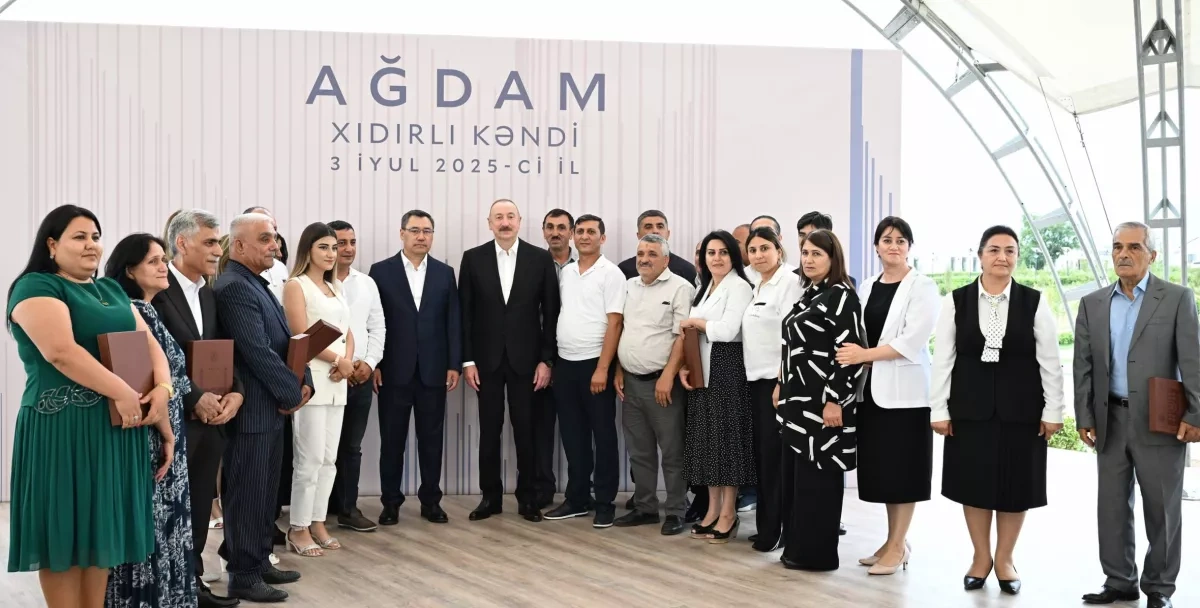
During the same visit, the leaders of the two countries laid the foundation stone for the Aikol Manas Secondary School in the village of Khidirli, located in Azerbaijan’s Aghdam district. The construction of the facility was funded by the Kyrgyz side at the initiative of Sadyr Japarov, and the school was officially opened in July 2025.
President Ilham Aliyev, in turn, underscored the importance of Central Asia, the Caspian region, and Azerbaijan in terms of energy resources, transport routes, and trade, highlighting their vast potential. At the same time, he placed particular emphasis on the need to strengthen cooperation with traditional partners among fraternal countries, attaching special importance to collaboration with Kyrgyzstan.
This is evidenced by a highly symbolic development: just a year later, at the 7th Consultative Meeting of the Heads of State of Central Asia, where Azerbaijan was admitted as a full participant, Sadyr Japarov described this step as an important factor in expanding the potential of regional cooperation and drew attention to the formation of a new regional transport system.
As he noted, the Zangezur Corridor project represents a logical continuation of the strategic China–Kyrgyzstan–Uzbekistan railway project and has the potential to become one of the key foundations for the redistribution of logistics flows.
Even this brief overview of selected aspects of Azerbaijani-Kyrgyz cooperation demonstrates the consistent and progressive nature of bilateral relations. A natural outcome of this process was the elevation of ties to the level of allied relations in July 2026, which President Japarov described as a “historic event,” while the Azerbaijani leader characterized it as “a very great responsibility.”
In this context, the sides once again placed particular emphasis on the development of transport corridors and the effective utilization of the two countries’ transit potential, highlighting Azerbaijan’s significant role as one of the key links of the Middle Corridor.
The documents previously signed between Bishkek and Baku were naturally complemented by new agreements. In particular, memorandums of cooperation were concluded in the areas of petroleum product supplies, freight transportation, shipping and shipbuilding, as well as a memorandum of understanding on cybersecurity. The sides also approved “road maps” for cooperation in the energy sector and the implementation of the Cooperation Programme for 2024–2029, signed an agreement on international road transport, and adopted a number of other documents.
In this regard, President Japarov expressed confidence that the current visit would provide new momentum for the further strengthening of fraternal relations between the two countries. He also noted the coordination of approaches on all key issues, which has brought political dialogue to the highest level.
During the third meeting of the Interstate Council of Azerbaijan and Kyrgyzstan, he emphasized that there are no unresolved issues between the two countries that could hinder the development of their strategic partnership. On the contrary, according to Sadyr Japarov, an atmosphere of complete trust and openness has been established, allowing the sides to move forward with confidence.
It is precisely in such an environment that important initiatives emerge, shaping the future of bilateral cooperation, which holds significant potential for further expansion in the areas of transport, energy, investment, security, education, and other fields.
President Ilham Aliyev also drew attention to the cultural and humanitarian dimension of bilateral relations, which clearly demonstrates “how close our peoples are, bound by common roots and united within a number of international organizations.”
According to him, “will continue to support each other in all endeavors: on international platforms, in the trade and economic sphere, and in strengthening security.” As the Azerbaijani leader noted, it was precisely this foundation that made it possible to elevate relations to the level of allied partnership, reflecting “both the nature and the spirit” of mutual understanding between the two countries.
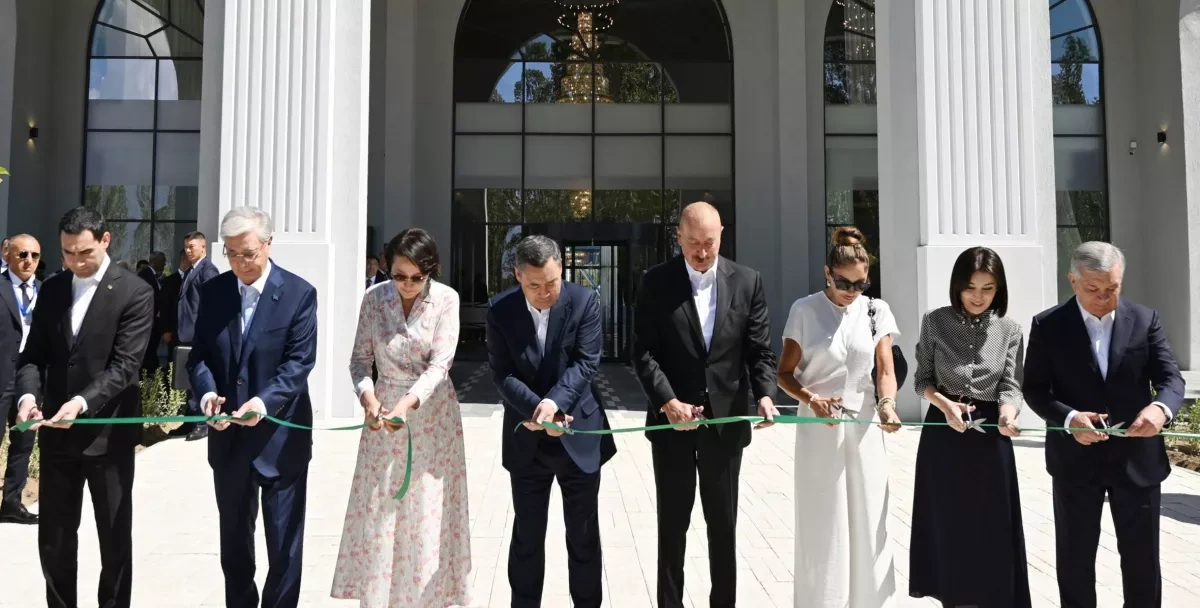
During President Ilham Aliyev’s visit, the opening of the five-star Baku Resort & Spa hotel on the shores of Lake Issyk-Kul was described by Sadyr Japarov as “another symbol of the strong friendship between our peoples.” In turn, President Ilham Aliyev expressed satisfaction that the first premium-category hotel on the shores of Issyk-Kul was built with Azerbaijani investment and bears the name “Baku.”
It should also be noted that, within the framework of the activities of the Azerbaijan-Kyrgyzstan Development Fund, three joint projects were launched, while the implementation of eight additional initiatives was initiated. In addition, the sides agreed to double the capital of the joint Azerbaijan-Kyrgyz Investment Fund to $200 million. At the same time, Shusha became a sister city of Cholpon-Ata, Gabala of Karakol, and Ganja of Osh.
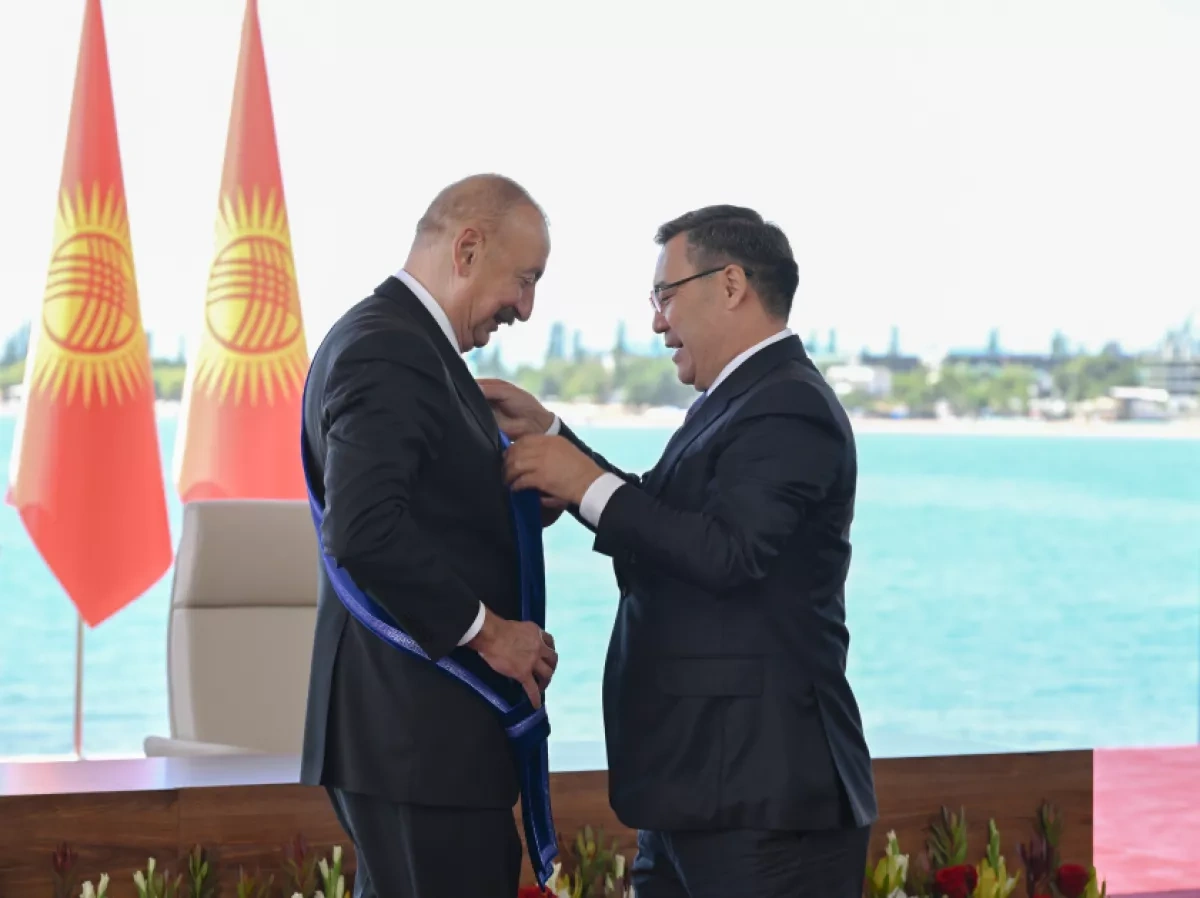
And, of course, an important milestone in the development of bilateral relations was the awarding of the Heydar Aliyev Order to Sadyr Japarov, which the Kyrgyz president described as a symbol of the strong ties between the two peoples and their shared commitment to strengthening strategic partnership and allied relations.
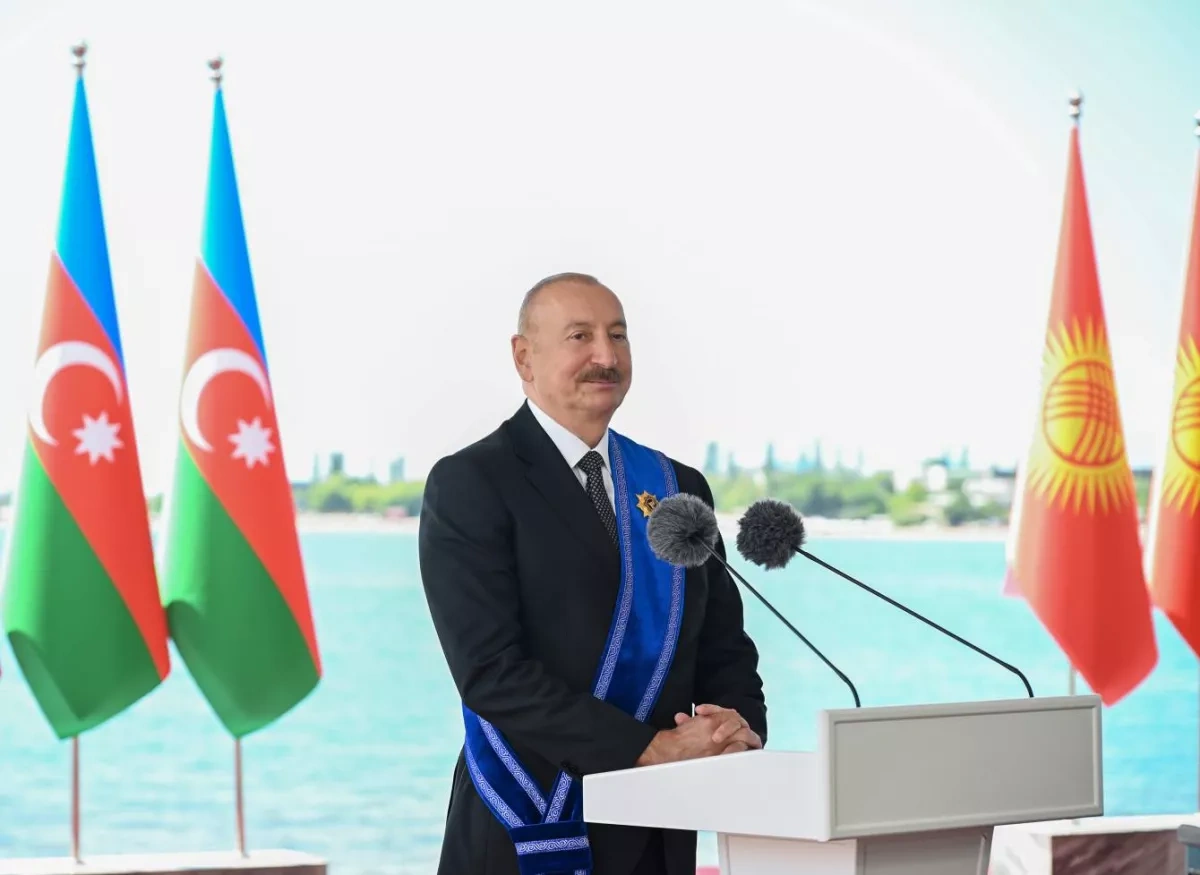
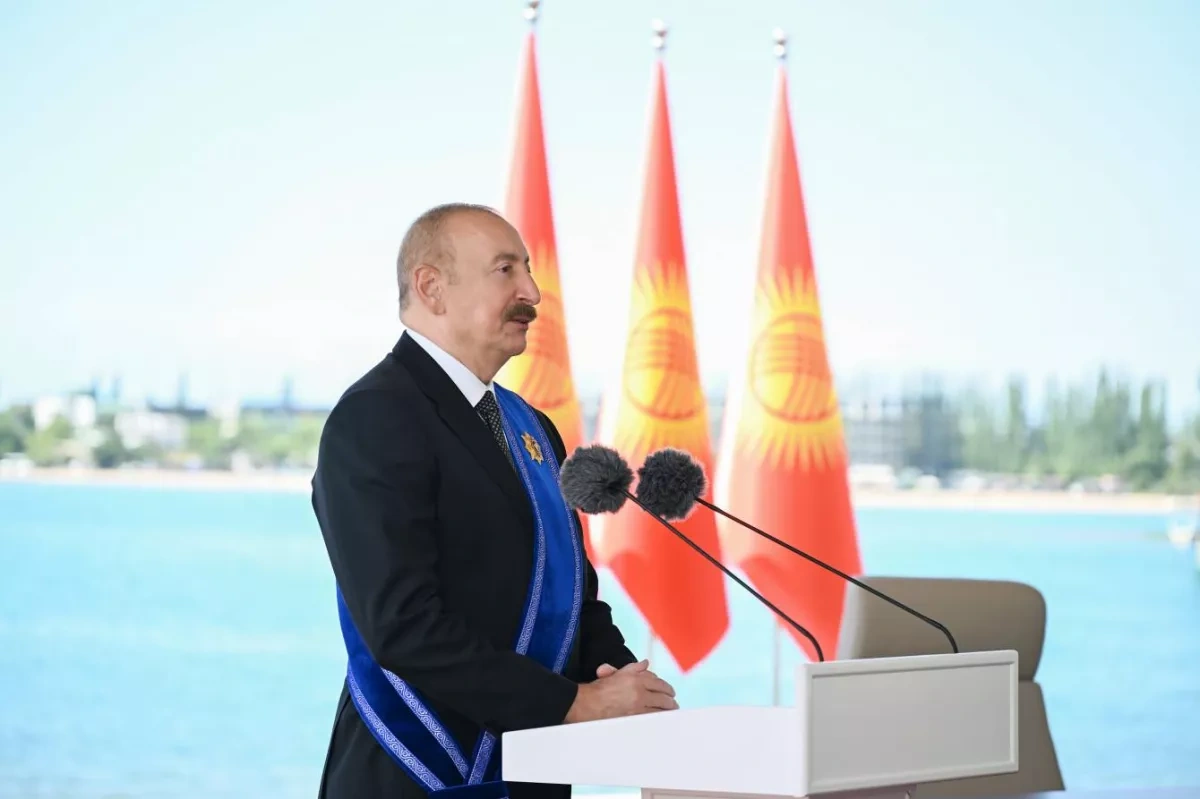
By awarding the Azerbaijani leader the Order of Manas, 1st Class, President Japarov particularly highlighted the significant contribution of Azerbaijan’s president to the rapprochement of the two fraternal states, emphasizing his role in advancing ties between Central Asia and the South Caucasus as well.
All of this provides strong grounds to speak of the considerable potential of Azerbaijani-Kyrgyz relations and the broad prospects for their further development across all areas. Here, one can truly see friendship and brotherhood rooted in cultural, spiritual, and historical unity.
Amid continued global turbulence, such a high level of mutual understanding makes it possible to appreciate the importance of relations between Bishkek and Baku not only for our shared region but also for a broader geographical space.