The fifth international conference and exhibition “Black Sea–Caspian Logistics Forum 2026” will be held in Baku on September 7–9, bringing together more than 150 delegates from over 20 countries to discuss the expansion of transport corridors linking Asia with Europe.
This year’s forum, titled “Black and Caspian Freight Forum 2026: Corridors, Infrastructure, Investments,” will focus on the development of transport infrastructure, freight flows and investment opportunities across the region, Caliber.Az reports per local media.
The main focus will be the Middle Corridor, the Trans-Caspian transport route connecting Asia and Europe. Participants are expected to discuss the route’s projected freight volumes and delivery times for 2026–2027, as well as the investments needed to further increase its capacity.
The agenda will also cover emerging routes and geopolitical factors shaping regional infrastructure, including the Zangezur route, also known as the TRIPP initiative, and the trans-Afghan corridor. Discussions will examine how these developments could affect the Middle Corridor’s strategic role in the region’s international transport network.
China’s role in expanding the corridor’s capacity will be another key topic, with participants expected to discuss infrastructure projects, container train services and the development of return freight flows.
The forum will also address shipping and ferry services on the Caspian Sea, including the construction and operation of high-capacity vessels, containerisation, the expansion of Ro-Ro transport and freight rate trends.
Port infrastructure modernisation through 2030 will be another major area of discussion. Topics will include the development of quay infrastructure, modern crane systems, dredging and improved transport connections between ports and inland regions.
Participants will also examine cargo flows between Asia and Europe, including the transportation of energy resources, grain, fertilisers, metals, critical minerals and project cargo.
Digitalisation will feature prominently on the agenda, with discussions expected to focus on unified data-exchange platforms, harmonised customs procedures and electronic document management.
The forum will also examine the role of international financial institutions and development banks in financing regional transport infrastructure. Participants are expected to discuss projects and financing mechanisms involving the European Bank for Reconstruction and Development, the Asian Development Bank, the World Bank, the Asian Infrastructure Investment Bank and the European Investment Bank.
The EU’s Global Gateway initiative and the investment package for the Trans-Caspian transport route will also be discussed, with a focus on the implementation of announced investment plans, funding already secured and the potential of public-private partnerships and blended finance.
Other topics will include legal and insurance issues in regional logistics, risk management in multimodal transport and the role of insurance, legal and surveying companies in supporting international freight flows.
More than 100 companies from over 20 countries are expected to participate. They will include seaports, terminals, stevedoring companies, shipping and ferry operators, shipowners, railway companies, container train operators, freight forwarders, logistics firms, cargo owners, government agencies, regulators, customs authorities, development banks, infrastructure funds and private investors.
Companies specialising in dredging, engineering, port technologies, insurance, legal services and surveying are also expected to attend.
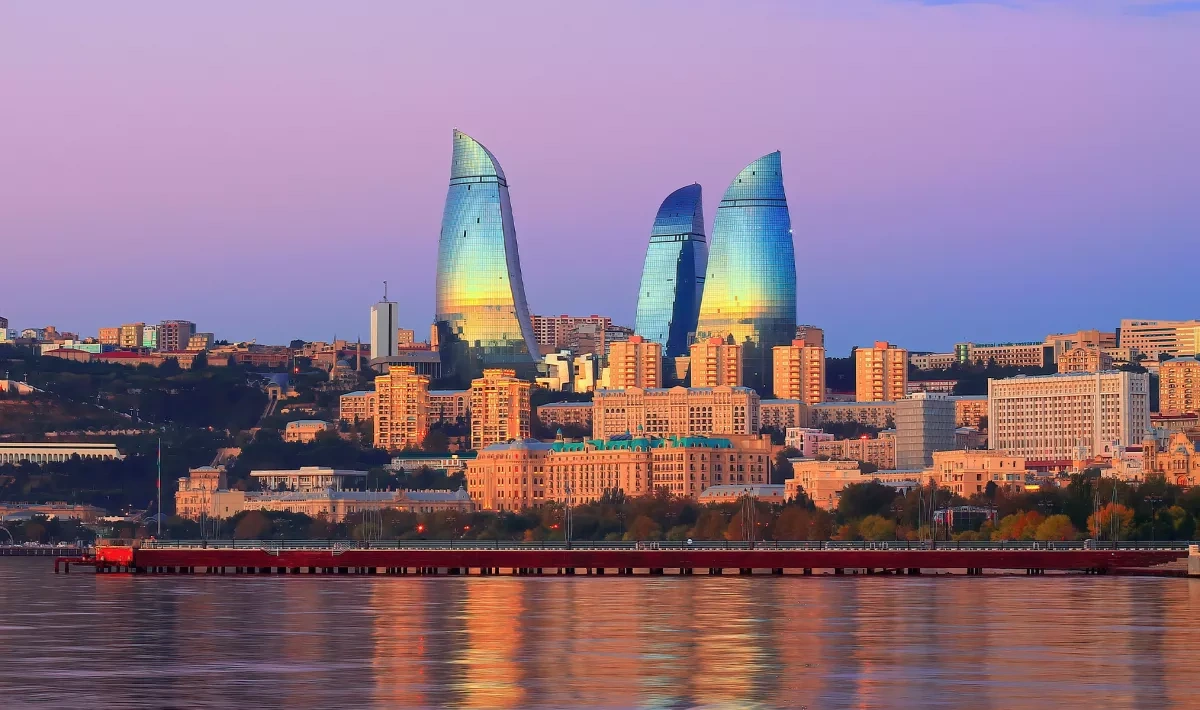
The organisers said the choice of Baku reflects the city’s strategic position at the intersection of the maritime and land routes of the Middle Corridor. The forum is intended to provide a platform for discussing specific infrastructure and investment projects and improving transport links between Asia, the Caspian and Black Seas, and Europe.
By Sabina Mammadli