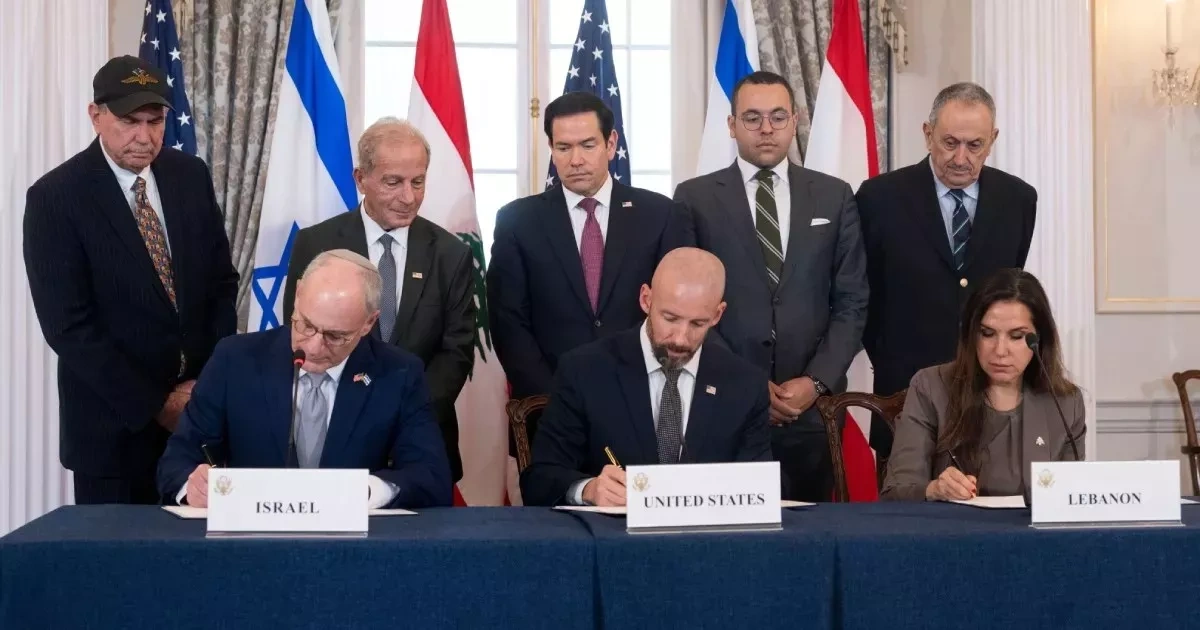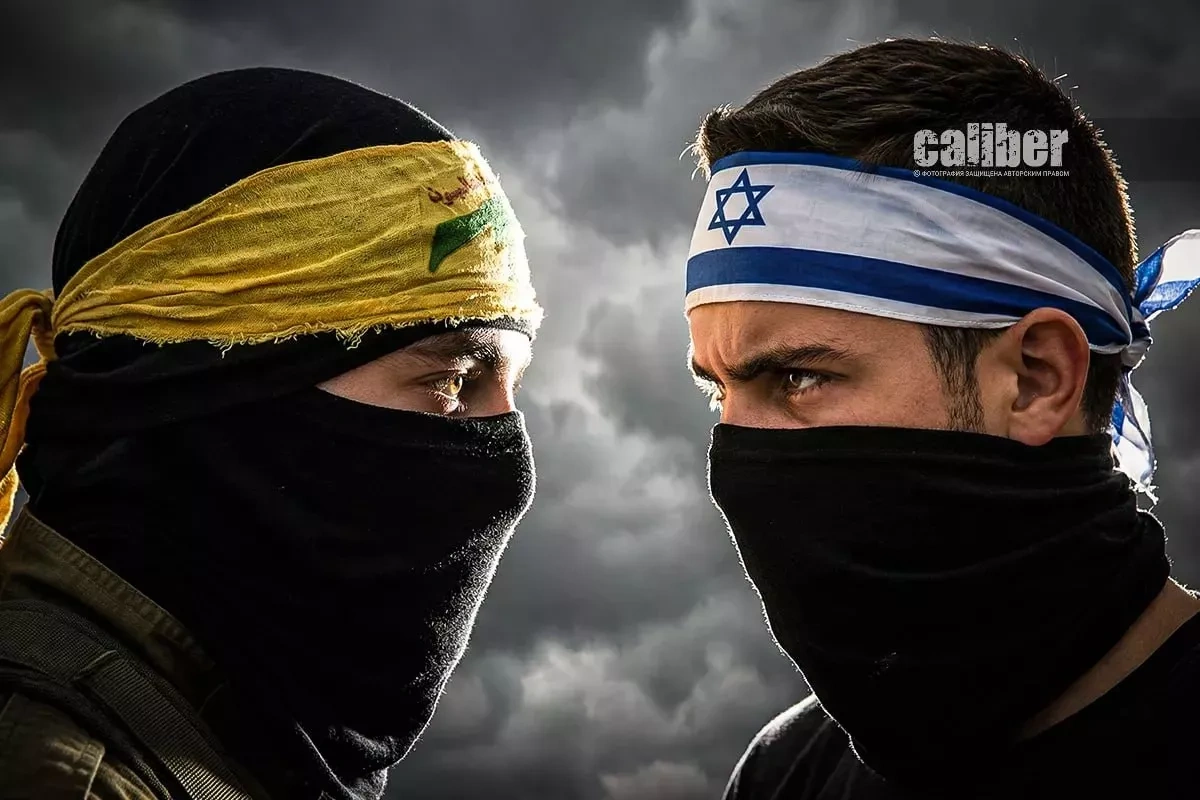
On June 26 in Washington, following five rounds of negotiations, Lebanon, Israel, and the United States signed a trilateral framework agreement. Israeli Prime Minister Benjamin Netanyahu also confirmed the deal, emphasising that Israel would continue to maintain a security zone in southern Lebanon until the threat posed by Hezbollah had been eliminated once and for all.
In turn, Secretary of State Marco Rubio welcomed the conclusion of a framework agreement between the Israeli and Lebanese governments, while Lebanese President Joseph Aoun described the document as "the first step" toward restoring the country's sovereignty.
According to the U.S. Department of State, the agreement provides for the establishment of a trilateral Military Coordination Group for Lebanon (MCG4L), facilitated by the United States, to assist both sides in implementing the framework agreement. In addition, the United States will allocate $30 million to the Lebanese Armed Forces to strengthen their capabilities and will provide further resources, including $100 million in humanitarian assistance coordinated with the United Nations.
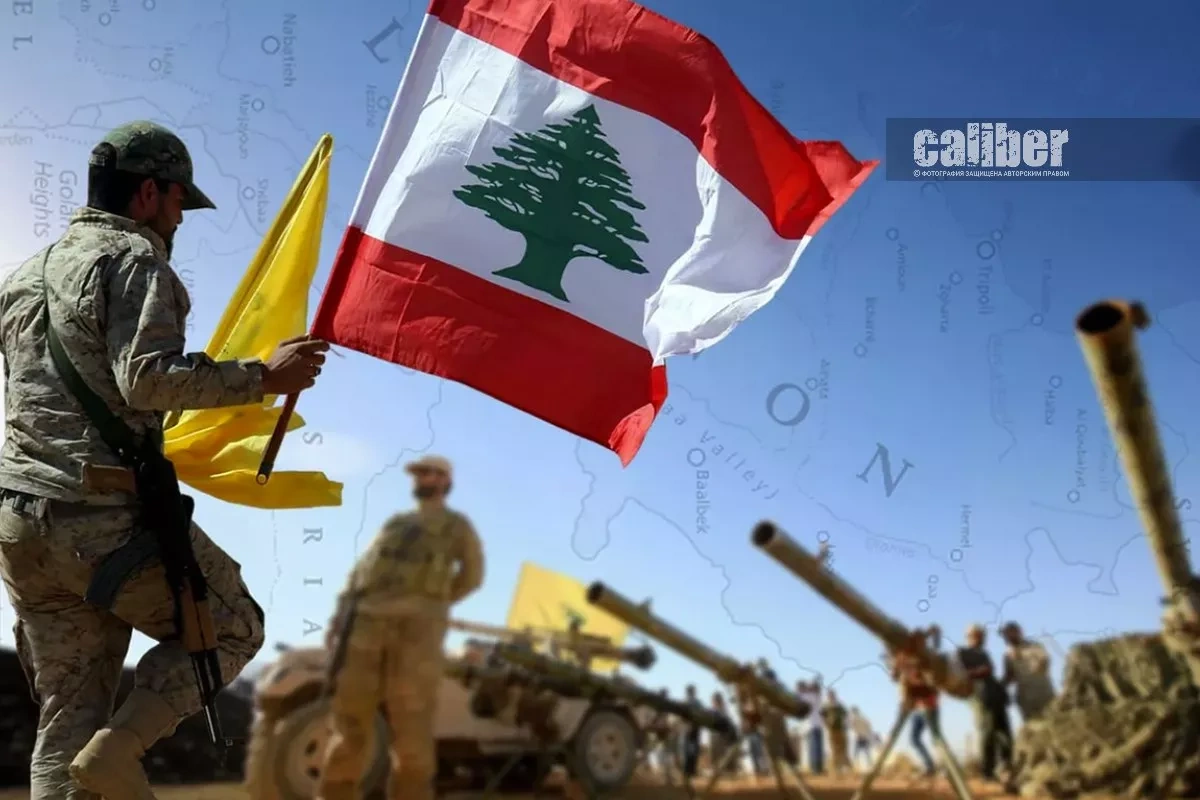
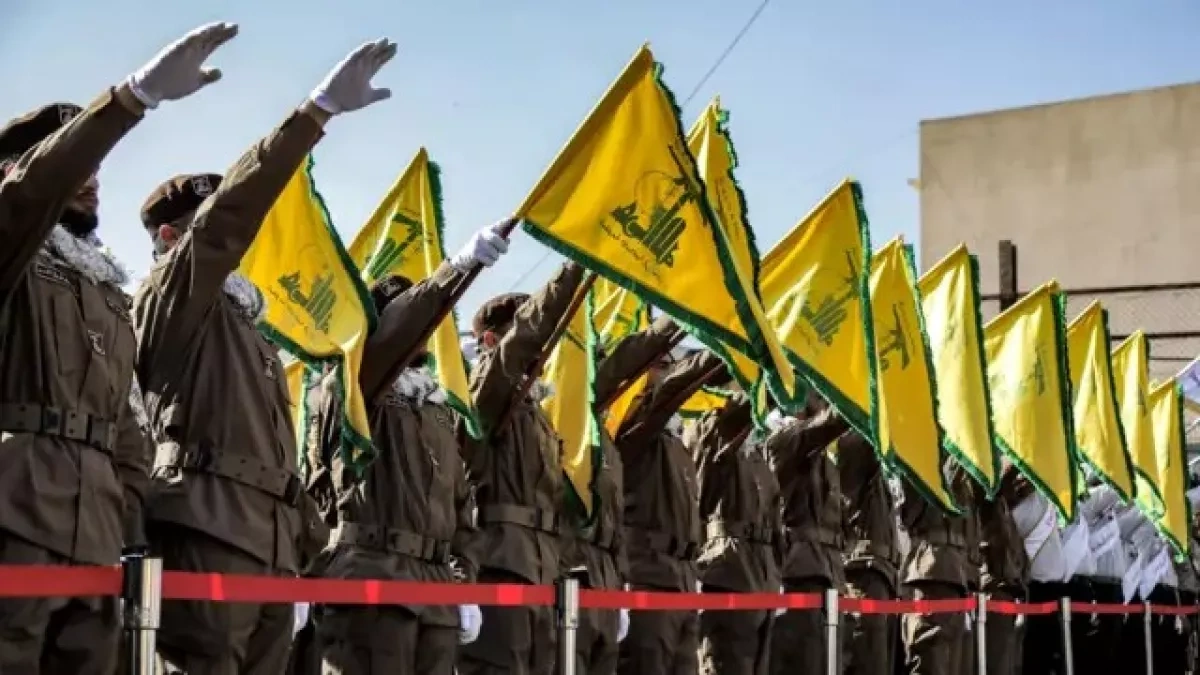
Meanwhile, Hezbollah has strongly rejected the agreement, calling on the Lebanese authorities to abandon the initiative and arguing that the decisions amount to "unilateral, gratuitous concessions that will only undermine the country." Supporters of the group took to the streets of Beirut in protest, denouncing the document as "a surrender deal."
Against the backdrop of such a negative reaction, the following question naturally arises: How realistic is the implementation of the provisions enshrined in this framework agreement? A political analyst and a Middle East expert shared their views on the issue with Caliber.Az.
In particular, according to American political analyst and journalist Andrey Beсker, the United States has done everything necessary to help establish peace between Israel and Lebanon.
"The U.S. administration, in cooperation with the Israeli authorities, has created an important foundation for launching the implementation of the peace agreement, and I consider this even more significant than the agreement itself. The mechanism outlined in the document provides for a phased withdrawal of troops, contingent upon the implementation of the agreed measures, which is directly linked to the disarmament of Hezbollah. To achieve these objectives, the United States intends to support Beirut, including by allocating funds to strengthen the capabilities of the Lebanese Armed Forces.
Hezbollah, the principal instigator of the conflict, is perhaps facing for the first time a genuine risk of being outlawed and forced underground. Iran, the group's main sponsor, is fully aware of this and will undoubtedly seek to undermine the agreement and destabilise the situation. Therefore, the risk of the agreement collapsing certainly exists. However, both Tehran and Hezbollah fail to take into account the fact that the Lebanese people have grown weary of living under the group's control and of being held hostage to its ambitions and priorities.
Notably, the agreement was concluded between the Government of Israel and the legitimate Government of Lebanon, which, above all, reflects the will of the Lebanese people. Therefore, any attempt by Hezbollah to derail the agreement—for example, by refusing to disarm or by provoking unrest—would demonstrate that it is Hezbollah, and no one else, that is obstructing the establishment of peace in Lebanon. In doing so, the group would expose the falsehood of its long-standing rhetoric that it is fighting for the well-being of the Lebanese people," Becker stated.
For his part, Kyrgyz political analyst, Middle East expert, and Candidate of Political Sciences Umar Mutaliev believes that the agreement between Israel and Lebanon has created a potentially explosive situation within Lebanese society, where many people embrace Hezbollah's principles and support the organisation's ideology.
"A significant portion of Lebanon's population is connected to Hezbollah, which has become an integral part of Lebanese society and is represented in both the government and parliament. As a result, there is a real possibility that members of the same family could find themselves on opposite sides of the barricades. And what could be more dangerous than that?
Furthermore, even with U.S. support, neither the Lebanese government nor the Lebanese Armed Forces possess sufficient authority or capacity to bring Hezbollah's structure under control. This is something that Israel and the United States failed to take into account when preparing this agreement.
The reaction of members of the Lebanese Parliament is also telling, indicating that the agreement is unlikely to receive the support of a significant number of lawmakers. For instance, Hezbollah MP Hassan Fadlallah stated that the Lebanese government would be unable to implement the agreement signed in Washington unless it resorted to civil war with U.S. backing. Meanwhile, Lebanon’s top Shiite mufti, Ahmad Kabalan, described the agreement as illegitimate, arguing that it effectively grants Israel authority over Lebanese territory.
Thus, the core reason for rejecting the agreement is that many Lebanese are unwilling to accept Israeli control over their territory, viewing it as a form of occupation. Moreover, Israeli strikes on Lebanese territory have done nothing to foster a positive perception of Israel among the Lebanese public. This is a