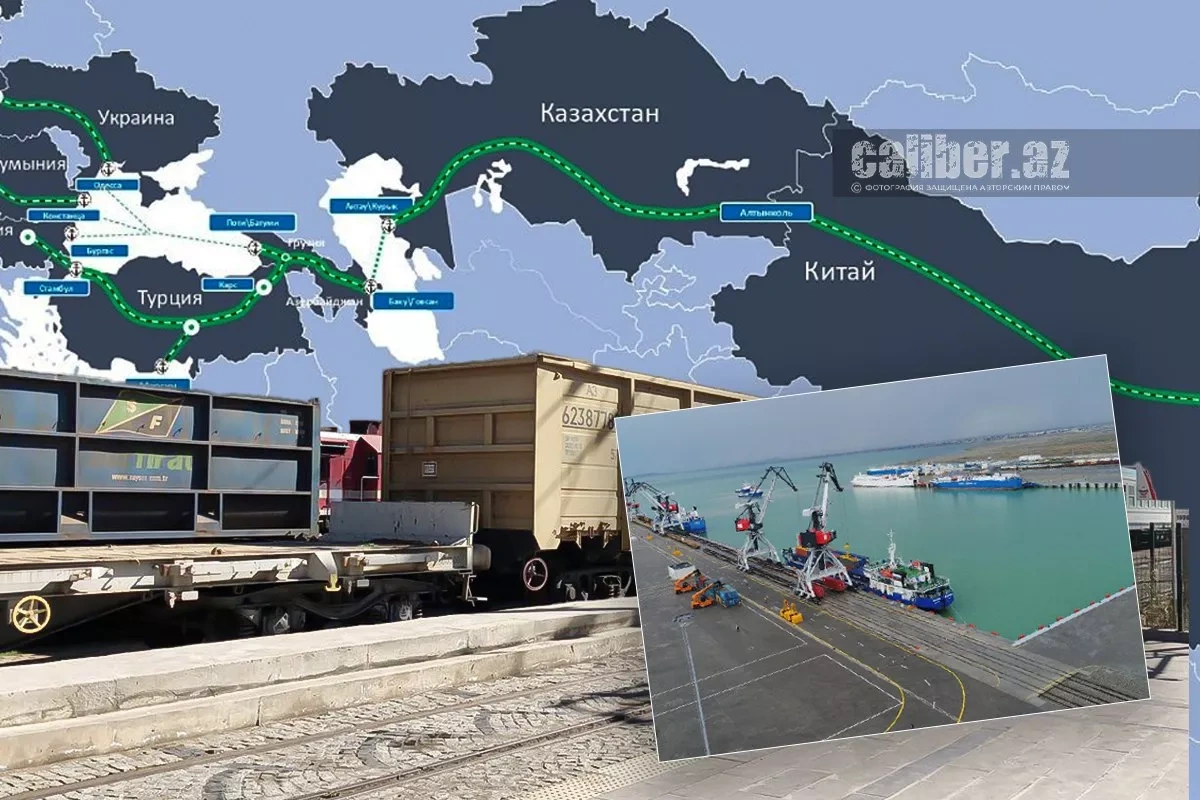
Chinese newspaper South China Morning Post has published an article by Ralph Jennings examining the strategic importance of the Middle Corridor for Beijing. Caliber.Az reprints the article with minor adaptations.
China is investing in a Caspian Sea import-export shipping route to Europe that avoids Russia and sidesteps conflicts in the Middle East, according to analysts.
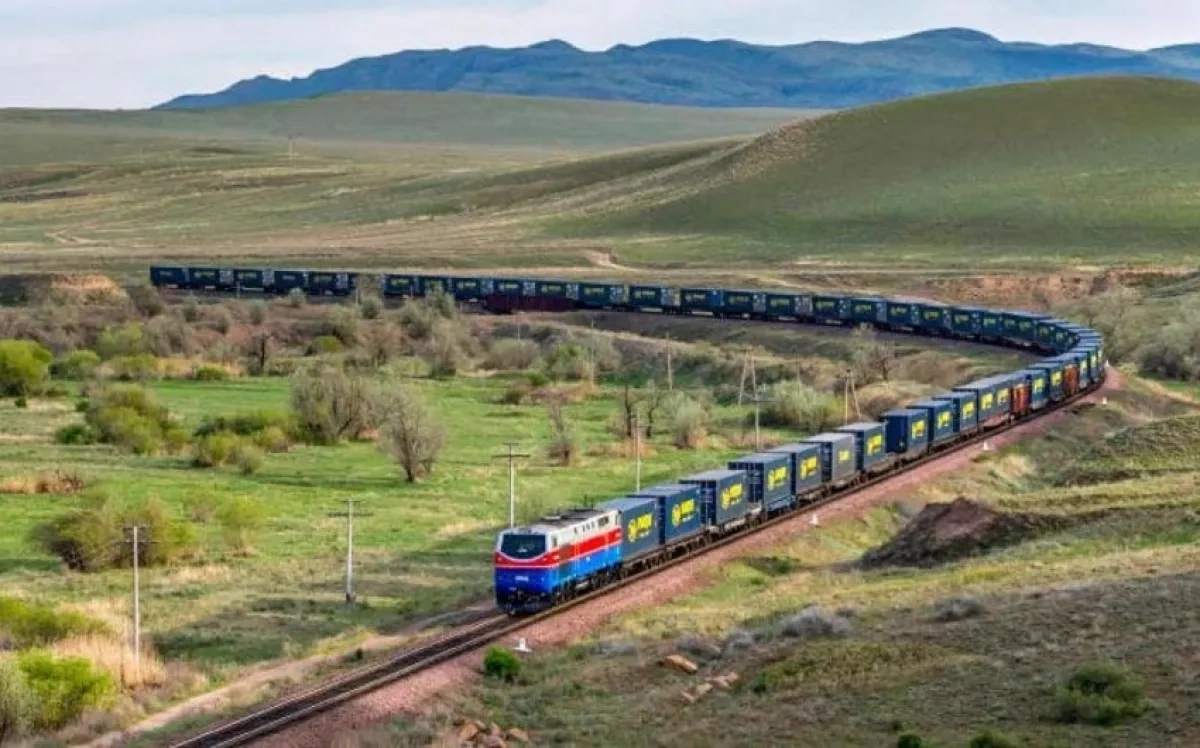
State-owned Chinese firms have already invested hundreds of millions of US dollars to build the Middle Corridor, which runs through Kazakhstan across the inland Caspian Sea by ship to Azerbaijan, onwards to Georgia and into Türkiye.
China gave grant support of about US$70 million and equipment worth around US$2 million for the Caspian Sea Port of Baku, and Chinese firms took part in a US$300 million new seaport in Aktau, Kazakhstan.
The corridor, also known as the Trans-Caspian International Transport Route, includes roads and railways as well as the two seaports. It would allow a shipment from China to reach Europe in 15 to 18 days, compared with 45 to 60 by ocean routes, a Turkish diplomatic source told the South China Morning Post.
The corridor was still “low capacity” with a higher cost per unit of freight than maritime routes, said Alexander Cooley, a political-science professor at Barnard College in New York.
However, China possessed the capital and transport expertise to upgrade it, Cooley said.
Contractors already see potential. British internet service provider RETN, for example, began developing its Eurasian corridor in 2013 and completed a terrestrial route across Central Asia between Europe and the China border six years later in anticipation of future growth, company CEO Tony O’Sullivan said.
The firm saw strong “long-term growth potential in developing markets across Central Asia and Southeast Asia”, he said.
A roughly 10,000km northern land transport route linking China to Europe via Russia exposes shippers to Western sanctions that have hit Russia because of its war in Ukraine.
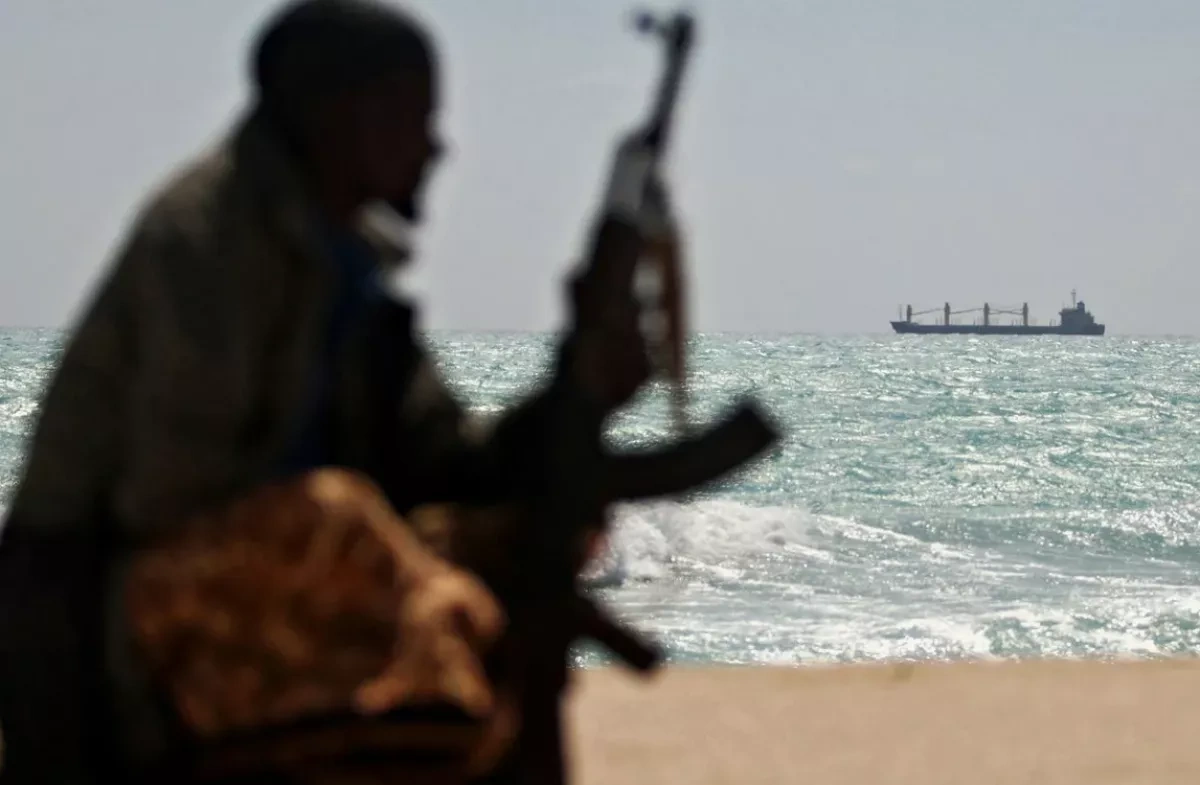
Meanwhile, conflicts in the Middle East and sea piracy near Africa have heightened the risks of marine routes.
“The war in Ukraine, sanctions on Russia … and disruptions to traditional trade routes have elevated the strategic importance of alternative connections between China and Europe,” Arduino said. “For Beijing, the Middle Corridor offers diversification, resilience and reduced exposure to geopolitical chokepoints.”
China would also welcome the new route as a way to import minerals from Central Asia, said Elizabeth Wishnick, a senior research scientist at the US-based non-profit Centre for Naval Analyses.
“Chinese involvement could unlock new opportunities for freight operators, logistics providers, port developers and e-commerce platforms,” Cooley said. “Central Asian economies also stand to gain from increased investment in energy [and] critical minerals, moving beyond their traditional role as exporters of raw materials.”
Kazakhstan would find the corridor “crucial to the security” of its oil exports to Europe, as 80 per cent of that oil now passed through Russia and was “subject to its interruption”, Wishnick said.
China and Türkiye signed a memorandum of understanding in 2015 to harmonise Beijing’s Belt and Road Initiative. Türkiye aims to leverage its geographic location to become an Asia-Europe connector.
Chinese support could bring financing and “world-class” logistics expertise to accelerate the corridor’s development, Arduino said.
A key segment of the Middle Corridor, the Baku-Tbilisi-Kars railway, began running at full capacity on June 2, strengthening “uninterrupted connectivity” through Türkiye, the diplomatic source said.
“The Middle Corridor can provide Chinese companies operating in Türkiye with faster and more diversified access to European and other regional markets,” the source said.