The prospect of unification between Romania and Moldova has remained one of the most sensitive issues in Eastern European politics for decades. While the idea of unirea has periodically receded into the background, it has repeatedly returned to the public and political agenda amid shifts in the regional security architecture and the advancement of European integration. Whereas discussions on the issue were once largely symbolic and ideological, they have now taken on a distinctly legal dimension within Romania.
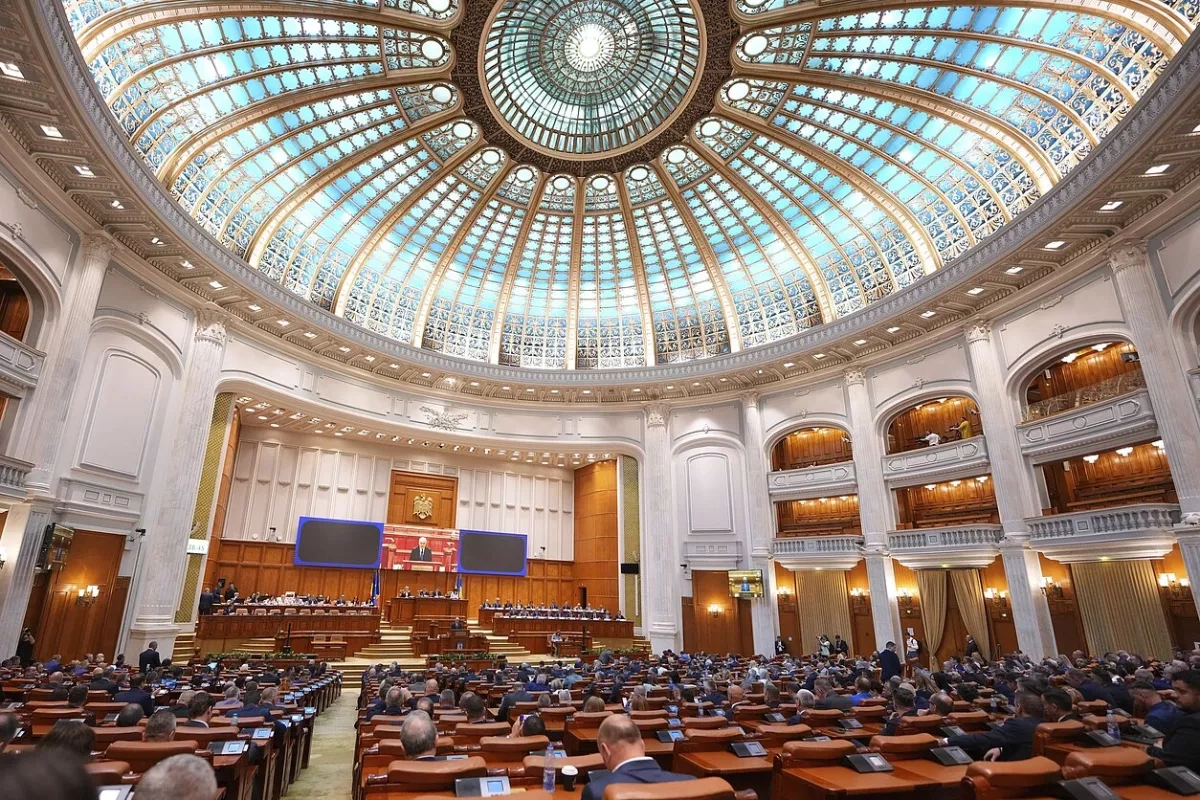
Just days ago, the Chamber of Deputies, the lower house of the Romanian Parliament, effectively approved a draft law on unification with Moldova through the procedure of "tacit adoption", under which legislative initiatives that are neither debated nor rejected in a plenary session within 45 days are automatically deemed approved.
Articles 2 and 3 of the draft law state that "the Parliament of Romania decides on the unification with the Republic of Moldova" and that "the Parliament of Romania authorises the Government to immediately, as a matter of urgency, begin negotiations with the authorities in Chișinău with the aim of finalising the unification with the Republic of Moldova." The draft legislation will now be submitted to the Senate for consideration.
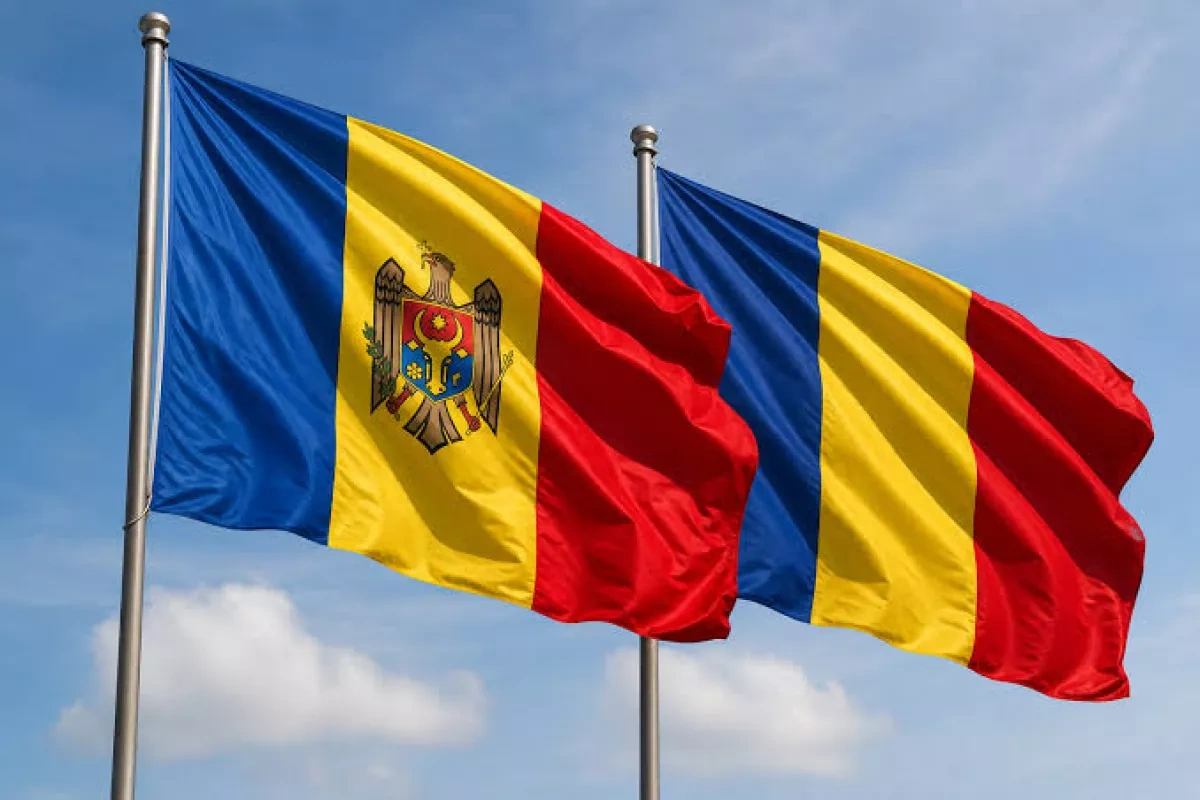
Such a move by Romanian lawmakers can hardly be interpreted as anything other than a clear political signal to the international community that the unirea scenario—the proposed unification of the Republic of Moldova and Romania (from the Romanian unirea, meaning "union" or "unification")—has effectively become part of Bucharest's strategic agenda. This naturally raises the question of what consequences—both positive and negative—such an outcome would have for the two countries.
Let us begin with Moldova. First and foremost, it should be noted that the idea of unification enjoys support at the highest political level. In April this year, Moldovan President Maia Sandu reaffirmed her commitment to unionism in an interview with the French newspaper Le Monde, outlining the benefits Chișinău would gain from unification with Romania—most notably, the prospect of joining the European Union in the near future. Earlier, in a January interview, Sandu stated unequivocally: "If we have a referendum, I would vote for the unification with Romania."
According to the Moldovan leadership, therefore, unification with Bucharest currently represents the country's only realistic
On the downside, however, the implementation of the unirea scenario would mean Moldova automatically forfeiting its sovereignty. This would, in all likelihood, deepen and ultimately cement the country's internal divisions, as a considerable portion of the population favours maintaining neutrality or, at the very least, preserving a special relationship with Russia. Closely linked to this is the issue of national identity.
According to observers, despite the linguistic affinity between the two nations, many citizens identify themselves as Moldovans rather than Romanians. As a result, this highly sensitive issue could become a source of political confrontation. Nor can the Russian factor be overlooked. Although a number of Russian officials have publicly stated that Chișinău is free to determine its own future, it is difficult to imagine Moscow quietly accepting unification with Romania as a fait accompli. More likely, the Kremlin would intensify its engagement with pro-Russian segments of Moldovan society while making full use of the Transnistrian issue to advance its interests.
As for Bucharest, the implementation of the unification scenario with Moldova would represent the realisation of the idea of Greater Romania (România Mare)—a cornerstone of the Romanian national project, which seeks to restore the country's 1918–1940 borders and reverse the consequences of the Molotov–Ribbentrop Pact. That is the first major advantage.
Secondly, unirea would strengthen Romania's influence in South-Eastern Europe, enhance its political standing within both the European Union and NATO, and reinforce its strategic position in the Black Sea region. According to international experts, the incorporation of Moldova—which, although it has no direct coastline on the Black Sea, nevertheless enjoys maritime status through the Port of Giurgiulești, located at the junction of the Romanian and Ukrainian borders—would allow Bucharest to establish an uninterrupted zone of control over the Danube Delta. This would undoubtedly enhance Romania's economic and transport potential across the wider Black Sea basin. These are among the principal benefits of the process.
On the other hand, unification would also impose a considerable additional economic burden on Romania. Politically, Bucharest would have to assume responsibility for addressing Moldova's longstanding internal challenges, including the issues of Gagauzia and Transnistria. Whether the Romanian state is prepared for such a mission is a rhetorical question.
All things considered, the conclusion appears fairly clear. The decision by the lower house of the Romanian Parliament is unlikely to trigger the immediate launch of the unification process. In the foreseeable future, unirea will most likely remain a political symbol reaffirming Chișinău's European aspirations. At the same time, the idea is unlikely to disappear from the political and public discourse of either country. Instead, it will continue to be viewed as the most peaceful and diplomatic