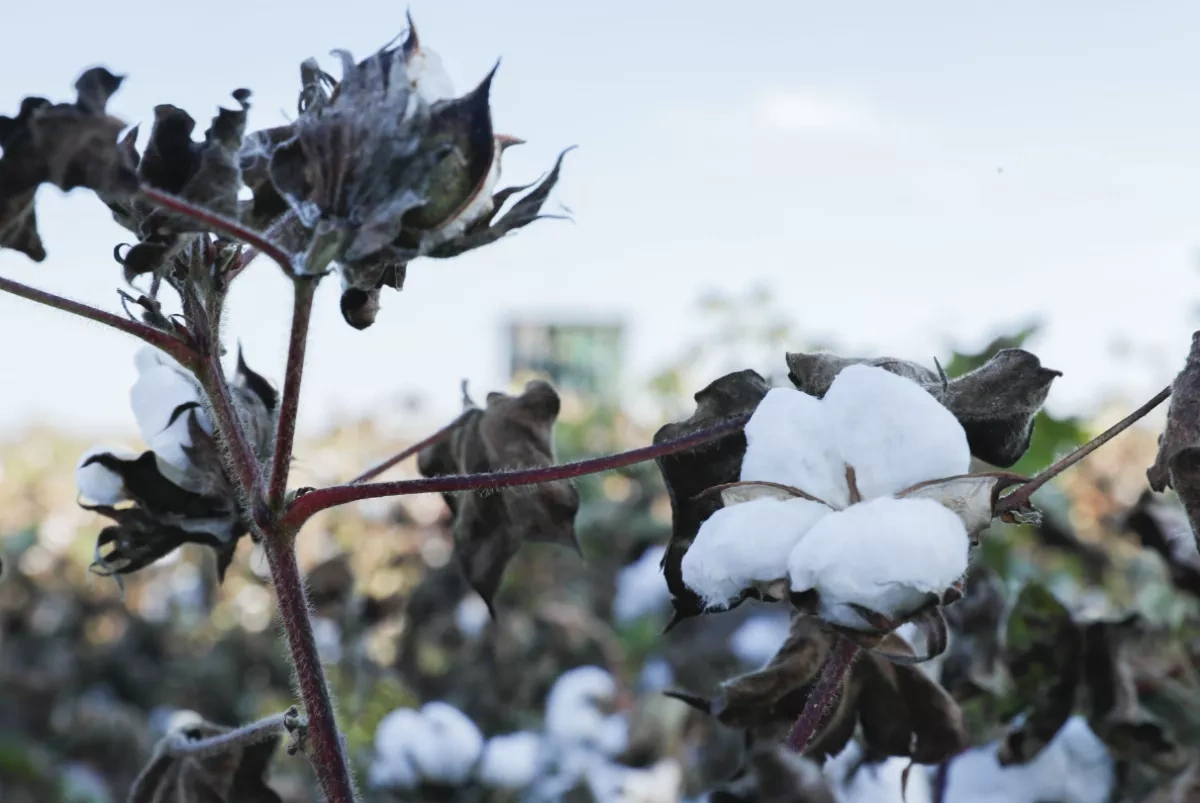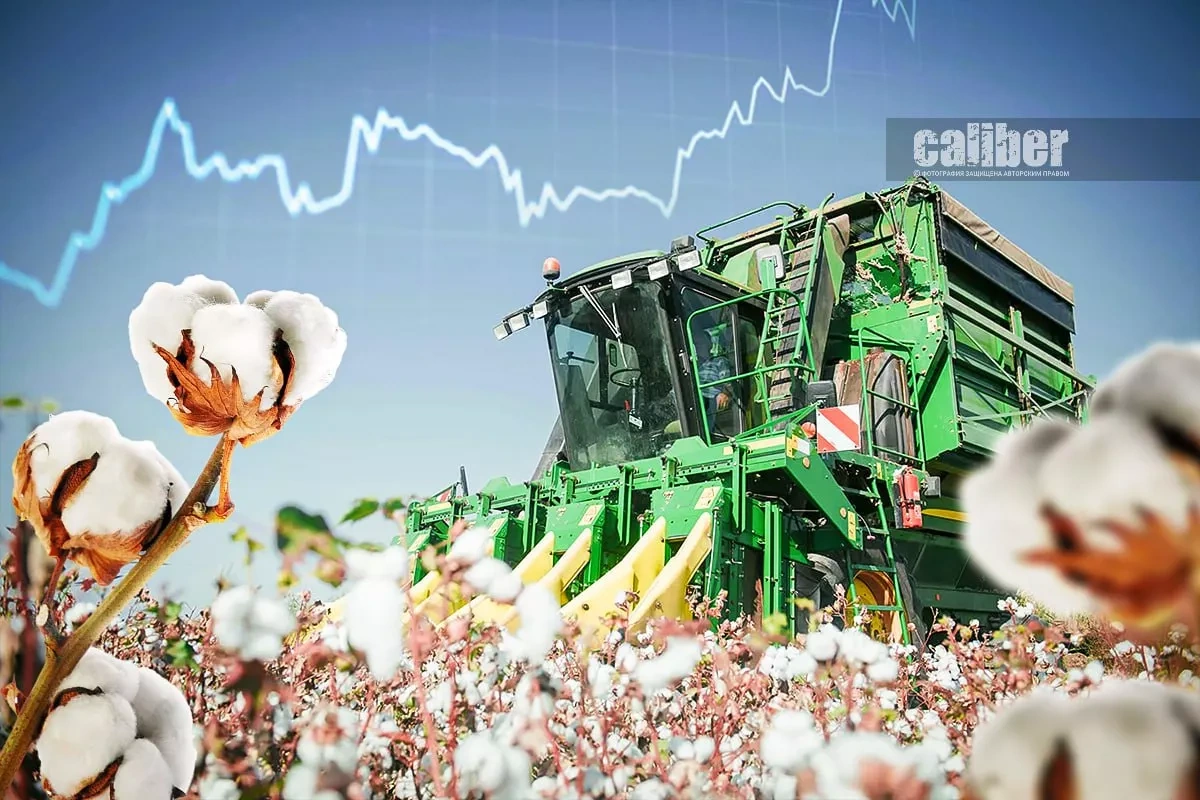
The years from 2022 to 2025 were particularly difficult for the global cotton industry. Extreme drought slashed yields by 28–30% across India, China, the United States and Brazil. Pakistan also suffered heavy losses, with torrential rains destroying nearly one-fifth of its cotton crop, while production declined in Australia and Benin as well. The significance of these setbacks is underscored by the fact that these countries together account for more than three-quarters of global cotton output.
According to the International Cotton Advisory Committee (ICAC), cotton prices remained under pressure during this period, weighed down by stronger production and inventory forecasts. At the same time, lower crude oil prices reduced the cost of synthetic fibres, making them more competitive and eroding demand for natural cotton across the textile industry.
As a result, Trading Economics reported that global cotton prices fell below $0.60 per pound in July 2025—their lowest level since mid-2020.
Market conditions, however, have shifted dramatically over the past year. By the end of June 2026, global cotton demand had climbed to a six-year high of more than 121.7 million bales, while ICE cotton futures had risen to around $0.78 per pound. The rebound has been fuelled by record demand from China's textile industry, coupled with expectations of a 2–5% decline in global production due to lower yields in the United States and reduced planting in India following a weak start to the monsoon season.
As for Azerbaijan, where cotton cultivation has long been one of the country's traditional agricultural sectors, rising global demand and higher prices for raw cotton represent a highly favourable development. Owing to the severe impact of climate change, however, cotton yields in Azerbaijan declined markedly between 2022 and 2024. Consequently, the target of producing 500,000 tonnes of cotton annually, set out in the State Programme for the Development of Cotton Growing in Azerbaijan for 2017–2022, unfortunately, remained out of reach. A breakthrough for the sector came only in 2025, when favourable weather conditions in spring and autumn delivered the country's strongest cotton harvest in recent years.
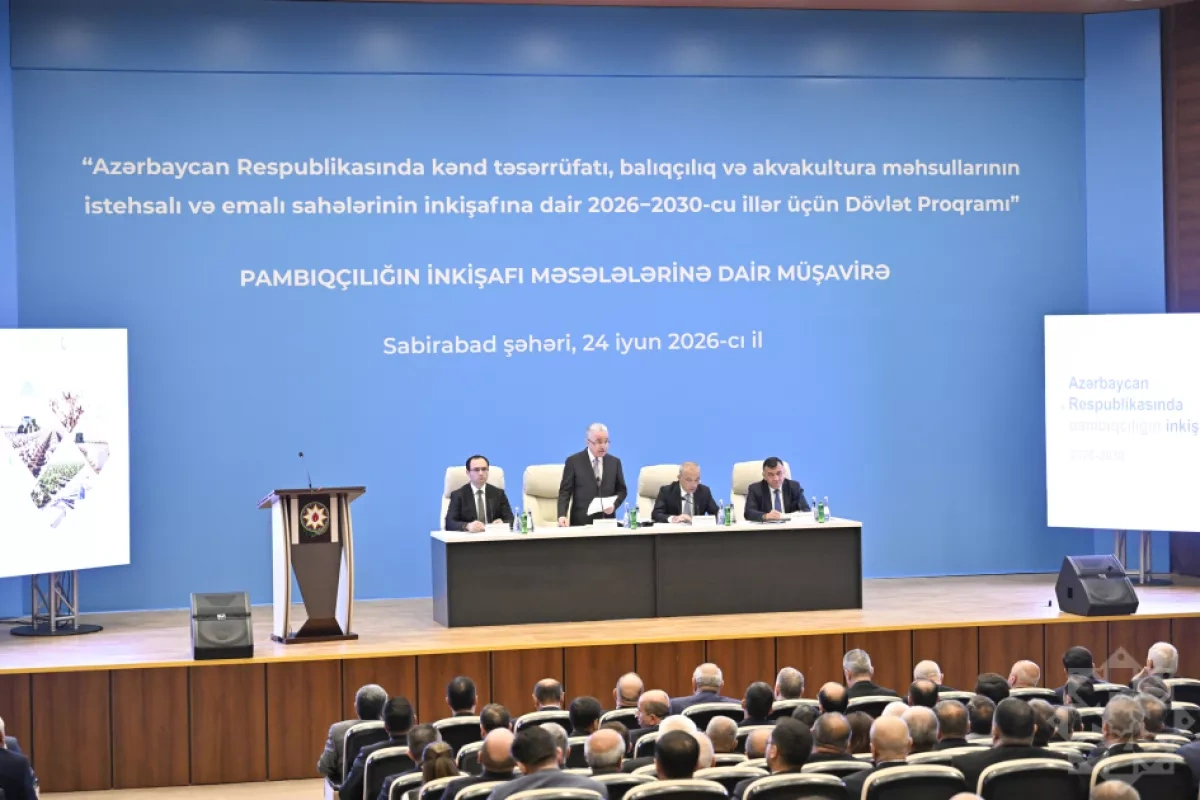
The prospects for further expanding cotton production were discussed at a regional meeting held recently in the Sabirabad District. The event was organised to implement the instructions issued during the meeting on agriculture chaired by President Ilham Aliyev on May 25, 2026, as well as to ensure the coordinated, flexible and effective implementation of measures envisaged under the State Programme for the Development of Agricultural, Fisheries and Aquaculture Production and Processing in the Republic of Azerbaijan for 2026–2030.
In his address at the meeting, Minister of Agriculture Majnun Mammadov outlined the key objectives of the new State Programme. By 2030, Azerbaijan aims to increase average cotton yields in specialised growing regions to 50 centners per hectare (5 tonnes per hectare), expand cotton production by 17%, and increase processing capacity fourfold.
The minister also highlighted the sector's recent achievements. Last year, cotton was planted on 100,500 hectares, with an average yield of 36.1 centners per hectare, resulting in a total harvest of 362,900 tonnes. Cotton accounted for 13.3% of Azerbaijan's exports of agricultural products and processed agricultural goods. Moreover, around 50,000 permanent and seasonal workers were employed in cotton production and processing, directly contributing to the incomes and social well-being of an estimated 200,000–300,000 people.
One of the key factors behind the sector's improving performance is Azerbaijan's contract farming model for cotton cultivation. Under this system, farmers sign agreements with processing companies, which provide advance financing, supply seeds and fertilisers, make agricultural machinery available for land preparation, deliver agronomic support, and carry out mechanised harvesting. In return, farmers commit to producing the crop and delivering it to the company's collection points at the price specified in the contract.
In recent years, procurement prices for raw cotton have increased several times. In 2026, the purchase price for first-grade raw cotton stands at 800 manats ($470) per tonne. This model helps farmers cover production costs while guaranteeing a stable market for their harvest. As Minister Mammadov noted during the Sabirabad meeting, the new State Programme also envisages developing Azerbaijan's cotton sector through an industrial cluster model, aimed at strengthening integration across the entire value chain.
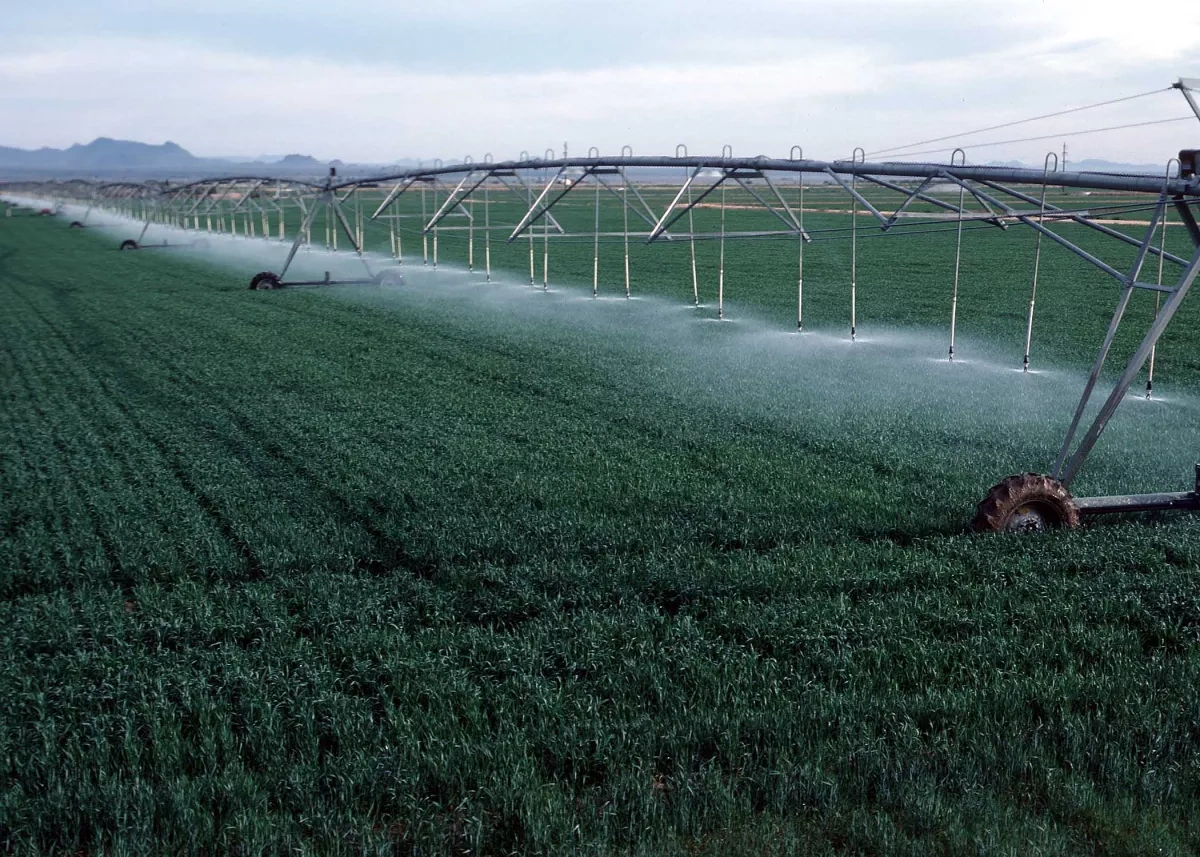
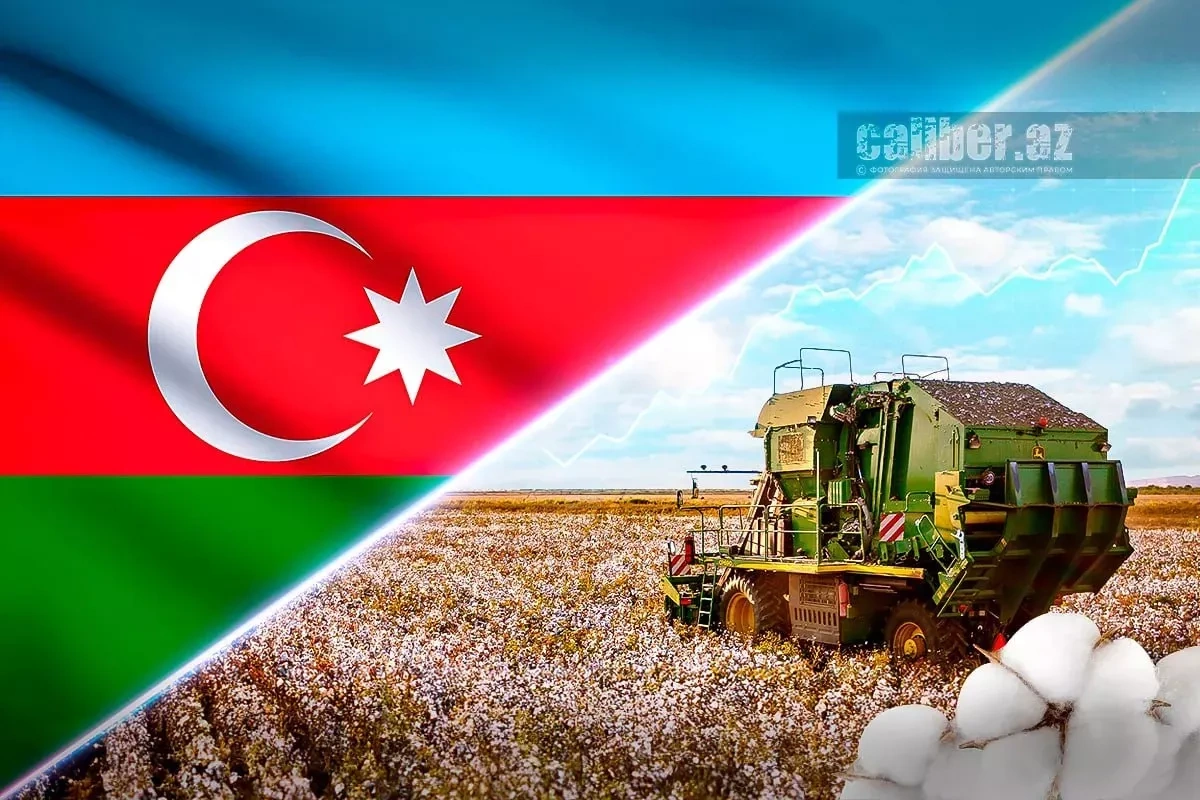
As for irrigation, over the past two years, the Ministry of Agriculture, with the support of the state leasing agency, has actively introduced water-efficient pivot irrigation systems across a number of agroparks and large-scale farms. At the same time, farmers have been equipped with modern cotton harvesters, while high-yield cotton varieties from the United States, Türkiye and Greece, together with advanced cultivation techniques, have been increasingly adopted.
Participants at the Sabirabad meeting stressed the need to accelerate the rollout of modern irrigation technologies. They also emphasised that the major projects implemented in recent years to modernise Azerbaijan's irrigation infrastructure—including the development of new water sources and the reconstruction of key canals such as the Shirvan and Karabakh irrigation canals—will significantly improve water availability and boost yields in the country's cotton-growing regions.
Addressing the meeting, Assistant to the President of Azerbaijan and Head of the Department for Territorial and Organisational Affairs of the Presidential Administration, Zeynal Naghdaliyev, stated that the government would continue expanding subsidy programmes for cotton cultivation while also developing agricultural insurance mechanisms to mitigate risks arising from fluctuations in international cotton prices. These measures are intended to ensure more stable incomes for both farmers and processing companies.
It is worth recalling that, under a decision of the Agrarian Subsidies Council for the 2025 economic year, farmers who delivered cotton grown on land equipped with modern irrigation systems received a subsidy of 210 manats ($123) per tonne. Cotton produced on fields irrigated using conventional methods qualified for a subsidy of 195 manats ($115) per tonne. These payments were increased in 2026 to 215 manats ($126) per tonne for cotton grown under water-efficient irrigation systems and 200 manats ($117) per tonne for crops produced using traditional irrigation methods.
Another key priority of the State Programme is the development of a vertically integrated cotton-processing cluster through the establishment of new spinning mills, weaving facilities, textile plants and garment factories, with the aim of increasing exports of cotton fabrics and apparel. Speaking at the Sabirabad meeting, Deputy Minister of Economy Samad Bashirli noted that the new State Programme envisages developing cotton cultivation in close integration with the processing industry. According to him, the creation of new yarn, fabric and textile manufacturing enterprises will extend the domestic value chain, generate new jobs and boost export revenues.
In this context, it is worth noting that in recent years, Azerbaijan has actively attracted investors from China, Uzbekistan, Türkiye and Pakistan to its cotton industry. The most successful cooperation has been on the Azerbaijani-Uzbek business track. In July 2024, Azerbaijan's TST Textile Group LLC and Uzbekistan's Tukımachı Sanoat Tekstıl LLC signed an agreement to cultivate cotton and produce cottonseed oil at the Imishli Agropark. More broadly, between 2025 and 2029, the Uzbek investor is expected to invest 92.5 million manats ($54.4 million) in the construction of yarn, textile and garment manufacturing facilities at the Mingachevir Industrial Park. In addition, a garment factory built by Uzbek investors is already operating in Khankendi, employing more than 200 people.
At the 5th Agribusiness Development Forum held in Baku in May, Executive Director of the Azerbaijan Export and Investment Promotion Agency (AZPROMO), Yusif Abdullayev, announced that the agency is in talks with investors from the United Arab Emirates and India on cooperation in the cotton sector. The discussions focus on developing a fully integrated production chain in Azerbaijan, covering everything from cotton cultivation to textile manufacturing.
For its part, the Turkish-Azerbaijani Businessmen and Industrialists Public Union (TÜİB) has developed a major textile industry project that is expected to create between 5,000 and 10,000 jobs in the Karabakh region as part of the expansion of the area's textile manufacturing capacity.
Chinese businesses are also contributing to the modernisation of Azerbaijan's cotton sector. In the Ujar District and at the Shirvan Experimental Station, Chinese agricultural innovations—including highly efficient cotton cultivation techniques—have already been introduced. In addition, Chinese investment in Azerbaijan's textile industry is expected in the coming years.
Summing up the meeting in the Sabirabad District, Zeynal Naghdaliyev not only underscored the importance of the timely implementation of the tasks set by the President but also called on farmers and entrepreneurs to play an active role in this process. He added that the proposals put forward during the meeting would be consolidated and taken into account during the implementation of the State Programme.
This demonstrates that there is a constructive dialogue between farmers and the relevant state institutions—a solid foundation for Azerbaijan's "white gold" to reclaim its place as one of the country's leading agricultural success stories.