BAKU, Azerbaijan, June 25. Kazakhstan's foreign
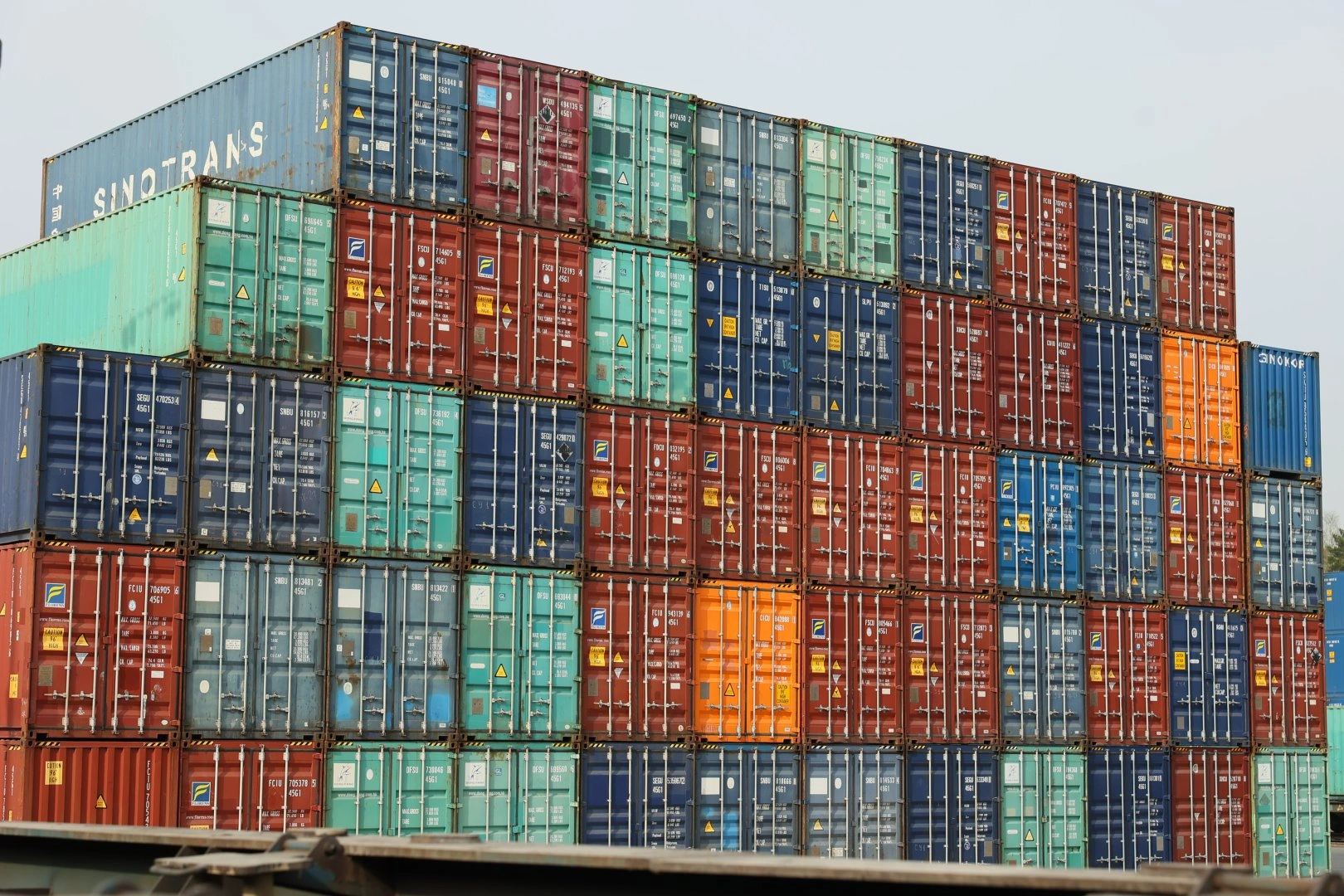
trade turnover reached $44.87 billion from January through April
2026, marking a nominal increase of 7.9% compared to the same
period in 2025.
This analysis, prepared by Trend based on data from the Bureau
of National Statistics of Kazakhstan, indicates that while the
overall trade volume is rising, the structure of the trade balance
necessitates a deeper transformation, as import growth (up 11.3% to
$20.86 billion) is currently outpacing export growth (up 5% to
$24.01 billion).
Trade with EAEU member states plays a significant role, with
total turnover increasing by 13.3% to reach $9.87 billion. However,
a notable imbalance has emerged: imports from EAEU countries surged
by 24.1%, while Kazakhstani exports to these markets declined by
7.9%. Within this bloc Russia remains the primary partner,
accounting for 87.6% of the total mutual trade volume.
According to Trend, the commodity structure confirms that
Kazakhstan’s economy maintains a high dependence on the raw
materials sector: crude oil and petroleum products account for 44%
of export revenues, while processed goods hold relatively small
shares (ferroalloys at 3.2% and wheat at 3%).
Simultaneously, the import structure, dominated by passenger
cars (3.1%), petroleum gases (2.7%), medicines (2.6%), and
electrical equipment (2.5%), highlights a robust domestic demand
that local production is currently unable to fully satisfy.
Trend suggests that the consequences of these trends hold
potential risks for macroeconomic stability. First, the rapid
growth in imports of finished goods creates conditions for
"imported inflation," which may exert upward pressure on consumer
prices throughout the second half of 2026. Second, if the trend of
imports outpacing exports persists, Kazakhstan may face a shrinking
trade surplus, which could ultimately increase pressure on the
national currency.
Furthermore, the high concentration of trade partners, with
China leading in exports and Russia in imports, renders the economy
sensitive to any logistical or regulatory shifts within these
nations.
In conclusion, for sustainable development, it is imperative for
Kazakhstan to accelerate export diversification and incentivize the
localization of manufacturing, particularly in machinery and
complex technology, to reduce reliance on high-value-added
imports.