BAKU, Azerbaijan, June 19. The Islamic
Development Bank Institute (IsDBI) is working with Azerbaijan on
Sukuk framework development.
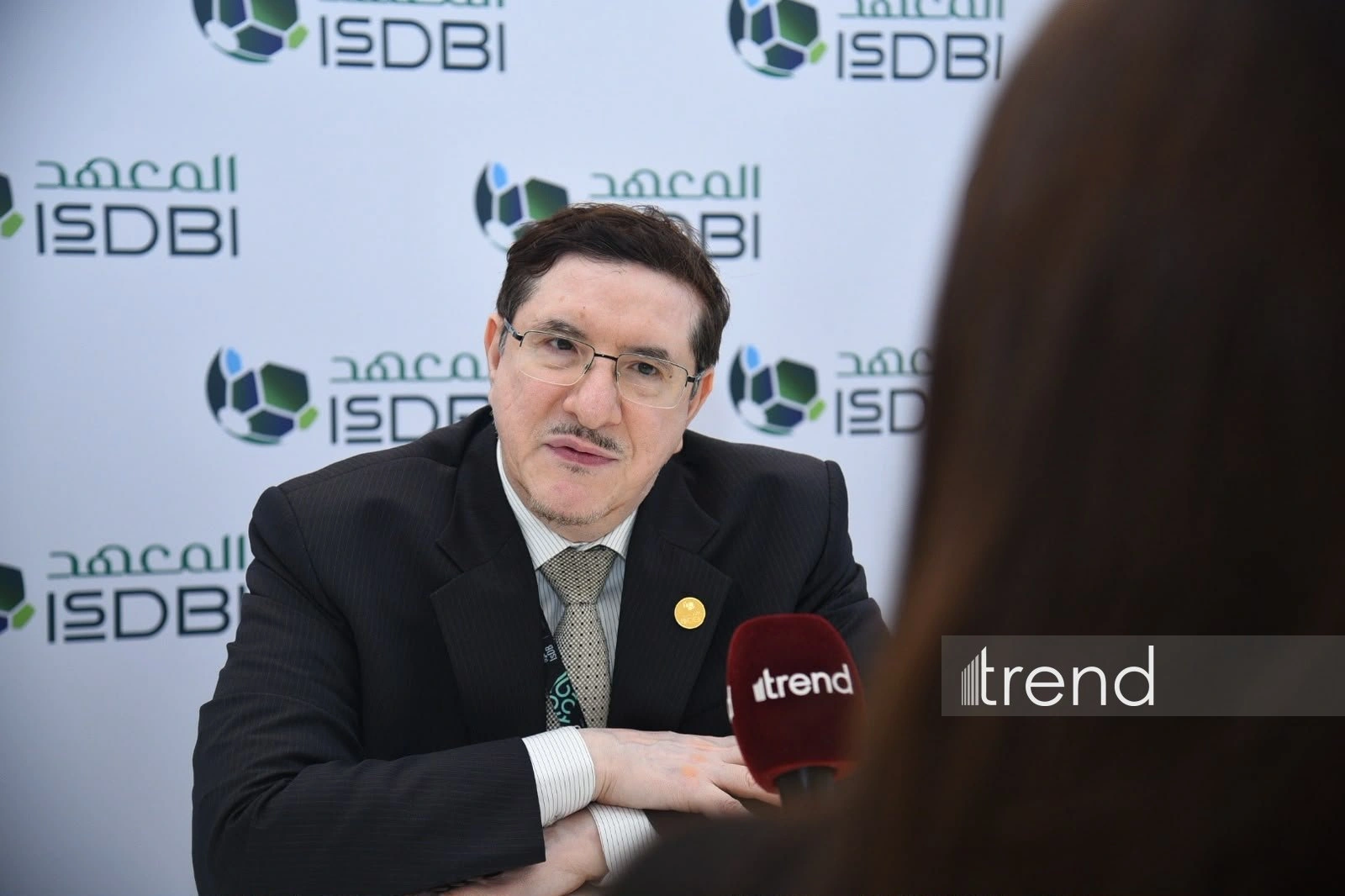
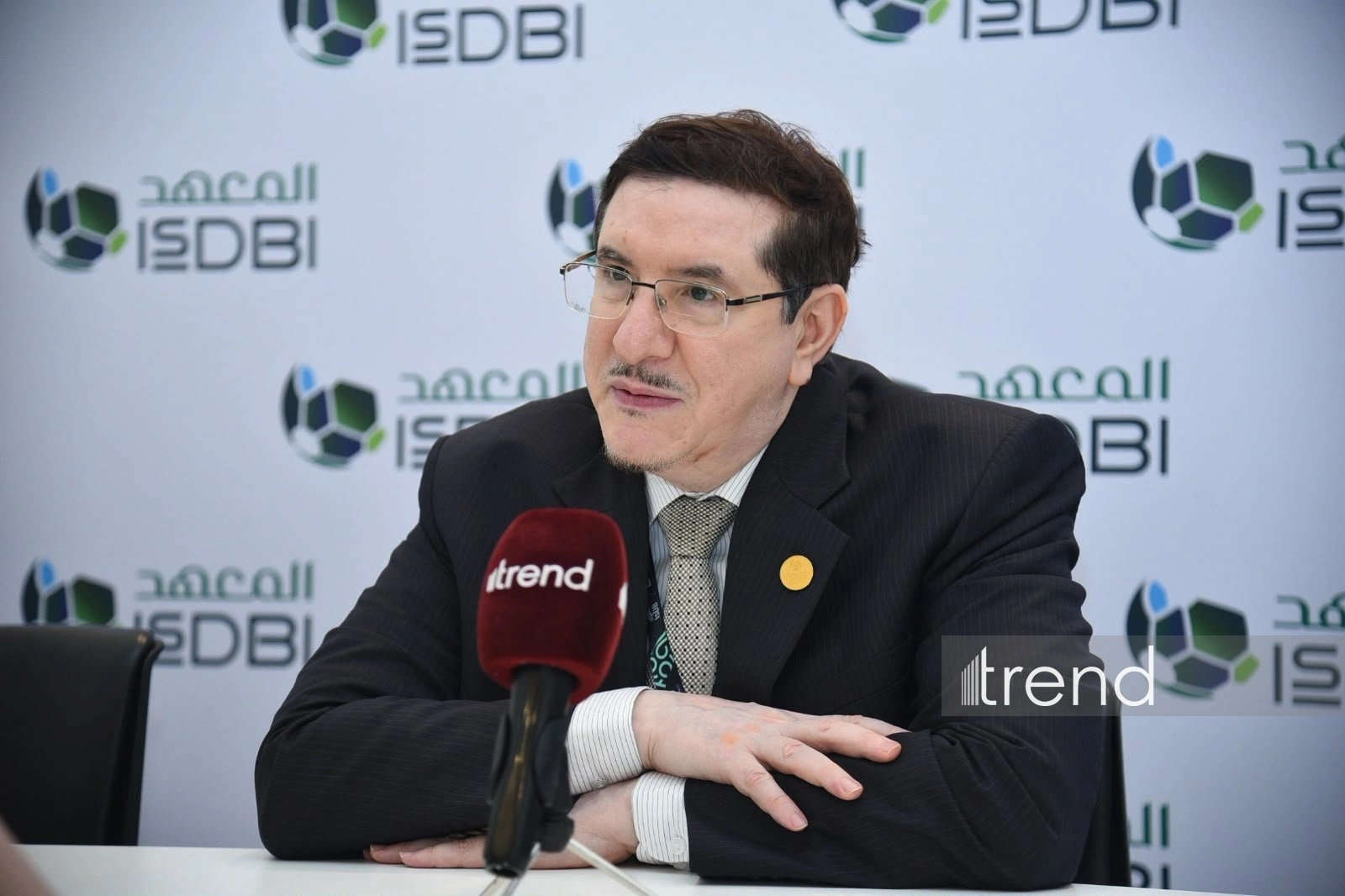
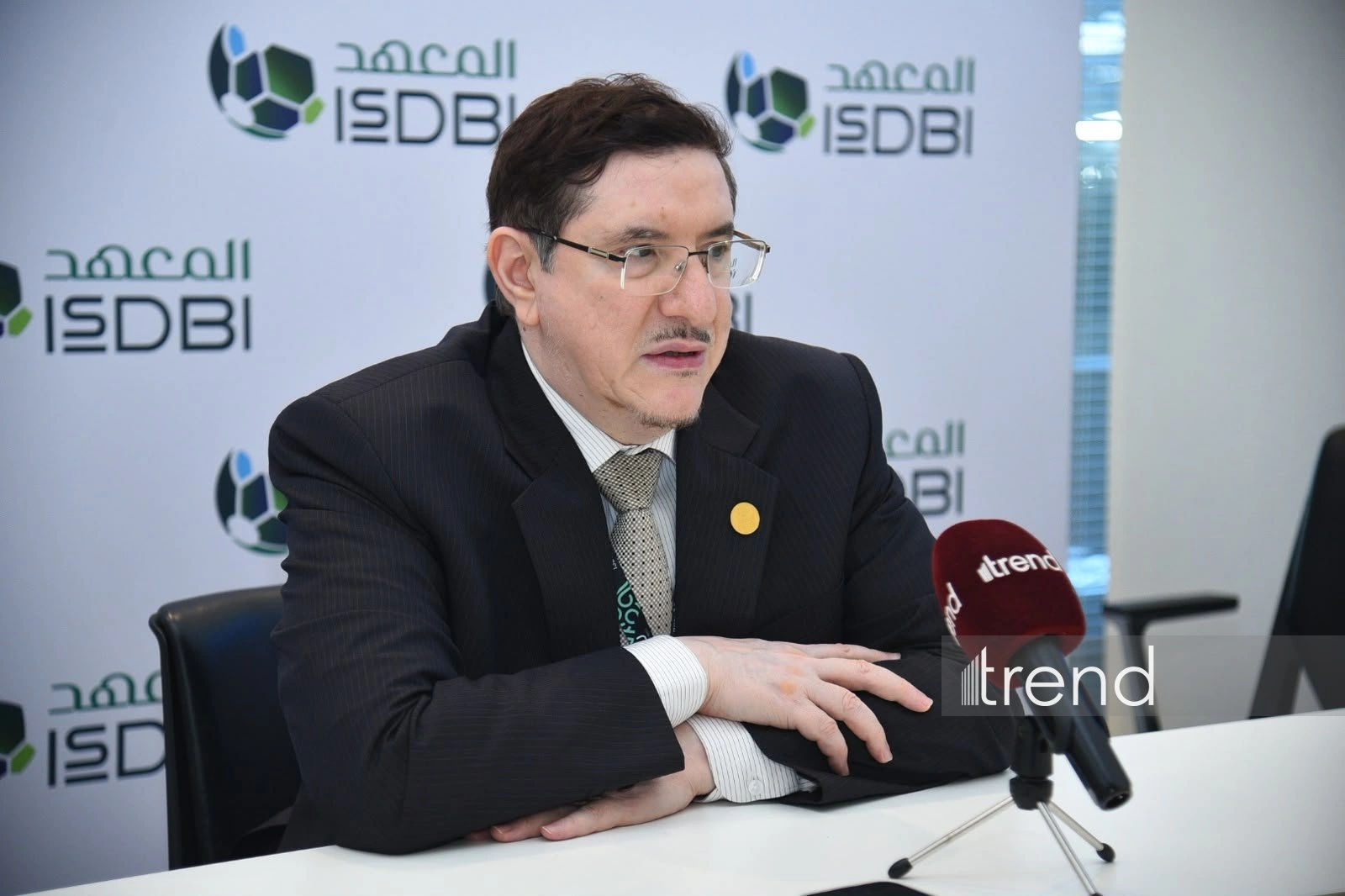
Acting Director General of IsDBI Dr. Sami Al-Suwailem said in an
exclusive interview with Trend on the sidelines of the Islamic Development Bank
Group Annual Meetings in Baku that the Institute will be working
closely with the authorities of Azerbaijan.
“For example, we are already working closely with the Central
Bank to help and to support the development of a framework for
Sukuk issues, for developing rules and regulations for Islamic
banks, Islamic financial institutions in general that would
facilitate the intervention of the Islamic Development Bank through
these Islamic financial institutions to support ultimately the
development and progress of the Azerbaijani economy. As I
mentioned, we are closely working with the Central Bank of
Azerbaijan to support the development of the Sukuk in terms of
capacity building, in terms of supporting the development of rules
and regulations for this Sukuk. As for how Sukuk could support the
Azerbaijani economy, they provide an additional source of funding
for supporting the progress and expansion of projects in
Azerbaijan. From that perspective, Sukuk will offer an additional
source of funding and resource mobilization for the country,” he
added.
The joint report of the Islamic Development Bank Institute
(IsDBI) and the International Islamic Trade Finance Corporation
(ITFC) titled “Islamic Finance in Azerbaijan: Breaking New Ground”
forecasts that Azerbaijan could see the first sukuk issuance of up
to $500 million by 2030.
“We project that by 2030 (5-year projection), a debut sukuk
issuance in Azerbaijan in the range of USD 500 million could
reasonably take place as well, given its good sovereign credit
profile and existing fiscal headroom. One key qualitative
assumption is that the ecosystem factors fall into place (e.g.
enabling regulatory support, legal amendments or reforms, etc),”
says the report.
Islamic finance approach to sustainable
growth
The report reveals that under a base-case scenario, Islamic
banking assets in Azerbaijan could reach approximately USD 2.7
billion by 2035 representing 5 percent of total projected banking
assets in 2035. Under a best-case scenario, assets could reach USD
3.6 billion (at 10 percent penetration rate).
Sami Al-Suwailem pointed out that Islamic finance integrates
finance with the real economy, and the real economy by design is
limited by the available resources.
“Therefore, production and trade and wealth creation is
essential from an Islamic finance point of view. The way to make
the economy sustainable is through wealth creation, improving
productivity, improving trade, and helping redistribute the wealth
among the members of the society. These are essential elements for
sustainable economy. Why or how does Islamic finance encourage
innovation? Islamic finance requires taking on the ownership risk
of the goods and services, and this essential risk-taking would
encourage people to find ways and means to minimize and manage this
risk through wealth creation. In this manner, Islamic finance
encourages productivity, innovation, and wealth creation at the
same time,” the acting director general explained.
Key sectors for Azerbaijan-GCC
collaboration
According to the report, the Gulf Cooperation Council (GCC)
represents the most probable source of foreign direct investment in
Azerbaijan’s emerging Islamic banking sector. It says that
Azerbaijan’s strategic location at the crossroads of the Caucasus,
its hydrocarbon-based economic ties with the Gulf, and its growing
geopolitical alignment with GCC states position it as a natural
destination for Islamic banking FDI.
Sami Al-Suwailem believes that there is more than one sector in
Azerbaijan that could benefit from the Gulf Cooperation
Council.
“Azerbaijan is an oil-producing country, so from that
perspective, there are good opportunities to share experience in
the petrochemical industry and to help support and expand the
production of oil countries in the GCC as well as Azerbaijan.
Azerbaijan has a unique position within Asia and Europe, so this
could be a window for the Gulf countries to export goods and
products and services to the rest of Asia and to Europe as well.
Tourism and education could also get benefits. I think there are
many good opportunities for both sides to benefit from each other,”
he added.
Why Takaful could succeed in Azerbaijan
The IsDBI acting director general noted that Takaful as a
cooperative arrangement would be quite successful in the country
because it is based on social solidarity.
“Takaful is based on cooperation or cooperative arrangements. An
insurance company is more viewed as managing the process, more than
making money from selling the insurance, as the case with
commercial insurance. Based on my limited experience and
understanding, the community here in Azerbaijan is well
established. I think from this perspective, Takaful as a
cooperative arrangement would be quite successful in the country
because it is based on social solidarity, which is already strong
and healthy in Azerbaijan,” he added.
Further, Sami Al-Suwailem said that the IsDBI will be continuing
the collaboration with fintech and startup companies of
Azerbaijan.
“IsDBI is working with Azerbaijan on capacity development,
training, Islamic finance. We also had an artificial intelligence
competition just before the Annual Meetings, and we had the
competition between startups in the Azerbaijani economy. There were
three winners that we honored during our global forum on the 17th
of June,” he concluded.