BAKU, Azerbaijan, June 19. The successful
implementation of Middle Corridor projects requires a clear
regulatory and tariff framework, proper risk allocation, and
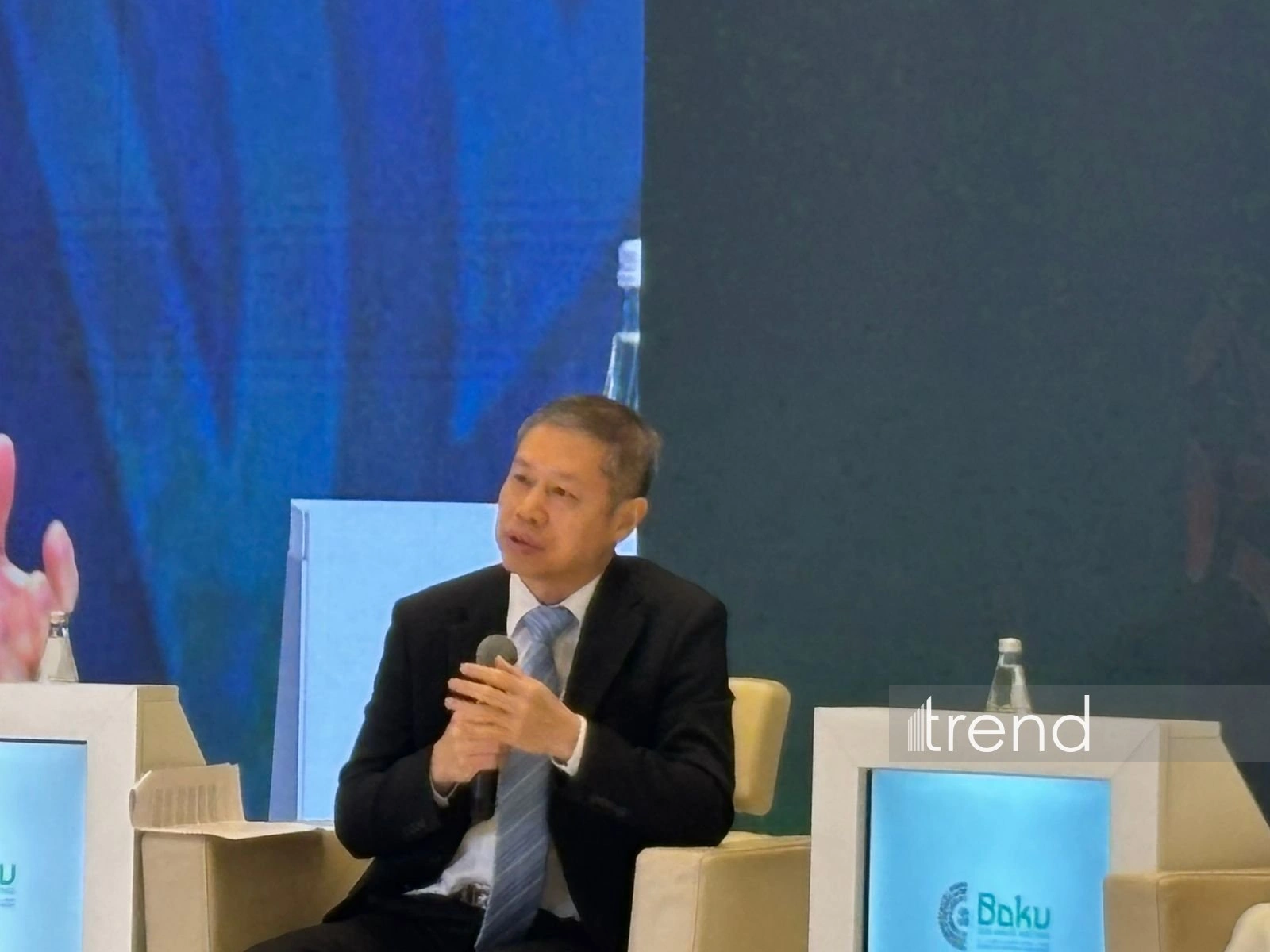
transparent tender procedures, Director for Regional Cooperation
and Integration at the Asian Development Bank (ADB), Jong Woo Kang,
said at the 14th Islamic Development Bank Group Private Sector
Forum, Trend's
correspondent reports from the event.
According to him, Middle Corridor projects should be viewed not
only as infrastructure initiatives, but also as a tool for
stimulating economic activity and private sector development. Kang
noted that the first important condition is the existence of a
clear regulatory and tariff system.
"Investors prefer predictability, so a clear legal framework,
transparent tariff-setting mechanisms, and concession agreements
are crucial for attracting private capital. The second key factor
is the appropriate distribution of risks among project
participants. In particular, political risks should be assumed by
the state or mitigated by guarantees from multilateral development
banks. Demand-side risks can be shared among stakeholders through
instruments such as minimum income guarantees. Furthermore,
mitigating foreign exchange risks through appropriate hedging
mechanisms remains an important element," he said.
The ADB representative cited competitive and transparent tenders
as the third condition for the success of the projects.
"Open procurement procedures help attract qualified participants
and ensure the efficient use of funds. ADB provides support in
developing procurement procedures, including pre-qualification of
participants, bid evaluation, and contract management.
ADB has significant experience supporting the issuance of green
bonds, sustainability bonds, and performance-linked bonds. This
experience, successfully applied particularly in South Asia, can be
applied in Central Asia when developing Middle Corridor projects,"
he noted.
He also expressed ADB's readiness to further collaborate with
all regional stakeholders to support the implementation of Middle
Corridor initiatives.