BAKU, Azerbaijan, June 18. Construction of
wastewater treatment facilities has begun in the Kyrgyz city of
Naryn as part of a project to modernize the water supply and
wastewater management system.
This was reported by the Ministry of Water Resources,
Agriculture and Processing Industry of the Kyrgyz Republic.
On June 17, Deputy Chairman of the Cabinet of Ministers –
Minister Erlist Akunbekov launched the implementation of the
project during his working visit to the Naryn region.
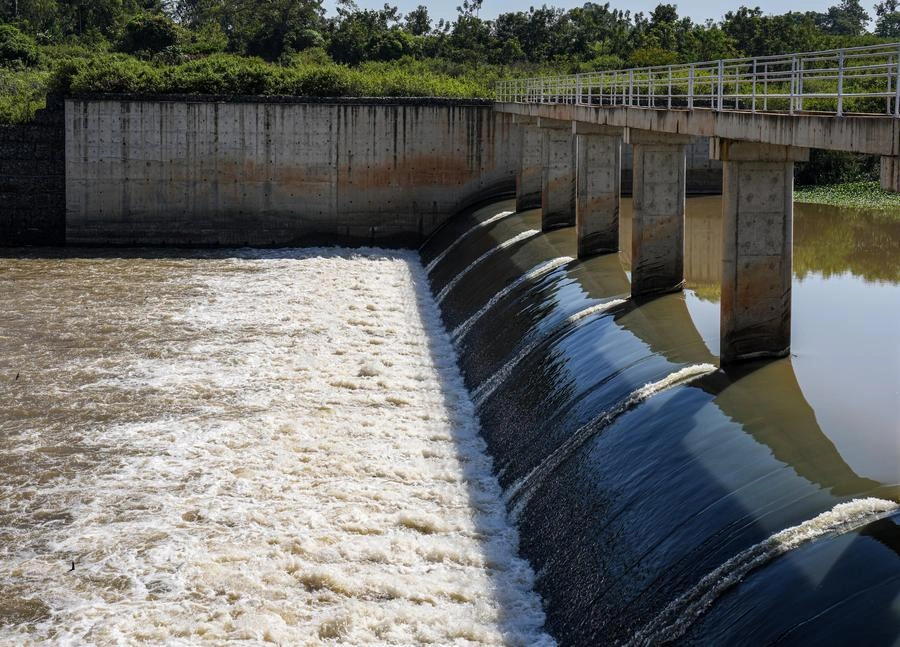
The project includes the construction of new sewerage networks,
installation of pumping stations, and commissioning of modern
wastewater treatment facilities designed to serve 20,000
people.
"This project will contribute to improving the quality of life
of city residents, strengthening environmental safety, and ensuring
the sustainable development of Naryn. Such projects are a practical
result of the state policy aimed at improving living conditions for
the population," Erlist Akunbekov said.
The project is being implemented with the support of the
European Bank for Reconstruction and Development (EBRD). Its total
cost amounts to 10.7 million euro.
During previous stages of the project, work was carried out to
modernize Naryn’s water supply system, including the reconstruction
of water networks, reduction of water losses, and construction of
new water intake facilities.
Earlier, the European Bank for Reconstruction and Development
(EBRD) approved its new Strategic and Capital Framework (SCF) for
2026–2030, outlining key priorities for the Bank’s activities in
Central Asia and other regions.
According to Huseyin Ozhan, EBRD Managing Director for Central
Asia and Mongolia, the framework is focused on three main areas:
accelerating the green transition, strengthening economic
governance, and developing human capital while promoting equal
opportunities.
He noted that these priorities serve as the main guidelines for
the EBRD’s operations in Central Asia. The Bank also develops
individual country strategies for each state in the region in close
cooperation with national authorities, with a focus on
strengthening private sector competitiveness, creating jobs,
improving skills, promoting inclusion, and supporting digital
transformation.